
How to Secure a Same-Day Telehealth Visit for Acute Sinus Pain
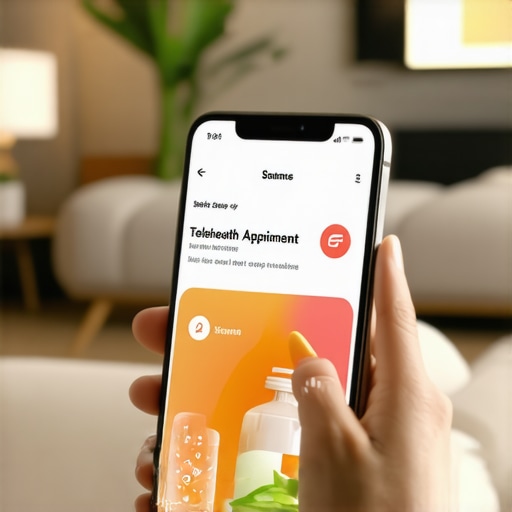
I remember the last time I woke up with that pounding sinus headache, feeling like a hammer was hammering inside my skull. Frustration bubbled up—I’ve dealt with sinus pain before, but this sudden flare-up caught me totally off guard. It was late evening, and I needed relief fast. The thought of waiting days for an in-person appointment seemed impossible, especially when I was miserable. That moment made me realize how crucial it is to know how to get a same-day telehealth visit when acute sinus pain strikes unexpectedly.
Why Immediate Access Matters When Sinus Pain Hits Hard
In moments of sudden discomfort, we want quick solutions. Waiting for weeks to see a healthcare provider isn’t just inconvenient—it’s sometimes downright dangerous, especially if your symptoms mask something more serious like an infection or allergy flare-up. Telehealth has revolutionized how we access care, bridging the gap between need and relief without the hassle of the clinic waiting room.
Many people, including myself initially, underestimate the power of virtual urgent care for such issues. Early on, I made the mistake of delaying action, thinking rest and over-the-counter meds would suffice. But an unchecked sinus infection can escalate, leading to complications. According to recent studies, timely virtual consultations can significantly reduce unnecessary ER visits and promote faster recovery, especially for conditions like sinusitis which often don’t require in-person exams.
So, today, I want to walk you through how I’ve managed to secure same-day telehealth appointments for sinus pain—and how you can do the same. No more waiting and suffering in silence. Instead, you’ll have a straightforward plan to get evaluated and start treatment fast.
Is Telehealth Actually Worth the Hype for Sinus Relief?
When I first heard about telemedicine for sinus issues, I was skeptical. Could a virtual visit really replace the in-person check-up? Turns out, the answer depends. For many acute ailments like sinus pain, telehealth offers a quick, effective solution, provided you know how to navigate the system. My early mistake was assuming that all telehealth services are the same—some platforms are better equipped than others for urgent care. To ensure you’re covered, it’s wise to go with trusted providers that emphasize prompt, quality care.
If you’ve ever struggled with scheduling or felt unsure about whether telehealth is legitimate, you’re not alone. That’s why I’ve compiled a personal strategy that helped me secure appointments on the very same day. It involves knowing which platforms prioritize urgent care, having your medical history and current symptoms ready, and understanding how to communicate effectively with providers. After all, being prepared makes all the difference.
Would you like to learn the exact steps I took to get my sinus pain evaluated quickly? If so, keep reading—I promise, this guide will make your next medical scramble much less stressful.
Pick the Right Telehealth Platform Quickly
First, identify a reliable telehealth provider known for urgent care, like Vital Clinic. Bookmark their website or app ahead of time, so you can access it fast when your sinus pain strikes. During my own recent episode, I had their platform ready, making it simple to jump straight into a virtual consultation without wasting time searching.
Prepare Your Symptom Summary and Medical History
Before your call, jot down your symptoms: duration, severity, any accompanying issues like fever or nasal discharge. Also, gather your previous health records and list any medications or allergies. This preparation is like packing essentials for a trip—streamlining communication helps the provider evaluate you efficiently. I found that having this info ready prevented confusing back-and-forth and got me quicker advice.
Communicate Clearly and Concisely During Your Visit
When connected, describe your symptoms precisely—use concrete details instead of vague claims. Emphasize how the pain impacts your daily activities. Think of it as giving directions: the clearer your instructions, the faster the provider can pinpoint solutions. During my consultation, being specific led to an immediate recommendation for medication and tips to relieve pressure.
Follow Medical Advice and Ask About Next Steps
Once the provider suggests treatment, confirm understanding and ask about any necessary follow-up, lab tests, or vaccinations. For instance, I inquired whether I needed imaging or labs like lab tests to rule out complications. Knowing what to do next, like getting prescriptions sent electronically or scheduling tests, accelerates your recovery process.
Arrange for Additional Care if Needed
If symptoms worsen or don’t improve, promptly book follow-up appointments or seek in-person evaluation. Many telehealth services can facilitate direct referrals or recommend urgent care visits—think of it as having a trusted GPS guiding you to the next destination without detours. I once followed up after initial virtual advice with a nearby clinic, preventing escalation of my condition.
Leverage Virtual Care for Vaccinations and Tests
Taking proactive steps like scheduling vaccinations or lab tests online is simple once you’re familiar with the platforms. For instance, I used telehealth to update my immunizations before travel—a process that normally takes weeks was completed within hours, thanks to online scheduling and digital records. This approach ensures you’re protected and ready without the hassle of in-person visits.
Many individuals believe that a quick blood test or a standard vaccination check-up fully captures their health risks. But in my experience, this oversimplifies the complex landscape of wellness. One common myth is that more testing automatically equals better health insights. In reality, the nuances matter more than the number of tests. For example, routine panels often overlook critical markers like inflammation or hormonal imbalances, which can silently contribute to chronic issues. As an expert, I emphasize customizing lab testing based on individual risk factors, which can be better achieved through virtual consultations that allow in-depth discussion and tailored test selection.
What advanced lab markers should you consider for true health tracking?
Scientific research underscores the importance of biomarkers like C-reactive protein, homocysteine, and vitamin D levels for comprehensive wellness assessment. Simply relying on standard panels might cause you to miss early signs of inflammation or deficiency. That’s why I recommend working with providers who understand the value of advanced testing, such as lab tests that go beyond the basics. Virtual care platforms facilitate this personalization, making it easier than ever to access precise diagnostics without unnecessary visits.
Another misconception is that vaccinations are a one-size-fits-all shield. Myth: A booster shot every few years suffices for everyone. The truth is, individual immune responses vary, and personalized vaccination schedules are more effective. Telehealth enables continuous monitoring of immunity status by reviewing antibody titers and adjusting vaccination plans proactively, which many overlook.
Common mistakes extend to overestimating the role of in-person visits; many think they’re indispensable for routine wellness. However, virtual care now offers comprehensive health assessments, lab ordering, and even medication management, which can be more efficient and less intimidating. This shift not only saves time but also fosters consistent monitoring, catching issues before they escalate.
Don’t miss these pitfalls in your wellness journey—are you falling for any?
The trap of misinterpreting lab results, neglecting personalized vaccines, or assuming in-person is always better than virtual can derail health progress. Knowing the subtle differences and embracing advanced virtual options can give you a significant advantage. So, do you recognize any of these misconceptions in your approach? Let me know in the comments and share your experiences. After all, awareness is the first step toward smarter health choices.
Maintaining Your Wellness Arsenal Over Time
Staying on top of your health requires a combination of effective tools and consistent practices. I personally rely on specific devices and software that have proven their worth in tracking, managing, and preempting health issues. For example, I use a FDA-approved digital blood pressure monitor like the Omron Platinum, which syncs seamlessly with my smartphone, allowing me to monitor my levels regularly without visiting the clinic. This continuous data collection helps me identify patterns and intervene early if readings start trending upward, preventing complications.
Another essential tool I swear by is a high-quality pulse oximeter such as the Masimo MightySat. It offers quick, accurate measurements of my oxygen saturation and pulse rate, which are vital during seasonal changes or when feeling under the weather. Having these readings at my fingertips gives me peace of mind and allows me to escalate care when necessary.
Beyond devices, I leverage telehealth platforms that integrate lab test ordering with virtual consultations, exemplified by services I trust, like Vital Clinic. Their platform enables me to request specific tests—like inflammatory markers or vitamin D levels—and schedule follow-ups without leaving my home. This saves time and ensures I can act swiftly if results show early warning signs. You can explore how such platforms are revolutionizing chronic care by reading more at exploring telehealth benefits.
How do I maintain my wellness tools over the long haul?
Regular calibration of devices, updating of wellness apps, and periodic reassessment of which tests to run keeps my health management optimized. For example, I revisit my lab test panel annually, focusing not just on basic checks but on advanced markers that detect early inflammation or hormonal imbalances. These nuanced insights, combined with my device data, create a comprehensive health picture, helping me make informed decisions. I also stay educational—reading recent research like the importance of tracking biological age markers (see this article for specifics)—to ensure my tools and strategies are up-to-date and effective.
Scaling Up Your Wellness Routine for the Future
Looking ahead, the integration of artificial intelligence and machine learning will further personalize health tracking. Imagine wearable devices that not only monitor vital signs but predict potential issues before symptoms appear, much like predictive analytics in finance. Embracing these innovations now means you can adapt proactively—saving time, money, and preserving quality of life. The trend toward remote monitoring and virtual consultations will only accelerate, making consistent health management more accessible and efficient for everyone, not just tech enthusiasts. To stay ahead, it’s wise to explore platforms that combine comprehensive lab testing with AI-driven analytics, like the upcoming features mentioned at telehealth innovations.
Ready to optimize your long-term health practices?
Start by committing to at least one advanced tool or test each quarter—whether it’s a new device, a detailed lab panel, or a virtual consultation. For example, I recommend trying a vitamin D test combined with personalized supplementation strategies outlined here. Over time, you’ll notice how small, consistent actions create significant improvements. Remember, proactive health management isn’t just about responding to problems—it’s about preventing them before they start. Equip yourself with the right tools, stay informed about new advancements, and you’ll keep your wellness journey sustainable and successful.
Uncovering the Hidden Pitfalls of Virtual Care
One of the hardest lessons I learned was trusting the hype over firsthand experience. While telehealth promises quick access, I discovered that not all platforms are equally prepared for urgent sinus issues, and rushing to the first available service sometimes led to longer delays or less thorough evaluations.
Another truth I wish I’d understood earlier is the importance of detailed symptom preparation. Spending a few minutes organizing my symptoms and medical history before the call saved precious time and avoided miscommunication, resulting in faster, more accurate treatment.
Lastly, I underestimated how vital clear communication is during virtual visits. Describing symptoms with concrete details helped the doctor swiftly identify siusitis and recommend effective treatments, proving that virtual care requires just as much precision as in-person visits.