
How to Secure an Emergency Telehealth Visit for a Raging Toothache
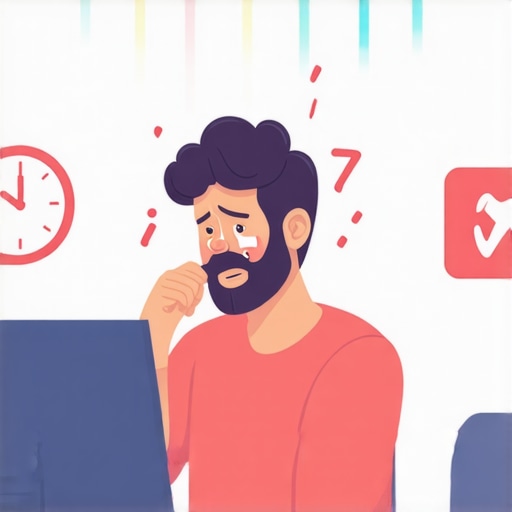
I remember the moment vividly—a hot cup of coffee in my hand, a sudden sharp pain shooting through my jaw that made me drop the mug. That excruciating, relentless ache was a wake-up call; I couldn’t ignore it any longer. Weeks later, I realized that waiting in a crowded waiting room for hours or trying to squeeze into a dentist’s busy schedule wasn’t just inconvenient—it was risky. That lightbulb moment changed my perspective on healthcare access, especially during dental emergencies.
Why Immediate Access to Care Matters for Toothaches
When faced with a raging toothache, every second feels like an eternity. The pain can be overwhelming, and delays in treatment may lead to complications like infections or abscesses. Traditional dental visits often require appointments days or even weeks in advance, which isn’t practical when you’re in agony. Thankfully, telehealth services have stepped in as a game-changer, allowing you to connect with healthcare professionals quickly and safely from your home. But how do you secure an emergency telehealth visit swiftly and effectively? That’s what we’ll explore today.
Is Virtual Healthcare Truly Fast Enough for Dental Crises?
I had once assumed that telehealth was more suited for general consultations or minor issues. I made the mistake early on of thinking that if it’s a dental emergency, I’d have to see a dentist in person. Turns out, many telehealth providers can evaluate your symptoms, offer pain management tips, and even prescribe necessary medications—sometimes on the same day. According to recent insights, virtual care is revolutionizing how we approach urgent health needs, making expert advice accessible when it matters most. You can learn more about these innovations [here](https://vitalclinicmd.com/telehealth-innovations-how-virtual-care-is-changing-wellness-in-639-am).
Have you ever been caught in a situation where the pain felt unbearable, but getting timely help seemed impossible? If yes, you’re not alone. Many people overlook the potential of telehealth for urgent dental concerns, often missing out on quick relief. Understanding how to navigate this process can make all the difference between enduring the pain or finding rapid, professional assistance. During the next section, I’ll walk you through exactly how to prepare for and secure an emergency telehealth visit for your toothache, so you’re ready next time the pain strikes.
**Step into the world of convenient, prompt healthcare—because relief isn’t just a wish; it can be a click away.**
Prepare Your Information Before the Call
Before initiating a telehealth visit, gather all relevant details about your toothache—when it started, intensity, location, and any associated symptoms. Having a list of current medications and recent dental history can accelerate the assessment. I once faced a sudden throbbing pain at night; by quickly jotting down my symptoms and medication list, I enabled the provider to give targeted advice, leading to prompt relief.
Use a Reliable Device and Connection
Ensure your device—smartphone, tablet, or computer—has a working camera and microphone, and your internet connection is stable. A clear video feed helps the healthcare provider assess visible signs like swelling or infection. I once experienced lag during a crucial consultation because I used an unstable Wi-Fi—switching to Ethernet drastically improved the quality and speed of communication.
Locate a Suitable Telehealth Platform
Identify a telehealth service that specializes in urgent dental care. Many platforms have a quick registration process—some even allow walk-in virtual slots. For example, I used a service that offered same-day appointments, reducing my pain significantly. Confirm that the platform complies with privacy standards (privacy policy) and has licensed dental professionals.
Describe Symptoms Clearly and Concisely
During the consultation, communicate your symptoms accurately. Use descriptive language—e.g.,”sharp pain when touched” or “persistent dull ache”—and mention any recent injuries or procedures. Clear descriptions enable the provider to determine if an in-person visit or medication is necessary. In my case, precise articulation led to a quick prescription, avoiding an urgent ER visit.
Follow Provider Instructions for Next Steps
Adhere to the advice given—whether it’s taking prescribed medication, applying home remedies, or scheduling an in-person appointment. After my virtual visit, I received instructions to rinse with warm salt water and take over-the-counter pain relievers, which mitigated the pain until I could see a dentist. Keep notes of your symptoms and treatment plan for future reference.
Arrange a Follow-up or In-Person Visit If Needed
If symptoms persist or worsen, schedule an in-person appointment promptly. Some telehealth providers can facilitate referrals or even arrange for lab tests to rule out infections. I later learned about the role of lab tests (see how lab testing aids wellness) in diagnosing the underlying causes of dental issues and preventing future crises.
Many people operate under common assumptions about health practices like vaccinations and lab testing, but behind these beliefs lie intricate nuances that can significantly impact your wellness journey. For instance, a widespread myth is that all vaccines are interchangeable or necessary at the same intervals. In reality, vaccine schedules are highly personalized, considering age, health status, and potential exposure risks. Consulting with healthcare professionals and reviewing current guidelines—such as those detailed here—can prevent misguided decisions.
Are Lab Tests Always Reliable, or Do We Overlook Precision?
A common mistake is assuming that a single lab result provides a complete picture of health. The reality is that the accuracy of lab tests depends on pre-test preparation, type of assay used, and timing. For example, fasting before certain blood tests, like glucose or lipid panels, is crucial; skipping this step can lead to misleading results. Moreover, many overlook that labs might have variability between centers or equipment. To truly harness lab testing for preventive wellness, it’s vital to understand these nuances, which are explained in detail here. Avoid the trap of relying solely on isolated data, and consider periodic comprehensive testing integrated into your overall health strategy.
In the realm of telehealth, there’s a misconception that virtual visits are only for minor issues. But in reality, with the rapid advancements and inclusion of high-definition video, remote consultations often match in-person assessments for many acute and chronic conditions. However, an unnoticed nuance is ensuring your digital privacy is protected—always verify privacy policies like here—and that your device and connection are optimized for clear communication. Failing to do so can compromise the quality of care and lead to misdiagnosis or delayed treatment. Embracing telehealth requires understanding these details, which are beautifully outlined in this article. Don’t fall into the trap of underestimating virtual care’s potential—when properly used, it can be a powerful tool for preventive and urgent health needs.
Have you ever fallen into this trap? Let me know in the comments.
Maintaining your health over the years requires more than just occasional visits to the doctor; it involves the right tools and consistent maintenance routines that empower you to take control of your wellness journey. In this article, I’ll share the specific equipment, software, and methods I personally rely on to keep my health running smoothly, while also predicting where this evolving landscape is headed.
How do I keep my health tools effective over time?
The foundation of long-term wellness lies in using reliable devices that provide accurate data. For instance, I count on a Fingertip Pulse Oximeter for daily oxygen saturation levels. It’s compact, easy to calibrate, and provides instant feedback that helps me monitor my respiratory health, especially during allergy season or recovery periods. Regular calibration against medical-grade equipment ensures ongoing accuracy—an essential step I never overlook. This micro-level data helps me spot early signs of declines in wellness, prompting timely lab tests or telehealth consultations.
Why I prefer comprehensive wellness apps
Tracking your health metrics manually can be daunting, which is why I recommend using an app like MyFitnessPal combined with wearable integrations. What I appreciate about these platforms is their ability to compile data from multiple sources—nutrition, activity, sleep, and even stress levels—into one dashboard. This holistic view helps me identify patterns, such as dips in energy correlated with specific foods or sedentary periods. Future trends suggest that AI-powered algorithms may soon personalize health insights even further, making routine monitoring smarter and less labor-intensive.
Streamlining lab tests for ongoing insight
Lab testing is critical for understanding hidden health risks, but I’ve found that preparing correctly makes a big difference. Using at-home test kits, like those that can be done at home, allows me to obtain lab results without disrupting my schedule. Pairing this with digital records that securely store and analyze results ensures I’m informed and ready for any necessary interventions. This proactive approach is vital because, as highlighted in this resource, early detection dramatically improves outcomes.
Optimal telehealth strategies for sustained wellness
Virtual consultations have transformed how I maintain wellness, especially when I need quick advice or medication refills. I use platforms that specialize in chronic condition management—like this comprehensive telehealth service. Ensuring my device is equipped with a high-quality camera and a stable internet connection is part of my routine, preventing communication glitches. I also keep a detailed symptom diary to streamline discussions with providers, making virtual visits more productive. As telehealth technologies incorporate AI-driven symptom analysis, expect even faster, tailored recommendations that help keep health on track.
Predicting future trends, I see
Advances in wearable biosensors and AI integration will likely put powerful diagnostic tools directly into our hands, reducing dependence on in-person testing and appointments. Imagine continuous real-time blood analysis or immediate early illness detection via smart patches—these innovations could become commonplace within the next decade. Staying ahead means embracing existing technology and preparing to adapt as new tools emerge.
To get started today, I recommend trying out a detailed, scientifically validated at-home lab testing kit combined with a comprehensive health app. This combo provides a wealth of data, empowering you to take targeted actions well before symptoms escalate. For more guidance on setting up your health maintenance system, consult resources like this article.
What I Wish I Knew About Virtual Care Before It’s Too Late
One of the most surprising lessons I learned was that telehealth isn’t just a stopgap for minor issues—it can be a powerful tool for urgent situations like dental emergencies. Recognizing the importance of preparing your symptoms and having reliable tech can mean the difference between suffering in silence and quick relief. I also discovered that understanding the nuances of lab tests, such as fasting requirements and lab variability, empowers you to interpret results accurately and avoid unnecessary worry. Finally, embracing a proactive mindset—regularly checking vital markers with at-home kits or wellness apps—can uncover hidden issues before they escalate, saving you time, money, and health.
My Top Picks to Keep Your Wellness on Track
For maintaining long-term health, I rely on a few trusted resources. First, this guide on lab tests has helped me decode complex results and make smarter health decisions. I also trust telehealth platforms specializing in urgent care that prioritize privacy and swift service—making it easier to get attention when I need it. Lastly, I stay informed with resources exploring future tech in health management, so I can adapt as innovations unfold.
Your Next Step: Embrace Smart Wellness Practices Today
Taking charge of your health through telehealth, lab testing, and vigilant monitoring isn’t just smart—it’s empowering. The more you learn and prepare now, the better equipped you’ll be when health challenges arise. Remember, small consistent steps can lead to lasting wellness. So, why wait to start building your personalized health safety net? Dive into new tools, ask questions, and keep your finger on the pulse of your well-being. Your future self will thank you for it.