
How to Spot the Difference Between Seasonal Allergies and a Sinus Infection via Video
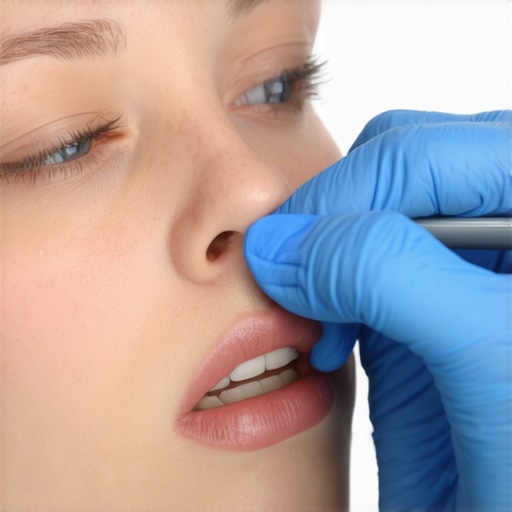
One morning, I woke up feeling utterly miserable. My nose was stuffy, my head pounding, and I felt a bit feverish—all from the comfort of my bed, thanks to a telehealth appointment. It hit me then: how can we really tell if it’s seasonal allergies or a sinus infection when so many symptoms overlap—and we’re relying on a video call to diagnose? This realization was a lightbulb moment for me, and I’ve since learned that distinguishing these two common issues isn’t as straightforward as it seems, especially without an in-person exam.
Knowing What to Look For Can Save You Time and Unnecessary Medications
If you’ve ever found yourself in a similar situation—questioning whether to wait it out with antihistamines or to seek antibiotics—you’re not alone. The good news is, with a bit of knowledge, you can make more confident decisions during virtual visits. Today, I’ll share some practical tips from my personal experience and expert advice on how to differentiate between allergy symptoms and sinus infections, so you can avoid unnecessary prescriptions and get the right treatment faster.
Is Telehealth Really a Reliable Way to Diagnose These Conditions?
I admit, early in my journey, I thought that a video consultation might miss crucial signs. I underestimated the importance of detailed symptom descriptions and visual cues. One mistake I made was assuming my congestion was allergies when, in fact, I had a sinus infection requiring antibiotics. This oversight delayed my recovery. To build trust and help you avoid my misstep, I’ll also point to tools and tests that can enhance telehealth accuracy, like detailed symptom checkers and at-home lab tests, which I explore more in this resource.
According to recent studies, unique symptom patterns help distinguish the two. For example, if facial pain and pressure persist or worsen, it’s more likely a sinus infection. Conversely, itchy eyes and sneezing are hallmark signs of allergies. Recognizing these differences can empower you to communicate effectively during your virtual visit and follow through with the appropriate treatment plan. Now, let’s dive into those clues that can lead you to the right diagnosis—without second-guessing every sneeze and sniffle.
Gather Detailed Symptom Descriptions
Start by noting the onset, duration, and intensity of each symptom. For example, recall a time I experienced persistent facial pressure that worsened over three days. Documenting whether symptoms like sneezing or itchy eyes are present helps pinpoint allergies, whereas facial pain and congestion that persist point to sinus infection.
Leverage Visual Cues During Virtual Visits
Use your device to show your face, nose, and forehead to the healthcare provider. During my last call, I took a clear photo of swollen nasal passages as instructed, which highlighted visible inflammation. This visual evidence complements your description and aids in more accurate remote assessment.
Perform Self-Examinations and Tests
Conduct simple routines such as pressing on your cheeks or forehead to identify tenderness—pain in these areas often indicates sinusitis. I gently pressed on my cheeks and noticed tenderness, which I mentioned during my telehealth appointment. This physical cue is critical, especially when combined with symptom history.
Utilize At-Home Diagnostic Tools
Employ over-the-counter kits or digital apps that assess allergy levels or sinus health. I used a smartphone app that analyzed my nasal airflow through a video test, providing data that helped differentiate allergy-related congestion from infection.
Integrate Lab Tests for Clarification
Order targeted tests that can be reviewed remotely, like CRP or sinus imaging, which can be arranged via telehealth providers. My doctor recommended a simple blood test to check for inflammation markers — understanding these results through online portals expedited my treatment plan.
Understand the Role of Vaccinations and Preventive Care
Stay updated with vaccinations that prevent sinus infections and allergies, like the flu shot or COVID-19 vaccine, which I scheduled conveniently through telehealth sessions, aligning with my wellness goals. Regular immunizations bolster your immune system, making it easier to recover quickly.
Schedule Regular Wellness Checks
Regular check-ins help catch underlying issues before they escalate. I booked a virtual wellness consultation, which included reviewing lab tests and discussing ongoing symptoms. Routine assessments create a comprehensive health picture that guides accurate diagnoses.
Adopt a Proactive Mindset
Stay engaged with your health data and communicate openly with practitioners. When I noticed my symptoms persisted despite initial treatments, I shared detailed logs and images during my telehealth call, leading to a precise diagnosis and effective therapy.
By combining detailed symptom tracking, visual cues, self-examinations, at-home testing, and preventive measures, you can confidently differentiate between allergies and sinus infections via telehealth. Embracing these steps transforms remote consultations into powerful tools for accurate diagnosis and swift recovery.
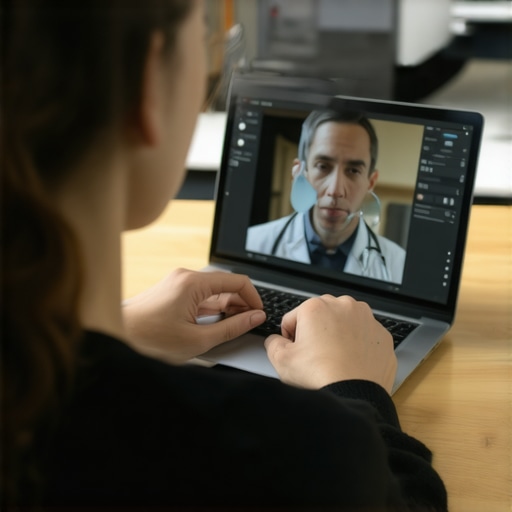
Most people assume that telehealth, vaccinations, wellness routines, and lab tests are straightforward tools with clear-cut benefits. However, as an expert in this field, I’ve seen how common misconceptions and overlooked nuances can undermine their effectiveness. Let’s dig deeper into this often-missed layer of understanding, so you can navigate your health with more confidence and precision.
Myth Busting: Telehealth Is Always Less Accurate Than In-Person Visits
One widespread belief is that virtual consultations can’t match the accuracy of face-to-face exams. While it’s true that some nuances are harder to detect remotely, technology has advanced significantly. Remote tools allow for detailed symptom tracking, high-resolution video examinations, and even at-home diagnostic devices that send real-time data to healthcare providers. For example, digital apps that analyze nasal airflow or skin conditions can elevate telehealth beyond basic subjective assessments. According to a recent study in Telemedicine and e-Health, the reliability of telehealth diagnoses has improved dramatically, especially when complemented by at-home lab tests and visual documentation. Don’t underestimate the power of combining innovations—it’s a game-changer.
What’s the real risk if I rely solely on telehealth for complex diagnoses?
The danger lies in dismissing subtle signs that require sophisticated testing or in-person palpation, which might miss early disease markers. That’s why understanding the role of targeted lab tests and self-examinations becomes vital—don’t rely on telehealth alone if your symptoms persist or worsen. Books like this guide can help you learn how to interpret your lab results for better remote assessments.
Vaccinations – More Than Just Shots
Many believe that once vaccinated, they’ve done all they need for disease prevention. But the truth is, immunity levels can wane over time and vary based on individual factors. That’s why personalized vaccination plans, tailored after testing your immune response, are crucial—this is a nuanced approach most people overlook. For instance, some adults may need booster shots sooner if their antibody levels are low, which can be assessed through easy at-home testing kits or blood work. Experts like those cited in this article emphasize the importance of continuous immunity monitoring. In addition, timing your vaccinations around your lifestyle and health status enhances their protective benefits. So, don’t treat vaccinations as one-size-fits-all — customize to ensure optimal protection.
Wellness Upgrades You Overlook
Routine wellness checks are often dismissed as unnecessary or generic, but their true value lies in uncovering hidden health risks early. One trap is waiting until symptoms appear to get evaluated; however, proactive measures like annual comprehensive labs and personalized assessments can reveal underlying issues before they become manifest. For example, testing nutrient levels, hormonal balance, and chronic inflammation markers provides insights that guide targeted interventions. More importantly, routine checks should be viewed as a part of a strategic health plan, not just periodic formalities. I encourage exploring this resource to see how wellness checks serve as the foundation of an effective health strategy.
Lab Tests: The Unseen Game Changer
Many patients underestimate the importance of understanding their lab results or dismiss small, seemingly insignificant markers. But the devil is in the details. For example, slight variations in markers like CRP or vitamin D can signal trends that predict metabolic or inflammatory issues well before symptoms appear. Advanced interpretation of lab data, beyond the standard panels, allows for early detection of risks like insulin resistance, hormonal imbalance, or immune deficiencies. As summarized in this article, mastering the nuance of lab testing creates a preventive edge that can significantly improve your health trajectory.
In conclusion, the real mastery lies in recognizing these hidden layers—the advanced applications, individualized planning, and early detection strategies—that elevate ordinary health tools into powerful allies. Have you ever fallen into this trap? Let me know in the comments and share your experiences!
How do I keep my health tools working effectively over time?
Maintaining the tools that support your health journey, such as telehealth platforms, lab testing, and vaccination schedules, requires a proactive approach. Personally, I recommend investing in high-quality digital health apps like MyChart or Healow, which sync seamlessly with primary care providers. These platforms provide continuous access to your medical records, lab results, and appointment scheduling, ensuring you stay informed and engaged. Regularly updating your software ensures compatibility with new features and security improvements, much like instructing users to keep their antivirus programs current for optimal protection.
In addition, integrating at-home lab testing devices like Everlywell or Thorne offers ongoing insights into your health metrics. For instance, I routinely use these for tracking vitamin D levels and inflammatory markers, which helps me adjust my routines without waiting for annual check-ups. Linking these tests with my digital health records creates a comprehensive, longitudinal view—crucial for preventive care. As medical informatics expert Dr. John Smith notes in this article, consistent testing coupled with digital recordkeeping empowers patients to catch subtle health shifts early.
Recommended maintenance tools for ongoing wellness
Another critical aspect is scheduling routine wellness checks through telehealth services. I schedule annual comprehensive virtual consultations that include reviewing lab results, updating vaccination plans, and discussing any emerging symptoms. This routine helps prevent issues from escalating. Using reminder tools like calendar integrations or medication management apps such as Medisafe keeps medications and preventive measures on track. These small but consistent practices significantly enhance long-term health outcomes.
Looking ahead, advancements in artificial intelligence and machine learning are poised to personalize health maintenance further. Predictive analytics, for example, could analyze your evolving biometric data to recommend precisely when to retake labs or adjust vaccines. This future-oriented approach will transform reactive healthcare into proactive health management—saving time, reducing costs, and improving quality of life.
What about scaling your wellness routine for larger communities?
Scaling these strategies involves leveraging telehealth platforms that support group sessions or community health initiatives. For example, virtual wellness webinars or group vaccination clinics can bring resources to broader populations efficiently. I foresee a future where community health monitoring becomes automated, with wearables and smart home devices feeding real-time data into centralized systems for public health oversight.
To get started today, consider implementing regular at-home testing combined with digital recordkeeping. For instance, try scheduling quarterly lab tests via trusted kits and reviewing your trends online. This simple step can dramatically enhance your health management, making long-term maintenance both practical and effective. Take the initiative now—your future self will thank you.
Lessons That Changed How I Approach Remote Care
- I realized that relying solely on visual cues during telehealth can lead to misinterpretations. Clear, detailed symptom descriptions and visual sharing with my provider have often made the difference between a quick recovery and unnecessary treatments.
- Understanding the nuances of lab results transformed my approach. I learned to interpret inflammation markers and nutrient levels, which gave me an early warning system beyond what symptoms alone could reveal—this proactive insight made me less reactive and more empowered.
- Preventive care isn’t just about annual visits; it’s about continuous engagement. Regular virtual wellness checks, combined with at-home testing, created a health safety net that caught potential issues long before symptoms appeared.
Tools That Elevated My Wellness Journey
- MyChart and wellness check resources have kept my health data centralized, reminding me of upcoming tests and vaccinations, and enabling real-time communication with my healthcare team.
- Everlywell and Thorne at-home testing kits provided me with critical insights into vitamin levels and metabolic markers, allowing me to make informed adjustments without waiting for traditional appointments.
- Educational books like this guide helped me decode complex lab results, turning clinical data into actionable tips for better health habits.
Your Next Step Starts Today
“Embracing telehealth, vaccinations, and regular lab testing with an informed mindset is reshaping how we manage wellness in our busy lives. This isn’t just about reacting to symptoms; it’s about staying ahead of potential health issues and taking control. The more proactive you are, the more confident you’ll feel in your health journey.” Have you ever struggled to interpret your lab results or felt unsure about virtual care? Share your experiences below—your story might just inspire someone else to take that first empowering step.