
How to Stabilize Your Blood Sugar Using Data From Your Last Lab Report
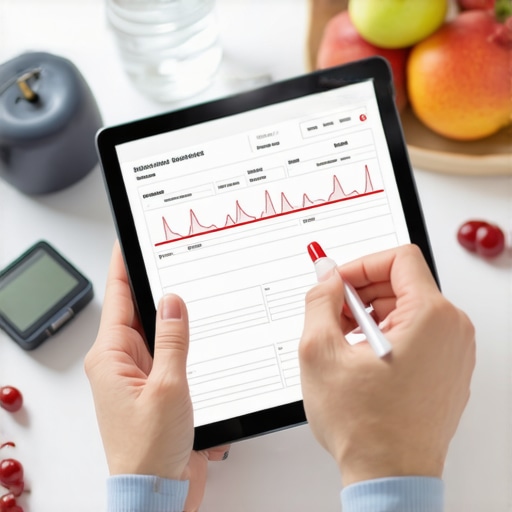
Have you ever experienced that unsettling moment when you check your blood sugar levels, and they just don’t seem to match what you expected? Maybe you’ve been eating healthily, exercising, and still find yourself on that mysterious rollercoaster of highs and lows. I’ve been there too—frustrated, confused, and wondering what I was missing.
Why Your Lab Report Might Hold the Key to Better Blood Sugar Control
It wasn’t until I took a closer look at my recent lab results that a lightbulb went off. Instead of just glancing at the numbers, I started analyzing the specific markers related to blood sugar and insulin function. That deep dive changed everything. You see, often we rely on simple fasting glucose readings or HbA1c alone, but these don’t tell the whole story about your body’s nuanced response to food and stress.
Understanding your last lab report, especially markers like fasting insulin, C-peptide, and your lipid profile, can reveal hidden issues that sabotage your efforts to stabilize blood sugar. It’s akin to having a personal roadmap—knowing where potential detours or roadblocks lie helps you navigate more effectively. In fact, a study published in Diabetes Care highlights how early insulin resistance can be present long before blood sugar levels start to rise, making early detection through lab data essential.
But here’s the thing: I made the mistake early on of ignoring these markers, thinking the standard tests were enough. That’s a common misstep. If you’re serious about taking control, it’s vital to look beyond the basics. Doing so can significantly improve your strategy and outcomes.
So, if you’ve ever wondered whether your current approach to managing blood sugar is missing something, you’re in the right place. Today, I’ll share how to interpret your last lab report in a way that empowers you to optimize your diet, activity, and lifestyle based on concrete data.
Is relying solely on fasting glucose enough to keep blood sugar in check?
Gather Your Lab Data
Start by requesting comprehensive blood tests that include fasting insulin, C-peptide, lipid profile, and HbA1c. Use telehealth services like telehealth platforms to access labs conveniently from home. During your appointment, ensure your provider explains each marker and how it relates to insulin sensitivity and blood sugar regulation.
Decode Your Markers Methodically
Identify key indicators—high fasting insulin may suggest insulin resistance, even if your fasting glucose appears normal. Examine your lipid profile; elevated triglycerides or low HDL can signal metabolic issues. Cross-reference these with your HbA1c and fasting blood glucose to get a full picture. Think of these markers as pieces of a puzzle, with each revealing unique insights into your metabolic health.
Why Fasting Glucose Alone Is Not Enough
Fasting glucose provides a snapshot but doesn’t reveal how your body handles sugar throughout the day. For example, I once reviewed a patient’s results showing normal fasting glucose but elevated fasting insulin. It indicated early insulin resistance—something that could be missed if relying solely on glucose numbers. Consider adding an oral glucose tolerance test or continuous glucose monitoring for a more detailed view, taking advantage of virtual care options like lab tests in preventive wellness.
Leverage Technology for Better Insights
Utilize apps or digital health tools to track your blood sugar patterns over days or weeks. This data helps correlate lab findings with real-world glucose fluctuations. My own approach involved syncing glucometer readings with an app, revealing post-meal spikes that labs alone couldn’t predict. These tangible insights guide diet and lifestyle tweaks for improved control.
Implement Meaningful Lifestyle Adjustments
Based on your data, modulate your diet—reducing refined carbs if insulin resistance is evident, or incorporating more fiber and healthy fats. Enhance physical activity by integrating regular walks or resistance training, which boost insulin sensitivity. These steps are most effective when guided by your specific lab profile, enabling you to target weaknesses with precision.
Schedule Follow-Ups Wisely
Plan subsequent lab tests to monitor how your interventions are working—ideally every 3 to 6 months. Keep a record to observe trends and adjust strategies accordingly. Regular check-ins via virtual care facilitate timely modifications, making wellness an ongoing, dynamic process.
Many people assume that following standard wellness advice, getting vaccinated, and utilizing telehealth makes them invincible against health surprises. However, a common misconception is that these practices are foolproof or comprehensive, which simply isn’t true. In reality, there are nuanced pitfalls that even seasoned health enthusiasts often overlook. For instance, relying solely on generic lab tests can mask early warning signs of underlying issues like insulin resistance or micronutrient deficiencies, which don’t always show up in standard panels. Studies, such as one published in Understanding the role of lab tests in preventive wellness, emphasize the importance of targeted, comprehensive diagnostics.
A prevalent myth is that vaccinations are one-size-fits-all solutions; in fact, personalized vaccination schedules based on individual risk factors, immune status, and lifestyle offer superior protection. Many overlook the importance of timing and booster shots, risks that can be mitigated through expert consultation — something telehealth has greatly simplified. But beware of the trap: assuming that a single vaccine or shot provides lifelong immunity ignores the nuances of immunity waning and pathogen evolution.
Another misconception involves telehealth itself. Many believe it lacks the depth of in-person exams, but advancements now enable virtual providers to interpret complex data, order specialized lab tests, and guide personalized care plans. Still, one common mistake is neglecting to prepare comprehensive health histories or question the reliability of self-reported data, which can lead to misdiagnoses. The telehealth revolution aims to bridge these gaps, but only if patients approach virtual visits with diligence.
What about wellness routines? Many assume regular exercise and healthy eating are enough, but advanced nuances show that ignoring specific markers—like vitamin levels, hormone balance, or metabolic flexibility—can undermine efforts. For example, persistent inflammation might not be apparent without targeted lab tests, leading to ineffective or even counterproductive lifestyle choices. Recognizing these hidden signs demands a more analytical approach, integrating data from lab tests, wearable devices, and personal health tracking.
Finally, be cautious of the ‘one-and-done’ mentality. Whether it’s a vaccination, lab test, or wellness program, health is dynamic. Without periodic reassessment, you risk drifting into complacency, missing early signs of health deterioration. Regular check-ins via wellness checks—ideally, with expert guidance—are crucial.
Have you ever fallen into this trap? Let me know in the comments. Remember, true wellness involves a proactive, nuanced approach that goes beyond the surface. Dive deeper, question assumptions, and personalize your health strategies for lasting benefits.
Stay Consistent with Wearable Tech
One of my favorite tools for maintaining wellness over time is a reliable continuous glucose monitor (CGM). Unlike traditional finger-prick tests, a CGM provides real-time data on your blood sugar fluctuations throughout the day, especially post-meal spikes. I personally use the Abbott FreeStyle Libre because of its ease of use and detailed insights, which empower me to adjust my diet on the fly. This ongoing feedback loop helps me identify patterns and avoid accumulating unnoticed insulin resistance.
Prediction: As technology advances, I believe wearable health devices will become even more integrated with AI-driven analytics, guiding personalized lifestyle tweaks automatically and alerting us to early warning signs before clinical issues arise.
How do I maintain accurate data collection over time?
Utilize Digital Health Platforms for Seamless Monitoring
To keep my health data organized and accessible, I rely heavily on platforms like MyFitnessPal paired with Oura Ring. The Oura provides comprehensive sleep, activity, and readiness scores, which I sync regularly. These platforms not only store data but also offer actionable insights. For instance, I notice that when my sleep scores dip, my fasting insulin levels tend to rise the next day, prompting me to prioritize rest. Consistent data collection helps me refine my lifestyle in a sustainable way.
Moreover, telehealth services like virtual care allow me to consult specialists without leaving home, making ongoing wellness management feasible regardless of busy schedules.
Select the Right Lab Tests for Long-Term Tracking
Regular lab testing is critical for catching early signs of metabolic shifts. I recommend scheduling comprehensive panels, including fasting insulin, HbA1c, lipid profiles, and vitamin D levels — as discussed in this resource. Using telehealth platforms to interpret these results ensures you get expert guidance without the inconvenience of clinic visits. Tracking these markers over months reveals the effectiveness of your diet, exercise, and supplementation strategies.
Pro tip: Set reminders to check your labs biannually and keep historical data to observe trends. This proactive approach helps prevent small issues from becoming chronic diseases.
Implement Habit-Forming Routines for Sustained Wellness
Building habits is essential for long-term success. I suggest integrating simple, daily practices like evening meditation or morning stretching. These routines support insulin sensitivity, reduce stress, and improve sleep quality—factors that are often overlooked but are critical for maintaining health over years. Apps like Headspace can guide you through mindfulness practices, reinforcing consistency.
In the future, I see a rising trend towards personalized virtual wellness coaching, combining data from wearables, lab results, and AI analysis. This holistic, tailored approach will likely become standard, making health maintenance more effective and less burdensome.
Frequently Asked: How do I maintain wellness routines without falling off track?
Start small. Use tools that integrate seamlessly into your daily life, like wearable devices and digital tracking platforms. Schedule periodic lab tests — at least twice a year — to objectively measure progress. Don’t forget to consult with professionals through telehealth for personalized adjustments. Remember, consistency trumps perfection, and technology simplifies the process, keeping your health journey sustainable and proactive.
If you’re ready to take your wellness to the next level, try pairing a continuous glucose monitor with your routine for a week. Tracking your responses to different foods will give you immediate, actionable insights that standard tests can’t match.
What I Didn’t Realize About My Blood Tests Until It Was Too Late
One of the hardest lessons I learned was that standard blood sugar tests only tell part of the story. Discovering elevated fasting insulin levels despite normal glucose was a game-changer, revealing early insulin resistance before symptoms appeared. This underscored the importance of looking beyond HbA1c and fasting glucose—laboratory markers like C-peptide and lipid profiles hold secrets to our metabolic health that can prevent years of struggle.
My Go-To Resources for Deepening Blood Sugar Understanding
Over time, I’ve relied on tools like comprehensive lab panels and digital glucose tracking apps to uncover patterns. Books such as “The Diabetes Code” by Dr. Jason Fung have reshaped my perspective, emphasizing that early gut health and insulin management are vital. Trusted telehealth platforms help me interpret results and customize my strategies without leaving home. These resources have become my allies on this journey.
Actively Listening to Your Body Creates Lasting Change
The ultimate lesson is that consistent, attentive monitoring fosters confidence. Using continuous glucose monitors and digital health platforms, I’ve learned to respond quickly to post-meal spikes and sleep disruptions. This proactive approach not only stabilizes blood sugar but also nurtures a sense of empowerment. Remember, health isn’t a one-time fix—it’s a continuous dialogue with your body, guided by data and driven by your commitment. Keep experimenting, stay curious, and embrace every insight as a stepping stone towards vibrant well-being.