
How to update your child’s tetanus shot before soccer season

I remember standing in the mud-room last August, clutching a pair of grass-stained cleats in one hand and a frantic email from the league coordinator in the other. “Missing Medical Documentation,” the subject line screamed in all caps. I realized with a jolt that I hadn’t actually looked at my son’s immunization card since he started kindergarten. I spent the next four hours calling clinics and digging through a “junk drawer” of old school papers, only to realize I’d made the ultimate rookie blunder: I’d waited until the peak of sports physical season to check a box that should have been handled months ago. Trust me, there is nothing quite like the panic of trying to verify your child’s vaccine status while they are practicing corner kicks in the backyard. Today, I want to save you from that headache. We are going to walk through the easiest ways to check your records, understand the timeline, and get that booster sorted without losing your Saturday morning.
Stop the Last-Minute Scramble for Sports Paperwork
I learned the hard way that assuming “we are probably fine” is a recipe for a stressful Friday night. A few years back, I thought a minor scrape on the field was no big deal until I realized my daughter’s last shot was way past due. It isn’t just about the league’s red tape; it’s about the peace of mind you get when they are sliding into home base or diving for a save in the dirt. To avoid the rush, I now suggest looking into personalized vaccination schedules well before the first whistle blows. Have you ever found yourself digging through dusty folders at midnight just to prove your kid is eligible to play? It is a rite of passage I would prefer we all skip this year.
Is a Booster Really Necessary for a Healthy Kid?
It is easy to feel skeptical about more shots, especially when your child seems perfectly healthy and hasn’t had so much as a sniffle. However, the environment where soccer is played is the perfect breeding ground for trouble. The CDC reports that Clostridium tetani spores are remarkably resilient, living in soil, dust, and even on metal surfaces for years. According to the Mayo Clinic, while a booster is generally needed every ten years for basic maintenance, doctors often recommend a fresh one every five years if a child suffers a deep or dirty wound on the field. This isn’t just a suggestion; it is a biological shield against a toxin that affects the nervous system. If you are worried about the “poke” itself, I have found some great tricks on how to handle needle phobia that turned our last clinic visit from a tear-fest into a quick high-five. Knowing exactly why your child needs a tetanus booster before the season hits its peak ensures they stay on the field and you stay out of the urgent care waiting room. Getting ahead of the curve means you can focus on the game, not the paperwork.
Audit Your Records Before the Season Starts
The first thing you need to do is build a source of truth for your family’s health. I like to think of vaccination records like a car’s maintenance log; you do not want to realize the oil needs changing when you are already fifty miles into a long-distance road trip. Most parents assume the school or the league has everything on file, but databases do not always talk to each other. Start by requesting a digital copy from your pediatrician or the state registry. If you are hitting a wall, understanding why your childs vaccination schedule matters more than you think can help you prioritize which shots are actually due for sports eligibility versus general wellness. Tracking this now prevents that stomach-churning moment when the coach tells you your star player has to sit out the first game because of an expired tetanus shot.
Stop Guessing and Start Testing
If you have moved between states or changed providers frequently, your paper trail might be as messy as a pre-teen’s bedroom. Instead of getting unnecessary repeat shots, you can use science to clear the air. Titer tests are blood draws that check for existing antibodies. It is essentially an immunity audit. By looking at the essential lab tests you need for accurate vaccination planning, you can determine exactly what your child needs without over-vaccinating. I once spent three days hunting for a chickenpox record only to realize a quick lab test could have given me the answer in twenty-four hours. This approach is much more precise and saves everyone a lot of unnecessary stress.
The Faster Way to Clear the Leagues Red Tape
Telehealth has become the ultimate fast-pass for busy parents. Imagine skipping the forty-five-minute drive and the hour-long wait in a room full of coughing kids just to have a doctor sign a single form. You can now use a virtual visit to review records, discuss concerns about boosters, and get those forms signed in the time it takes to finish a cup of coffee. By unlocking the power of telehealth for fast convenient wellness access, you are basically putting the clinic in your pocket.  Last June, we were forty-eight hours away from a regional tournament when the registrar flagged my son’s missing paperwork. Instead of begging for a walk-in appointment, I hopped on a video call at lunch and had the signed PDF by 2 PM. It is the most efficient way to handle the logistics while you focus on the actual coaching and gear.
Handle Minor Injuries with a Strategy
Accidents on the field happen, and a rusty fence or a dirty cleat can turn a scrape into a medical emergency. You need to know how to safely update your tetanus shot after a minor injury before the panic sets in. I recommend combining vaccinations and lab testing strategies during your child’s annual physical. This ensures that their baseline health is recorded and their boosters are timed perfectly for the start of the fall season. When we finally adopted this proactive method, our Augusts went from a blur of pharmacy visits to a relaxing countdown to the first kickoff. If you find yourself in a pinch, knowing how to get your familys vaccine records for a last minute trip or tournament can be a total game-changer for your sanity.One of the biggest mistakes I see parents make is treating a lab report like a pass-fail grade. We get the email, see the word ‘Normal,’ and close the tab. But here is the nuance: ‘normal’ just means you fall within the middle 95% of the population, which includes a lot of people who aren’t actually feeling their best. This is exactly why your lab results come back normal while you still feel like trash sometimes. If your athlete is consistently sluggish despite ‘clean’ bloodwork, you need to look at subclinical markers that indicate a trend rather than a finished story.  When we talk about the role of lab tests in preventive wellness, we aren’t just checking boxes for the league. We are looking for the ‘oops’ factor—the things that get missed because we only look at the surface. For instance, did you know that getting a booster when your child is incredibly stressed or sleep-deprived can actually backfire? Research from the Ohio State University Institute for Behavioral Medicine Research indicates that psychological stress can significantly impair the body’s ability to mount an immune response to a vaccine and may even increase the severity of local side effects. This is why high stress levels make your tetanus shot more painful and potentially less effective. If your kid is already burnt out from double-sessions and exams, that might be the worst day to head to the clinic.
Does stress actually change how your body handles a vaccine?
Many people assume that a vaccine is a static event—you get the shot, and the job is done. But your body is a dynamic system, and the environment matters just as much as the serum. Beyond just the timing, there are plenty of vaccinations myths floating around that suggest boosters are redundant for healthy kids who aren’t currently ‘sick.’ The truth is that immunity wanes at different rates for everyone, and a ‘healthy’ child can still be vulnerable if their titers have dropped. Getting expert vaccination tips can help you decide if your child needs an adjusted schedule based on their specific sports environment, like high-contact wrestling or outdoor fields where soil-borne bacteria are common.
How to vet your telehealth provider in seconds
As we lean more on virtual care for speed, don’t fall into the convenience trap. Not all video calls are created equal, and a ‘form mill’ isn’t the same as a clinical partner. You need to know how to spot a better telehealth provider by asking how they integrate with your local lab results and how they handle follow-up care. A provider who just signs the form without asking about the child’s recent injury history or fatigue levels is doing you a disservice. We should treat regular lab tests as a critical part of the wellness journey, using them to build a baseline before the season even starts. Have you ever fallen into the ‘it says normal, so we’re good’ trap only to find out later something was brewing? Let me know in the comments.
The secret to staying ahead of the game isn’t just knowing the rules; it’s having a system that does the heavy lifting for you. Once I realized that my memory was the weakest link in our family health chain, I stopped relying on it entirely. I shifted everything to what I call a ‘Digital Health Vault.’ This isn’t just a folder on my desktop; it is a live, encrypted cloud space where every lab report and immunization record lives as a searchable PDF. It sounds high-tech, but it is the only way to ensure that regular lab tests are critical for your wellness journey rather than just being another piece of paper you lose in a week.
Ditch the Dusty Folders for a Digital Health Vault
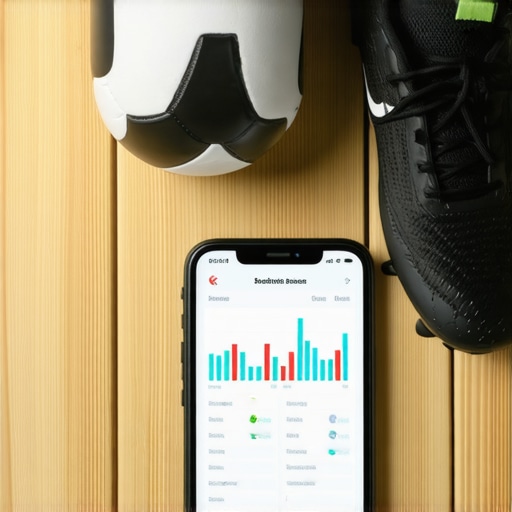
I personally use a dedicated secure cloud folder with a very specific naming convention: ‘YYYY-MM-DD_MemberName_DocumentType.’ When you search ‘2024 Tetanus,’ it pops up in two seconds. This level of organization is why I no longer panic when a coach asks for proof of eligibility at 8 PM on a Sunday. To take it a step further, I’ve started using personalized vaccination schedules for better disease prevention that are synced directly to my digital calendar. This way, the ‘maintenance’ happens in the background while I’m focusing on game-day snacks. If you haven’t started digitizing yet, you are working three times harder than you need to.
Is it possible to stay organized without feeling like a full-time medical clerk?
The short answer is yes, but it requires shifting from a reactive mindset to a proactive one. Maintenance isn’t about doing more work; it’s about doing the work at the right time. For example, I’ve found that combining vaccinations and lab testing strategies into a single ‘pre-season’ appointment saves us at least three extra trips to the clinic later in the year. According to the technical standards set by HL7 FHIR (Fast Healthcare Interoperability Resources), the future of healthcare is moving toward this exact kind of data portability, where your records follow you seamlessly between providers. By keeping your own digital logs now, you are essentially future-proofing your family’s health for the next decade of medical tech.
Why Your Smartwatch and Blood Work Are About to Become Best Friends
Looking ahead, I predict we are less than three years away from ‘Smart Dashboards’ that will automatically overlay your wearable data—like sleep quality and heart rate variability—with your actual blood work results. Imagine getting a notification that says, ‘Your iron levels are trending low, and your recovery scores have dropped 15%; time to check your labs.’ We are already seeing the beginning of this with telehealth innovations how virtual care is changing wellness in 639 am and beyond. When you start understanding the role of lab tests in preventive wellness as a data point rather than a scary medical event, you regain total control. My advanced tip for you this week: Don’t just wait for the school form to arrive. Call your provider via telehealth during the ‘off-season’ and request a proactive wellness panel to establish your child’s baseline while they are rested and healthy.
Real-World Lessons from the Sideline Paperwork Trenches
I’ve spent too many Saturdays in urgent care to not share the truth: the league deadline is your enemy, but data is your best friend. One major lightbulb moment for me was realizing that my child’s immunity wasn’t a guessing game that had to wait for a physical. By getting expert vaccination tips, I learned to schedule boosters during the off-season when my son wasn’t in the middle of high-stress exams. Also, don’t let common vaccinations myths fool you—even the most active, healthy kid needs their immunity levels monitored periodically to ensure they are truly protected against soil-borne pathogens. My favorite ‘pro move’ was shifting from reactive clinic visits to proactive audits, ensuring my kids were always game-ready.
The Toolkit Every Sports Parent Needs for a Saner Season
If you want to stop the madness, you need a reliable system that works while you sleep. I personally swear by these three resources to keep our family on track: First, utilize the essential lab tests you need for accurate vaccination planning to see what your child actually needs rather than just guessing based on old paperwork. Second, remember that wellness checks are your first step to better health, serving as the foundation for an injury-free season by identifying fatigue before it leads to a strain. Finally, see how telehealth transforms personal care by allowing you to update records and consult with doctors without the soul-crushing waiting room experience. These tools aren’t just convenient; they are your secret weapon for professional-grade family health management.
Your Kid Belongs on the Field Not in the Waiting Room
At the end of the day, all the spreadsheets and digital vaults serve one purpose: keeping your athlete safe while they do what they love. Taking the time to secure that tetanus booster and organize your records now means you won’t be the parent frantically calling the clinic twenty minutes before the bus leaves for the regional tournament. You have the tools, the technology, and the plan to make this season the smoothest one yet. If you have questions about specific league requirements or travel documentation, don’t hesitate to contact us for professional guidance. Have you ever had a coach tell you your child couldn’t play because of a missing form? Let me know how you handled it in the comments below!