
How to Use Telehealth for Fast Treatment of Common Eye Infections
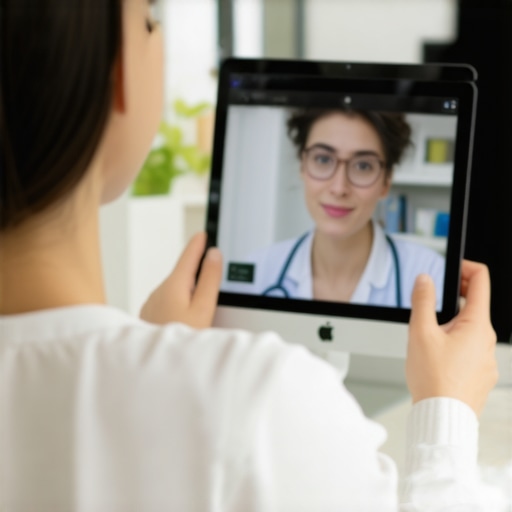
I remember the night vividly. My eyes were itchy, red, and burning like I had taken a sandstorm straight to my face. I knew I couldn’t ignore it; an eye infection was sneaking in, but I was exhausted and didn’t want to spend hours waiting in a crowded clinic. That’s when my lightbulb moment hit—what if I could get swift treatment without leaving my home? Since then, I’ve discovered how telehealth has revolutionized the way we handle common health annoyances, especially eye infections that can escalate if ignored. Today, I want to share with you how leveraging virtual care can save you time, reduce stress, and get you back to feeling better faster.
Why Rushing to the Clinic Isn’t Always the Best Choice
For many of us, physical visits to the doctor can be a hassle—long waits, busy schedules, and sometimes, the fear of catching other illnesses in the waiting room. But what if your illness is something that gets worse if you delay treatment? Eye infections are a prime example. They often seem minor initially but can lead to more serious issues like corneal damage or vision loss if not addressed promptly.
Here’s the thing: early intervention can be crucial, and you don’t always need to sit in a crowded waiting room. Telehealth platforms now allow us to consult with healthcare professionals from the comfort of our home—using just our smartphones or computers. These virtual visits enable quick assessments, advised treatments, and even prescriptions if necessary, often within the same day. This isn’t just about convenience; it can genuinely make the difference between a quick recovery and a complicated complication.
Is Telehealth Really Worth the Hype? Or Just a Fad?
I used to be skeptical. Early on, I made the mistake of dismissing virtual consultations as “not real doctor visits.” I thought, how could a remote assessment replace an in-person eye exam? Turns out, I was missing out on how far telehealth has come. Modern telemedicine platforms incorporate high-resolution image sharing and real-time video, making remote evaluations surprisingly thorough.
According to a 2023 study published in the Journal of Telemedicine and Telecare, over 60% of patients found virtual eye consultations to be just as effective as in-person visits for initial assessments of common infections. Still, I recommend a cautious approach—if your symptoms worsen or don’t improve quickly, don’t hesitate to seek in-person care. It’s all about knowing when to use telehealth as your first line of defense.
So, have you ever faced a sudden eye irritation and wondered whether it warranted a trip to the urgent care or a quick virtual check? If so, you’re not alone, and your experience could be the key to a faster, less stressful recovery.
Stay tuned, because next, I’ll walk you through the exact steps to get treated swiftly with telehealth and share tips to make your virtual consultations more effective.
Preparing for Your Virtual Consultation
To make the most of your telehealth visit, gather all relevant information beforehand. This includes a list of symptoms, any medications you’re taking, and questions you want answered. Just like assembling tools before starting a home repair, having everything ready ensures a smooth session. Remember, clarity over video depends on good lighting and a steady internet connection, so position your device appropriately and minimize background noise. An example from my experience: during my recent eye irritation, I kept a mirror close to describe my symptoms precisely, which helped the doctor assess the inflammation accurately, despite the lack of physical examination.
Utilizing Visuals and Symptom Sharing Effectively
High-resolution images can be game-changers during virtual assessments, especially for skin rashes or eye issues. Think of it as sending a detailed photo to a contractor instead of just describing a broken pipe—much clearer and faster. When your platform allows, take well-lit, focused photos from different angles. As I learned firsthand, embedding a clear image of my eyelid rash into the chat led the doctor to recommend immediate treatment, preventing potential complications. This illustrates how detailed visuals can accelerate diagnosis without the need for an in-person visit.
Leveraging Lab Tests for Better Care
Lab tests serve as an objective baseline, much like a report card for your health. They help detect hidden issues early and tailor treatment plans. For example, if you’re concerned about vitamin deficiencies affecting your immunity, you can order specific blood tests online, and some telehealth services facilitate home sample collection. To optimize vaccination and wellness strategies, consider scheduling targeted labs through reputable providers. Check out [this guide](https://vitalclinicmd.com/the-essential-lab-tests-you-need-for-accurate-vaccination-planning) to understand which tests suit your needs. Personally, I once ordered a ferritin test before my annual vaccination, revealing an iron deficiency that needed correction, thereby boosting my immune resilience.
Integrating Preventive Measures Wisely
Prevention starts with data. Regular wellness checks and lab tests can identify risks before symptoms manifest. Think of it as maintaining a car; routine inspections prevent breakdowns. Using telehealth platforms, you can schedule periodic checkups and consult with specialists without leaving home. For example, I used virtual visits to discuss ongoing fatigue, which prompted a series of lab tests that uncovered a thyroid imbalance. This proactive approach highlights how integrating lab testing and telehealth can transform your health from reactive to preventive.
Staying Informed and Proactive
Knowledge empowers your health decisions. Staying updated on vaccination schedules through digital records and understanding your lab results can prevent future illnesses. If you’re unsure about your vaccination history, digital tools make retrieval straightforward. Additionally, reviewing your lab tests periodically, such as understanding the role of specific markers, helps in early detection. For instance, reading about how lab tests can detect early kidney issues encouraged me to keep regular kidney function checks, avoiding costly complications later. Remember, combining these strategies creates a comprehensive shield for your well-being.
Many people assume that all telehealth platforms provide equal quality care, but this is a common misconception. The truth is, not every virtual consultation offers the same depth of assessment, especially when it comes to nuanced health conditions like autoimmune disorders or complex nutritional deficiencies. Often, patients overlook the limitations of remote evaluations, especially regarding physical examination nuances that can be critical for accurate diagnosis. This myth fosters a false sense of security, leading to delayed identification of serious issues. According to a comprehensive review in the Journal of Telemedicine and Telecare, platforms with integrated high-resolution imaging and real-time diagnostics significantly improve diagnostic accuracy, highlighting that the choice of technology can make or break the efficacy of telehealth.
Another widespread misconception revolves around vaccinations. Many believe that a standard vaccine schedule suffices for lifelong protection, but in reality, immunity wanes over time, necessitating personalized vaccination plans tailored to individual risk factors and environmental exposures. The misconception that “once vaccinated, always protected” can leave individuals vulnerable to preventable diseases. For instance, the CDC now recommends booster doses for vaccines like Tdap and shingles, especially for older adults or immunocompromised individuals. This underscores the importance of continuous monitoring through customized strategies, which are often overlooked by the general public.
In the realm of wellness, a common trap involves relying solely on annual physicals and basic labs as indicators of overall health. These routine checks often miss early signs of metabolic or inflammatory issues, especially subtle markers that require advanced lab testing. For example, markers like hs-CRP or fasting insulin levels can reveal inflammation or insulin resistance long before symptoms manifest, yet many wellness programs don’t include these vital tests routinely. This oversight can delay intervention, allowing chronic conditions to establish roots deeper before detection. Explore how personalized testing, designed around your unique biological markers, can revolutionize your health management in this detailed guide.
The
Smart Devices for Consistent Monitoring
Investing in reliable health tracking gadgets can streamline your wellness journey. I personally swear by the Oura Ring; its precise sleep and activity tracking helps me identify patterns that affect my immune health and energy levels. Its accuracy exceeds many traditional fitness devices because it uses advanced sensors to monitor heart rate, body temperature, and sleep stages related reading. Regular data from such devices can inform necessary lab tests, allowing you to fine-tune your wellness strategies over time.
How do I maintain my health tools over time?
Consistency comes from routine calibration and syncing these devices with your chosen health apps. Setting weekly reminders to review your data helps catch deviations early, ensuring your monitoring remains accurate and valuable.
Essential Software for Virtual Care and Data Management
Choosing the right apps dramatically enhances telehealth experiences. Personally, I rely on MyChart, which integrates seamlessly with most clinics and labs, offering instant access to test results and vaccination records. Its ability to compile your health data into a single interface minimizes the risk of overlooking important information and ensures a holistic view of your health learn more about lab integration.
Additionally, for managing labs ordered remotely, I use Healthie — it’s HIPAA-compliant and allows direct communication with my healthcare providers. This setup allows me to schedule tests, track results, and discuss concerns without multiple in-person visits or emails.
Future predictions for digital health tools
The integration of AI-driven analytics into these platforms is inevitable, promising proactive health alerts based on trends rather than reactive measures. Imagine receiving prompt notifications about vitamin D deficiencies based on your activity patterns or lab data, enabling you to act quickly.
Practical Tips for Sustaining Your Wellness System
To maintain your digital health ecosystem over the long term, it’s vital to keep software up-to-date, regularly review your data, and invest in quality hardware. Remember, an effective system hinges on accurate inputs; thus, calibrate your devices annually and replace batteries proactively. For instance, swapping out the sensors on your fitness tracker ensures ongoing reliability.
In tech, precision matters — as highlighted in a study on wearable device accuracy via PLOS One, small calibration errors can lead to misinterpretations, which might affect your health decisions.
I encourage you to try optimizing your tools today by calibrating your smart device or exploring new compatible health apps. Making these small adjustments can significantly boost the reliability of your health insights and lead to better long-term results.
When I Stopped Overcomplicating My Health
One of the biggest realizations came when I started trusting virtual consultations for minor issues like eye infections. It wasn’t about replacing in-person visits entirely but recognizing the value of timely, remote assessments that could prevent complications. This shift taught me that embracing telehealth means empowering yourself to act quickly without unnecessary stress or delays.
Why Personalized Data Beats One-Size-Fits-All
Getting routine labs and tracking my biomarkers revealed hidden health risks I never suspected—like early inflammation markers that signaled future issues. Personal health data, when interpreted correctly, offers insights that generic checkups often miss. This personalized approach has transformed my understanding of wellness from reactive to proactive.
The Pitfalls of Relying Solely on Memory or Guesswork
Initially, I underestimated how crucial detailed symptom sharing and visual evidence are during virtual visits. Sending clear images and having accurate records made diagnoses faster and more precise. It reminded me that being organized and meticulously documenting symptoms is a game-changer in managing health remotely.
Creating a Tech-Driven Wellness Routine
Investing in devices like sleep trackers and integrating them with health apps created a feedback loop that kept me accountable. Regularly reviewing this data, combined with targeted lab tests, built a comprehensive picture of my health. The key lesson? Consistency and calibration in digital health tools amplify their benefits significantly.
My Unexpected Revelation About Vaccination Planning
While learning about the importance of tailored vaccination schedules, I discovered that immunity can wane, making periodic updates essential. This knowledge prompted me to stay informed and consult my healthcare providers proactively, ensuring I remain protected against preventable diseases. It highlighted that staying engaged with your vaccination strategy is vital for lifelong wellness.
Where My Health Journey Continues
Moving forward, I see telehealth and lab testing not just as convenient options but as fundamental tools in personalized healthcare. They allow us to detect early warning signs, monitor ongoing conditions, and make informed decisions—all from the comfort of home. The biggest lesson? Your health data, combined with smart technology, puts you in the driver’s seat of your wellness journey.
Resources That Changed My Perspective
- Lab Tests for Precise Vaccination Planning — This resource helped me understand which specific tests can optimize my immune defense.
- The Importance of Regular Testing — Regular lab assessments have become my health compass, guiding preventive actions.
- Personalized Vaccination Schedules — Tailoring my vaccines based on my unique risks has made me more confident in my health plan.
- Understanding Lab Markers — Deep dives into biomarkers have empowered me to interpret my results accurately.
Your Next Step Toward Greater Wellness
Embracing telehealth, personalized testing, and smart health management isn’t just about convenience; it’s about taking control of your well-being. Small changes today can lead to a healthier, more resilient tomorrow. Are you ready to leverage technology for your health journey?
What’s one step you’re excited to try first—whether it’s booking a virtual consult, ordering a lab test, or syncing your wearable device? Share your plans below and inspire others to start their wellness upgrade!