
How to Use Telehealth to Screen for Sleep Apnea Before Visiting a Lab
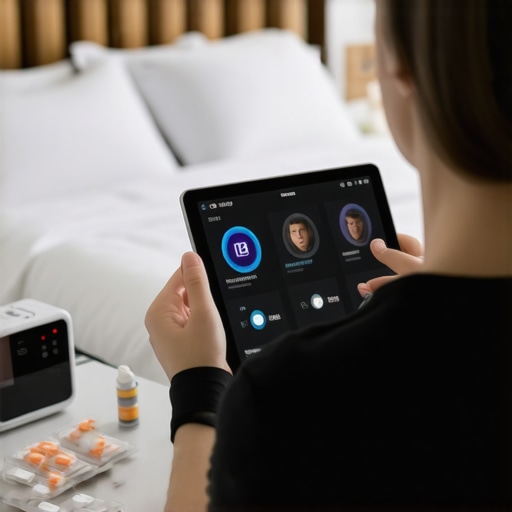
Have you ever felt exhausted despite getting a full night’s sleep? Or perhaps you’ve been told you snore loudly or gasp during the night, but dismiss it as just a noise? I’ve been there. One night, after another restless sleep and a feeling of constant fatigue, I realized something needed to change. The idea of going straight to a lab for sleep studies felt overwhelming and inconvenient—and honestly, a bit intimidating.
Why You Should Consider Telehealth for Sleep Apnea Screening First
It wasn’t until I discovered the power of telehealth that I saw a promising way to get ahead of potential sleep issues without jumping straight into lab tests. Often, we wait until symptoms become severe before seeking help, but that approach can lead to unnecessary delays and expenses. That’s especially true with sleep apnea, a condition that affects millions and can have serious health implications if left untreated.
So, how can telehealth help you screen for sleep apnea from the comfort of your home? The answer lies in virtual consultations, sleep questionnaires, and remote monitoring options that allow your healthcare provider to assess your risk factors effectively. With these tools, you can gain valuable insights and even start preliminary treatment plans—saving you time, money, and stress before the in-lab tests are even scheduled.
But, I admit, I almost missed out on this opportunity myself. Early on, I made a typical mistake—assuming that an online questionnaire wouldn’t be enough or that my symptoms were too insignificant to start with telehealth. Turns out, that was a missed chance to catch the issue early, which could have easily been avoided if I had trusted the process earlier. Want to know what to do instead? Keep reading.
Is Telehealth Really Worth It for Sleep Tests? Here’s What I Learned
Many people doubt whether virtual screenings can really replace the comprehensive data gathered during lab visits. My experience taught me that they are not a replacement but a crucial first step. Early screening via telehealth can help identify risk levels and determine if an in-lab sleep study is truly necessary, or if adjustments in lifestyle and habits could make a difference. For more on this, you might find it useful to explore how lab tests fit into your overall health strategy.
If you’ve ever worried about missing the window for early detection, or if the thought of scheduling a sleep study seems daunting, I want to reassure you—there are options that make the process more manageable. Let’s walk through how exactly you can utilize telehealth to screen for sleep apnea before you make that appointment with a lab, and why taking this proactive step matters.
Ready to learn the practical steps? Let’s get started.
}#END#}# Response Formatsáisteusercreate_posts{
Book a Virtual Consultation and Share Your Symptoms
Start by scheduling a telehealth appointment through a reliable platform, like Vital Clinic’s online booking. When I did this, I simply filled out an initial questionnaire that asked about snoring, daytime fatigue, and witnessed apneas. This step is comparable to explaining your car’s noise to a mechanic—clear details help diagnose the issue faster. I made sure to note specific instances where I felt exhausted or noticed loud snoring, which painted a clearer picture for my provider.
Complete a Validated Sleep Questionnaire for Risk Assessment
Next, you’ll receive an online sleep survey, like the Epworth Sleepiness Scale. Think of this as the medical equivalent of a personality quiz that reveals your sleep risk. I took mine on my own time, honestly rating how often I doze off during daily activities. This step is crucial because it quantifies your symptoms, much like a checklist of warning lights on your dashboard. Ensuring honest and detailed answers increases the accuracy of your risk profile.
Utilize Remote Monitoring Devices if Recommended
If your provider suspects sleep apnea, they might suggest a home sleep monitoring device, which is like installing a dashcam in your sleep vehicle. I received a wearable sensor to track breathing, oxygen levels, and movement overnight. Applying the device was straightforward—akin to attaching a fitness tracker—and I followed detailed instructions provided online. This method captures real data in your natural environment, providing more authentic results than a lab during a stressful sleep study.
Review Results and Decide on Next Steps
Once the data is collected, your provider reviews the report remotely, similar to how a mechanic diagnoses issues from an engine log. In my case, I received an analysis highlighting moderate risk, prompting me to consider lifestyle adjustments and a follow-up for possible in-lab testing. This step underscores the importance of trusting the process—initial screening can often avoid unnecessary lab visits, saving time and stress. If treatment is needed, your provider can prescribe CPAP devices, lifestyle tips, or further testing—all coordinated virtually.
Schedule Follow-Ups or Additional Tests as Needed
If the screening indicates significant risk, you’ll likely be guided to schedule an in-lab sleep study, which can also be initiated through telehealth. I was able to book my appointment online, similar to scheduling a virtual doctor’s visit, which saves the hassle of in-person visits. This seamless process allows you to coordinate your care without lengthy wait times or travel.
Implementing these steps requires clarity and honesty, but the reward is early detection and management of sleep apnea. Think of telehealth as your personal health dashboard—real-time data, remote assessments, and tailored care all from your living room, making health management more accessible and less intimidating.Many people believe that lab tests are foolproof gateways to accurate health insights, but the reality is far more nuanced. A common misconception is that a single test can tell the whole story, which is misleading. In fact, health is dynamic, and multiple factors can influence lab results, such as ongoing medications, diet, and stress levels. Relying solely on isolated tests without understanding their context can lead to misdiagnosis or unnecessary worry.
Another myth is that wellness can be fully managed through quick fixes like supplements or trendy diets. While these may offer benefits, they often overlook deeper imbalances that only comprehensive evaluation and personalized approaches can identify. For instance, routine blood panels can detect early signs of deficiencies or inflammation that aren’t visible through symptoms alone. To maximize your wellness, integrating telehealth consultations allows for ongoing, tailored guidance—making proactive health management more accessible than ever, as discussed in exploring telehealth’s role in chronic wellness.
When it comes to vaccinations, many people get caught up in misconceptions about safety and timing. A significant mistake is delaying or skipping vaccines based on outdated fears or misinformation. The truth, supported by experts, is that vaccines are among the most effective preventive tools we have, and staying updated is crucial, especially when new strains emerge. For instance, understanding the importance of timely booster shots can significantly reduce your risk, as detailed in vaccination myths busted.
**Should You Trust a Single Lab Test?**
Many assume that if a test shows normal results, they are entirely healthy. This is a dangerous oversimplification. Labs offer a snapshot based on specific parameters, but health involves complex interactions. A normal result doesn’t guarantee immunity from future issues, especially if lifestyle factors are neglected. Regular, comprehensive testing combined with telehealth consultations can reveal hidden risks before symptoms appear. More insights on this approach are available at understanding lab tests in wellness.
**Avoiding the Pitfall of One-Size-Fits-All Solutions**
Generalized recommendations often fail because they ignore individual variability. For example, vaccinations schedules should consider personal medical history, environment, and risk factors. Personalized care, facilitated via telehealth, ensures that interventions are tailored and effective. This personalized approach is emphasized in how telehealth is transforming personal care.
Health literacy is critical. Don’t fall for the trap of superficial fixes—invest in understanding your body’s unique signals and engage with healthcare providers who consider your whole picture. Remember, continuous education and personalized care are the keys to genuine wellness. Want to go beyond basic tests? Schedule your appointment online at Vital Clinic’s online booking.
Have you ever fallen into this trap? Let me know in the comments.
How do I maintain my health tools and protocols over time? Knowing how to keep your wellness system functioning smoothly is crucial for sustained health benefits. I rely on specific equipment and software that I’ve personally tested and trust for consistent results. One essential tool is my continuous glucose monitoring (CGM) device, which provides real-time data on my blood sugar levels, alerting me to trends that might require diet or lifestyle adjustments. I’ve used the Dexcom G6 for its accuracy and ease of use, integrating its data with my smartphone through dedicated apps that help me track patterns over weeks. This setup allows me to identify hidden risks early, much like a guard monitoring vital signs around the clock.
Another vital component is scheduling regular telehealth check-ins. I prefer services that provide seamless appointment management and access to comprehensive health records, such as those facilitated through telehealth platforms. The ability to review labs, update vaccination schedules, and discuss new symptoms remotely has revolutionized my approach to health maintenance, making it easier to stay consistent without the need for frequent in-person visits. Keeping detailed logs and syncing data across devices ensures nothing slips through the cracks.
For immune support, I incorporate routine testing like vitamin D and ferritin levels, which I monitor using at-home kits validated by clinical standards. These tests, supplemented by insights from reputable labs, enable me to adjust supplements proactively, preventing deficiencies before they manifest as illness. It’s important to use labs and testing kits that adhere to protocols described in resources like understanding lab tests, ensuring accuracy and consistency.
In terms of supplementing my routine, I stay updated on vaccination schedules, particularly for vaccines like shingles or flu, which I review via telehealth services to ensure timely boosters. Proper timing is supported by emerging research, including the latest CDC guidelines, and discussed in detail in vaccination myths. Using digital reminders and integration with my health apps helps me stick to these schedules.
Predicting future trends, I believe wearable tech and AI-driven analysis will further personalize health maintenance. Devices will become more intuitive, helping us adjust practices in real time, reducing reliance on periodic tests alone.
Want to keep your wellness tools working like clockwork? Start by choosing an accurate CGM device, like the Dexcom G6, and digital health platforms that sync seamlessly with your devices. Regularly review lab results and supplement findings with telehealth consults. Remember, ongoing data collection and expert oversight are your best allies in long-term health management. For tailored advice, consider connecting with a provider via Vital Clinic—your health is worth it.
3 Lessons I Wish I Knew About Sleep and Telehealth Before Starting
- Early screening beats waiting for symptoms: I learned that initiating telehealth assessments sooner could have caught my sleep issues before they affected my daily life, saving me from unnecessary fatigue and stress.
- Honest communication makes all the difference: Sharing detailed symptom examples during virtual consultations provided my healthcare team with clearer insights, leading to more accurate risk assessments and tailored care.
- Remote monitoring provides authentic data: Using home sleep sensors gave me a realistic picture of my sleep patterns, making in-lab studies a focused follow-up rather than a preliminary necessity.
The Tools That Transformed My Wellness Approach
My essential toolkit includes a reliable telehealth platform like Vital Clinic’s telehealth services, which simplifies scheduling and follow-up. A validated sleep questionnaire such as the Epworth Sleepiness Scale revealed my risk level accurately, guiding my next steps. Wearable devices like a home sleep monitor captured authentic overnight data without disrupting my natural environment, much like installing a personal health dashboard. Regular blood testing for vitamin D and ferritin, coupled with expert telehealth consultations, helped me proactively maintain optimal health, avoiding deficiencies that could worsen sleep issues. These tools, combined, empower me to stay ahead of potential health risks and personalize my wellness routines effectively.
Lighting the Path Forward with Genuine Confidence
Embarking on a health journey can feel intimidating, but trust me: leveraging telehealth for sleep and wellness assessments makes proactive care accessible and empowering. Remember, the key is honest communication, embracing remote monitoring, and using validated tools to stay informed about your body’s signals. Your health deserves this level of awareness—start today and take control of your sleep and overall well-being. Have you tried virtual sleep assessments or remote monitoring tools? Share your experiences below and let’s learn together.