
How to Use Telehealth to Screen Your Toddler’s Developmental Milestones
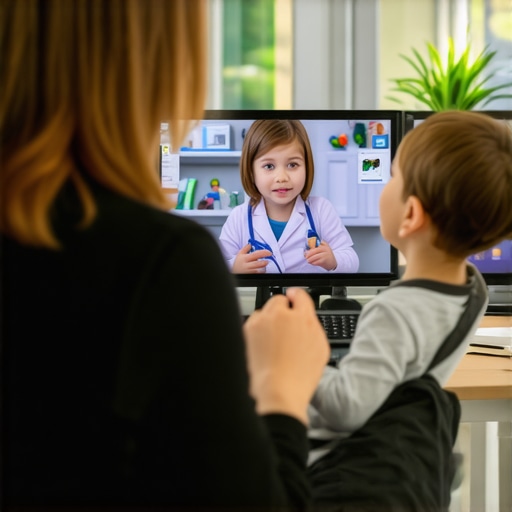
It was a typical Tuesday morning when I found myself frantically pacing the living room, trying to keep my toddler calm before her scheduled health check. Just moments earlier, she had had a minor bump during play, and I couldn’t shake the feeling that I missed something crucial in her development. It hit me: how well do I really understand her milestones, especially in this new era of virtual appointments? That lightbulb moment made me realize many parents grapple with similar concerns, feeling unsure whether their child’s growth is on track without the comfort of in-person visits.
The Shift to Telehealth: A Game-Changer for Parents
For us, the transition to telehealth wasn’t just about convenience; it was a lifeline. Traditional pediatric visits are valuable but can be limited by scheduling hurdles and, let’s face it, the nervousness that comes with in-office assessments. With telehealth, I found an easier way to stay actively involved in my child’s developmental screening. Plus, virtual visits often allow for more frequent check-ins, making it easier to spot potential delays early on. Have you ever wondered if telehealth can give you the same insights as an in-person appointment?
Is Telehealth Really Effective for Developmental Checks?
Early on, I made the mistake of thinking that nothing beats face-to-face interaction with a pediatrician. But I quickly learned that with the right tools and guidance, telehealth can be incredibly effective for screening milestones. According to experts, virtual assessments can include exercises and observations that provide reliable insights into a child’s progress. Moreover, technology breakthroughs now enable healthcare providers to guide parents through simple tasks that reveal developmental stages, right from home. But I know skepticism is natural—so let’s explore some common doubts parents have about this approach.
Start with a Clear Developmental Checklist
Before your child’s virtual appointment, note down specific milestones or concerns you’ve observed. Use a simple template to track behaviors, language skills, motor skills, and social interactions. During the telehealth session, share these notes with your provider to give a comprehensive picture. This proactive approach ensures no detail is overlooked and helps providers make informed assessments.
Prepare Your Child for the Virtual Checkup
Create a quiet, well-lit space with minimal distractions. Gather toys, books, or items that can demonstrate your child’s developmental abilities. For instance, to assess fine motor skills, ask your child to pick up small objects or draw. Practice simple instructions beforehand to ensure your child understands. This preparation makes the virtual exam more effective and less stressful.
Utilize Guided Observations to Assess Milestones
During the video session, follow your provider’s instructions for observing specific behaviors. For example, they might ask you to show how your child stacks blocks or follows commands. Think of it as a dance where you follow the teacher’s lead—your quick responses help the provider gauge progress accurately. Keep a camera at eye level to capture clear visuals, and record the session if needed for later review.
Connect with Lab Testing for Accurate Data
Sometimes, a physical lab test is necessary to complement virtual assessments. Schedule appointments at reputable labs or clinics that adhere to safety protocols. Prior to the test, fast or hydrate as instructed to ensure accuracy, much like preparing for a blood glucose test. Afterward, review the results with your healthcare provider, maybe through a follow-up telehealth visit, to interpret findings precisely. For understanding how lab tests fit into overall wellness, refer to [Understanding the Role of Lab Tests in Preventive Wellness](https://vitalclinicmd.com/understanding-the-role-of-lab-tests-in-preventive-wellness).
Leverage Technology for Continuous Monitoring
Use digital health tools and apps to log daily behaviors, activity levels, or nutrition. This ongoing data collection acts as a health diary, enabling your provider to detect trends or issues early. For example, tracking sleep patterns can reveal signs of developmental concerns. Think of it as keeping a health journal, where consistency and detail amplify the insights gained during periodic checkups. To explore more about telehealth benefits, visit [Exploring the Benefits of Telehealth in Managing Chronic Wellness](https://vitalclinicmd.com/exploring-the-benefits-of-telehealth-in-managing-chronic-wellness).
Stay Informed and Ask Strategic Questions
Prepare a list of questions about milestones, vaccination schedules, or concerns. During the virtual visit, do not hesitate to ask about next steps or necessary tests. Be specific: instead of asking, “Is my child developing normally?” inquire, “Are there signs I should watch for in the next three months?” This proactive questioning directs the conversation toward actionable outcomes and ensures you leave the appointment with clarity. For insights on vaccinations and preventive care, check [Maximize Your Health Combining Vaccinations and Lab Testing Strategies](https://vitalclinicmd.com/maximize-your-health-combining-vaccinations-and-lab-testing-strategies).When it comes to health, many assumptions still persist despite mounting evidence to the contrary. One common myth is that vaccinations are unnecessary beyond childhood or that natural immunity offers better protection—this couldn’t be farther from the truth. In reality, vaccinations are a continuously evolving science, tailored to combat emerging strains and prevent disease outbreaks. Relying solely on perceived natural immunity neglects the nuanced understanding that vaccinations are safe, effective, and crucial at all ages, as supported by ongoing research in immunology. For example, the CDC emphasizes the importance of maintaining up-to-date vaccines, including boosters, to protect vulnerable populations.
Another misconception revolves around lab tests. Many believe that a single blood test provides a complete health picture, but the process is far more complex. Advanced diagnostics, such as comprehensive panels, reveal hidden deficiencies and early markers of chronic conditions that basic tests often miss. Misinterpreting lab results without expert guidance can lead to unnecessary worry or complacency. To truly harness the power of lab testing, it’s essential to understand the specific markers you’re checking. For instance, measuring ferritin levels offers insight into iron stores that standard iron panels might overlook—this is crucial for diagnosing and managing energy deficiencies or thyroid issues.
In the realm of telehealth, a common pitfall is assuming virtual visits are inferior to in-person consultations. While skepticism is natural, emerging evidence suggests that telehealth can be highly effective, especially for managing chronic wellness issues. The key lies in utilizing guided observation and supplemental diagnostics properly. An advanced user might ask: “How do we ensure telehealth assessments accurately reflect physical nuances?” Research indicates that with high-quality video, detailed symptom tracking, and integrated lab data, virtual care can match traditional visits. However, avoiding over-reliance and recognizing the limits—such as the inability to perform physical examinations—are critical to prevent missed diagnoses.
In broader wellness strategies, people may overlook the significance of continuous monitoring and strategic testing. Wellness is often reduced to periodic checkups, but active lifestyle changes and data-driven decisions demand ongoing vigilance. Using connected health devices and tracking apps not only provides insight but also prevents surprises that could undermine your health goals. For example, regular monitoring of blood pressure and sleep patterns allows for timely adjustments before issues escalate.
A mistake frequently made is underestimating the importance of expert interpretation. An at-home test is just the start; understanding what the results mean in context is vital. This is why consulting with healthcare providers skilled in integrating lab data, vaccination history, and wellness metrics can transform raw numbers into meaningful insights. For example, aligning lab results with vaccine schedules enhances disease prevention strategies, as detailed in [maximizing health through coordinated testing and immunizations](https://vitalclinicmd.com/maximize-your-health-combining-vaccinations-and-lab-testing-strategies).
Don’t fall into the trap of believing everything you’ve heard or read online about health testing and care. The landscape is nuanced, and understanding the intricacies can be the difference between reactive and proactive wellness. Have you ever fallen into this trap? Let me know in the comments.
How do I maintain my health tools over time?
Consistency is key when it comes to health management. I personally rely on a combination of digital platforms like MyChart for tracking lab results and health history, along with specialized apps such as Fitbits or Apple Health to monitor activity and sleep. Regularly updating and reviewing data ensures that potential issues are caught early, and adjustments can be made promptly. For instance, syncing your wearable device weekly helps you stay aware of patterns and anomalies, which you can discuss during virtual consultations or lab appointments. As the trend shifts toward more integrated health ecosystems, investing in reliable, user-friendly tech becomes indispensable.
Why investing in quality tools pays off in wellness?
High-quality equipment and software not only provide more accurate data but also foster better engagement with your health journey. Personally, I prefer FDA-approved pulse oximeters for monitoring oxygen levels at home—these are inexpensive yet highly reliable and crucial for respiratory health, particularly during flu season or for chronic conditions. Moreover, choosing apps with robust encryption and privacy features, like the ones listed in our privacy policy, ensures your sensitive data remains secure. As telehealth continues to evolve, tools that seamlessly integrate with your provider’s systems enhance continuity and accuracy of care.
What is the future of wellness tools and long-term results?
Predictions suggest a move toward more personalized and AI-driven health monitoring, where devices not only track metrics but also interpret patterns and suggest actionable steps. Wearables with advanced sensors might soon detect early signs of metabolic issues or nutrient deficiencies, prompting timely lab tests or lifestyle changes. Embracing these innovations now—like using smart scales that automatically send data to your healthcare team—positions you advantageously. For comprehensive insights, exploring resources such as understanding the role of lab tests in preventive wellness can be enlightening.
Strategies for lasting health
Continuity relies on proactive maintenance. Scheduling regular wellness check-ins, utilizing telehealth for quick adjustments, and keeping detailed records of symptoms and habits help sustain progress. Additionally, periodically reviewing and calibrating your equipment is vital—like replacing worn-out batteries or ensuring app updates for optimal functionality. Incorporating these habits into your routine makes wellness tools an effective armory against future health uncertainties. For personalized advice on lab testing that complements your ongoing efforts, visit our contact page.
Build resilience with the right equipment and mindset
Long-term health is about resilience, and having the right set of tools can empower you to manage stress, illness, and recovery effectively. I recommend starting with a reliable blood pressure monitor, a digital thermometer, and a good sleep tracker. Regular use enables you to observe trends, prepare for doctor visits, and identify early warning signs. Remember, technology is an assistant, but your commitment and awareness create the real impact. Practice weekly data review sessions, and when in doubt, consult your healthcare provider for interpretation—for an example, check out the importance of regular lab tests. Try integrating one new tool today and see how it transforms your wellness routine.
3 Lessons That Transformed How I Approach Child Wellness
One of the toughest realizations was understanding that not all assessments need to be in person—telehealth has become a powerful ally in monitoring my child’s growth and milestones. I also learned that proactive preparation, like tracking developmental notes and asking informed questions, creates a partnership with my healthcare provider rather than just a visit. Lastly, I discovered that continuous monitoring with digital tools isn’t just about data—it’s about building an ongoing conversation with my child’s health journey, giving me peace of mind and early warnings when needed.
Tools That Changed How I Manage My Child’s Health
For seamless wellness, I rely on trusted digital platforms like our contact page for professional guidance, and I use special lab testing services such as comprehensive panels to get precise insights. My favorite health apps help me keep track of vaccines, milestones, and even sleep patterns, which are crucial for overall development. These tools empower me to stay engaged and proactive, rather than reactive, in my child’s health.
Embrace Your Power to Shape a Fitter Future
Remember, managing your child’s wellness doesn’t mean being perfect—it means being present. The choices you make today, from adopting new tracking tools to asking the right questions during telehealth visits, set the foundation for lifelong health. Be bold, stay curious, and know that every small step counts. Let this be your cue to take charge of your child’s health journey—because the future begins with your actions now.