
How to Use Virtual Physical Therapy for Your Lingering Back Pain
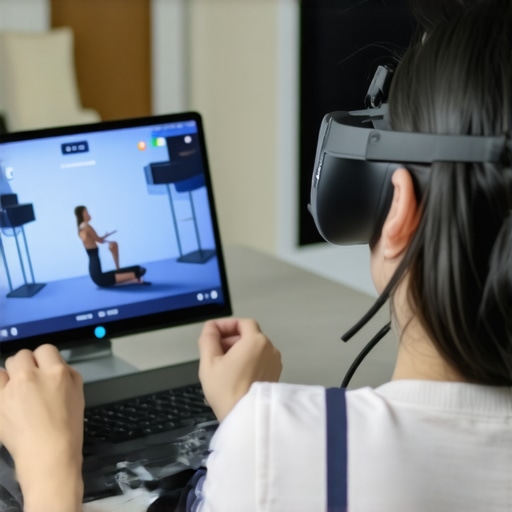
I remember sitting at my desk last month, knees aching and back stiff as a board, when it hit me—I had been ignoring this pain for too long. Despite countless attempts to stretch, meditate, and even visit clinics in person, nothing seemed to stick. The frustration was real, and I was ready to give up hope—until I stumbled upon a game-changer: virtual physical therapy. That lightbulb moment changed everything, and I knew I wasn’t alone in this struggle. If you’ve been battling lingering back pain and feel like traditional approaches aren’t cutting it, you’re probably searching for something smarter, more accessible, and — dare I say — more effective.
Why More People Are Turning to Virtual Physical Therapy for Back Relief
Chronic back pain is a sneaky adversary—it sneaks up on you gradually, saps your energy, and steals your joy. The worst part? Many of us are stuck in the misconception that the only solution is in-person visits, which can be time-consuming, costly, and often inconvenient. But recent advancements in telehealth and virtual physical therapy are proving that you don’t need to be physically in a clinic to get quality, personalized care. That’s right—your living room, or even your bathroom, can become your new therapy space. Studies show that virtual physical therapy can be just as effective as traditional methods for many patients, offering flexibility and comfort that traditional clinics simply can’t match. And with the ongoing COVID-19 pandemic, telehealth options have become a safer alternative, minimizing exposure while maximizing convenience. So, if you’ve faced the frustration of waiting weeks for an appointment or traveling across town just to see a specialist, it might be worth exploring this new frontier of care.
But here’s a question: does online physical therapy really work? Isn’t there some magic missing without a hands-on approach? To be honest, I made this mistake early on—thinking that without hands-on manipulation, the results wouldn’t be lasting. I was wrong. Recent clinical studies indicate that guided exercises and tailored plans delivered through virtual platforms can produce sustained improvements in back pain, especially when paired with professional feedback and accountability. If you’re skeptical, I totally get it. Things like personalized feedback, real-time video assessments, and targeted exercises are one click away, and they’re changing lives. Want to see how it works? We’ll cover the exact steps to get started soon, but first, let’s address those nagging doubts many have about virtual physical therapy.
Is Virtual Physical Therapy Actually Worth the Hype? The Honest Truth
Before diving into the how-to, I want to share a quick personal misstep. Early in my journey, I tried a generic online program without consulting a professional; I thought I could just follow videos on YouTube. Big mistake. Not only was the program ineffective, but I also risked worsening my condition. That’s when I realized the importance of expert guidance tailored to my specific needs. Don’t fall into the trap of DIY solutions when professional virtual therapy is just a click away. Trust me, navigating these initial hurdles properly can make all the difference. Curious about how to find reputable virtual physical therapy options? You might find these insights helpful: [exploring the benefits of telehealth in managing chronic wellness](https://vitalclinicmd.com/exploring-the-benefits-of-telehealth-in-managing-chronic-wellness) and [how virtual care revolutionizes personal health](https://vitalclinicmd.com/revolutionizing-wellness-how-telehealth-transforms-personal-care). Now, let’s explore how you can start on this effective, accessible path to relief.
Set Your Goals Clearly to Guide Your Virtual Sessions
When I first started my virtual therapy, I realized that having specific objectives made all the difference. Instead of vague intentions like “reduce back pain,” I targeted measurable goals such as “improve lumbar flexibility by 20 degrees” or “reduce pain intensity from 7/10 to 3/10.” To do this effectively, jot down your symptoms, limitations, and desired outcomes before each session. This clarity helps your online therapist customize exercises and monitor your progress. Think of it as GPS for your recovery—without the clarity, you might get lost in the wrong directions.
Choose Hardware and Quiet Space for Focused Engagement
Next, ensure your environment supports focused therapy. Use a device with a decent camera, like a smartphone or a laptop with HD recording, so your therapist can assess your movements accurately. Find a quiet, well-lit corner with enough space to stretch and perform exercises without interruptions. I learned this the hard way—trying to do stretches in a cluttered corner with poor lighting meant my therapist couldn’t see my form clearly, which delayed my progress. A simple upgrade in your setup can lead to a more effective session, just like upgrading equipment boosts performance in a sport.
Follow a Personalized Program Based on Professional Assessments
One mistake I made early on was following generic workout videos rather than a tailored plan. To avoid this, schedule an initial assessment with a licensed physical therapist through a virtual platform. During this session, they will evaluate your range of motion, muscle strength, and pain triggers. This is akin to getting a map before a journey—without it, you’re relying on guesswork. For example, I discovered that my lower back pain was exacerbated by weak core muscles, which I wouldn’t have known without a professional assessment. Afterward, they craft exercises specifically suited for your condition, increasing recovery chances.
Utilize Tracking Tools to Hold Yourself Accountable
Staying consistent is key. Use smartphone apps or wearables to log your daily activities, pain levels, and adherence to prescribed exercises. I set reminders to perform my stretches and recorded my pain scores after each session; this data was invaluable for my therapist to adjust my plan. It’s like having a personal coach watching over your progress—without paying for a gym membership. Regular tracking keeps you motivated and helps identify patterns, such as particular movements that cause discomfort.
Communicate Regularly and Seek Feedback Actively
Effective communication mirrors the hands-on guidance of in-person therapy. Don’t hesitate to ask your therapist to clarify instructions, demonstrate adjustments, or identify mistakes in real-time. Early on, I missed subtle cues that my form was off until I vocalized concerns. My therapist provided quick corrections via video, preventing further strain. Think of this as refining your technique in sports—continuous feedback accelerates mastery. If issues arise, scheduling quick chat sessions ensures you’re on the right track instead of reinforcing bad habits.
Leverage Educational Resources for Self-Management
Supplement your sessions with trusted online resources—like [Wellness Checks](https://vitalclinicmd.com/why-wellness-checks-are-your-first-step-to-better-health-at-945-am)—to understand your condition better. I found that learning about my specific back issues empowered me to perform exercises confidently and avoid reinjury. These resources act as tutorials, helping you internalize proper techniques and lifestyle adjustments that support your recovery outside scheduled sessions. Think of it as building muscle memory; the more you understand, the more effective your self-care becomes.
Adjust and Reassess Your Routine Periodically
Progress isn’t linear. I discovered this when my initial pain relief plateaued after a few weeks. By reviewing my tracking logs and discussing with my therapist, I adjusted my exercises—adding more stabilization routines and decreasing intensity temporarily. This dynamic approach, similar to tuning a musical instrument, ensures your therapy adapts to your evolving needs. Scheduling regular virtual check-ins, say every 4-6 weeks, helps keep your plan aligned with your recovery trajectory.
Finally, always prioritize your safety. If you experience new or worsening symptoms, consult with your healthcare provider immediately. Virtual physical therapy, backed by professional assessments and proper tools, can be a powerful avenue toward relief—but only if executed with precision and commitment.
Why the Common Belief About Lab Tests Might Be Flawed
Many assume that ordering a basic panel provides a complete health picture. However, this oversimplification overlooks the importance of specialized lab tests for tailored vaccination planning. Relying solely on generic tests can lead to missed indicators of hidden health risks, especially in preventive care. For example, measuring markers like vitamin D metabolites or specific inflammatory proteins can reveal vulnerabilities that standard panels miss. Think of it this way: a broad-spectrum approach is helpful, but without targeted insights, you’re navigating without a compass.
Is Your Wellness Routine Missing Critical Data
There’s a common myth that regular check-ups and a healthy lifestyle are enough. While they are vital, many overlook the significance of comprehensive assessments like deep lab analysis that can uncover underlying deficiencies or inflammation. For instance, high levels of C-reactive protein might suggest low-grade chronic inflammation, a major risk factor for cardiovascular disease. Failing to identify these nuances could mean the difference between proactive intervention and reactive treatment. Don’t fall into the trap of assuming that outward health equals internal wellness.
The Mistake Telehealth Often Causes
Many people think telehealth is just a convenient way to replace in-person visits without losing diagnostic accuracy. In reality, the success hinges on knowing what to ask for. Not all remote assessments are created equal. For example, targeted telehealth strategies leveraging lab testing and specialized remote monitoring can detect issues before symptoms arise. However, some practitioners rely solely on visual cues or patient history, risking missed diagnoses. An advanced nuance is the importance of lab tests that can be ordered remotely to complement virtual visits, ensuring that essential biomarkers are evaluated without the need for an in-person appointment. Remember, telehealth’s effectiveness is maximized when integrated with the right tests and tools.
Are Vaccinations Just Routine or a Smarter Strategy
A common misconception is that vaccinations are one-size-fits-all. In fact, personalized vaccination plans based on lab results and individual health status can drastically improve efficacy and safety. For example, measuring antibody titers before getting a booster can prevent unnecessary shots and optimize protection. Ignoring these nuances may lead to over- or under-vaccination, exposing individuals to unnecessary risks or gaps in immunity. As science advances, tailored approaches become essential for effective disease prevention. Do you know your unique immunization needs? If not, it might be time to ask your healthcare provider. Have you ever fallen into this trap? Let me know in the comments.
Maintaining your health and wellness over the long term requires more than just initial effort; it demands the right tools and consistent habits. Personally, I rely on a combination of advanced at-home diagnostic devices and smart digital platforms that keep my health on track. One of my favorites is the Everlywell Comprehensive Wellness Test. I use this quarterly to monitor vital markers like vitamin D, inflammatory proteins, and hormone levels. The process is straightforward: I order the kit online, collect my sample at home, and send it back for analysis. The results give me detailed insights, enabling me to adjust my supplements or lifestyle accordingly. This proactive approach ensures issues are caught early, before symptoms manifest.
On the digital side, I trust the telehealth platforms that leverage AI and real-time data. These tools facilitate continuous tracking of my vital signs, medication adherence, and sleep patterns. I particularly appreciate the integration with my wearable device, which syncs data effortlessly, offering a comprehensive picture that I regularly review with my healthcare provider. This ongoing monitoring is essential as trends can often be missed during occasional checkups. Predictive analytics embedded in these platforms forecast potential health risks, allowing for preemptive action—truly the future of personal health management.
For vaccination maintenance, I incorporate periodic antibody titers testing to determine my immunity levels. This is especially relevant now, considering the evolving landscape of infectious diseases. Tailoring my booster schedule based on actual antibody data, rather than generic timelines, helps me avoid unnecessary shots and enhances overall protection. Explore the lab tests that reveal your immune status to see how personalized assessments can refine your vaccination plans.
Looking ahead, the trend is shifting toward integrated health ecosystems—where lab results, wearable data, and telehealth consultations converge seamlessly. This synergy not only saves time but also maximizes accuracy in diagnoses and treatment plans. It’s exciting to think that soon, AI-driven algorithms might alert you to health concerns before you notice any symptoms, creating a truly anticipatory health model.
One effective tip for sustaining your wellness over time is to regularly review and interpret your lab results. Schedule a periodic check with a qualified provider to discuss your data—don’t just ignore the numbers. If you’re curious about implementing this strategy, start by ordering a comprehensive lab panel and set up a consultation to interpret the findings. This proactive stance is vital for long-term health that truly works for you.
Lessons That Changed How I Approach Lab Tests and Telehealth
One of my biggest revelations was realizing that not all lab tests are created equal; understanding which specific markers can truly guide my health journey was a game-changer. I once thought a simple vitamin D test was enough, but discovering the importance of inflammatory markers opened my eyes to deeper issues that silently affect my well-being.
Another lightbulb moment was recognizing how personalized vaccination and supplement strategies based on thorough lab analyses outperform generic advice. It became evident that proactive, tailored care not only prevents illness but also empowers you with knowledge, making health management less reactive and more strategic.
Lastly, integrating telehealth with at-home testing created a seamless health monitoring routine. Regular check-ins complemented by targeted lab work transformed my approach from occasional doctor visits to continuous, data-driven wellness mastery. These insights underscore the importance of curiosity and personalized data in navigating modern health effectively.
My Essential List for Personal Wellness Mastery
- Everlywell Comprehensive Wellness Test: I trust this for monthly insights into key biomarkers like vitamin D and inflammation—it’s straightforward and honest.
- Understanding Lab Tests: I recommend reading resources like the article on lab test interpretation. It empowered me to discuss results confidently with my provider.
- Telehealth Platforms with Remote Monitoring: Platforms that sync with wearables allow me to keep an eye on my vitals daily. Their real-time feedback keeps me proactive about my health decisions.
- Targeted Vaccination Strategy Guides: Prescriptions and booster schedules based on personalized lab results reduce unnecessary shots and optimize immunity—science-backed and personalized.
Take Charge of Your Health Today
The future of wellness is within your reach—smart, personalized, and data-driven. Don’t wait for symptoms to appear; leverage the modern tools and insights available, like lab testing and telehealth, to stay ahead. Your health isn’t just about avoiding illness—it’s about thriving every day with confidence and clarity. Now, I want to know: what small step will you take today to personalize your wellness journey? Share your plan below and let’s inspire each other to prioritize health with the tools that truly make a difference.