Imagine this: it’s a busy Monday morning, and you accidentally skip your usual blood sugar check because you were rushing out the door. Later in the day, you’re hit with unexpected fatigue and mood swings, wondering if your diabetes management plan is really working. I remember those mornings all too well—moments when technology could have been a game-changer but wasn’t quite there yet. That feeling of frustration, of helplessness, made me realize that managing Type 2 Diabetes in today’s world demands smarter tools.
The Promise of 2026’s Remote Monitoring Revolution
Here’s the honest truth: our health, especially with chronic conditions like diabetes, doesn’t wait. You need real-time insights, easy access to data, and seamless communication with healthcare providers. Luckily, the advancements coming in 2026 promise just that. Today, I want to share with you the top three remote monitoring tools that are transforming how we manage Type 2 Diabetes. Trust me, these aren’t just buzzwords—they’re practical, life-changing solutions that could make your wellness journey less stressful and more effective.
Is Remote Monitoring Overhyped? Here’s Why It’s Worth Your Attention
Early in my journey, I made a mistake many of us do—believing that monitoring tools were only necessary during doctor visits. That false assumption led to missed trends and delayed adjustments in my treatment. Learning that proactive management, with reliable technology, can prevent complications, was a turning point for me. According to recent research, continuous glucose monitoring can reduce the risks of severe hypoglycemia and hyperglycemia, leading to better overall control (source). So yes, this technology isn’t hype; it’s a critical step in personalized care.
If you’ve ever felt overwhelmed trying to keep track of your blood sugar levels manually, or worried about missing early signs of complications, you’re not alone. The good news is, these upcoming tools can help turn that chaos into clarity. Ready to see how they work? Stay with me, because we’re about to explore the specific devices that can redefine your wellness management for 2026 and beyond.
Set Up Your Digital Blood Sugar Guardrails
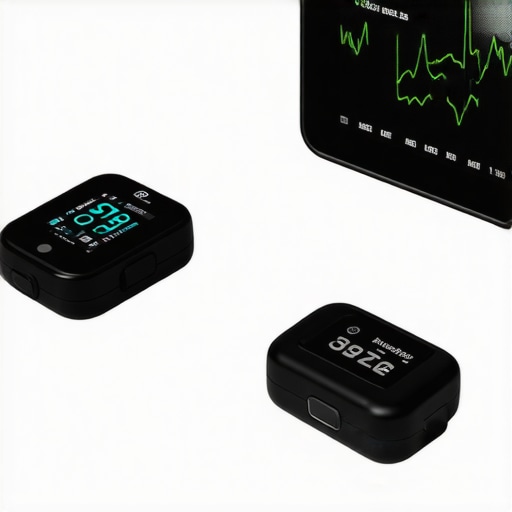
First, invest in a reliable continuous glucose monitor (CGM). Think of this device as your personal health radar, constantly transmitting blood sugar levels to your smartphone. When I first tried setting one up, I struggled with syncing issues and false alarms. To avoid this, follow the manufacturer’s instructions carefully, ensure your phone’s Bluetooth is active, and keep your firmware updated. Once connected, customize alert thresholds to match your health goals, turning your phone into a vigilant health sentinel 24/7. This proactive approach helps catch fluctuations early, preventing mishaps before they escalate.
Leverage Telehealth for Real-Time Insights
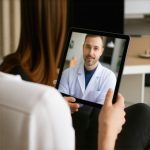
Next, arrange regular virtual check-ins with your healthcare provider. Unlike traditional appointments, telehealth enables you to share live data directly from your CGM or blood tests, facilitating swift adjustments. Imagine sending a video message with your latest readings and simultaneously discussing symptoms. During my visit, I used a secure portal linked to my lab results and device data; my provider provided immediate guidance on insulin adjustments. To maximize this, schedule recurring sessions and prepare your questions in advance. Remember, effective management hinges on timely communication, which telehealth makes effortless.
Integrate Lab Tests Strategically, Not Just Annually
Don’t wait for annual check-ups to assess critical markers. At home, select targeted tests that reveal hidden risks—like lipid profiles or markers of insulin resistance. For convenience, order these tests online through platforms that connect with your telehealth service. I once identified early signs of metabolic syndrome by requesting a specific lab panel, which led to lifestyle changes before full-blown illness took hold. Regular testing acts like a health GPS, guiding your journey and alerting you to issues before symptoms appear. To ensure you’re covering all bases, explore why regular lab testing is essential for personalized care.
Adopt Smart Data Management Techniques
Gathering data isn’t enough; you must interpret it effectively. Use apps that sync your device readings and lab results into a central dashboard. Think of this as your personal health cockpit, providing a real-time overview. I experienced a moment of panic when my glucose spikes seemed unlinked to diet, but consolidating data revealed late-night medication lapses. Analytic tools can spotlight patterns—such as between meals or sleep disturbances—allowing tailored management. Vary your data collection: track physical activity, stress levels, and sleep quality alongside blood sugar to get a comprehensive view, empowering proactive decisions.
Maintain Digital Security and Privacy
As you adopt more tech, securing your data becomes paramount. Always use encrypted apps and review privacy policies; for instance, I spent time understanding privacy policies to ensure my health info remained protected. Password-protect devices and enable two-factor authentication. This prevents unauthorized access and maintains trust in your health ecosystem. Remember, your health data is sensitive—treat it like a personal treasure, safeguarding it at every step.
Remaining Consistent and Informed
Finally, integrate these steps into a routine. Schedule weekly reviews of your tech dashboard, monthly lab tests, and quarterly virtual consultations. In my experience, maintaining discipline turned small tech habits into a powerful health management system. Stay informed about new developments by subscribing to trusted health blogs or platforms dedicated to telehealth insights. This proactive, tech-enabled approach ensures your management of Type 2 Diabetes is both responsive and adaptive, minimizing surprises and optimizing wellbeing.While many believe they fully understand telehealth, lab tests, and vaccinations, there’s often a hidden layer of nuances that most overlook, leading to costly mistakes. One common misconception is that digital health tools automatically improve health outcomes without proper understanding of their limitations. In reality, relying solely on technology without informed guidance can lead to false reassurance or overlooked risks, especially in preventive care. For example, some assume that lab tests are infallible indicators of health; however, tests can yield false negatives or positives if not interpreted correctly or if the timing isn’t ideal. This underscores the importance of understanding the context and limitations behind your data. Additionally, many think that telehealth consultations are just remote versions of in-person visits, but they actually require different communication skills and preparedness to maximize the benefits. Advanced users recognize the critical role of informed consent and data privacy; without careful attention, sensitive health information might be compromised, despite the convenience of virtual care. A significant trap is equating accessibility with quality, assuming that immediate online offerings are always comprehensive. Yet, without strategic selection of lab panels and vaccination schedules, efforts can fall short or even cause harm. For example, unnecessary or redundant tests can lead to anxiety, unnecessary treatments, or expenses. Research shows that targeted testing and personalized vaccination planning improve health efficiency and safety (source). Jumping into virtual health care without understanding these subtleties could be a missed opportunity—for both cost and health outcomes. As we advance into 2026, it’s crucial to recognize that digital health tools are only as valuable as the knowledge and discernment guiding their use. Are you aware of these nuances, or have you fallen prey to these common myths? Let me know in the comments.
How do I maintain my telehealth and monitoring tools for consistent results?
Maintaining the reliability of your health technology investments is crucial for long-term wellness management. First, always keep your devices like continuous glucose monitors (CGMs) and fitness trackers updated with the latest firmware. Manufacturers regularly release updates that fix bugs, enhance security, and improve accuracy. Schedule quarterly reviews to recalibrate sensors if your device allows; this keeps readings precise. I personally set reminders to check for firmware updates each month, ensuring my data remains trustworthy. Additionally, regularly test the compliance and accuracy of your tools by cross-referencing with lab results during routine check-ups. This practice detects any drift in device performance early, preventing mismanagement based on faulty data. Using a centralized app to synchronize and review data from multiple devices simplifies long-term monitoring, making it easier to spot trends or inconsistencies. Finally, invest in quality protective accessories, like carrying cases and screen protectors, to prevent accidental damage, which can compromise device functionality. Note that, as technology evolves, shifting towards integrated platforms that combine lab test results, vaccinations, and telehealth consults will streamline your health management further, creating a comprehensive wellness ecosystem. Exploring these integrated solutions can drastically reduce oversight and improve decision-making. Regular maintenance of your digital health tools is not just about device care—it’s about ensuring your health insights remain accurate and actionable, empowering proactive wellness decisions.
If you’re ready to enhance your long-term health tracking, start by scheduling a firmware check for your primary monitoring device today. This simple step can significantly boost your confidence in the data guiding your wellness journey.
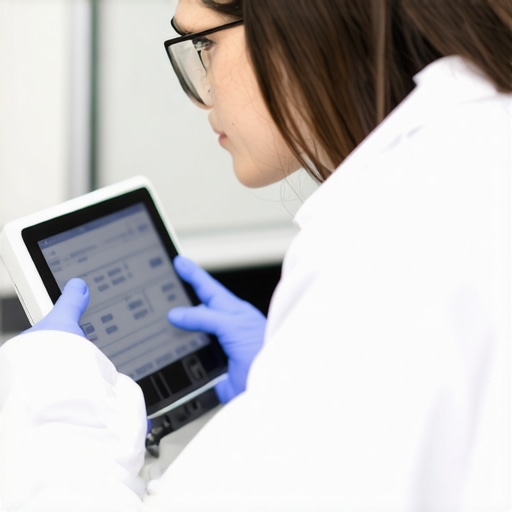
Imagine an expert calibrating a medical device in a sleek laboratory setting, emphasizing precision and care—this visual underscores the importance of consistent maintenance for reliable health data.
3 Surprising Lessons I Had to Learn the Hard Way
- Over-reliance on Technology Can Backfire: I once believed that having the latest CGM was enough, but neglecting proper calibration and understanding its limitations led to confusing readings. Real mastery comes when you marry device data with a foundational understanding of your health.
- Personalized Data Interpretation Is Crucial: Seeing patterns in my blood sugar trends was a game-changer, but only after I learned to interpret the data in context. Generic thresholds don’t cut it—your body is unique, and so should your management approach be.
- Proactive Engagement Outperforms Reactive Measures: Waiting for symptoms to act isn’t wise. Regular virtual check-ins and targeted lab tests helped me catch issues early, often before they manifested physically. Prevention is the true power of these emerging tools.
- Understanding the Nuances of Digital Privacy Keeps You Safe: As I embraced more digital tools, I realized that trusting only reputable platforms and reviewing privacy policies was essential to protect sensitive info. Your health data is personal—guard it diligently.
My Go-To Resources That Keep My Wellness on Track
- Regular lab testing insights: This site emphasizes strategic testing, helping me focus on the most impactful markers instead of wasting resources on irrelevant ones.
- Telehealth innovations: Staying updated with cutting-edge telehealth practices ensures I get timely advice without the hassle of in-person visits.
- Data security tips: Protecting my health information gives me peace of mind, knowing my data is safe from breaches.
- Fast lab results through trusted platforms: This resource helped me find reliable services that deliver results swiftly, enabling quicker decision-making.
Empowering You to Take Control of Your Health Journey
Remember, the future of diabetes management in 2026 isn’t just about gadgets—it’s about your proactive mindset, continuous learning, and strategic use of technology. Embrace these lessons, leverage trusted resources, and stay committed to your wellness. You’ve got this, and your health is worth every effort. Ready to turn these insights into action? Your proactive approach today can redefine your health tomorrow.
Which of these lessons resonated most with you? Have you experienced a recent breakthrough or challenge in managing your health with technology? Share your stories below—I’d love to hear how you’re navigating the digital wellness landscape!
!