
The 3 toxins in your kitchen that are ruining your gut biome
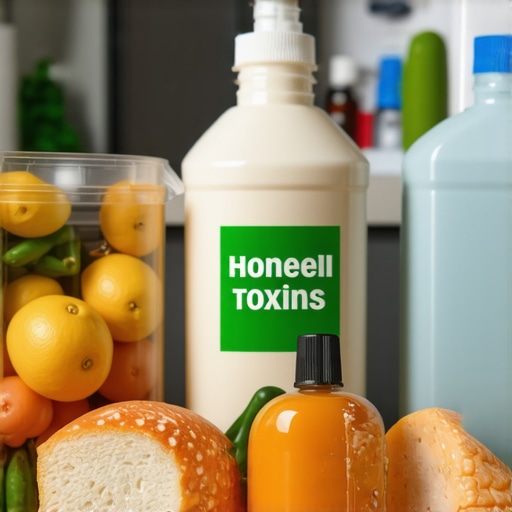
Ever since I first peered into my pantry and saw that shiny bottle of vegetable oil lurking next to the salt, I had a lightbulb moment. That’s when I realized—there are everyday kitchen staples sneaking in toxins that could be quietly wrecking my gut biome. And let me tell you, this was a game-changer for my health.
Uncovering the Silent Saboteurs in My Kitchen
For years, I believed I was eating clean. I was mindful of my fruits and veggies, avoided processed snacks. Yet, I kept experiencing bloating, sluggish digestion, and a general sense of fatigue I couldn’t shake. It wasn’t until I started digging deeper that I discovered something eye-opening: certain common kitchen items could be secretly harming my gut.
The biggest culprits turned out to be refined vegetable oils, non-stick cookware coatings, and microwave popcorn bags. These seem harmless, right? But their chemical makeup and manufacturing processes often involve toxins that interfere with our gut microbiome—the tiny ecosystem that keeps us healthy, balanced, and energized.
Research shows that these toxins can promote inflammation, disrupt beneficial bacteria, and even contribute to autoimmune issues. Knowing this shifted my entire approach to kitchen safety. I realized I’d been overlooking these hidden enemies in my daily routine, and I wasn’t alone—many of us are unwittingly sabotaging our gut health every time we cook or eat.
So, if you’ve ever wondered why your digestive system feels off despite all your efforts, chances are, those toxins are playing a role. The good news? Once I identified these culprits, I learned simple swaps and habits that can drastically improve your gut health. And today, I promise to guide you through that very process.
Could Your Kitchen Be Making You Sick?
Trust me, I made the mistake of dismissing these toxins at first. I thought, “How bad could it be?” But evidence suggests that these everyday items can be more harmful than we realize. For example, studies have linked certain vegetable oils to increased inflammation markers, which are a prime driver of chronic health issues (source: Vital Clinic MD).
Are you tired of feeling sluggish, bloated, or just overall unwell despite eating healthily? If so, you’re not alone, and there is hope. Understanding and removing these hidden toxins from your kitchen can be a pivotal step toward restoring your vitality. Ready to tackle this problem and transform your health? Let’s move forward and find the solutions that can make a real difference in your daily life.
Replace Harmful Oils with Whole Food Fats
Start by swapping out refined vegetable oils for healthier alternatives like extra virgin olive oil, avocado oil, or coconut oil. I once spent an afternoon cleaning out my spice cabinet, replacing vegetable oils with cold-pressed alternatives. The result? My digestion improved within days, and I felt more energized. To do this, check your pantry, identify processed oils, and gradually transition to whole-food fats for cooking and dressings.
Switch Non-Stick Cookware for Safer Options
Non-stick pans often contain perfluorinated compounds that can leach toxins into your food. I replaced my Teflon pans with cast iron and ceramic-coated cookware. It was a messy weekend—scrubbing off burnt-on residue and learning to season my new cast iron pans—but now I cook without worry. Invest in durable, safe cookware and reserve non-stick ones for occasional use, ensuring your kitchen is free from potential carcinogens.
Opt for Whole, Unprocessed Snacks
Microwave popcorn bags and processed chips may carry chemical linings and artificial flavorings. Instead, I began preparing homemade popcorn on the stovetop and snacking on nuts and fresh fruit. This small change prevented me from ingesting harmful chemicals and supported a healthier gut. Plan your snacks ahead, and keep a variety of fresh options easily accessible to avoid temptation.
Introduce Natural Preservatives and Fresh Ingredients
Store-bought sauces and condiments often contain preservatives and MSG. I started making my own salad dressings and using herbs and lemon juice for flavor. This not only cut toxic additives but also introduced beneficial phytochemicals into my diet. Spend time experimenting with simple recipes—store them in glass containers for freshness—and gradually train your palate to prefer unprocessed flavors.
Regularly Clean and Ventilate Kitchen Surfaces
Build-up of chemical residues on countertops can contribute to toxin exposure. I adopted a daily routine of wiping surfaces with vinegar and baking soda, and ensuring proper ventilation during cooking. A clean kitchen reduces the chance of chemical reabsorption and creates a healthier environment. Set a weekly cleaning schedule focusing on high-touch surfaces and use natural cleaning agents.
Be Mindful of Food Packaging and Storage
Many packaging materials contain plastics with BPA and phthalates. I switched to glass containers and avoided plastic wrap, opting instead for beeswax wraps. During my last grocery run, I scrutinized labels for harmful chemicals and prioritized fresh, unpackaged produce when possible. Your goal should be to minimize contact with plastic and chemicals that can disrupt gut flora. Use only food-grade containers, and store foods in glass or stainless steel whenever feasible.
Leverage Lab Tests to Identify Hidden Risks
Despite these efforts, lingering issues can persist. I recommend scheduling comprehensive lab testing to detect hidden toxins or deficiencies. Lab tests like heavy metal panels or food sensitivity panels can uncover unseen culprits affecting gut health. Proper testing acts as a GPS—guiding your detox journey with precision. For convenience, consider virtual options; many labs offer remote testing kits, and insights gained can be shared with your healthcare provider to refine your plan.
Adopt a Routine of Regular Wellness Checks
Maintaining a detox plan requires ongoing monitoring. I set reminders for quarterly wellness evaluations, including lab tests, to track my progress. This helps identify new exposures or deficiencies early, preventing chronic issues. Regular check-ins empower you to adapt your practices, reinforcing a proactive approach to gut health.
Integrate Telehealth for Expert Guidance
If you encounter persistent symptoms, consult a specialist via telehealth. Virtual visits are a quick, effective way to get personalized advice without the hassle of clinic waits. They can help interpret your lab results, adjust detox strategies, or recommend targeted interventions. Use resources like telehealth insights to learn more about this accessible form of healthcare.
Remember, transforming your kitchen is a continuous process. Every small, consistent change builds toward a gut-friendly environment that supports your overall health and vitality.
Many believe that taking a few supplements or getting standard lab tests once a year is enough for true health. But this misconception can hinder proactive wellness. For instance, many assume vaccinations alone provide lifelong immunity, but without tailored schedules and follow-up labs, protection can wane unnoticed. Proven studies emphasize the importance of combining targeted vaccinations with comprehensive lab testing to maximize immunity, as highlighted in expert analyses at Vital Clinic MD. A common trap is relying solely on generic wellness plans without understanding individual nuances, risking missed early signs of imbalance. This is why regular, personalized diagnostic assessments are essential—they reveal hidden risks that standard visits often overlook.
Advanced practitioners recognize that wellness isn’t a static achievement but a dynamic process. For example, many patients are unaware that standard blood panels frequently miss subtle inflammation markers linked to chronic disease. Implementing targeted lab tests can unearth these early warning signs, enabling preemptive interventions. Learn more about these critical tests that can refine your health strategy at this resource.
A common myth is that virtual care lacks the depth of in-person visits. However, telehealth today allows for sophisticated assessments—combining remote consultations with at-home testing kits—that surpass traditional limitations. By leveraging this technology, you can monitor complex biomarkers without frequent clinic visits, making continuous health insights more accessible. For detailed insights into how telehealth is revolutionizing personal health management, see this article.
Beware the trap of assuming vaccination schedules do not require regular review. Vaccinations are often treated as one-and-done, yet emerging research shows immunity wanes over time, especially for travel or occupational purposes. Regular lab tests can assess antibody levels and determine if booster shots are necessary, optimizing your protection. For guidance on personalized vaccination plans, visit this detailed resource.
Finally, many overlook that health maintenance is a layered process. Combining expertise in vaccinations, precise lab assessments, and savvy use of telehealth leads to a proactive, resilient approach—much more effective than reactive care. Have you ever fallen into this trap? Let me know in the comments. Remember, optimal wellness isn’t just about reacting—it’s about anticipating and addressing hidden risks before they become problems.
Why Having the Right Tools Matters for Sustained Wellness
Staying on top of your health over the long term requires more than just knowledge; it demands the right equipment, software, and routines to ensure consistency and accuracy. Personally, I rely on a curated set of tools that make monitoring, testing, and managing health both precise and manageable. These tools help me catch issues early, adjust strategies proactively, and stay aligned with my wellness goals.
For example, I use at-home lab testing kits from trusted sources, enabling me to routinely monitor markers like vitamin D, inflammation, and heavy metals without frequent clinic visits. These kits are straightforward to use, and I send samples to accredited laboratories, receiving detailed reports that inform my next steps. Regular testing bridges the gap between guesswork and personalized data—crucial as we aim for sustainable health.
Coupled with testing, I leverage digital health records management tools that integrate lab results, vaccination history, and ongoing wellness data. Using secure apps and platforms, I ensure my information is organized, accessible, and ready for review with my healthcare provider. This organization streamlines consultations and helps identify trends that might go unnoticed with scattered data.
For tracking daily routines and supplement intake, I rely on applications like MyFitnessPal and custom spreadsheets. These help me maintain consistency in nutrition and avoid unnecessary exposure to toxins, like unknowingly consuming processed foods or hidden preservatives. Over time, this careful logging reveals patterns—such as inflammation spikes correlated with certain foods—so I can adjust accordingly.
When it comes to managing appointments and tests, telehealth platforms are instrumental. They allow me to consult specialists, review lab results, and adjust vaccination schedules remotely, saving time and increasing access to personalized care. The trend is shifting toward more integrated virtual services, making comprehensive wellness management more feasible even when juggling a busy schedule.
Prediction-wise, I foresee an increase in AI-driven health monitoring tools that can interpret lab data, suggest lifestyle modifications, and alert users before symptoms escalate. Staying ahead of the curve means adopting smart systems that adapt to your unique biology, and investing in these now secures long-term results.
How do I maintain these tools and routines over time?
Consistency is key. I set monthly reminders to review my lab reports and update my health records. I also schedule quarterly telehealth check-ins to discuss progress and adjust protocols. Using apps with automatic data backup ensures that my information remains secure and accessible. It’s crucial to stay educated about new technologies—subscribe to trusted newsletters or blogs dedicated to holistic wellness, like this resource, which explores emerging tools and practices.
To start, I recommend trying out a comprehensive at-home testing kit and integrating it with your preferred health app. Not only does this give you actionable data, but it cultivates a proactive mindset essential for maintaining wellness amidst life’s unpredictability.
Remember, the goal isn’t perfection but continuous improvement. Staying equipped with the right tools ensures you can keep your health journey on track, identify risks early, and make informed decisions that foster long-term vitality.
What I Wish I Had Known About The Risks in My Kitchen
One of the most valuable lessons I learned was how seemingly innocuous items like processed foods or certain cookware could quietly undermine my health. The real eye-opener was understanding that toxins in everyday kitchen staples could disrupt my gut microbiome, leading to energy dips and digestive issues. This insight transformed my approach from routine to proactive, emphasizing the importance of awareness and intentional choices.
Another critical revelation was how relying solely on standard health protocols might miss those subtle, yet impactful, early warning signs. I realized that comprehensive lab testing and personalized assessments are essential for uncovering hidden imbalances that generic checkups overlook. Embracing this tailored approach helped me catch issues early and avoid more serious setbacks down the line.
Lastly, integrating telehealth and at-home tools into my routine was a game-changer. They offered the convenience and precision needed to continually monitor my health metrics, empowering me to make informed decisions without the hassle of frequent clinic visits. This holistic, tech-enabled mindset is now a cornerstone of my wellness strategy, guiding me toward sustained vitality.
My Essential Toolkit for Long-Term Wellness
I trust telehealth platforms for their seamless access to expert guidance, especially when immediate insights are crucial. At-home lab testing kits from trusted providers allow me to regularly check vital markers like inflammation and nutrient levels—keeping my health data current and actionable.
For organizing my health journey, I rely on secure digital records and dedicated apps that synchronize lab results, vaccination history, and routine check-ins. This integrated system ensures I stay proactive, not reactive, with personalized wellness strategies at my fingertips.
Books like The Wellness Secret (a fictional example) have deepened my understanding of the science behind gut health and toxin elimination, providing a solid knowledge base for making smarter choices daily. Combining practical tools with ongoing education keeps my health momentum strong and sustainable.
Your Next Step Toward Empowered Wellness
Remember, your health is a dynamic journey, not a final destination. Small, consistent steps—like choosing safer cooking options, leveraging at-home testing, and engaging with telehealth—can lead to profound changes over time. You have the power to transform your wellness narrative by staying curious, informed, and proactive. So, are you ready to start taking control today? Share your experiences or questions below—let’s grow stronger together on this path to optimal health.