
The Best Way to Discuss Difficult Topics with Your Teen via Telehealth
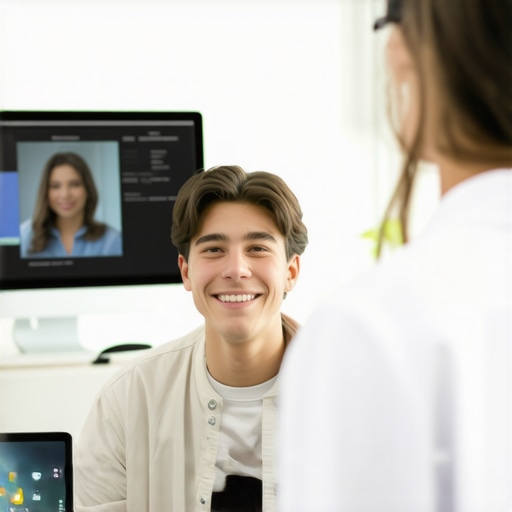
Ever felt that sinking sense of frustration when your teen stiffens up at the mention of a doctor visit? I remember those moments vividly—trying to bring up a health concern, and suddenly the room feels colder, the silence thicker. It’s as if an invisible wall goes up, making open dialogue seem impossible. One evening, after yet another failed attempt, I had a realization: the way I approached these conversations needed a serious makeover. That lightbulb moment became my catalyst for change, and it transformed how I connect with my teen about sensitive health topics.
Why Talking About Difficult Topics with Your Teen Through Telehealth Matters Now
In today’s fast-paced, digitally connected world, telehealth isn’t just a convenience; it’s a bridge to more honest, less intimidating conversations. Many parents, including myself initially, worry that virtual visits might lack the warmth of in-person talks. But what I discovered is that telehealth creates a safe space, especially for teens hesitant or overwhelmed by traditional clinical settings. When I started using telehealth platforms for discussing vaccinations, lab tests, and wellness concerns, I noticed a shift—my teen became more open, more willing to share, and less defensive.
Spotting early signs of health issues often hinges on honest dialogue. According to recent studies, teens are more likely to disclose sensitive health information during virtual visits, where they feel more in control and less judged. This means that embracing telehealth can actually help you catch potential problems sooner, before they become emergencies. Plus, with telehealth, you can access expert advice quickly, avoiding lengthy waits or difficult scheduling, making the entire process less stressful for everyone involved.
Have You Faced Resistance When Discussing Health Topics with Your Teen?
If your answer is yes, believe me, you’re not alone. I’ve been there, feeling helpless as my child shut down or brushed off my concerns. Early on, I made the mistake of pushing too hard—the classic mistake of trying to force a conversation instead of creating a safe space. That only caused more resistance. Instead, I learned that open-ended questions, gentle reassurance, and choosing the right moment are vital. Want to learn more about how to navigate these tricky waters? Check out how telehealth is revolutionizing personal wellness for some eye-opening insights.
This journey isn’t about perfect conversations—it’s about building trust, one step at a time. And with the right approach, telehealth can become your ally in making these dialogues more honest, less stressful, and ultimately more effective. Now, let’s dive into some practical strategies you can start using today to make these health talks smoother and more impactful.
Schedule the Right Moment for Conversation
Pick a calm, private time when neither of you is rushed or distracted. I once tried discussing vaccines during a busy morning, which led to more resistance from my teen. Instead, I waited for a relaxed evening, and the difference was night and day. The key is to find natural moments when your teen feels at ease, making it easier to introduce wellness topics without pressure.
Leverage Visual Aids to Clarify Complex Concepts
During a telehealth appointment, I used simple analogies to explain lab tests, like comparing blood work to checking the engine oil in a car—regular checks prevent breakdowns. Showing visual explanations through screen sharing or sending images ahead of time enhances understanding and engagement. For example, an illustration of how vaccinations work can ease fears and misconceptions.
Prepare Questions and Topics in Advance
Before the virtual visit, jot down specific concerns or questions. I prepared a list of questions about my teen’s recent lab results, referencing understanding lab tests for wellness. This proactive approach ensures nothing gets overlooked and empowers your teen to voice their worries confidently.
Share Background Information Transparently
Provide the healthcare provider with relevant health history beforehand, which can be done securely through the platform’s messaging system, respecting privacy policies like privacy policies. This background saves time, clarifies context, and helps the provider give tailored advice, especially when discussing chronic issues or recent concerns.
Use Telehealth to Demonstrate and Educate
A unique advantage of telehealth is demonstrating techniques—like showing your teen how to monitor their blood pressure. I once guided my daughter through using a home monitor, which built her confidence and self-reliance. Incorporate the provider’s tips by sharing photos or real-time demonstrations, making health management feel more accessible and less intimidating.
Follow Up with Actionable Steps
After the appointment, implement recommended actions—whether it’s scheduling vaccinations through vaccination strategies or booking lab tests via telehealth channels. Document these steps and keep your teen involved, turning medical guidance into a collaborative effort that fosters trust and responsibility.
 Many people assume that all vaccines are equally effective or that a single blood test can uncover all health issues, but these are oversimplifications that can lead to costly mistakes. For instance, the belief that “more vaccines mean better protection” ignores the importance of personalized vaccination schedules tailored to individual risks and history, which you can explore in personalized vaccination planning. Misunderstanding this can result in unnecessary vaccinations or missed doses that leave you vulnerable.
Another common myth is that lab tests provide instant health clarity. In reality, interpreting lab results requires context—values can seem alarming without understanding their significance or the impact of variables like diet, stress, or medication. Over-relying on a single test without discussing results with an expert can lead to misdiagnosis. Reading this guide helps you understand the nuances behind lab markers.
Furthermore, many think telehealth is a second-best option compared to in-person visits. However, virtual consultations often allow for more candid communication, especially with teens hesitant in clinics. The key is recognizing telehealth’s potential for facilitating ongoing monitoring, quick follow-ups, and even visual demonstrations—like showing your teen how to check their blood pressure. Be cautious of the trap of thinking telehealth is only suitable for minor issues; as research suggests, it’s equally effective for many preventive care strategies, evidenced in studies like telehealth’s effectiveness.
Keeping Your Wellness Efforts on Track with the Right Tools
Staying consistent with health checks, vaccinations, or lab tests requires reliable tools tailored to your lifestyle. I personally rely on a combination of wearable tech, secure health platforms, and scheduled reminders to keep my wellness routine effective. For example, I use a smartwatch with heart rate and activity tracking features that sync seamlessly with my health app, allowing me to monitor fluctuations in real-time and share accurate data during telehealth consultations. This continuous feedback loop helps me spot early signs of health issues and adjust my habits proactively.
Why I Switched to Digital Lab Monitoring Devices
Traditional lab visits can be inconvenient, especially for ongoing monitoring. I recommend investing in certified digital blood pressure monitors and glucose meters that connect directly to smartphone apps. These devices, like the Omron Platinum Bluetooth Blood Pressure Monitor, provide instant readings that are stored securely and shared effortlessly with your provider. This setup minimizes delays and ensures your data is always up-to-date for review during virtual appointments. For comprehensive insights, I also recommend reviewing understanding the role of lab tests in preventive wellness.
Scheduled Maintenance as a Long-Term Strategy
Consistency is key; therefore, I set recurring reminders for routine wellness activities. Using calendar apps integrated with health platforms ensures I never forget annual vaccinations or lab tests. I also automate medication refills and appointment bookings through telehealth portals, which reduces friction and keeps my health on track. It’s vital to review these tools periodically to make sure they evolve with your needs and technological updates.
The Future of Wellness Maintenance
Predictive analytics and AI-driven health monitoring are on the horizon, promising even more personalized maintenance plans. Imagine devices that warn you of potential deficiencies or emerging risks days before symptoms appear—this proactive approach could redefine health management. Embracing these innovations now can prepare you for a future where wellness is seamlessly integrated into daily life. As the trend advances, regular use of sophisticated tracking tools combined with telehealth consultations will become the norm for proactive, long-term health maintenance.
How do I keep my wellness routine sustainable over time?
Maintaining your health checks and wellness activities relies heavily on the consistency of your tools and methods. Regularly updating your apps, calibrating your devices, and reviewing your health data ensures accuracy and relevance. Creating a routine that fits your lifestyle—like morning notifications or weekly check-ins—helps embed these habits into your daily life. Additionally, leveraging telehealth for ongoing support ensures you receive expert guidance whenever needed, reinforcing your commitment to long-term wellness.
For example, I found that integrating a comprehensive health platform that syncs laboratory results, vaccination reminders, and personalized advice simplifies my routine significantly. This consolidation saves time, reduces stress, and makes maintaining a healthy lifestyle more manageable. Ready to take your health management to the next level? Try setting up a system where your wearable tech automatically shares data with your healthcare provider, ensuring continuous oversight without extra effort.
Lessons I Wish I Learned Sooner About Telehealth and Vaccinations
One of the most eye-opening realizations I had was realizing that comprehensive health insights often lie beneath the surface, hidden within detailed lab results and personalized vaccination schedules. The importance of understanding that not all lab markers are straightforward, and that personalized approaches outperform generic advice, truly transformed my wellness journey. I also discovered that maintaining open communication with my teen, combined with the strategic use of telehealth, creates a safer space for honest conversations about health issues—something I wish I had embraced earlier. Lastly, I learned that consistency in digital health tools and staying proactive with screenings and booster shots can prevent minor issues from escalating into serious health concerns—emphasizing the adage that an ounce of prevention is worth a pound of cure.