
The Best Way to Track Chronic Inflammation Without a Doctor’s Order
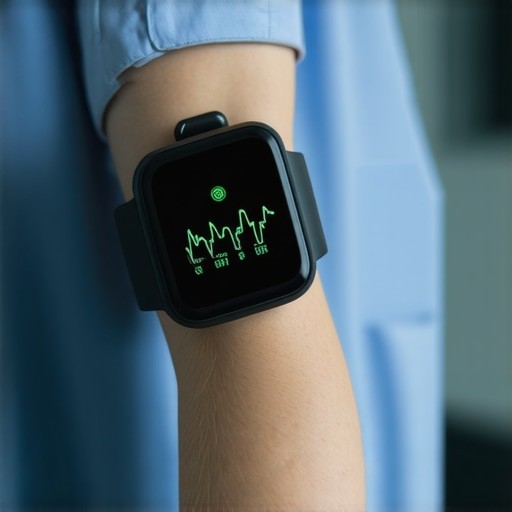
It was one of those days I’ll never forget. I was reaching for my coffee, feeling that familiar, nagging ache in my joints, and suddenly thought, *Is this just aging, or is something more serious brewing underneath?* That moment of uncertainty hit me hard—how do I actually know what’s going on inside my body without endless trips to the doctor? If you’ve ever felt trapped by your health worries but frustrated by the barriers of appointments and lab tests, you’re not alone. Many of us want to take control but don’t know where to start, especially when it comes to tracking something as sneaky as chronic inflammation.
Why We Struggle to Keep Tabs on Hidden Inflammation
Chronic inflammation is often called the silent culprit. It’s the underlying factor behind weight gain, fatigue, and even autoimmune issues—yet it’s notoriously difficult to detect on your own. Most traditional tests happen inside a clinic, and getting those results can be slow and inconvenient. Plus, relying solely on symptoms can be misleading; your body might be silently battling inflammation without obvious signs.
The good news is that there are ways to monitor inflammation more proactively, without waiting for a drastic health crisis or a scheduled doctor visit. Personally, I discovered that certain lab markers accessible through virtual care platforms can give real-time insights into my body’s inflammation levels. This approach isn’t just convenient—it’s empowering. It lets you see the bigger picture and make targeted lifestyle changes early.
If you’re curious whether self-tracking inflammation could fit into your wellness routine, you might wonder, *Is this actually effective?* Well, let me share a quick mistake I made early on. I thought watching my diet and exercise was enough. But I ignored the importance of regular testing to confirm my body was responding. It’s easy to overlook this step, but without objective data, it’s like flying blind.
For a clearer understanding of how lab tests can illuminate your health, check out [this insightful article](https://vitalclinicmd.com/understanding-the-role-of-lab-tests-in-preventive-wellness). Knowing which markers to look for, such as CRP or ESR, can be a game-changer in assessing inflammation levels and adjusting your habits accordingly.
So, how can you start tracking your inflammation today? That’s what we’ll explore next—simple, practical steps that put you back in the driver’s seat of your wellness journey.
Identify Key Lab Tests to Monitor Inflammation
Start by understanding which blood markers effectively indicate inflammation. Common tests include C-reactive protein (CRP), erythrocyte sedimentation rate (ESR), and high-sensitivity CRP. These are often available through telehealth services, enabling you to order tests easily without visitng a clinic. My experience with a virtual care platform allowed me to select the right panels tailored to my health concerns, saving time and providing clear data to act on. To understand how these tests fit into your wellness plan, check out this guide.
Arrange for At-Home Blood Testing
Once you know which markers to track, schedule a lab appointment. Many labs now offer at-home sample collection kits, which you can order online. When I did this, I received my kit in the mail with straightforward instructions. The process was as simple as pricking my finger and mailing the sample back. This step is vital because consistent testing creates a timeline of your inflammation levels, revealing how lifestyle changes impact your health. Use the lab result speed tip to ensure rapid feedback.
Leverage Telehealth for Result Interpretation
After receiving your results, don’t guess what they mean. Virtual care platforms connect you with healthcare professionals who can interpret lab data in context. During my telehealth consultation, my provider explained that mild elevations in CRP required specific dietary tweaks, rather than unnecessary medication. This method empowers you with knowledge, helping you make precise adjustments such as anti-inflammatory diets, stress management, or exercise routines. Learn more about how telehealth is revolutionizing health management at telehealth’s role.
Adjust Lifestyle Based on Data
Data without action is pointless. With insights from testing, implement targeted lifestyle changes. For inflammation, this might mean adopting an anti-inflammatory diet rich in vegetables, omega-3 fatty acids, and reducing processed foods. Incorporate regular physical activity, prioritize sleep, and manage stress through mindfulness. For example, I replaced evening TV time with meditation, which led to a notable decrease in my CRP levels over a few months. Tracking progress through repeat testing helps confirm whether your efforts are effective, giving you confidence to continue or adjust your strategies. See this article for more on making lifestyle changes based on lab data.
Set Up Ongoing Monitoring for Long-Term Benefits
Chronic inflammation can fluctuate, so maintain regular testing intervals—every three to six months—to stay informed. This routine acts like a financial dashboard but for your health, alerting you to early signs of trouble before symptoms appear or conditions worsen. Keeping a health journal to track your results and lifestyle adjustments ensures accountability. When I scheduled quarterly check-ins through my virtual provider, I could see patterns and catch issues early, avoiding more severe health problems down the line.
By integrating these steps—targeted testing, at-home sample collection, professional result interpretation, lifestyle adjustments, and ongoing monitoring—you put yourself in the driver’s seat of your health journey. This proactive approach demystifies wellness and turns reactive health management into a strategic and empowering process.
Many people assume that modern healthcare tools like telehealth, lab testing, and vaccinations are straightforward solutions always delivering clear benefits. However, beneath the surface, there are nuances and myths that can lead to costly mistakes. One widespread misconception is the belief that virtual care can fully replace in-person visits without any compromise. While telehealth offers unparalleled convenience and access—as shown in recent telehealth innovations—it isn’t always suitable for complex diagnostic needs or emergency situations. Relying solely on telehealth can mask the importance of physical examinations, which might miss subtle signs that advanced lab tests could reveal.
Another myth worth busting involves lab testing. Many assume that a single test provides a complete picture of their health. In reality, most comprehensive wellness assessments require a panel of tests, sometimes over multiple time points, to capture nuanced health states. A common mistake is to interpret a normal result as the absence of illness, ignoring underlying conditions that might require further investigation. This is why understanding the role of lab tests in preventive wellness is critical—tests are one part of an ongoing health dialogue, not a one-and-done solution.
Regarding vaccinations, there’s a dangerous misconception that booster shots are optional or unnecessary once you’ve been vaccinated. In fact, immunity can wane over time, and missing routine boosters increases vulnerability. Experts stress that maintaining an up-to-date vaccine schedule is essential—especially in light of evolving pathogens—as highlighted in vaccination myths busted. Additionally, many underestimate the importance of data-driven vaccine planning. Combining lab tests and medical history offers a personalized approach that maximizes efficacy, as discussed here.
Wellness is often thought of as a matter of lifestyle choices alone. But a hidden nuance is that without the right knowledge—gained through data—you might be optimizing in the wrong direction. For instance, you might believe that increasing exercise will always improve health, yet ignoring nutrient deficiencies or hormonal imbalances identified via specialized tests could undermine those efforts. The mistake lies in assuming general advice applies equally to everyone. Precision wellness, which integrates insights from tailored lab results, is the real game-changer.
Finally, beware of the trap of overconfidence in technology. Automated health apps and wearable devices can provide data, but they often lack the contextual interpretation that experts provide. Relying solely on these without consulting healthcare professionals—particularly when they recommend costly or invasive procedures—can lead to over-testing or unnecessary anxiety. Learn more about this balance in comprehensive lab understanding.
In summary, the key to navigating modern wellness tools effectively hinges on understanding their limitations and nuances. Don’t fall into the trap of thinking more technology always means better health. Instead, combine data, professional insight, and personalized strategies for real results. Have you ever fallen into this trap? Let me know in the comments.Maintaining your health journey over time requires reliable, precise tools that empower informed decisions and seamless tracking. One of my top recommendations is using home blood testing kits from reputable virtual care platforms, which allow you to monitor key inflammation markers like CRP and ESR regularly. I’ve personally found that scheduling quarterly lab tests through at-home collection kits simplifies consistent monitoring and helps catch subtle health shifts early. For example, my experience with kits that come with clear instructions and quick turnaround times—enhanced by tips from this resource—has been a game-changer in keeping inflammation levels in check. Predictably, these data points tie into my holistic wellness plan, informing diet adjustments and lifestyle tweaks. As telehealth continues to evolve, the integration of these tools into a cohesive health management system is where I see the future heading, making proactive care more accessible and personalized. Incorporating periodic virtual consultations ensures expert interpretation of lab results, translating data into actionable steps without the need for frequent in-person visits, as discussed in this article. To stay consistent, I set reminders for my testing schedule and update my health journal with each result, observing trends that help me fine-tune my habits — an approach grounded in the insights from this blog. Looking forward, advancements like wearable biosensors integrated with AI analytics promise even more granular, real-time health insights, potentially transforming the landscape of wellness maintenance. For now, I encourage you to try a comprehensive at-home test panel to baseline your inflammation markers—it’s an empowering step toward long-term health.
What No One Tells You About Digital Wellness Tools
One of the most eye-opening lessons I learned was that technology alone isn’t the magic bullet. Relying solely on wearable devices or health apps without expert interpretation can lead to misunderstanding your health data. I once obsessed over my sleep tracker readings, but it was only after consulting a professional that I realized I had a hormonal imbalance affecting my rest—something a simple device couldn’t detect. This taught me that combining data with professional insights is essential for true progress.
Another misconception I uncovered was that more frequent testing always equates to better health knowledge. Initially, I believed quarterly labs were enough; however, I found that more targeted, strategic testing—aligned with specific symptoms and lifestyle factors—yields more meaningful results. This insight comes from understanding that wellness is a nuanced puzzle, best approached with tailored data rather than generic checkups.
Furthermore, I discovered that comprehensive lab assessments are far more informative than isolated tests. For instance, tracking inflammation markers like CRP or ESR over time has helped me pinpoint triggers and measure the impact of dietary changes. It’s a reminder that ongoing monitoring can reveal trends invisible to the naked eye, empowering you to make proactive adjustments.
My Tried-and-True Arsenal for Better Wellness
- At-Home Blood Testing Kits: These kits revolutionized my approach to monitoring inflammation and nutrient levels. Trusted providers offer easy samples collection that I can do on my schedule, with quick results. They’re the foundation of a data-driven wellness strategy.
- Virtual Care Platforms: Connecting with health professionals online has been a game changer. They help interpret my lab results within the bigger picture of my health, guiding targeted lifestyle modifications without the hassle of in-office visits.
- Educational Resources and Guides: I rely on reputable articles that demystify complex health topics, like understanding the nuance of lab markers or vaccine schedules. Such knowledge prevents me from being misled by myths and empowers me to make informed decisions.
- Health Journals and Tracking Apps: Keeping a detailed log of symptoms, lab results, and lifestyle changes allows me to spot patterns and measure progress. It’s an act of accountability that keeps me motivated and informed.
Your Next Step Is Within Reach
Remember, taking proactive steps in your wellness journey doesn’t require perfection—just a willingness to learn and adapt. By integrating smart testing, expert interpretation, and personalized lifestyle tweaks, you can uncover hidden health insights and craft a resilient, energized version of yourself. This approach transforms wellness from reactive to strategic, giving you control over your future. Are you ready to start using data more effectively and unlock the benefits of tailored health monitoring? Share your thoughts below and let’s inspire each other to embrace better wellness practices.