
The best way to track your blood pressure without daily clinic visits
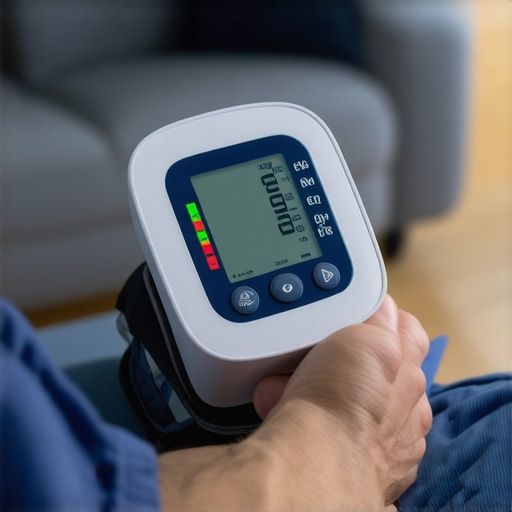
I remember standing in my bathroom one morning, trying to decide if it was worth dragging myself to the clinic for yet another blood pressure check. The cuff pinched painfully, the cuff inflatable sounds were unnerving, and the wait—well, it always felt too long, especially when I was already juggling work, errands, and life. That lightbulb moment hit me hard: why should health monitoring be confined to the clinic?
Your New Way to Track Blood Pressure at Home
Living with hypertension or just wanting to keep an eye on your blood pressure doesn’t have to mean endless clinic visits. The good news? Today, I want to share how you can effortlessly monitor your blood pressure right from your living room, with technology that fits into your busy schedule. Not only does this approach save you time, but it also provides more consistent data—giving you a clearer picture of your health over days and weeks.
Is Home Blood Pressure Monitoring Really Reliable?
Initially, I was skeptical. I worried about the accuracy of portable devices and wondered if I’d be better off sticking to in-office readings. Early on, I made the mistake of relying on an old, unused cuff that sat in my drawer, assuming it was enough. Turns out, many over-the-counter blood pressure monitors can vary widely in precision if not properly calibrated. According to recent research, validating your cuff with a professional device is crucial to ensure meaningful results (source). So, investing in a reputable, FDA-approved monitor, and learning how to use it correctly, was a game-changer.
Have you ever felt frustrated by unreliable readings, or did you avoid monitoring because of the hassle? If so, you’re not alone—and the good news is, there are practical, easy-to-use options that bridge the gap between the doctor’s office and your home.
Now, let’s explore how you can get started with your own reliable blood pressure tracking system. Trust me, taking this step isn’t just about numbers; it’s about empowering yourself to manage your health proactively and comfortably.
Step 1: Choose the Right Blood Pressure Monitor
Start by selecting an FDA-approved device from a reputable brand. Personally, I visited a local pharmacy, examined different models, and chose one with good reviews and calibration features. I remember the initial confusion—samples, sizes, digital vs. analog—but taking the time to research paid off with reliable readings. A proper monitor ensures your health data is accurate and meaningful.
Step 2: Learn Proper Usage Techniques
Before taking any measurements, sit comfortably with your back supported and feet flat on the floor. Rest your arm on a table at heart level. When I first tried, I struggled with cuff placement—too tight or loose—and inconsistent readings. Following instructions meticulously, I wrapped the cuff snugly just above the elbow, avoiding movement during the process. Consistency in position and technique is key to tracking true trends over time.
Step 3: Record and Track Your Readings
Create a dedicated log—digital or paper—to record date, time, and systolic/diastolic values. I used a smartphone app that syncs with my device, making it easier to spot patterns. When you notice readings consistently high or low, it signals you to consult a healthcare provider. Regular logging transforms numbers into actionable insights, much like reviewing lab tests for hidden risks.
Step 4: Calibrate and Validate Your Device
Ensure ongoing accuracy by validating your monitor against professional equipment. I brought my home device to my next clinic visit, where the nurse calibrated it against their standards. If discrepancies arise, consider re-calibration or replacing the device. This step mirrors the importance of lab tests in preventative health—accuracy matters for making informed decisions.
Step 5: Incorporate Monitoring into Daily Routine
Make blood pressure checks a habitual part of your day—perhaps morning and evening. During a busy week, I set alarms and linked measurements to my daily journal. Over time, I gained a clear picture of how lifestyle factors like stress, diet, or medication affect my readings. Consistency ensures your data reflects true health trends, offering peace of mind and early warnings.
Step 6: Use Telehealth for Expert Guidance
If you observe concerning patterns or need help interpreting your data, virtual consultations can save you trips to the clinic. I booked a telehealth session through a trusted platform, sharing my logs during the call. Professionals can provide personalized advice, adjusting treatments or recommending lab tests to uncover underlying causes, like the role of electrolyte imbalances or endocrine factors. Explore telehealth’s role in wellness for more insights.
Step 7: Complement Monitoring with Lab Tests and Vaccinations
Tracking blood pressure is just one piece—consider periodic lab tests to check for things like kidney function or hormonal imbalances that influence hypertension. For example, understanding your vitamin D or magnesium levels can provide a holistic view of your health. Additionally, staying current with vaccinations ensures your immune system is prepared against preventable illnesses, which can impact blood pressure and overall wellness. Learn more about wellness checks and personalized vaccination plans.
While many believe that simply following standard health advice suffices, the reality is far more nuanced. A common misconception is that wellness interventions, like telehealth and lab tests, are just trendy additions rather than crucial tools for personalized care. In truth, these services can reveal hidden health risks that traditional checkups often miss. For instance, relying solely on routine blood panels may overlook subtle markers like high-sensitivity C-reactive protein, which can predict cardiovascular issues years before symptoms appear (source). This is where advanced understanding becomes vital—it’s about interpreting data in context, not just collecting numbers.
A significant trap many fall into involves overgeneralization. Telehealth is sometimes dismissed as less effective than in-person visits, yet modern virtual platforms facilitate comprehensive assessments, including detailed history-taking and remote monitoring, often leading to early detection and intervention. However, without proper guidance, patients might misinterpret or overlook vital signs. For example, if you don’t calibrate your home lab testing devices correctly, your results might be misleading, leading to misguided decisions. Always validate your equipment, as calibration is crucial for reliable readings.
Moreover, there’s a myth that vaccinations are a one-size-fits-all solution. This oversimplification ignores the importance of personalized immunization schedules based on individual risk factors, age, and medical history. A tailored vaccination plan considers potential contraindications and booster needs, ensuring optimal protection. To enhance your understanding, explore how innovative approaches are making immunizations more effective and personalized—check out this resource.
What advanced insights should you have about wellness practices? First, recognize the danger in passive acceptance—without analyzing your unique health metrics, you risk missing early warning signs. Second, be cautious of relying solely on non-verified devices or generic advice, which can lead to more harm than good. Third, demand a deep dive into your lab results, understanding the significance of each marker within your broader health context.
Anticipate pitfalls by avoiding superficial health monitoring. Implementing personalized laboratory testing, leveraging telehealth for expert interpretation, and staying updated with scientific advances can make a tangible difference—much more than just following popular trends. Remember, thoughtful, tailored approaches empower you to manage your health proactively rather than reactively.
Have you ever fallen into this trap? Let me know in the comments. For personalized guidance, consider connecting with our team through this contact page. Take control of your wellness journey by digging beneath the surface and understanding what your data truly reveals.Maintaining your health monitoring system requires precision tools and consistent practices. I personally rely on the Omron Platinum Blood Pressure Monitor because of its validated accuracy and user-friendly interface, which makes daily readings effortless. Pair it with the Omron Connect app to seamlessly track and analyze your data over time, highlighting trends and flagging concerns early. When I first started, I calibrated my device against my clinic’s measurements to ensure reliability, a step I highly recommend for long-term accuracy.
Another essential element is lab testing, which uncovers hidden health risks beyond routine checkups. I recommend using services like Vault Health, which offers comprehensive home testing kits driven by telehealth consultations. They enable you to order tests for vitamin D, lipid panels, or inflammatory markers and receive personalized interpretations from certified practitioners. This approach makes ongoing health analysis manageable and tailored to your unique needs.
Looking ahead, the integration of AI-driven health apps is promising. These tools will increasingly analyze your data in real-time, providing proactive recommendations and alerts. For example, future features might automatically suggest lifestyle adjustments based on subtle shifts in your blood pressure or lab results, optimizing prevention efforts.
**How do I maintain overall wellness tools over time?** Consistency is key — set reminders to measure at the same times daily, regularly validate your devices, and update your app software for the latest features. Don’t forget to review lab results periodically with your healthcare provider to interpret complex data effectively.
A practical tip I use is to set regular calibration checks with your clinic or specialist to ensure your home devices stay reliable. For a comprehensive understanding, I encourage exploring resources like this guide on lab tests and preventive wellness.
Start by choosing a validated monitor and committing to routine calibration—this small step dramatically enhances your long-term accuracy. Tools like the Omron and professional lab services are investments in your peace of mind, empowering you to stay in control of your health. Test-drive their features today and see how precision and consistency can transform your wellness routine.
What the Hidden Truths Taught Me About Wellness and Telehealth
Sometimes, the most valuable lessons come from unexpected experiences. I learned that relying solely on standard health advice can blind us to personal nuances, like how stress uniquely impacts each of us or how our bodies subtly signal imbalance long before symptoms appear. Recognizing these signs early requires attentive self-monitoring and a willingness to dig deeper beyond surface-level data.
Another eye-opener was the importance of calibrating at-home devices regularly. Assumptions about device accuracy can be misleading, hindering meaningful health decisions. The realization that validation against professional equipment isn’t just a precaution—it’s essential—resonated deeply with me and can do the same for you.
Lastly, embracing personalized lab testing and understanding what each marker signifies transformed my approach. It moved me from reactive to proactive, empowering me with information tailored to my specific health landscape. This nuance—getting personalized insights—is a game-changer most overlook.
My Go-To Tools for a Smarter Wellness Journey
My core resource is the Understanding the Role of Lab Tests in Preventive Wellness guide—it’s comprehensive and tailored, helping me interpret complex data effectively. For tracking blood pressure, I trust the revolutionizing telehealth services that offer virtual oversight and personalized guidance. Additionally, I rely on professional lab services like Vault Health for in-depth testing, providing peace of mind without clinic visits. These tools keep my wellness intuitive, accurate, and aligned with my life.
Your Next Step: Own Your Wellness Path
Empower yourself with the knowledge that health is personal—your data holds secrets that standard checkups might miss. Whether it’s calibrating devices properly or diving into lab results, every step you take adds clarity and confidence. The future of wellness is in your hands, bolstered by tailored insights and virtual support. Don’t wait for symptoms—start uncovering what your body is telling you today. How will you begin transforming your health journey? Share your thoughts below and take the first step towards deeper wellness understanding.