
The Cortisol Curve: Why One Blood Draw Isn’t Enough to Diagnose Stress
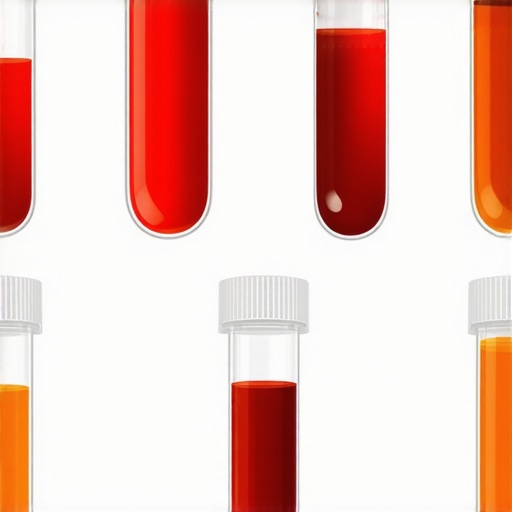
It was a morning like any other, but as I sat in the clinic chair awaiting my cortisol test results, a wave of frustration washed over me. The blood was drawn, the appointment was over, and I left thinking, “That’s it? Just one blood sample?” Moments like these made me realize how misleading relying on a single blood draw can be. If you’ve ever felt that your stress levels or fatigue don’t quite match your lab results, you’re not alone. Many people assume that one test provides the full story, but the truth is much more nuanced.
The Limitations of a Single Blood Test for Stress Levels
Why One Snapshot Can Mislead
When it comes to hormones like cortisol, your levels fluctuate throughout the day. Cortisol peaks in the morning and dips at night, following your body’s natural rhythm, known as the diurnal cycle. A single blood sample taken at one point doesn’t capture this dynamic pattern. Imagine trying to understand a movie by watching just one frame—it’s simply not enough.
Early in my journey, I made the mistake of relying solely on that one morning cortisol measurement, assuming it told me everything I needed to know. I didn’t realize that this snapshot could be misleading, especially if my body’s stress response was fluctuating or out of sync. I soon learned that an accurate assessment requires multiple points of data spread across a day or a series of tests.
Just like how vital signs like blood pressure or heart rate change throughout the day, so do stress hormone levels. For a truly comprehensive picture, your healthcare provider should examine the cortisol curve over several times—morning, midday, and evening—to pinpoint imbalances that might be missed otherwise. This is why I now advocate for more thorough testing strategies, which can be accessed conveniently through telehealth services.
Interested in how these insights can improve your health? Check out [how lab tests can detect hidden health risks early](https://vitalclinicmd.com/how-lab-tests-can-detect-hidden-health-risks-early-in-your-wellness-pathway) to learn about personalized testing approaches.
Is Stress Testing Overhyped or Underestimated?
Many of us have a natural skepticism about how much a few blood tests can really tell us. I was initially doubtful myself—wondering if a couple of samples could truly reflect my body’s complex stress response. But early missteps, like relying on just one data point, taught me a valuable lesson: accurate diagnosis demands nuanced, multiple measurements. That realization transformed how I approach my wellness, emphasizing the importance of comprehensive testing instead of quick snapshots.
If you’ve ever felt frustrated with inconclusive results or wondered whether your stress levels are truly being measured accurately, you’re not alone. Let’s explore how understanding your cortisol curve can change the game in stress management and overall health.
Schedule Multiple Samples Throughout the Day
To truly understand your cortisol levels, avoid relying on a single blood test in the morning. Instead, coordinate with your healthcare provider to schedule tests at different times—morning, midday, and evening. I did this last month when I suspected my stress response was irregular. I set up appointments to measure my cortisol at 8 a.m., 1 p.m., and 8 p.m. Using telehealth services, I easily coordinated these tests without multiple clinic visits. The results revealed a flattened cortisol curve, indicating chronic stress, which I hadn’t sensed. This approach provided actionable insights that a one-off test couldn’t offer.
Use Accurate Collection Methods
Blood draws are common, but saliva or urine tests can sometimes offer a clearer picture of your daily hormone fluctuations. Saliva collection, in particular, is non-invasive and manageable at home. When I switched to salivary testing for my next round, I found it more convenient and less stressful—perfect for maintaining consistent sampling times. Your provider can guide you to reliable labs that specialize in these methods. Reliable sample collection is critical because inconsistent procedures can skew your results, leading to misguided health decisions.
Leverage Telehealth for Guidance and Scheduling
Modern telehealth platforms make it easier than ever to plan and interpret complex testing schedules. I used a telehealth service to consult with a specialist who advised me on when and how to collect samples. This avoided unnecessary trips and saved time. For example, I secured same-day virtual appointments to discuss my results, accelerating my understanding and next steps. Telehealth also streamlines the process of ordering specific tests that better reflect your health, such as salivary cortisol panels, rather than routine blood panels that miss the nuances of hormone fluctuations. Learn more about how telehealth is transforming personal health management at this article.
Interpret Results with Professional Support
Raw data alone rarely tells the full story. After my testing, I shared my results with a healthcare professional via telemedicine. They explained how my flattened cortisol curve signaled persistent stress and suggested personalized stress-management strategies. Without expert interpretation, it’s easy to misread hormone levels or overlook significant patterns. Ensuring the proper context and understanding of your results is vital for making informed health choices. Consider consulting with specialists who focus on hormonal health and stress management.
Integrate Continuous Monitoring and Lifestyle Changes
Once armed with detailed cortisol data, I adopted lifestyle adjustments—regular exercise, improved sleep hygiene, and mindfulness practices—to rebalance my stress response. Regular re-testing, possibly semi-annually, helps track the effectiveness of these interventions. Portable testing kits and telehealth checks make ongoing monitoring practical without disrupting daily routines. This dynamic approach ensures you’re not static in your health journey but adapting based on precise feedback.
Many people believe that *more* healthcare means *better* health—getting every recommended vaccination, sticking rigidly to traditional in-office visits, and following generic wellness plans. But as an expert in personalized health strategies, I can tell you that this approach often overlooks crucial nuances. For instance, vaccinations are powerful, but timing and individual immune responses matter more than just compliance. Relying solely on telehealth without understanding its limitations can trap you into superficial assessments that miss deeper issues. Wellness isn’t one-size-fits-all; it requires tailored approaches backed by detailed lab testing.
Why Assuming Routine Vaccinations Cover Your Needs is a Mistake
Many assume that once vaccinated, they’re fully protected. However, *the timing of vaccines and individual immune variations* significantly influence effectiveness. For example, recent studies highlight that your immune response to certain vaccines diminishes over time, and booster strategies should be personalized based on lab data, not just scheduled timelines. Relying on standard immunization schedules without consulting detailed antibody titers can leave gaps in your protection. Read more about how booster timing can be optimized through targeted lab tests at this link.
The Pitfall of Overgeneralizing Telehealth
Telehealth has revolutionized access, yet many believe it’s interchangeable with in-person care across all scenarios. This is a misconception. While virtual visits excel at convenience, they can overlook subtleties like physical exam nuances or immediate lab access that reveal hidden chronic issues. For instance, many professionals miss the opportunity to order comprehensive lab panels during virtual consultations, which are critical for uncovering early metabolic or hormonal imbalances. To avoid this trap, combine telehealth with targeted lab testing—ideally informed by expert guidance. Learn how integrating these tools enhances your wellness at this article.
Are Wellness Plans Sabotaging Your Progress?
Most wellness programs promote generic advice—calorie counting, generic supplements, and broad sleep hygiene. However, the most effective strategies are *deeply personalized*, based on precise lab data and your unique biology. For example, common supplements touted online might not address your actual deficiencies or hormonal imbalances. Instead, advanced testing can identify specific nutrient gaps or inflammation markers that require tailored interventions, leading to more meaningful improvements. Failing to consider these nuances can make your efforts less effective or even counterproductive. Discover how customizing your health plan can accelerate progress at this resource.
Throughout my career, I’ve seen countless individuals fall into these traps—assuming vaccination schedules are universal, telehealth can replace detailed testing, or wellness plans are one-size-fits-all. The truth is, precise, personalized approaches—grounded in advanced lab insights—lead to real, sustainable health improvements. Make sure you’re not missing critical nuances in your health journey. Have you ever fallen into this trap? Let me know in the comments.
Maintaining your health journey over time requires not just knowledge but reliable tools that support consistency and accuracy. As I’ve refined my approach, I’ve found certain equipment and software essential for tracking, testing, and optimizing wellness effectively. These tools have become integral parts of my routine, enabling me to make informed decisions and adapt strategies proactively.
Precision Lab Devices for Long-Term Monitoring
I personally use the Everlywell at-home testing kits for hormone and nutrient assessments. They’re convenient, highly accurate if used correctly, and allow me to schedule testing at optimal times throughout the year. This enables me to spot trends, like subtle deficiencies or hormonal shifts, before they become symptomatic. Investing in these kits means I can plan my health interventions more precisely, knowing that my data is current and reliable. Regular testing with these devices, coupled with professional guidance, forms the backbone of my sustained wellness efforts. Learn more about the importance of regular testing at this resource.
Advanced Software for Data Analysis and Symptom Tracking
To interpret my lab results and daily health metrics, I rely on Carrot or MyFitnessPal apps. These platforms sync with wearable devices and facilitate trend analysis over months or years. I track everything from sleep quality to mood fluctuations, which helps me identify correlations that simple tests might miss. The best part? They generate actionable insights, advising when to retest or adjust lifestyle habits. Such digital tools also support my telehealth consultations by presenting comprehensive logs that enhance discussion and decision-making.
Wearable Tech for Real-Time Feedback
Gadgets like the Oura Ring provide continuous monitoring of my sleep, activity, and heart rate variability. This real-time data helps me fine-tune my routines, especially stress management and recovery. For example, I notice how changes in my evening routine affect my HRV the next day, guiding me to optimize my sleep hygiene. Wearables are rapidly advancing, and I predict they’ll soon incorporate AI-driven personal health coaches, offering even more tailored advice.
Future of Wellness Tools
The trend points toward integrated health ecosystems where at-home testing, wearable sensors, and AI analytics converge, delivering personalized health insights effortlessly. As technology evolves, I see a future where maintaining long-term wellness becomes more automated and proactive, reducing the reliance on episodic testing and reactive care.
How do I maintain these tools over time?
Consistency is key. I set regular reminders to retake tests and update app inputs, ensuring my data remains current. Also, I periodically review my data with health professionals through telehealth platforms, like this resource, to interpret complex patterns and refine my strategies. Investing in quality equipment and sticking to a routine maximizes the long-term benefits of these tools. To explore more about leveraging telehealth for ongoing wellness, visit this article.
To truly sustain your health gains, I recommend starting with a comprehensive at-home hormone panel like the ones offered by Everlywell. These tests can uncover hidden imbalances that sabotage your long-term wellness. Remember, the key lies in real-time data, expert interpretation, and consistent tracking. Why not try one of these advanced tools today and see how it transforms your approach to health? For more detailed guidance, reach out via this contact page.
Uncovering Hidden Truths About Stress and Hormones
One of the most profound lessons I learned was that our bodies’ signals are often more subtle than traditional tests can capture. Relying solely on a single cortisol measurement is like trying to read an entire novel from just one sentence—missed nuances lead to misinterpretation. Recognizing patterns over time, through multiple samples and diverse testing methods, reveals the true story of our stress response and hormonal health.
Challenging Assumptions: More Tests Aren’t Always Better
Initially, I believed that the more labs I took, the clearer my health picture would become. I was wrong. Quality, targeted testing guided by professionals is far more valuable than mass testing without context. Precision matters—knowing which markers to examine and when to do so can mean the difference between confusion and clarity. My approach shifted from indiscriminate testing to strategic, personalized assessments, which I highly recommend for anyone serious about their wellness.
Personalized Strategies Outperform One-Size-Fits-All Plans
Wandering through generic health advice left me frustrated—until I started integrating personalized insights from my lab results. Whether adjusting lifestyle habits or supplement routines, tailoring my approach based on specific data led to more sustainable results. It’s a vital reminder that our bodies are unique experiments, and customized solutions are the most effective way to improve long-term health.
Curated Toolbox for Empowered Health Decisions
Over the years, I’ve curated a set of tools that bridge technology, data, and expert guidance. Devices like the Oura Ring give real-time sleep and recovery feedback, while at-home testing kits like Everlywell allow for frequent monitoring without hassle. Combining these with trusted telehealth services and knowledge-rich resources creates a robust framework for ongoing health mastery. Invest in these tools—they are the allies that keep you informed and motivated.
Embrace the Future to Transform Your Wellness Pathway
The landscape of health management is shifting rapidly toward automation, personalization, and accessibility. By leveraging innovative testing options and digital platforms, you can proactively manage your wellness rather than react to setbacks. My journey has shown me that taking control today—armed with knowledge, technology, and professional support—sets you up for a healthier, more vibrant tomorrow. Are you ready to make that leap? Let’s discuss your next steps below.