
The Difference Between Food Allergies and Sensitivities Found in Your Blood Work
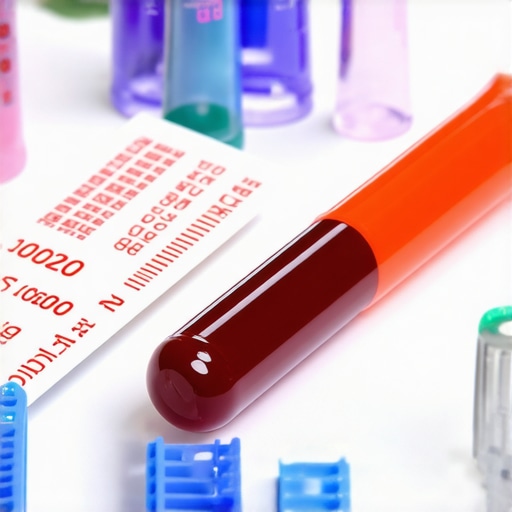
It was a typical Monday morning when I sat nervously in the laboratory waiting area, clutching my test slip like a lifeline. I’d just finished a blood test ordered through telehealth — a quick, convenient experience that I thought was just routine. But as I sat there, a familiar ache in my stomach resurfaced, and I couldn’t help but wonder: Was it just stress, or was there something more insidious lurking beneath?
That moment sparked a lightbulb in my head about the confusing world of food reactions. I had always been told I might have food allergies or sensitivities, but my blood work was showing me something different from what I experienced daily. It’s like trying to decipher a secret code from your own body—confusing and frustrating.
What’s the real story behind food allergies and sensitivities?
Many of us assume that a food allergy is the main culprit when our bodies react negatively. But the truth is, sensitivities are much more common than we realize, and they often go undetected because standard tests don’t tell the full story. Early on, I made the mistake of dismissing my symptoms as stress or minor annoyances, not understanding that my blood work could reveal hidden reactions that I’d been overlooking.
So, what’s the difference, really? And why does it matter?
Today, I want to share how understanding this distinction can empower you to take control of your health — especially when blood tests might reveal sensitivities that aren’t obvious from your everyday experience.
For instance, did you know that food sensitivities could be linked to chronic inflammation, even if you don’t have an immediate reaction? According to recent research, addressing sensitivities can be a game-changer in managing persistent health issues like bloating, fatigue, or brain fog. To learn more about how lab tests can uncover hidden health risks early on, check out [how lab tests can detect hidden health risks](https://vitalclinicmd.com/how-lab-tests-can-detect-hidden-health-risks-early-in-your-wellness-pathway).
Are you tired of guessing which foods might be subtly sabotaging your wellness? Have you ever wondered if your blood work is giving you the full picture? You’re not alone.
In the next sections, we’ll dive into the specifics that differentiate allergens from sensitivities, and explore practical steps to interpret your blood tests—so you can finally get clarity and personalized solutions.
Gather Your Lab Results Carefully
Start by collecting all your recent blood test reports, especially those related to food sensitivities. When I did this, I realized my tests were more detailed than I assumed, revealing reactions to foods I didn’t suspect. Think of your results as a map—key to navigating your health journey. Ensure you have both the raw data and the interpreted summaries for clarity.
Identify Hidden Food Reactions
Look for markers indicating sensitivities—like elevated IgG antibodies—rather than just allergic responses. For example, I noticed a pattern where my bloodwork showed sensitivities to gluten and dairy, even though I didn’t have immediate reactions to eating them. Use reputable resources or consult a specialist to understand what each marker means, similar to decoding a secret code from your body.
Navigate the Lab Report Details
Lab reports might seem complex—think of them as a foreign language. Focus on the sections that list foods tested and the corresponding antibody levels. Values above the reference range suggest sensitivities. For instance, I found that my reaction to almonds was higher than normal, prompting me to consider an elimination diet.
Use Telehealth to Clarify Your Results
Leverage virtual care platforms to discuss your findings with healthcare professionals. I scheduled a quick telehealth session, which is like having a consultation in your living room, avoiding long waits. During the call, I learned that some sensitivities are subtle but impactful, and an expert can help interpret them more precisely.
Map Out Next Steps Based on Your Results
Develop a personalized plan—like a GPS for your health. This may include elimination diets, targeted supplementation, or additional testing. For my case, removing dairy for a few weeks led to noticeable improvements in digestion and energy. Remember, understanding your data is only the first step; acting on it transforms your wellness journey.
Incorporate Routine Checking
Set reminders to periodically repeat testing—like how you check your vehicle’s oil level regularly. Regular lab work uncovers evolving sensitivities or deficiencies, ensuring your dietary and wellness plans stay relevant. For ongoing management, integrated approaches such as combining lab tests and telehealth check-ins can keep you on track, as detailed in this resource.
Why Most People Misunderstand Vaccinations and Risk Missing Critical Insights
Contrary to popular belief, many assume that a vaccinated individual is fully protected, but in reality, vaccine efficacy varies based on timing, individual health status, and booster frequency. Relying solely on vaccination records without understanding the nuances of vaccine schedules can be a dangerous oversight. For example, a study by the CDC highlights that many adults are overdue for boosters, which can leave them vulnerable to preventable diseases. To make informed decisions, it’s essential to understand common myths about vaccines and recognize that immunity isn’t always lifelong or absolute.
Lab Tests: Beyond the Obvious, Into the Subtleties
Many interpret lab results at face value—seeing normal ranges and assuming everything is fine. But this is a trap. Subtle markers like high-normal inflammation or marginal vitamin deficiencies may indicate underlying issues that pose risks over time. My experience taught me that even when a blood test shows acceptable levels, an expert analysis can reveal early signs of problems, such as mild insulin resistance or micronutrient imbalances. It’s akin to reading a map—what’s not immediately obvious might be the most critical detail. For a deeper understanding of early hidden risks, check out how lab tests detect hidden health risks.
The Telehealth Trap You Must Avoid
Many think telehealth is just a convenient way to see a doctor without leaving home—but they underestimate its potential. The real advantage lies in proactive, continuous care and timely adjustments. However, some patients treat telehealth as a last resort or superficial solution, leading to incomplete assessments and missed nuances—especially when it comes to chronic conditions. An advanced mistake is neglecting the importance of integrated data collection—tracking blood pressure readings, symptom diaries, and lab results between visits. This comprehensive approach ensures your virtual consultations are meaningful and effective. To maximize telehealth’s potential, explore how virtual care is revolutionizing health management.
What Are Some Pitfalls of Relying Only on Blood Tests for Wellness Decisions?
Blood tests are invaluable but shouldn’t be used in isolation. For instance, a normal metabolic panel might mask functional issues like insulin resistance, which only show up with specialized testing or dynamic challenges. Ignoring the broader context—diet, lifestyle, stress levels—can lead to misguided conclusions. A recent study emphasizes that combining lab data with behavioral insights yields better health outcomes. Always consult with professionals who interpret these nuances instead of making assumptions based solely on raw numbers. For more, see the importance of understanding lab tests.
Have you ever fallen into this trap? Let me know in the comments. Becoming aware of these hidden pitfalls can significantly improve your health journey, helping you avoid expensive or ineffective interventions and empowering you with precise, personalized care.
,Maintaining your health and wellness long-term requires the right tools and methods that fit seamlessly into your life. Personally, I rely heavily on a combination of accurate lab testing and reliable digital health platforms to keep everything in check. I use high-quality pulse oximeters, like the Wellue O2Ring, which continuously monitors my oxygen saturation and pulse rate during sleep. This device provides real-time data accessible via their app, helping me detect early signs of respiratory issues that could compromise my long-term health. Integrating such devices with my health app allows for trend analysis over weeks or months, making it easier to identify patterns and take proactive steps. Think of it as having a personal health dashboard—empowering and motivating.
On the software side, I use secure telehealth platforms like MyChart and Doxy.me for virtual consultations. These platforms are vital for quick check-ins, especially when time or mobility is limited. They allow me to share lab results directly from the lab portal, enabling my healthcare provider to review data in real-time. In fact, in recent years, virtual care has evolved significantly, becoming a cornerstone of preventive health. According to this resource, the future points toward more integrated, AI-enhanced virtual health assistants that can help interpret lab and sensor data, making wellness management continuously accessible.
Another tool I swear by is a comprehensive health journal app, like CareClinic, for tracking symptoms, mood, and lifestyle factors. The ability to correlate data points over months has helped me spot subtle signs of nutritional deficiencies or stress spikes before they turn into serious issues. The key is consistency—regularly logging your data ensures meaningful insights.
Predicting where this trend is heading, I believe we’ll see more integration between wearables, lab testing, and AI-driven analytics, creating a truly personalized health ecosystem. This convergence will facilitate early detection and tailored interventions, reducing the need for reactive treatments.
**How do I keep all this working over time?** It’s simple: establish a routine. Schedule regular check-ins, like quarterly lab tests, and set reminders to review your collected data weekly. Leveraging telehealth for monthly or bi-monthly reviews can prevent small issues from snowballing. Remember, consistent monitoring transforms reactive health management into proactive wellness—shaping a future where you’re always in tune with your body.
If you’re ready to level up your health game, start by investing in a trusted health monitoring device, like the Wellue O2Ring, and commit to regular virtual check-ins with your provider. These small but impactful steps lay the foundation for long-term wellness. For more advanced strategies, I recommend exploring this comprehensive guide.
The Hidden Truths I Discovered About Healthcare That No One Tells You
One of my most eye-opening lessons was realizing that a standard vaccination schedule isn’t enough to fully protect me. There’s so much more nuance and timing involved, and understanding this has transformed my approach to preventive care. I once believed that getting my shots on schedule was all I needed, but I now see that personalized vaccination planning, tailored to my lifestyle and health markers, makes a huge difference, as discussed here.
Another insight was how much I was missing by relying solely on basic lab tests. The conventional panels often overlook subtle but critical markers like high-normal inflammation or micronutrient imbalances, which could have alerted me early on to issues like insulin resistance or hidden deficiencies. My journey taught me to dig deeper into lab results and leverage advanced testing for true clarity, supported by resources like this article.
Telehealth became an absolute game-changer in my health management, especially when I learned to treat virtual consultations as proactive check-ins rather than last-resort visits. Pairing telehealth with continuous monitoring devices like pulse oximeters or symptom trackers empowers you to catch early signs of health changes without the waits and hassle of in-person appointments. The future of virtual care is truly integrated, making personalized health possible from your living room, as explored here.
Tools That Truly Elevated My Wellness Game
- Blood Nutrition Test Kits: I trust these for early detection of deficiencies that might not show up in standard panels. They help tailor my supplement plan.
- Pulse Oximeters like the Wellue O2Ring: Continuous sleep monitoring has helped me identify subtle respiratory issues that previously went unnoticed.
- Secure Telehealth Platforms such as Doxy.me: These sites allow me to review lab results with my provider swiftly, making informed decisions without leaving home.
- Symptom & Lifestyle Journals like CareClinic: Tracking daily stress, diet, and sleep provides insights correlating with lab changes and symptom flare-ups.
Embrace Your Health Journey with Confidence and Curiosity
The landscape of vaccinations, lab testing, and telehealth is evolving fast, and staying curious has been my key to better health. Knowledge of your body’s unique needs allows you to avoid cookie-cutter approaches and focus on what truly works for you. The power to proactively manage your wellness is in your hands, and stepping into this new era of personalized care can make all the difference. If you’re ready, start today by reviewing your latest lab results, exploring advanced testing options, or scheduling a virtual check-in with a trusted professional. Your body will thank you for it.
What small change are you willing to make today to take control of your health? Share your thoughts below and let’s grow together on this journey toward personalized wellness.