
The fastest way to get a specialist referral for joint pain
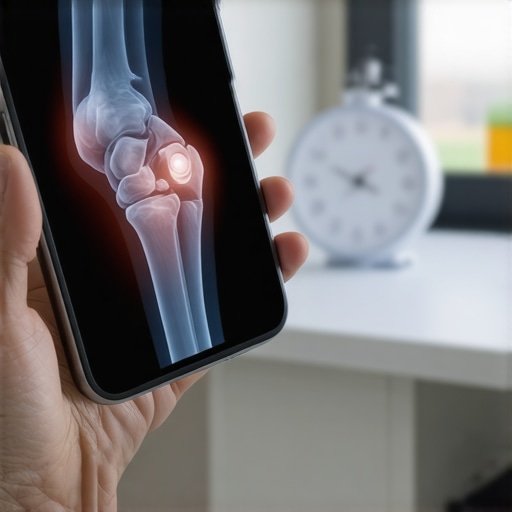
I remember the morning my left knee decided to go on strike. I wasn’t doing anything heroic—just trying to walk to the kitchen for coffee. That sharp, stabbing pain didn’t just hurt; it felt like a betrayal. I did what most of us do: I called my primary care office. The receptionist told me the first opening was in three weeks. Three weeks? I could barely make it to the mailbox. I felt stuck in a loop of taking ibuprofen and waiting. I wasted so much time thinking that the traditional route was the only real way to get medical help. Boy, was I wrong. Today, I’m going to show you how to bypass that frustration so you can actually get your mobility back without the month-long wait.
Ditch the Waiting Room for Your Joint Pain Referral
The biggest mistake I ever made was thinking I had to sit in a physical office for forty minutes just to get a piece of paper. It is a relic of the past. When your hip is throbbing or your shoulder won’t rotate, you don’t need a lecture on posture; you need an orthopedic specialist. I found out the hard way that how to get a same-day referral for a specialist without the stress is actually possible through your laptop. According to a report by AMN Healthcare, the average wait to see a new specialist can be over two weeks in major cities, and that is just for the appointment itself, not the referral. By unlocking the power of telehealth for fast convenient wellness access, I managed to get my case in front of a surgeon by the following Tuesday. Have you ever been told to just wait it out while your joints were screaming for help? It is an incredibly lonely and frustrating feeling.
Is a Virtual Consult Actually Reliable for Specialized Care?
I get the skepticism. I had it too. I used to wonder how a doctor could tell if my meniscus was torn through a webcam. The truth is, most referrals are based on your clinical history and the immediate need for advanced imaging like an MRI or X-ray—things a virtual provider can order for you instantly. If you are looking for the faster way to get a specialist referral using telehealth, you are not sacrificing quality; you are just cutting out the middleman. Utilizing virtual consultations to manage chronic wellness is the best move I have made for my long-term health. [image] This isn’t just about saving time. It is about getting professional eyes on your injury before the inflammation becomes a permanent problem. We are moving past the days of unnecessary gatekeeping in healthcare.
Gather Your Evidence Before the Camera Turns On
Think of your virtual appointment as a high-stakes pitch. You have about fifteen minutes to convince a provider that your pain warrants an immediate specialist look. The first time I tried this, I was vague. I told the doctor my knee ‘felt weird.’ Unsurprisingly, he suggested ice and rest. I had to go back and learn how to manage chronic knee pain without surgery by being my own best advocate. Start by writing down three things: the exact location of the pain, what movement triggers it (like climbing stairs or sitting too long), and any failed ‘home remedies’ you have tried. If you can show that ibuprofen and two weeks of rest did nothing, the provider is much more likely to escalate your care.
Vet Your Virtual Doctor Like a Pro
Not all telehealth platforms are created equal. Some are essentially prescription refill factories, while others are full-scale clinical environments. You want a provider that offers more than just a quick chat. Knowing how to spot a better telehealth provider in 3 specific questions will save you from a second appointment elsewhere. Ask them if they can directly upload a referral into your insurance portal and if they have the capability to order Stat imaging. When I finally found a provider who understood revolutionizing wellness how telehealth transforms personal care, the difference was night and day. They didn’t just give me a PDF; they coordinated with a local imaging center so I could get an MRI the next morning. 
The Strategy for a Guaranteed Referral
The bridge between a primary care visit and a specialist is often diagnostic data. A virtual doctor cannot touch your joint, but they can see your bloodwork and your scans. If you have had labs recently that were ignored, bring them up. It is common to wonder why your lab results come back normal while you still feel like trash, and a specialist can often find the nuance your general practitioner missed.
Order the Right Labs to Speed Up the Process
Sometimes the bottleneck isn’t the doctor; it’s the lack of data. During your consult, ask for a specific panel that relates to your inflammation. By using telehealth innovations how virtual care is changing wellness in 639 am, you can often get these orders sent to a lab near your house within minutes of hanging up. This is the faster way to get a specialist referral using telehealth because when you finally walk into the orthopedic office, you aren’t there for a consultation—you are there for a solution. I once wasted two weeks waiting for a physical appointment only to be told I needed a blood test I could have done ten days prior. If you have the results in hand before the specialist sees you, you have effectively skipped the longest part of the queue. This is about taking control of the logistics so the medical system can’t ignore you.It is a common trap to think that once you get your blood work back and everything is within the standard reference range, you are in the clear. I used to fall for this every single year. My labs would come back fine, yet I still felt like I was running on a battery at ten percent. Here is the nuance: reference ranges are often based on a bell curve of the general population, many of whom are actually quite sick. To really feel your best, you need to look at optimal ranges rather than just the average. This is why your lab results come back normal while you still feel like trash and why a deeper dive is necessary. If you are just chasing the average, you are missing the chance for true prevention. For instance, 3 thyroid markers your doctor probably ignored last time can be the difference between getting a passing grade and actually regaining your energy levels.
Stop Sabotaging Your Blood Work Before You Even Reach the Lab
One of the biggest oops factors I see is how people prepare for their tests. Did you know that why your morning coffee is sabotaging your anxiety labs is a real scientific phenomenon? Caffeine spikes cortisol and can significantly skew metabolic markers. If you are trying to get an accurate picture of your stress levels or metabolic health, that innocent espresso is actually a data-poisoning agent. Always ask your provider for a specific pre-lab protocol. By understanding the role of lab tests in preventive wellness properly, you ensure the data you are giving the specialist is actually worth their time. 
Can a Virtual Visit Really Handle Complex Vaccine Schedules?
People often assume vaccines are a one-and-done childhood event, or just a yearly flu shot. But as we age or our environment changes, our immunity profile shifts. I have seen many people assume they are protected because of a shot they received decades ago. A study published in *The Journal of Infectious Diseases* highlights that adult immunity for certain pathogens can wane significantly faster than previously thought, requiring a more targeted approach. Instead of following a generic list, look into personalized vaccination schedules for better disease prevention. It is not just about checking a box; it is about titer testing to see if you actually still have antibodies. There is also a common myth that telehealth is only for easy stuff like a sinus infection. I disagree. I think it is actually superior for managing complex, long-term issues. When you are exploring the benefits of telehealth in managing chronic wellness, you get the benefit of frequent touchpoints without the logistical nightmare of a physical clinic. A virtual provider can help you verify your child’s MMR status without a paper trail by ordering the right antibody tests first. They act as the architect of your immunity, while the local pharmacy acts as the builder. Have you ever fallen into the trap of thinking a normal lab result meant everything was perfect, only to find out months later you were actually deficient in something key? Let me know in the comments.Once you’ve got those first few labs back and you’ve secured your specialist referral, the real work begins—the maintenance phase. I used to be terrible at this. I’d get a win, feel better for a month, and then slide back into old habits until the next crisis. To break that cycle, I started using a digital health dashboard. I don’t mean a generic fitness tracker; I mean a dedicated system where I scan my lab PDFs and plot the data myself. Seeing the trend lines for things like hs-CRP or fasting insulin over three years changed everything for me. It’s the difference between a snapshot and a movie. This is why regular lab tests are critical for your wellness journey. You can’t fix what you aren’t measuring consistently.
Keep Your Health Data from Gathering Dust
I personally use a HIPAA-compliant cloud storage folder just for medical records. It sounds boring, but when you are maximizing your health by combining vaccinations and lab testing strategies, having your titer results and metabolic panels in one searchable place makes every virtual consult 10x more productive. According to a study published in the Journal of Medical Internet Research (JMIR), patients who actively use digital tools to track their clinical data show a 15% higher adherence rate to long-term wellness plans compared to those who rely solely on doctor’s office portals. I’ve found that telehealth innovations and how virtual care is changing wellness make this even easier because the data is born digital. If you can show your doctor a graph of your Vitamin D levels over two years rather than just one number, they are much more likely to take your supplementation plan seriously.
How do I stay consistent with my health tracking over time?
The secret isn’t willpower; it’s a schedule. I set a calendar alert for every six months to review my ‘big three’: metabolic health, inflammatory markers, and my personalized vaccination schedules for better disease prevention. This keeps me from falling into the trap of ‘feeling fine’ while my markers slowly drift into the red. I also recommend using a simple Notion template or a secure Google Sheet where you categorize your labs by ‘Hormones,’ ‘Metabolic,’ and ‘Nutrients.’ It helps you spot when your TSH is rising even if it is still technically within the reference range. 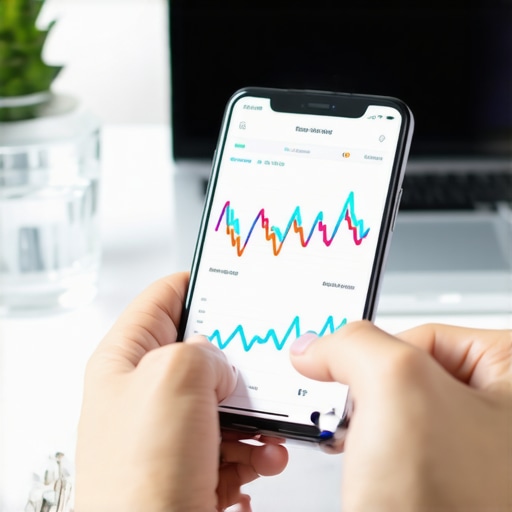
The Digital Toolkit I Use Every Single Week
I’m obsessed with what I call the ‘Data Overlay’ method. I take my wearable data—sleep quality, heart rate variability (HRV), and resting heart rate—and I look for correlations in my quarterly blood work. If my HRV is tanking consistently for a month, I don’t just assume I’m stressed; I look at my iron or B12 levels. This is the ultimate level of exploring the benefits of telehealth in managing chronic wellness because you aren’t just reacting to symptoms; you’re predicting them. I suspect that in the next few years, we’ll move toward real-time biosensors—think ‘smart’ contact lenses or permanent under-skin monitors—that sync directly with your provider’s dashboard, a trend highlighted in telehealth insights the future of accessible healthcare services. My advanced tip for you today: stop waiting for your doctor to ask for your old records. Download your last three years of blood work right now, upload them to a secure drive, and bring that link to your next video call. It will change the entire dynamic of the conversation from ‘What is wrong?’ to ‘How do we fix this trend?’
The Hardest Lesson I Learned While Navigating the Digital Health Loophole
Looking back, the biggest “aha” moment wasn’t just getting that first referral; it was realizing that health is a series of patterns, not a single event. I used to think a doctor’s visit was like taking my car for an oil change—once a year and I’m done. But I learned that why regular lab tests are critical for your wellness journey isn’t just a catchy phrase; it is about catching the “drift” in your biomarkers before they hit a cliff. I also discovered that vaccinations myths busted what you need to know in 2025 at 1207 pm often ignore the reality that adult immunity isn’t permanent. Waiting for a symptom is reactive; tracking your data is proactive. No one told me that I could actually request my own antibody titers to see if I needed a booster, rather than just guessing based on a dusty paper record.
My Personal Tech Stack for High-Performance Wellness
To stay organized, I don’t rely on the clunky portals provided by big hospital chains that often hide your data behind proprietary walls. I use a secure, HIPAA-compliant folder to store every PDF myself. My toolkit includes: Notion for tracking my “Big Three” markers (Metabolic, Hormonal, and Inflammatory), Google Sheets for plotting year-over-year trends, and direct-access lab portals so I can see results before the doctor even calls. By maximizing your health by combining vaccinations and lab testing strategies, I’ve saved hundreds of hours and thousands of dollars in “diagnostic fishing” trips. I personally trust sources like the Institute for Functional Medicine for understanding optimal ranges, as they look at the body as an interconnected system rather than a set of isolated symptoms. [image]
It Is Time to Take Back the Remote Control of Your Medical Care
The medical system isn’t going to change overnight, but how you interact with it can. You don’t have to be a victim of a three-week waiting list or a “normal” lab result that leaves you feeling like a ghost. By revolutionizing wellness how telehealth transforms personal care, you are moving from a passive patient to an active CEO of your own body. Don’t wait for permission to feel better. Start by understanding the role of lab tests in preventive wellness today and book that virtual consult to get the ball rolling. Your future self—the one with the energy to actually enjoy life—will thank you for it. Have you ever had a lab result come back as “normal” even though you felt absolutely terrible? Let me know in the comments.