
The Hidden Kidney Metric Your Annual Physical Usually Skips
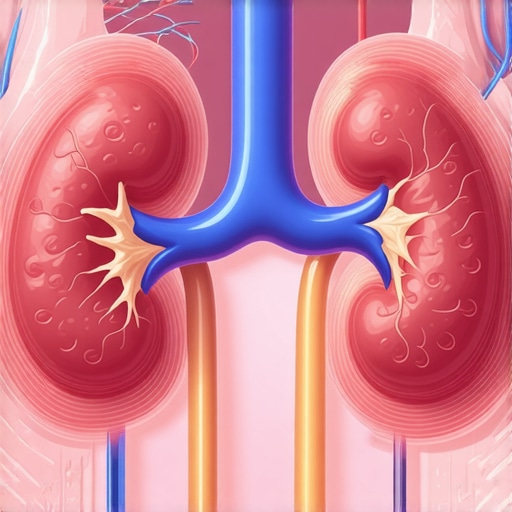
I remember the moment vividly—standing at the bathroom sink, looking at my reflection, realizing I had just gone through another annual physical without truly understanding one vital piece of health information. It hit me then: despite all the tests, scans, and doctor visits, I was consistently missing a subtle yet powerful indicator hidden in my bloodwork. This “forgotten” metric isn’t part of the standard panel but can reveal early signs of kidney stress that often go unnoticed. It was a lightbulb moment that changed my entire approach to wellness.
Why Most of Us Overlook the Kidney’s Hidden Signals
Many of us rely on routine checkups to keep tabs on our health, but the truth is, standard physicals frequently miss critical clues. The kidney, a silent workhorse, silently signals trouble long before symptoms appear. Surprisingly, up to 20% of chronic kidney disease cases are detected very late because conventional tests aren’t sensitive enough to pick up early dysfunctions. That’s why understanding this obscure but revealing metric can be a game changer.
Is Your Regular Blood Panel Truly Telling the Whole Story?
Early on in my journey, I made the mistake of relying solely on the usual blood tests—creatinine, BUN, and eGFR—without diving deeper into specific markers that spotlight kidney health. I overlooked the importance of testing for urine albumin and the albumin-to-creatinine ratio, which can detect kidney issues at much earlier stages. Incorporating targeted tests like these can make a significant difference. For detailed insights on the role of lab tests in prevention, visit this resource.
So, if you’re wondering whether your current tests are enough, you’re not alone. Many skip these critical markers, missing opportunities for early intervention. This post will guide you through the essential steps to uncover the unseen signals your kidneys may be giving—before it’s too late.
Order Specialized Blood and Urine Tests Without Leaving Your Home
Start by scheduling a telehealth consultation through platforms like telehealth services that facilitate lab orders. During this virtual visit, clearly communicate your concern about early kidney stress indicators, emphasizing your interest in specific markers like urine albumin and the albumin-to-creatinine ratio. This ensures your provider understands the importance of these tests beyond routine panels.
Prepare Your Medical History and List of Symptoms
Being organized makes the process smoother. Document any family history of kidney disease, hypertension, or diabetes, as these factors influence test selection. Provide detailed information about recent fatigue, swelling, or urinary changes. A thorough history helps the clinician select the most relevant tests—think of it as providing a detailed map before embarking on a complex journey.
Select the Right Tests and Understand the Process
Based on your conversation, your provider might order a urine albumin test and a blood sample for serum creatinine, BUN, and eGFR calculations. Sometimes, additional markers like cystatin C provide more clarity. These tests can be ordered compositionally via telehealth, meaning your samples can be collected locally or through a home testing kit, eliminating the need to visit a clinic physically.
Utilize At-Home Testing When Possible
Many labs now offer home specimen collection services. Similar to a self-administered COVID-19 test, you’ll receive kits with instructions—acting like your personal health detective, gathering clues in the comfort of your home. You can easily record your results by uploading them through the telehealth portal, ensuring your doctor gets immediate access to interpret your data.
Request Clear and Focused Results
Once the lab results arrive, review them carefully. Pay special attention to urine albumin and microalbumin levels, which are early signals of kidney stress. If results reveal even slight elevations, discuss proactive steps like diet modifications, blood pressure control, or additional testing. Think of this phase as getting your health report card—knowing your grades helps you decide how to improve.
Integrate Data for Preventive Action
Combine your lab findings with insights from reliable resources—like this guide—to understand the implications. Use telehealth consultations to interpret results together, making sense of complex data without stepping foot in a clinic. This integrative approach empowers you with actionable knowledge, enabling early interventions that can halt or slow kidney deterioration.
Follow Up to Track Your Kidney Health
Periodic testing is vital; schedule follow-ups based on initial findings. Telehealth makes ongoing monitoring effortless—just a few clicks to re-order tests or discuss new symptoms. Remember, catching early signals through targeted testing transforms your approach from reactive to proactive, ensuring your kidneys stay healthy long-term.
< >Many people assume that embracing telehealth, vaccines, and lab tests automatically guarantees better health outcomes, but the reality is more nuanced. A common misconception is that digital health solutions are a one-size-fits-all fix. In truth, the effectiveness of telehealth depends heavily on understanding its limitations and the subtle details often overlooked. For example, relying solely on virtual consultations without knowing how to select specialized tests can lead to missed early warning signs of issues like kidney stress, as I discussed earlier.
Beware the trap of oversimplification. While it’s tempting to believe that a quick online appointment or a routine shot is all you need, many fall into the trap of thinking ‘more is better.’ The catch? Not all tests or vaccines are appropriate for everyone, and misapplication can sometimes do more harm than good. For instance, universal vaccination schedules often do not account for individual health nuances, which can be addressed through personalized plans detailed here.
Do You Know When Routine Tests Miss the Mark?
Diving deeper, one advanced mistake is relying on standard panels like creatinine and BUN to assess kidney health. These markers often don’t catch early damage, which can be detected through specific urinary markers like albumin-to-creatinine ratios. Experts warn that missing these subtleties delays intervention and worsens outcomes. A 2019 study published in the Journal of the American Society of Nephrology emphasizes that early detection through targeted testing leads to much better prognosis.
Similarly, in vaccinations, many believe that following the general schedule suffices. However, it’s critical to consider the timing relative to individual health status, travel plans, or immunocompromised conditions. Personalizing vaccination strategies to suit these nuances can remarkably enhance efficacy, as discussed here.
For wellness enthusiasts, there’s a misconception that more lab tests, more supplements, and more interventions automatically equate to better health. But over-testing can lead to false positives, unnecessary anxiety, and misleading results. The key is targeted, evidence-based testing that aligns with your unique health profile, which you can learn more about here.
Embracing telehealth and modern wellness strategies is excellent — yet, it’s crucial to be aware of their nuanced pitfalls. Asking the right questions, understanding what your tests reveal, and seeking personalized advice help you avoid common traps and truly harness these tools for health optimization. Have you ever fallen into this trap? Let me know in the comments!
Maintaining a consistent and effective health routine requires more than just knowledge—it’s about integrating reliable tools that streamline your process. Personally, I rely on advanced telehealth platforms like this telehealth service because it offers rapid access to specialists and allows me to order specific lab tests without stepping into a clinic. This setup saves time and ensures I stay on top of subtle health indicators, like early kidney stress markers, which are often missed in standard checkups. Additionally, I use at-home testing kits for blood and urine, especially for testing urine albumin-to-creatinine ratios, because these are critical for early detection of renal issues. These kits, which can be ordered online and used comfortably at home, make regular monitoring effortless. According to recent research, integrating at-home labs with telehealth consultations significantly enhances early diagnosis and intervention. For daily tracking, I utilize health apps that sync with my lab data, allowing me to observe trends over time and adjust my wellness plans proactively. As technology advances, I predict a future where AI-driven analytics will personalize health recommendations even further, based on continuous data streams. To keep your wellness strategy effective over the long haul, I recommend automating your monitoring with these tools and scheduling regular virtual check-ins. Ready to optimize your health? Start by trying an at-home urine test for early kidney stress markers and schedule a telehealth consultation to interpret your results—it’s a game changer. For more insights on selecting the right tests and tools, visit this guide.
The Lessons No One Tells You About Early Detection
One of the most profound realizations I had was that the road to health isn’t just paved with routine checkups and generic tests. The key lessons I learned involved paying close attention to subtle blood markers that many overlook. For instance, I discovered that incorporating testing for urine albumin could reveal kidney stress long before symptoms manifest—something that standard panels often miss. This awareness forced me to rethink my entire approach, emphasizing proactive, targeted testing over reactive care.
My Essential Tools for Staying Ahead of Subtle Signs
If I could recommend a personal health arsenal, it would include at-home urine testing kits specifically for albumin-to-creatinine ratios, paired with telehealth consultations. Trusted resources like this guide have helped me understand which markers matter most. These tools provide immediate insights and actionable steps, making health management feel accessible rather than overwhelming.
Trust Your Instincts and Embrace Change
The most empowering lesson I learned is that health is a continuous journey—one that benefits from curiosity and readiness to adapt. Embracing telehealth and targeted lab testing allowed me to uncover early warning signs that traditional checkups often miss. I encourage you to consider integrating these strategies into your life, not just for peace of mind but for real, long-term wellness. Remember, your proactive efforts today lay the foundation for a healthier tomorrow.
What’s Your Next Step? Share Your Thoughts Below
Have you ever felt something was off but didn’t have the right tools to investigate? Or perhaps you’ve already started your journey with targeted testing? I’d love to hear your experiences and questions—let’s create a community of informed wellness explorers.
,