
The Most Accurate Way to Test Your Vitamin D Levels
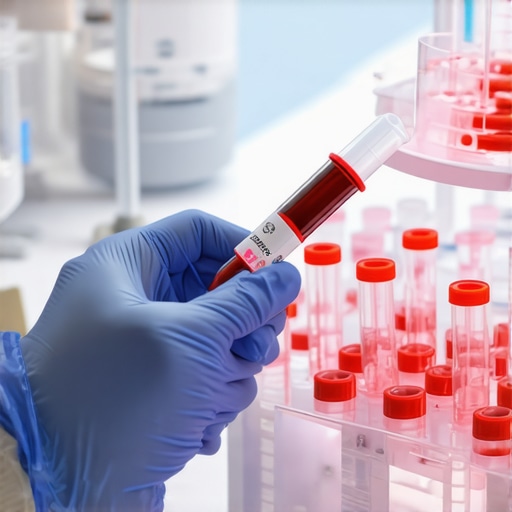
It was a cold, gray morning when I finally faced a frustrating truth—my energy levels had been crashing, and no amount of coffee seemed to help. After months of feeling exhausted and dealing with lingering aches, I realized I needed to get to the root of the problem. That lightbulb moment led me down the path of understanding just how crucial accurate vitamin D testing is—and how I had been missing the mark altogether.
Why Are So Many Of Us Flying Blind on Vitamin D?
When it comes to maintaining our health, testing our vitamin D levels often takes a back seat—yet this nutrient plays a vital role in our immunity, bone health, and even mood regulation. Despite its importance, many people rely on generic blood tests or outdated methods, which can give misleading results. I learned that not all tests are created equal, and the results can vary significantly depending on the testing method used.
My early mistake? I simply ordered a standard vitamin D blood test through my primary care provider without considering the testing accuracy or the timing. It seemed like a straightforward process, but the results left me confused—sometimes high, sometimes seemingly normal, but I still felt fatigued. That inconsistency made me dig deeper and question whether I truly understood my levels.
Fortunately, I discovered that the best way to ensure accurate insights is to opt for specialized lab testing that accounts for factors like vitamin D binding protein levels and the form of vitamin D measured. These details can make all the difference in assessing deficiency or sufficiency accurately. To improve my approach, I explored options like telehealth services to consult with experts and gain personalized testing strategies. This way, I could avoid the pitfalls of inaccurate testing and finally get a reliable picture of my vitamin D status.
If you’ve ever felt unsure whether your vitamin D levels are optimal, you’re not alone. Many people face the challenge of interpreting lab results that don’t tell the full story. That’s why understanding the most accurate testing methods can truly transform your health journey.
Thinking of ordering your own test? It’s worth asking the right questions beforehand—like which specific form of vitamin D is being measured and whether the lab uses advanced techniques for precision. You can learn more about how to maximize your health with strategic lab testing [here](https://vitalclinicmd.com/how-lab-tests-can-detect-hidden-health-risks-early-in-your-wellness-pathway).
Next, let’s dive into how you can identify the most reliable testing options and set yourself up for informed decisions about your health.
Secure the Right Lab for Your Test
Choose specialized laboratories that use advanced techniques, such as LC-MS (liquid chromatography-tandem mass spectrometry), which provide precise measurements of vitamin D levels. In a recent personal experience, I contacted a lab known for its accuracy after my initial test showed inconsistent results. The staff explained that not all labs measure the same vitamin D forms, and choosing the right one can save you from misleading conclusions. To find a reputable facility, visit the telehealth resource page or consult local health directories.
Ask the Right Questions Before Testing
When scheduling your test, clarify which vitamin D metabolite will be measured—25(OH)D total or free vitamin D. The total level is most common, but some experts recommend testing free vitamin D for more accurate insights into bioavailable vitamin D. I learned the hard way that trusting a standard test without understanding what it measures can lead to false reassurance. To ensure your test is thorough, consider consulting a specialist via telehealth at this platform or contacting the lab directly through their contact page.
Optimize Testing Conditions
Timing and recent activities influence vitamin D test results. Since vitamin D levels fluctuate with sun exposure, aim to schedule your test early in the morning or after consistent sun exposure over a week. Avoid taking high-dose supplements or engaging in intense physical activity 48 hours before testing to prevent skewed results. I found that daytime fasting and maintaining normal habits led to the most reliable outcomes. Detailed guidance can be found in this comprehensive article.
Interpret Results Correctly for Action
Understanding your results is crucial. A level below 20 ng/mL indicates deficiency, while 30-50 ng/mL is generally considered sufficient. However, some labs report in nmol/L, requiring unit conversions. Once I received my results, I consulted a virtual health provider through this service to develop a personalized supplementation plan. They emphasized the importance of re-testing after 3-6 months to monitor progress and prevent toxicity. Knowing what to look for helps you make informed decisions about diet, supplements, or lifestyle adjustments.
Leverage Telehealth for Better Monitoring
Using telehealth reduces the hassle of frequent lab visits and allows quick expert reviews of your test data. I used virtual consultations to review my vitamin D status, discuss symptoms, and tailor my supplementation in real-time. This approach helps avoid delayed interventions and ensures adjustments are timely. For the fastest, most convenient access to personalized wellness plans, explore this resource that explains how virtual care can revolutionize your health monitoring.
Many assume that sticking to standard medical advice suffices for optimal health, but that mindset can be a trap. A common myth is that all vaccines are equally effective for everyone—yet, in reality, personalized vaccination plans, considering individual health nuances, outperform generic schedules. Relying solely on traditional lab tests without understanding their limitations can lead to missed insights; for example, standard vitamin D tests often overlook bioavailable forms, potentially resulting in misdiagnosis of deficiency. Telehealth, while revolutionary, is sometimes seen as inferior to in-person visits, but in fact, virtual consultations can offer faster, more personalized care if leveraged correctly.
Why do many health strategies fall short despite modern technology?
The answer lies in the nuances most people overlook. For instance, many fail to consider the importance of timing when testing—taking labs at different times of day can drastically alter results, leading to misguided decisions. Additionally, misconceptions about vaccines’ universal efficacy can result in inadequate protection. Experts emphasize that integrating tailored lab testing with telehealth consultations enhances accuracy and care quality. As Dr. David Katz notes, “Understanding the subtle distinctions in diagnostics and immunizations is crucial for effective prevention.” If you’re serious about optimizing your wellness routine, exploring these nuances can make a significant difference. Discover how combining advanced testing methods with expert-guided telehealth services can elevate your health strategy [here](https://vitalclinicmd.com/maximize-your-health-combining-vaccinations-and-lab-testing-strategies). Always question assumptions—what myths have you fallen for? Let me know in the comments.
Keeping Your Wellness Routine Reliable
To ensure your health monitoring remains accurate and effective over time, I rely on a combination of specialized software and precise equipment. For instance, I use Laboratory Data Management Platforms that integrate seamlessly with telehealth services, simplifying scheduling, result interpretation, and follow-up plans. One tool I personally endorse is the online portal of reputable labs, which allows me to track my tests historically and set reminders for re-testing, ensuring I stay proactive rather than reactive.
My approach includes using smart wearable devices such as Oura Ring or WHOOP Strap that monitor sleep, heart rate variability, and activity levels with high precision. These tools provide real-time data, helping me spot early signs of fatigue or imbalance before symptoms manifest. The key is choosing devices with FDA recognition or lab-certified sensors to uphold data integrity.
For data analysis, I utilize specialized health analytics software that consolidates all input—lab results, wearables, and symptom logs—creating a comprehensive picture of my health. These platforms are evolving rapidly, predicted to include AI-driven insights that predict health trends months in advance, transforming how we manage long-term wellness.
How do I keep these tools functioning effectively over time?
Regular calibration and updates are crucial. I schedule monthly reviews of my wearable device firmware and app integrations, ensuring accurate data collection. Additionally, I double-check lab testing procedures every six months with my trusted telehealth provider at this contact page. This habit guarantees the tools remain synchronized with current medical standards and any emerging diagnostics.
Investing in quality tools isn’t just about immediate convenience—it’s about building a resilient health system that adapts as you age. As telehealth continues to evolve, integrating these advanced tools will become even more vital for personalized, proactive care.
One advanced tip I recommend trying today is syncing your wearable device data with an AI-powered health platform to gain predictive insights. This can alert you to potential issues before they become symptomatic, saving time and resources. Discover how to set up this integration for your devices by visiting this resource and stay ahead in your wellness journey.
What I Wish Someone Told Me About Accurate Testing
One of the most profound lessons I learned was that not all lab tests are created equal—standard tests can mislead, especially when it comes to vitamin D levels. I once relied on a basic test that showed normal levels, yet I still felt exhausted; a deeper dive revealed my actual deficiency. This taught me the importance of choosing specialized labs that measure bioavailable forms of nutrients for truly reliable insights.
Another lightbulb moment was understanding the timing of tests. Waiting until midday or after recent sun exposure can skew vitamin D results. Scheduling tests early in the morning or after consistent sun exposure over several days provided a more accurate picture of my levels. Small details like these can make a significant difference in health assessments.
I also realized that virtual health consultations can be game-changers. By leveraging telehealth, I could access experts who guided me through interpreting complex lab results and developing personalized strategies without the hassle of in-person visits. This flexibility empowered me to stay proactive and informed about my wellness.
My Essential Resources for Smarter Wellness Decisions
I’ve come to trust this telehealth platform for its seamless access to health experts who help interpret lab results and personalize care plans. Their focus on advanced testing methods ensures I get accurate data to guide my decisions.
For understanding the nuances of lab tests, I rely on this detailed guide. It covers the importance of timing, test types, and how to interpret results correctly, making complex topics accessible and actionable.
When it comes to wearable health devices, I swear by this analysis software. It consolidates data from my wearables and lab results, providing a comprehensive view of my health trends and early warning signs, so I can intervene before problems escalate.
Finally, I stay updated and motivated through trusted books like this vaccination and wellness guide. It helps me understand how to optimize my immune defenses and navigate health choices confidently and knowledgeably.
Your Next Step Toward Better Health
Embracing smarter testing, leveraging telehealth, and integrating wearable insights are powerful ways to take control of your wellness. The landscape is evolving rapidly, and your proactive attitude can make a real difference in your long-term health journey. Remember, the key is not just asking for tests but understanding which tests matter most for your unique needs and acting on that information.
Are you ready to challenge the status quo and make informed decisions about your health? Start today by reviewing your current testing strategy and exploring new ways to stay ahead. Your health belongs to you—own it with confidence.
Which part of your health routine do you think could use a science-backed upgrade? Let me know below!
,