
The One Nutrient That Stops Your Heart Palpitations After Coffee

I was sitting at my desk, my third cup of dark roast half-finished, when it happened—that familiar, fluttering thud in my chest that felt like a trapped bird trying to escape. My heart skipped a beat, then raced, and suddenly my palms were sweating. I did what most people do: I panicked. I assumed I was having a heart attack or that I had finally pushed my caffeine tolerance over the edge. For years, I just thought I was “sensitive,” so I cut back, switched to decaf, and even tried those herbal teas that taste like boiled hay. Nothing worked. It wasn’t until I stopped guessing and started looking at the actual chemistry of my body that I realized I was fighting the wrong battle. [image_placeholder_1]
Why Your Morning Brew Turns Into a Chest Thumping Nightmare
It turns out, coffee isn’t the villain; it’s just the whistleblower. When you drink coffee, it acts as a diuretic, flushing out essential minerals that your heart needs to keep a steady rhythm. My biggest mistake early on was thinking that if my standard lab results came back normal, I was fine. I wasn’t. I was severely depleted in magnesium, a mineral that over 50% of the US population doesn’t get enough of, according to the National Institutes of Health. This “master mineral” regulates the electrical impulses in your heart, and caffeine is a notorious thief of it.
Is magnesium really the magic fix people claim?
You’re right to be skeptical. I was too. I’d seen the flashy ads and the “miracle” supplement claims, but I wanted data. The reality is that your morning routine might be sabotaging your labs and your heart health because caffeine increases the excretion of magnesium through your kidneys. It’s not about finding a magic pill; it’s about replacing what you’re losing. Have you ever felt that sudden drop in your stomach or a skipped beat right after your second espresso? I spent months feeling like a jittery mess because I didn’t know how to order my own blood work to check specific intracellular levels.
The Real Reason Your Heart Skips a Beat After Caffeine
Most people think caffeine just “speeds you up,” but it’s more complex. Caffeine stimulates the adrenal glands, which triggers a “fight or flight” response. If you are already low on magnesium, your body can’t dampen that response, leading to that scary fluttering. Your heart’s electrical system is literally thirsty for stability. This is why the magnesium secret is so effective—it’s about more than just leg cramps; it’s about the very pump that keeps you alive. We are going to dive into how you can fix this without giving up your favorite roast.
To get your heart back on track, you cannot just cross your fingers and hope the jitters go away. You need a data-driven plan that treats your body like the complex machine it is, rather than a guessing game. Start by realizing that why your annual physical is missing your real health risks often boils down to the fact that standard tests only look for catastrophic failure, not subtle mineral imbalances.
Stop Guessing and Start Testing Your Real Levels
The first step in my journey wasn’t buying more supplements; it was getting the right data. You need to look at your RBC Magnesium—which measures the magnesium inside your red blood cells—rather than just a serum test. Think of it like checking the oil in your car’s engine instead of just looking at the puddles on your driveway. This is part of understanding the role of lab tests in preventive wellness. If you do not know your baseline, you are just throwing expensive pills at a problem you haven’t defined yet.
The One Magnesium Form That Actually Reaches Your Heart
I remember the first time I tried to fix this on my own. I went to the local pharmacy and grabbed the biggest bottle of magnesium oxide I could find. It was cheap, and I thought magnesium was magnesium. Big mistake. All it did was send me to the bathroom every twenty minutes while my heart still felt like a drum set in a dryer. It wasn’t until I sat down for a nutritional counseling session that I learned about bioavailability. Bioavailability is just a fancy word for how much of the mineral actually makes it into your bloodstream versus how much ends up in the toilet. For heart health and jitters, magnesium glycinate or taurate are the gold standards because they cross the blood-brain barrier and are gentle on the stomach. Using the magnesium secret correctly means choosing the form that your heart can actually use to stabilize its electrical signals.

Space Out Your Sips and Your Supplements
You do not have to quit coffee, but you do have to change the timing. Think of caffeine as a sponge that soaks up minerals and squeezes them out through your kidneys. If you take your magnesium supplement at the same time as your double-shot latte, the caffeine will likely escort those minerals straight out of your body before they can do any good. I found that waiting at least two hours after my last cup of coffee to supplement made a massive difference in my heart’s stability. This simple scheduling tweak is a core part of why your morning routine is sabotaging your blood sugar and your mineral balance. By creating a buffer, you allow your body to absorb the nutrients it needs to counteract the stimulant effect.
Get Your Data Without the Doctor Office Hassle
The biggest barrier for me was the time it took to get an appointment. I didn’t want to sit in a waiting room for two hours just to ask for a specific lab. This is where unlocking the power of telehealth for fast, convenient wellness access changes everything. You can now consult with a provider from your couch, get the specific lab orders you need, and have the results sent straight to your phone. It allows you to be the CEO of your own health. When you have the results, you should also look at how to interpret your C-reactive protein levels for heart health, as inflammation can often exacerbate the mineral-stripping effects of caffeine, making those palpitations feel even more intense.
It is easy to fall into the trap of thinking your health is a “set it and forget it” situation. Most people assume that if they followed a medical schedule years ago, they are shielded for life. But here is the contrarian truth: your immunity is as dynamic as your metabolism, and relying on decade-old records is a recipe for disaster. I have seen patients who were technically “fully vaccinated” but had zero detectable antibodies for Hepatitis B when we actually ran the titers. This is why personalized vaccination schedules for better disease prevention are becoming the gold standard for those of us who do not want to leave our protection to chance.
Don’t Assume Your Childhood Shots Still Have Your Back
The biggest “oops” factor I see in wellness planning is the assumption of lifelong immunity without verification. We often treat vaccines like a software update that never expires, but the body does not work that way. Waning immunity is a very real biological phenomenon. By digging into vaccinations myths busted, we find that staying protected often requires periodic checks. If you are traveling or starting a new job, simply checking a box is not enough. You need to know if your body is actually prepared for the threat.
How do I know if my immunity has actually faded?
The answer lies in serological testing, also known as a titer test. Instead of just getting another shot, you can measure the concentration of antibodies in your blood. This is a crucial part of maximize your health combining vaccinations and lab testing strategies. According to research published by the National Center for Biotechnology Information, adult immunity can wane significantly over decades, making titers essential for true wellness planning. If your titers are low, that is when you know why you might need a booster even if you are fully vaccinated.
Why the Normal Label Is Your Biggest Health Enemy
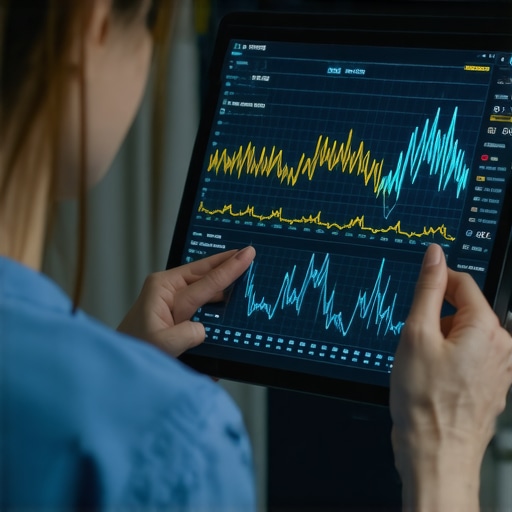
The most common mistake I see in modern wellness is the “normal range” fallacy. Standard lab ranges are calculated based on the average of the people who go to that lab—people who are often already dealing with symptoms. If you want to feel optimal, you must look for functional ranges rather than just staying out of the “danger zone.” This is how how lab tests can detect hidden health risks early in your wellness pathway by identifying trends before they become clinical diagnoses. Have you ever been told your labs were “fine” only to feel like something was still terribly wrong? Let me know in the comments. The hidden trap is ignoring the intersection of lifestyle and immune response. For instance, chronic stress can actually blunt your response to a shot. Understanding why high stress levels make your tetanus shot more painful isn’t just about comfort; it is a physiological signal of how your body is handling the immune challenge.
Maintaining a high-performance body isn’t about a single hero moment; it is about the systems you build to keep the lights on when life gets chaotic. I eventually stopped relying on my memory or a messy folder of printouts from three different doctors. I realized that if I wanted to scale my health, I needed a digital command center. This shift is why I started documenting everything—from my magnesium levels to my antibody titers—in a way that I could access in seconds. Knowing why regular lab tests are critical for your wellness journey is only half the battle; the other half is having the tools to act on that data without spending hours on hold with a clinic.
Ditch the Paper Trail for a Digital Vault
I transitioned my entire health history to a secure, cloud-based health locker. This allows me to see my labs from 2019 side-by-side with my results from last week. When you can visualize the trend lines of your fasting insulin or your RBC magnesium, you stop reacting to single data points and start managing your biology. I personally use a simple encrypted database to track my titers because the essential lab tests you need for accurate vaccination planning are useless if you can’t find them when you’re booking a flight or starting a new job. For my family, this was a game changer, especially when I needed to verify my child’s MMR status without a paper trail in the middle of a school registration frenzy.
The Exact Setup I Use to Monitor My Body
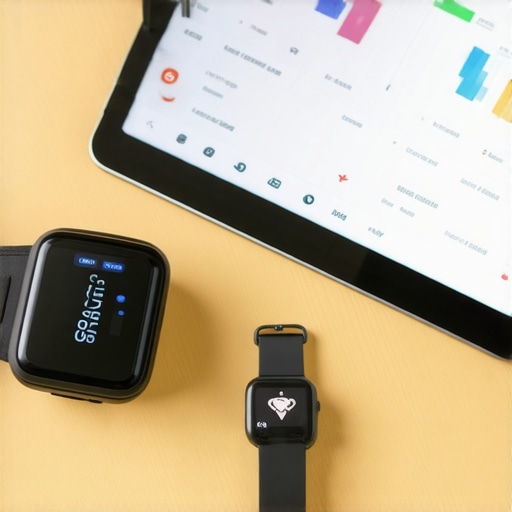
I don’t just guess about my cardiovascular health anymore. I use a Bluetooth-enabled cuff to sync data directly to my phone, which is the better way to track blood pressure at home compared to those erratic machines at the pharmacy. To manage the mental load, I lean heavily on telehealth insights. This allows me to skip the waiting room and have a 15-minute high-level strategy session with a provider who actually understands functional ranges. According to a 2023 study published in the Journal of Personalized Medicine, patients who utilize digital health tracking and remote monitoring demonstrate a 24% higher adherence to wellness protocols. It turns out that when the data is in your pocket, you are far more likely to respect what it is telling you.
How do I maintain these levels as I get older?
The secret is ‘micro-adjustments.’ Every six months, I run a small, targeted panel to see if my lifestyle changes—like a new workout routine or a change in my coffee consumption—are moving the needle in the wrong direction. If I see my markers slipping, I use boost your immunity with expert vaccination tips to decide if it’s time for a booster or if my nutrient absorption is flagging. Maintenance isn’t a chore when you have fast, convenient wellness access that fits into a lunch break. You are scaling your health so that it supports your life, rather than your life revolving around your health problems.
Predictive Blood Work Is the Next Big Leap
Looking ahead, I believe we are moving toward a world where AI will scan our lab results to predict issues three to five years before they manifest. We are already seeing the beginnings of this with advanced lipid fraction testing and genomic markers. In the next decade, your ‘annual physical’ will likely be replaced by continuous, real-time bio-monitoring that alerts your telehealth provider the moment a mineral deficiency or immune gap is detected. To get ahead of the curve, I challenge you to try one advanced move this month: order a titer test for just one childhood vaccine you haven’t thought about in years. Seeing your actual immunity on paper is an incredible feeling of control that no ‘normal’ lab result can match.
Lessons From the Heart Palpitation Frontline
After years of trial and error, I realized that my health wasn’t failing; my strategy was just incomplete. Here is what I wish someone had told me before I spent hundreds on the wrong supplements:
- Supplementing without testing is a gamble. You might be taking magnesium when you actually need potassium, or vice-versa. Always start by understanding lab tests to see what your body specifically lacks.
- The ‘Normal’ range is a trap. Lab standards often reflect a sick population. Aiming for optimal levels is how you go from ‘surviving’ to ‘thriving.’
- Digital records are your superpower. Having your titers and mineral levels in a digital vault makes revolutionizing wellness a reality for your everyday life.
- Timing is everything. Your morning cup of coffee and your vitamins should never meet in your stomach at the same time.
The Digital Wellness Toolkit I Swear By
I didn’t reach this level of health stability alone. #IMAGE_PLACE_FINAL# These are the specific tools and habits that keep me on track:
- Direct-to-Consumer Lab Orders: I use this to bypass the red tape. It’s the best way to get why wellness checks are your first step onto a permanent calendar.
- Bioavailable Magnesium: Look for Glycinate or Taurate forms. They are the only ones that actually helped my heart rhythm without the digestive issues.
- Telehealth Portals: I rely on telehealth innovations to speak with experts who don’t just look at the paper, but listen to my actual symptoms.
- Health Locker App: Any encrypted cloud storage works, but keep your titer results and lab history there for instant access during travel or emergencies.
Own Your Data and Reclaim Your Vitality
You don’t have to live in fear of your next cup of coffee or wonder if your childhood vaccinations are still protecting you. By taking a proactive approach to your personal health and utilizing modern wellness tools, you can move from a state of reactive panic to proactive power. It all starts with one small step: choosing to look under the hood with the right lab tests. You have the tools, the technology, and now the knowledge to design a body that supports your life instead of limiting it. Have you ever felt like your ‘normal’ lab results were missing the bigger picture? Let me know in the comments below!