
The Real Reason You Feel Exhausted Despite Getting Eight Hours of Sleep
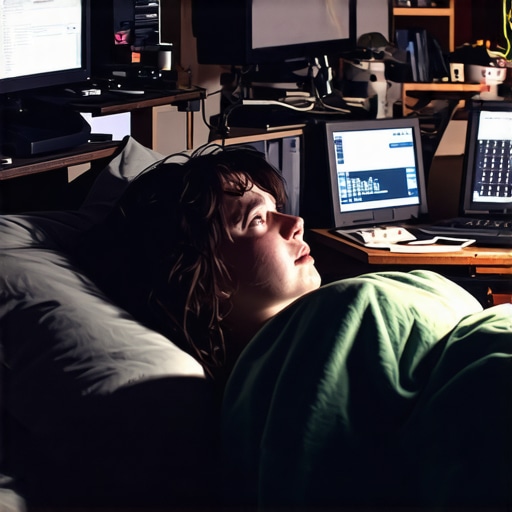
Have you ever lain in bed, eyes closed, sleep finally achieved — only to wake up still feeling drained? I used to think that clinching eight hours was the golden ticket to energy, but reality often told a different story. It’s frustrating, isn’t it? You sit there, exhausted, wondering what you’re missing, despite doing everything right on paper. That was my lightbulb moment — realizing that sleep quality isn’t the whole story.
Why Eight Hours Doesn’t Guarantee Recharge
When I first started feeling chronically exhausted despite my nightly eight-hour routine, I dismissed it as stress or long work hours. But digging deeper revealed that many factors sabotage restful sleep — from hidden health issues to environmental factors. Recently, I learned that even lab tests can uncover silent problems like thyroid imbalances or nutrient deficiencies that undermine sleep quality. For instance, a simple lab test revealed I had subclinical hypothyroidism, silently draining my energy levels.
So, why do we still wake up tired? The answer lies in understanding what truly influences our sleep and recovery. Sometimes, we’re battling issues beyond what appears on the surface — like inflammation or hormonal imbalances. And most of us miss these clues without proper diagnostics. Recognizing that lab tests and preventive strategies are key can change everything.
Is This Common? Why We’re All Misled
Early in my journey, I made a mistake many do — relying solely on the clock and not on how I felt. I ignored the importance of personalized health insights, thinking sleep is sleep. That’s a mistake I want to help you avoid. It’s vital to see sleep as a complex process influenced by nutrition, immunity, and even mental health. As research shows, undetected deficiencies or chronic inflammation can sabotage your rest, no matter how many hours you log. Curious to learn more? Check out how telehealth innovations are making it easier to catch these hidden issues early.
With this in mind, today I’ll guide you through some practical steps to troubleshoot your fatigue, backed by expert insights and my personal experience. Ready to turn your overwhelming tiredness into genuine energy? Let’s dive deeper into the real reasons behind your exhaustion and what you can do about it.
Start With a Personalized Health Assessment
Begin your journey by understanding the hidden factors affecting your sleep. Book a comprehensive wellness check to identify deficiencies or imbalances like thyroid issues or nutrient shortages. I personally scheduled a lab test after noticing persistent fatigue, which uncovered subclinical hypothyroidism that was draining my energy. This step is crucial because it reveals root causes that might be silently sabotaging your rest.
Leverage Telehealth for Fast Diagnostics
Utilize telehealth services to access expert guidance without lengthy waits. During a hectic week, I used a virtual consultation to discuss my lab results and get personalized recommendations. Think of telehealth as your wellness alarm system—quick to alert you about potential threats like inflammation or hormonal imbalances. It’s like having a doctor in your pocket, ready to help interpret complex lab data and suggest targeted interventions.
Identify and Address Nutritional Deficiencies
Pinpoint deficiencies that impair sleep—such as magnesium, vitamin D, or B12—using specific tests like the comprehensive metabolic panel. For example, I discovered my magnesium levels were low, which can hinder relaxation. A simple adjustment in my diet and supplementation made a noticeable difference in sleep quality. Think of your body as a car: missing essential fluids causes it to run poorly. Replenishing these keys fuels your recovery process.
Time Vaccinations and Supplements Strategically
Schedule vaccinations or supplement intake during optimal windows. A recent tweak was taking vitamin D in the early afternoon, aligning with research showing improved absorption and immune support. Check out how selective timing of vaccinations can enhance your body’s defenses. Proper timing can turn routine doses into powerful allies in restoring your energy baseline.
Adopt Consistent Sleep and Wake Cycles
Shift your routine to maintain a regular sleep schedule, going to bed and rising at the same time daily. I shifted my bedtime to 10:30 PM, even on weekends, which gradually stabilized my circadian rhythm. Use alarms and routines to reinforce this cycle—think of it as training your internal clock like a loyal pet. Over time, this habit reduces wakefulness during the night and enhances morning vitality.
Monitor Progress with Simple Virtual Tools
Use digital apps or remote monitoring devices to track your sleep patterns and biomarkers. My experience with a sleep-tracking app revealed subtle disturbances I hadn’t noticed. Regular monitoring acts as a cockpit dashboard, helping you identify trends and respond proactively. For example, noticing a drop in sleep efficiency prompted me to adjust my evening routines, leading to better rest the following week.
Optimize Your Environment for Restful Sleep
Ensure your bedroom favors sleep—dim, cool, and quiet. Consider blackout curtains and a fan to drown out noise. I invested in a quality mattress and removed electronics from my sleeping area. Think of your bed as a sanctuary; when sleep is inviting, your body naturally relaxes faster. Small alterations like these can dramatically improve sleep onset and quality.
Implementing these steps has transformed my mornings from sluggish starts to vibrant awakenings. The journey from fatigue to energy is layered, but with targeted diagnostics and strategic adjustments, sustainable change becomes possible.
Many people believe they fully understand wellness, lab testing, vaccinations, and telehealth, but in my experience, there are crucial nuances that often go unnoticed. A common myth is that more testing always equals better health insights. However, over-reliance on generic panels or indiscriminate testing can lead to confusion and unnecessary anxiety, especially if results are misinterpreted without proper context. For instance, ordering an extensive array of labs without targeted questions may reveal incidental findings that have no clinical significance, distracting you from your real health priorities. This is where personalized guidance from experienced practitioners becomes vital, guiding you toward tests that matter most for your individual risks and goals.
Another misconception revolves around vaccinations. Many think that once vaccinated, they’re fully protected, but this oversimplification ignores the importance of timing, booster shots, and understanding specific vaccine efficacy. Taking vaccines at suboptimal times or neglecting boosters can diminish their effectiveness, especially for adults with compromised immunity. An advanced mistake is dismissing the value of strategic timing; for example, recent studies suggest that administering vaccines like the flu shot during certain times of day may enhance immune response.
Furthermore, telehealth is often hailed as a revolutionary tool, but many overlook its limitations and the importance of active patient engagement. Relying solely on virtual consultations can sometimes lead to missed nuances—like subtle physical signs or environmental factors impacting health—that are more apparent during in-person visits. However, the real power of telehealth shines when integrated into a comprehensive, personalized health plan. Innovations like remote monitoring devices and virtual labs are now making it possible to track biomarkers continuously, enabling proactive management rather than reactive care.
How about the myths surrounding lab tests and their interpretation? A frequent mistake is trusting the reference ranges as absolute indicators. In reality, healthy ranges are often broad, and understanding your unique baseline provides a clearer picture. For example, a slightly elevated lipid level might be a normal variation for your body rather than a sign of disease — especially if you consider contextual factors like inflammation or genetic predispositions. Advanced labs and expert analysis can uncover these subtleties, turning raw data into actionable insights.
Make no mistake—being informed is powerful, but it needs to be coupled with strategic, personalized approaches. Don’t fall into the trap of viewings tests and vaccines as one-size-fits-all solutions or oversimplify the complexities of wellness. As I have learned, integrating lab diagnostics, purposeful vaccination timing, and strategic use of telehealth creates a more nuanced, effective path to optimal health. Because wellness isn’t just about doing more; it’s about doing what truly matters for your unique body.
Have you ever fallen into this trap? Let me know in the comments.
Keep It Working: Essential Tools for Long-Term Wellness
Maintaining optimal health isn’t a one-and-done effort; it’s an ongoing process that benefits from the right toolkit. Over the years, I’ve found that specific devices and software greatly enhance the consistency and accuracy of health monitoring, empowering me to take control of my wellness journey. One indispensable tool is a high-quality sleep tracker like the Oura Ring, which provides detailed insights into sleep stages, heart rate variability, and readiness scores—helping me adjust my routines for better rest.
Complementing this, I rely on continuous glucose monitors (CGMs) such as Abbott’s FreeStyle Libre. They offer real-time data critical for managing insulin sensitivity and preventing metabolic issues. By integrating these readings through compatible apps, I can spot patterns and make dietary adjustments in real-time, an approach I believe is where future health tech is heading.
For lab testing, I favor services that offer at-home sample collection with rapid result turnaround, like VirtuHealth. This allows me to regularly monitor key biomarkers—such as vitamin D, ferritin, and thyroid levels—without the hassle of clinic visits. I personally review these results through a detailed, personalized dashboard that contextualizes my labs against standard ranges, which is crucial since reference intervals can be broad and mislead interpretations. For example, understanding the nuances of lab test interpretation improves my ability to tailor interventions effectively.
To stay updated and manage appointments, I use telehealth platforms like Teladoc Health. They offer quick virtual consultations, allowing me to discuss results, adjust medication, or address emerging health concerns promptly. This aligns with the growing trend of virtual care becoming a staple in preventive health, especially for busy individuals who can’t prioritize frequent in-person visits. As telehealth innovations continue evolving, expect even more sophisticated remote diagnostics and AI-driven personalized recommendations.
Another helpful tool is a quality air purifier designed to reduce allergens and pollutants—critical for restful sleep and respiratory health. I invest in models equipped with HEPA filters and real-time air quality monitoring. Moreover, strategic use of blue light glasses and circadian lighting systems can regulate melatonin production, supporting natural sleep cycles even during demanding schedules.
How do I keep these tools effective over time?
Regular calibration, software updates, and data reviews are key. For example, updating my sleep tracker’s firmware ensures accuracy, while reviewing lab results quarterly allows me to catch subtle shifts before they become problematic. It’s also vital to stay informed—following trusted sources like wellness check insights helps me adapt my tech setup to emerging trends.
Looking ahead, I predict that integrated platforms combining AI analytics with real-time biomonitoring will revolutionize personal health management. Imagine a single dashboard synthesizing sleep, lab tests, activity, and environmental data—giving you actionable insights at a glance. Plus, advancements in micro-sensors and non-invasive diagnostics will make ongoing monitoring even more seamless.
If you’re ready to elevate your wellness game, I recommend trying the latest version of personalized monitoring—such as pairing your sleep tracker with a platform that integrates lab results and telehealth consultations. It’s a proactive approach that keeps your health routine sustainable and responsive to real-time needs. For example, schedule a quarterly review of your biomarker data and adjust your habits accordingly. Small, consistent steps like these lay the foundation for long-term vitality.
Remember, the future of wellness tools is about integration and individualization. Stay curious, adapt your toolkit, and make technology work for you—so your health keeps evolving in the right direction.
Lessons the Healthy Keep Secret from You
- One of the biggest lightbulb moments was realizing that more testing isn’t always better—without proper interpretation, results can mislead and cause unnecessary worry. I learned to focus on targeted tests guided by specialists, which provided real value rather than just more data.
- I discovered that timing matters—whether it’s when I took my vaccines or supplements, aligning doses with my body’s natural rhythms significantly enhanced their effectiveness. This strategic approach transformed my health routines from routine to powerful.
- Engaging with telehealth isn’t just about convenience; it’s about creating a partnership with your healthcare provider. I found that regular virtual check-ins keep me proactive, especially when coupled with at-home monitoring tools, turning health management into an ongoing conversation rather than a one-off visit.
The Power of Thoughtful Resources
- Oura Ring: This sleep tracker gave me unprecedented insights into my sleep cycles and readiness, enabling real adjustments and genuine improvements in rest and energy—trust me, quality sleep is a game-changer.
- Comprehensive Metabolic Panel: I rely on well-curated labs like Vital Clinic’s at-home tests that help me catch deficiencies early. The ability to monitor key biomarkers without the hassle of clinic visits is invaluable for ongoing health optimization.
- Telehealth Platforms: Services like Vital Clinic’s telehealth innovations have connected me with experts swiftly, making decisions faster and more informed. They’re essential tools for anyone serious about personalized wellness, especially amidst busy schedules.
Your Next Step to Lasting Wellness
Embracing the insights I’ve gathered and tools I’ve trusted has been transformative, but the real magic happens when you take your first step. Remember, wellness isn’t a quick fix—it’s a continuous journey fueled by curiosity, discipline, and the right resources. You’ve got the power to shape your health story, so start today with a small, meaningful action. Have you ever questioned the timing of your vaccinations or tried using telehealth for your ongoing health concerns? Share your experiences below and let’s build a community of proactive wellness champions.