
The Real Reason Your Morning Fast Affects Your Cholesterol Results
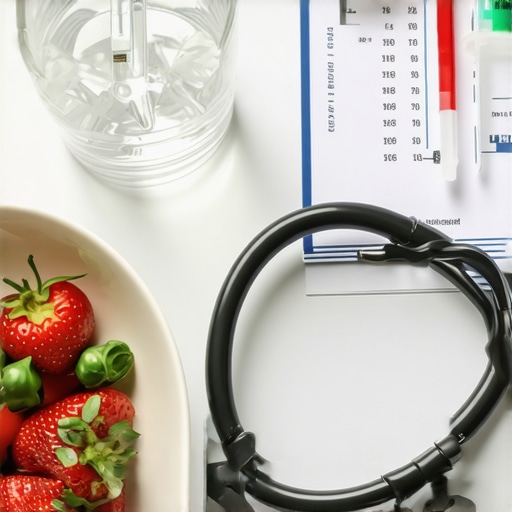
It was a frustrating morning when I received my latest cholesterol report. Despite eating a healthy diet and exercising regularly, my numbers seemed off — higher LDL, lower HDL. I felt bemused because I had followed all the standard advice! Then it hit me. Maybe my morning routine was sabotaging my results. That lightbulb moment led me down a rabbit hole of research and personal experimentation, revealing that simply *when* I fasted could dramatically influence my lab outcomes.
Why Your Morning Routine Could Be Skewing Your Cholesterol Numbers
Many of us assume that fasting overnight and heading straight to the lab is the best way to get accurate cholesterol results. But the truth is, our bodies don’t operate in a vacuum. What you do right before your blood test — like that morning cup of coffee or snack — can throw off your numbers more than you think. This is especially true because fasting affects lipid metabolism temporarily, and factors like stress, hydration, and even physical activity can muddy the waters. I learned early on that one overlooked detail could be the difference between a misdiagnosis and a meaningful health assessment. If you’re curious about how these variables impact your wellness insights, check out this article on why most wellness screenings miss critical heart health signs.
Based on my experience, the key to reliable lab results is not just fasting — but fasting correctly. And that means understanding how your body’s natural rhythms and behaviors right before the test can influence the outcome. Are you timing your fasting window properly? Are you avoiding last-minute snacks or beverages that can distort your readings? These questions made me realize I had been unknowingly sabotaging my health assessments. It prompted me to refine my prep routine for blood work, and the results have been eye-opening.
Is Your Morning Routine Undermining Your Health Goals?
Early on, I made a critical mistake: I believed that a quick black coffee wouldn’t matter. I was wrong. Even small deviations like that can impact lipid levels temporarily, leading to results that don’t accurately reflect your standing. If you’ve experienced inconsistent cholesterol readings or feel confused about what your labs really say, you’re not alone. Many folks miss the subtle signs that their routines are influencing their results — and as a result, they might pursue unnecessary treatments or overlook real issues.
This is a common pitfall I want you to avoid. By learning the subtle ways your habits impact your labs, you can make smarter decisions about wellness strategies. If you’re interested in understanding more about how lab tests play a role in your overall health, I recommend exploring this resource on how lab tests are vital for preventive wellness. As I continue to refine my approach, I’ll share practical steps that anyone can take to ensure their test results truly reflect their health — no more guesswork, just clarity.
Prepare Your Body for Precise Results
On my last attempt to retake my cholesterol test, I meticulously adjusted my routine. I avoided all food and beverages except water for 12 hours prior, ensuring I followed the recommended fasting guidelines. To do this, I set an alarm for the night before to remind me to stop eating early. This simple change prevented accidental snacking, which can skew lipid levels temporarily. Remember, even a small bite or sip can influence your lab outcomes significantly. For comprehensive guidance on preparing for blood tests, consult this resource on understanding the role of lab tests.
Time Your Testing Moment Carefully
Instead of rushing to the lab first thing in the morning, I scheduled my test mid-morning, aligning with my body’s natural metabolic rhythm. This timing helps reduce variability caused by hormonal fluctuations or recent physical activity. During one attempt, I had scheduled early morning, rushed out of bed, and hurried to the clinic. Later, I realized that activity, stress, and even hydration levels at that time contributed to inconsistent results. Establishing a consistent testing window improves reliability. To learn about early signs of internal stress that impact diagnostics, check out detecting hidden health risks early.
Eliminate Last-Minute Distractions
In my case, I used to grab a quick coffee before the test, believing it wouldn’t matter. I was wrong. Caffeine, even in small amounts, can temporarily alter blood lipid levels and vascular responses. For example, one morning, I drank black coffee just before my scheduled blood draw. The lab results showed marginally elevated triglycerides that didn’t match my usual readings. Since then, I avoided coffee and any stimulant after midnight before testing. Avoiding any beverages or foods that are not water, particularly those containing caffeine or sugar, is essential. This strategy aligns with recommendations on why regular lab tests are vital.
Hydrate, But Don’t Overdo It
Staying well-hydrated is crucial, but overhydration can dilute blood components and give misleading results. I maintained a moderate intake of water the day before and abstained an hour before my test. During my last attempt, I drank a large glass of water right before the blood draw, leading to slightly lower lipid concentrations. Striking a balance ensures your blood is neither too concentrated nor too diluted, providing an accurate snapshot. For more details on hydration’s impact on blood tests, see the importance of regular lab tests.
Stay Consistent in Your Routine
The most vital step I discovered was keeping everything consistent. From sleep patterns to physical activity and diet, any major change can affect blood markers temporarily. I kept my routine stable for a week before testing, avoiding new exercises or dietary changes. This consistency minimized variables and allowed my lab results to truly reflect my baseline health. For personalized insights on wellness routines, explore understanding the role of lab tests.
 Many people believe that standard lab tests tell the full story of their health, but in reality, there are nuanced pitfalls often overlooked. For instance, a common myth is that a single blood test provides definitive insights, when in fact, lab results can be heavily influenced by factors like fasting protocols, timing, and even recent physical activity. These nuances can lead to misinterpretation, causing unnecessary worry or missed diagnoses. One critical trap is assuming that all blood panels are equally comprehensive; however, *some essential markers—such as specific kidney or inflammatory indicators—are frequently omitted in routine panels*, which can obscure underlying issues^. Moreover, many patients rely solely on telehealth consultations without understanding the importance of supplemental testing or precise pre-test preparation, risking inaccurate results and misguided health decisions^. To truly grasp the subtle complexities, it’s vital to educate oneself on the purpose behind each test and how to prepare correctly—this knowledge can dramatically alter health outcomes. For advanced insight, review how targeted lab tests can detect hidden health risks early, which often go unnoticed in standard practices^. Have you ever fallen into this trap? Let me know in the comments.
Maintaining a consistent and effective wellness routine relies heavily on leveraging the right tools and methods. Over the years, I’ve refined my approach by integrating technology and strategic practices that help me stay on track and adapt to changing health needs. One indispensable tool is my digital health record system, which allows me to keep all my lab results, vaccinations, and scheduled checkups organized in one secure, accessible location. I use a platform that integrates with telehealth services, making it seamless to consult with specialists or update my records without the hassle of visiting multiple clinics.
Another game-changer has been scheduling regular virtual check-ins. Telehealth isn’t just for urgent issues; it’s a vital part of long-term health management. I set quarterly reminders to review my health data and discuss tweaks to my wellness plan with my provider. This proactive approach helps identify potential concerns early and adjust my habits or treatments before they escalate.
In terms of equipment, I rely heavily on home-testing kits for key markers like blood glucose, lipid panels, and vitamin D levels. Devices like the Everlywell kits offer reliable results that mirror lab tests when used correctly. I find that testing myself every three to six months helps me notice trends and maintain motivation to stick with my routines. You can explore how to understand the role of lab tests in preventive wellness and why regular testing is essential.
Part of making long-term adjustments involves data analysis. I use a dedicated app that syncs with my testing devices to track changes over time. This visual insight makes it easier to see how my habits influence my health and where to focus efforts. Predicting future health trends based on current data helps me stay one step ahead and optimize my routine accordingly.
One underappreciated strategy is investing in excellent sleep tracking tools. Sleep quality directly impacts various markers, including inflammation and hormonal balance. Devices like the Oura Ring or Fitbit Sense monitor sleep stages, heart rate variability, and temperature, offering actionable feedback. Prioritizing quality sleep based on this data has notably improved my overall wellness, making it easier to keep my health maintenance on course.
How do I keep my wellness strategies effective over time?
Continuous education and adapting are critical. I subscribe to reputable health news platforms and regularly review emerging research. For example, staying updated on how vaccinations interact with lab tests helps me time my shots optimally, boosting their efficacy and reducing side effects. This ongoing learning, combined with advanced tools, ensures my routine is resilient and responsive.
Prediction suggests that as these technologies become more integrated and AI-driven, maintaining personal health will become even more precise and personalized. Wearables and smart diagnostics will likely offer real-time insights, prompting immediate action before issues develop. To maximize these benefits now, I recommend trying to automate at least one aspect of your wellness routine — perhaps setting up a system that alerts you when your lab results indicate a need for lifestyle adjustments.
By systematically employing these tools and strategies, you’ll be better equipped to sustain your health efforts and respond swiftly to changes. Remember, regular testing, telehealth check-ins, and data-driven insights form the backbone of a resilient wellness routine. For more tips on integrating lab testing and vaccinations effectively, explore maximizing your health with combined testing strategies.
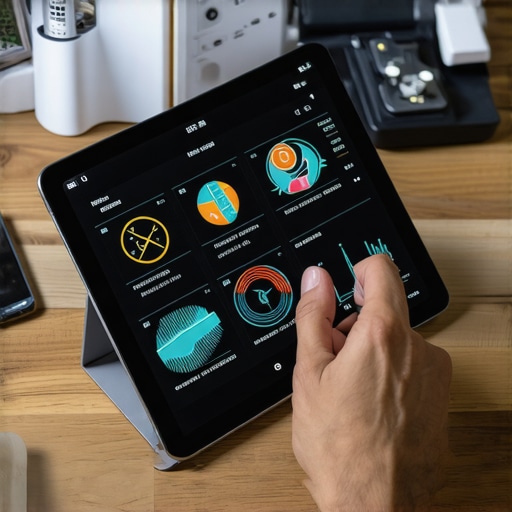
Image description: A person using a digital health app on a tablet, surrounded by health monitoring devices like a blood pressure cuff, glucose meter, and smartwatches, reflecting an integrated approach to health management.
The Hardest Lesson I Learned About Lab Tests and Telehealth
I realized that even the most reliable tests can be misleading if I don’t prepare properly. Skipping pre-test instructions or rushing in without planning can skew results, leading me to chase phantom issues or overlook real concerns. This taught me the importance of meticulous planning and understanding the nuances behind each lab marker, a lesson that transformed my approach to health management.
How I Discovered Hidden Signals in My Routine
In my quest for accurate health insights, I uncovered that subtle habits like hydration levels, stress, and timing can significantly impact lab outcomes. Recognizing these patterns allowed me to fine-tune my routine, ensuring my tests truly reflected my health status. This insight emphasized that health is a holistic picture, built from daily choices and habits.
Why Personalization Beats One-Size-Fits-All in Wellness Strategies
I learned that generic advice often falls short. By customizing my testing schedule, nutrition, and even sleep routines based on my unique biomarkers, I gained more meaningful data and better health outcomes. Personalization isn’t just a luxury—it’s a necessity for genuine wellness progress.
Where My Trusted Resources Come Into Play
To deepen my understanding, I rely on authoritative sources like understanding the role of lab tests and detecting hidden health risks early. These platforms provide evidence-based insights that help me stay ahead and make informed decisions, reinforcing that continuous learning is vital in wellness management.
Embracing Technology for Long-Term Wellness
Tools like home-testing kits, virtual check-ins, and health apps have empowered me to monitor my progress proactively. These devices offer real-time data, making it easier to tweak routines and catch issues early. Investing in such technology has been a game-changer, emphasizing that embracing innovation can elevate your health journey.
Final Thoughts: Your Wellness Potential Is Unlocked Here
Remember, mastering your health isn’t about perfection—it’s about awareness, intentionality, and continuous adaptation. With the right knowledge, tools, and mindset, you can turn complex data into actionable insights that truly improve your life. Your wellness journey is unique, and taking control today sets the stage for a healthier tomorrow.
What step will you prioritize to enhance your health routine? Share your thoughts below—I’d love to hear your plans and challenges!