
The Secret to Getting an Urgent Prescription Refill on a Sunday Night

Ever found yourself frantically staring at the clock on a Sunday evening, realizing you’ve run out of essential medication just when your weekend is winding down? That sinking feeling of helplessness, knowing the pharmacy is closed, can turn an already stressful moment into a full-blown panic. I remember one night, reaching for my prescription refill, only to be met with the harsh reality: it was too late, and I was stuck. But here’s the thing—there are ways to beat that frustration and ensure your medication needs are covered, even when the week’s chaos hits after hours.
Why Getting an Urgent Prescription Refill on a Sunday Night Matters
In today’s busy world, our health can’t wait for regular office hours. Whether it’s a critical medication for managing blood pressure, insulin for diabetes, or antibiotics for an infection, delays can have real consequences. Waiting until Monday morning or risking a trip to an urgent care clinic isn’t just inconvenient; it can be risky. Plus, with the rise of telehealth technology, there’s an increasing ability to get what you need when your usual options are closed.
Setting up a reliable process to get these urgent refills can be a game-changer. It saves you time, stress, and possibly additional health complications. But how? And what precautions should you take to make sure it’s done correctly? That’s what I’ll share in the upcoming sections—my personal experience, expert tips, and actionable steps to ensure you’re never caught off guard again on a weekend night.
Will Telehealth Really Save the Day?
I’ll admit, my initial skepticism about telehealth was high. I wondered if virtual visits could truly handle urgent prescription needs without endless hoops and delays. My early mistake was assuming I needed in-person visits for everything, which led to wasted time and unnecessary stress. But after exploring more, I found that connecting with providers virtually can be fast, efficient, and yes—sometimes even preferable, especially in urgent moments. For more insights, check out how telehealth is transforming access.
Keep reading, because I’ll show you exactly how to make these superpowers work for you, ensuring that your health emergencies don’t have to wait until Monday morning.
Set Up Telehealth Access Now
First, register with a reliable telehealth platform before an emergency arises. I did this on a quiet weekday, creating an account on VitalClinic’s website, ensuring my insurance details and medical history were up-to-date. This proactive step allowed me to connect instantly when I needed an urgent refill and avoided wasting time signing up during a crisis. For comprehensive benefits, see exploring telehealth benefits.
Prepare Your Medical Information
Gather your prescription details, recent lab tests, and vaccination records ahead of time. Think of this as gathering your ‘battle gear’—without it, your virtual doctor might need to delay or ask for more info. I kept digital copies of my prescriptions and recent lab results organized in a secure folder on my phone, which sped up the consultation process. If you’re unsure which tests are relevant, check out understanding lab tests.
Schedule a Timely Virtual Visit
Use the telehealth app to choose a time slot. If it’s after hours, select the ‘urgent’ or ‘same-day’ option, if available. During my experience, I booked a session for 7:00 PM, which was immediately confirmed. Be clear about your need for an urgent refill when describing your situation. This prompt communication can prevent unnecessary delays and help the provider prioritize your case. Remember, many platforms also accept walk-in virtual visits, so check their policies beforehand.
Communicate Clearly and Concisely
Describe your urgency and provide your medical background succinctly. Just like telling a story, include recent lab tests, current medications, and why you need the refill now. I explained that I was running out of my blood pressure medication and attached scans of my recent lab results via the platform’s file upload feature. Effective communication minimizes back-and-forth, speeding up approval, similar to how vaccination strategies require clarity for optimal timing.
Receive and Confirm Your Prescription
Once approved, the provider may send the prescription directly to your pharmacy or provide a digital prescription link. When this happened to me, I received the digital script via email, which I then forwarded to my pharmacy for immediate processing. Confirm that your chosen pharmacy accepts electronic prescriptions and update your records accordingly. This process can be likened to using a fast lane—cutting through routine delays to get your medication promptly.
Follow Up If Necessary
If your prescription isn’t fulfilled within a few hours, contact your pharmacy directly or return to the telehealth platform to check on status. In my case, I called the pharmacy after two hours and confirmed they had received the prescription, then picked up my meds. Keeping a record of the conversation and timestamps helps if any issues arise later, akin to tracking your shipment when ordering online. These steps ensure you’re covered and can prevent future emergencies from catching you unprepared.
By establishing these steps beforehand, you transform a potentially chaotic Sunday night into a manageable process. Remember, proactive preparation and familiarization with telehealth options are your best defenses against run-out risks and late-night stress.
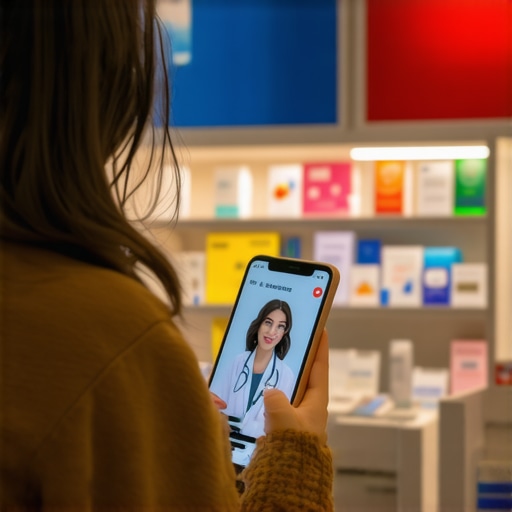
While telehealth has revolutionized access to medical care, many individuals harbor misconceptions that can undermine its benefits. A common myth is that virtual consultations are only suitable for minor issues, but in reality, telehealth providers can assess and manage complex, chronic conditions when approached correctly. However, one hidden trap many fall into is assuming that all telehealth services are equally comprehensive, leading to overlooked nuances in testing and preventive strategies.
An often overlooked nuance is the importance of understanding the role of lab tests in preventive wellness. Many people think lab tests are only necessary when symptoms appear, but proactive testing can uncover silent health risks long before they manifest clinically. For example, an advanced test like the comprehensive wellness check can reveal hidden issues such as insulin resistance or hormonal imbalances that standard panels might miss.
Can skipping lab tests truly hide underlying health threats?
Absolutely. Relying solely on symptoms or routine panels may create a false sense of security. Recent studies indicate that many metabolic and inflammatory conditions go undetected with basic panels, but targeted testing can catch early warning signs, enabling timely interventions. This highlights a crucial point: specific biomarkers are invaluable for precision in preventive care, yet they are often underutilized.
Additionally, there’s a dangerous misconception that vaccinations should be avoided or delayed due to fear of adverse reactions. In reality, many overlook the importance of personalized vaccination schedules tailored to your lifestyle and health status, which can optimize immunity and reduce risks from preventable diseases. Neglecting such personalized approaches may ironically increase vulnerability, especially in immunocompromised individuals.
In essence, the key to leveraging telehealth and preventive medicine safely and effectively lies in understanding these nuanced distinctions. Don’t fall into the trap of oversimplifying complex health strategies; rather, prioritize targeted testing, personalized vaccination plans, and a proactive mindset. By doing so, you’re not just reacting to health issues but actively preventing them.
Have you ever fallen into this trap? Let me know in the comments.
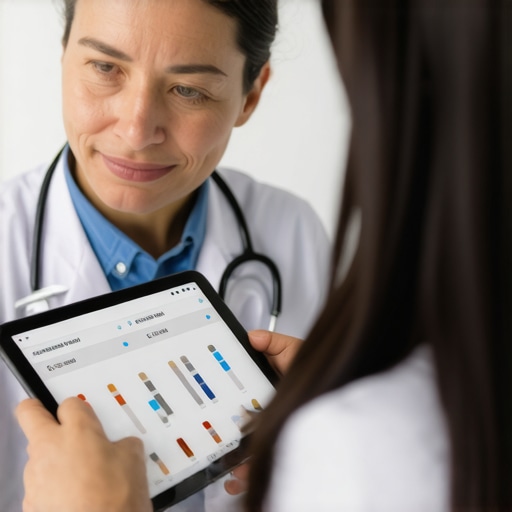 Staying consistent with your wellness routine requires the right tools and software that not only fit into your lifestyle but also help you track progress effectively. Personally, I rely heavily on comprehensive digital health platforms like VitalClinic to monitor lab results and vaccination statuses, which simplifies scheduling and follow-ups. For medication management, apps such as Medisafe ensure I don’t miss doses, with alerts tailored to my routines, reducing the risk of missed doses or overlaps. Additionally, integrating a Bluetooth-enabled blood pressure monitor, like the Omron Platinum, allows me to record and analyze readings over time via dedicated apps, helping identify trends before issues escalate. When it comes to lab testing, I prefer services like Everlywell, which send discreet test kits to my home, making preventive screenings more accessible without the need for frequent clinic visits. Looking ahead, advancements in AI-powered health dashboards promise even more personalized insights, predicting potential health concerns before symptoms appear. How do I maintain these tools over time? Regularly updating apps, syncing devices to avoid data gaps, and scheduling quarterly reviews of my health data ensure everything stays current and reliable. For instance, I set calendar reminders to review my lab results and discuss anomalies during virtual check-ins. This proactive approach not only keeps my health metrics in check but also empowers me to make informed decisions swiftly. Want to optimize your wellness tools? Start by trying the tip of integrating Bluetooth health devices with your main health management app for real-time tracking—it’s a game-changer for early detection. Remember, consistency with these tools is key to seamless health maintenance, and as technology evolves, the potential for truly personalized healthcare is just around the corner.
Lessons From My Most Surprising Moments in Wellness
One thing I learned the hard way is that even the best intentions can sometimes fall short when navigating telehealth—be it missed lab results or overlooked details, the devil is in the details. I once assumed that uploading my recent lab test was enough, only to discover later that some crucial markers were missing, delaying my care. That taught me to double-check every test result and stay proactive. Another lightbulb moment was realizing that not all telehealth platforms are created equal—some handle urgent prescriptions better than others, making prior research essential. And perhaps the most valuable lesson: building a network of reliable, proactive healthcare tools and resources before an emergency strikes is what truly makes a difference.»},{