
The Simple Fix for Better Sleep That Your Lab Work Might Reveal
Have you ever tossed and turned all night, feeling frustrated that no matter what you try—warm milk, meditation, even counting sheep—sleep remains elusive? I’ve been there, staring at the ceiling, wondering if my sleep troubles were just part of aging or stress. Then came a lightbulb moment: what if the key wasn’t just in what I did before bed, but what my lab work could reveal about my body’s hidden needs?
The Hidden Clues in Your Lab Work That Could Transform Your Sleep
It’s easy to overlook the significance of lab tests—they often seem like routine check-ups, merely confirming whether we’re healthy or not. But I’ve discovered they hold powerful insights, especially when it comes to something as elusive as sleep quality. For instance, certain nutrient deficiencies, hormonal imbalances, or signs of stress can be quietly sabotaging restful nights. And the best part? Many of these issues are fixable once identified through simple lab work.
Is Lab Testing Overhyped or Truly Worth It?
I’ll admit, I used to think lab tests were just for diagnosing major illnesses, not for everyday sleep struggles. I made the mistake of ignoring the wealth of information they could provide for subtle, yet impactful, health concerns—like low magnesium or thyroid imbalances—that directly influence how well we sleep. Early on, I assumed that if I felt okay, I didn’t need tests. That was a mistake. Studies have shown that routine wellness checks and targeted lab testing can identify underlying issues before they turn into bigger health problems, including sleep disturbances. Want to see how these insights can help you? Check out why regular wellness assessments are your first step to better health.
Start with Precise Lab Assessments
My first step was booking a comprehensive lab test, focusing on nutrients like magnesium and vitamin D, as well as thyroid function. I contacted my provider through Vital Clinic’s contact page to schedule an appointment. Think of this as tuning your car before a long road trip—you need to check all the vital parts to identify what might be causing the rough ride.
Identify the Hidden Culprits
Once I received my results, I examined markers indicating deficiencies or hormonal imbalances. For example, low magnesium could be subtly sabotaging my sleep. This process is like detective work; you piece together clues from your labs to uncover what’s really holding you back. To better understand your results, read this guide on lab test interpretation.
Leverage Telehealth for Expert Guidance
Next, I scheduled a virtual consultation using telehealth services. Think of telehealth as having a specialist right in your living room—avoiding long waits and travel expenses. During the appointment, I discussed my lab findings in detail, and the clinician recommended personalized supplements and lifestyle tweaks. This step is like hiring a coach to customize your game plan, ensuring every move is tailored to your needs.
Implement Actionable Changes
Based on expert advice, I started supplementing magnesium and adjusting my diet. I also incorporated specific stress-reduction techniques that targeted my cortisol levels. Remember, small, consistent actions compound over time—improving sleep quality significantly. To stay informed on this approach, explore how lab tests can detect early health risks.
Track Progress and Adjust
After implementing these changes for a few weeks, I retested to see how my markers responded. This is akin to checking your map after a detour—if you’re still off-course, recalibrate. Regular lab assessments, combined with telehealth check-ins, create a dynamic feedback loop essential for long-term wellness. For more insights on maintaining progress, consult the importance of routine testing.
Questioning the Common Assumptions About Telehealth
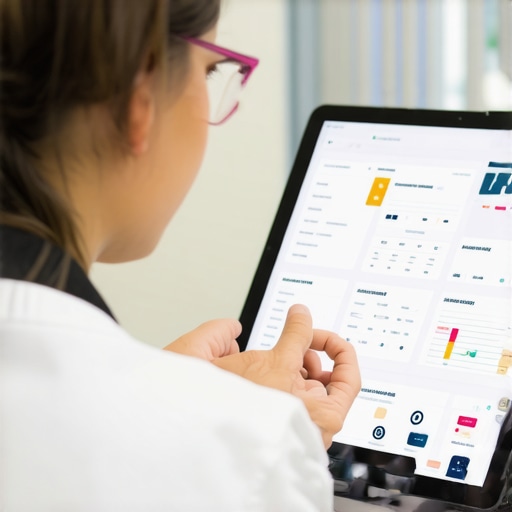
Many assume that telehealth is just a convenient way to skip in-person visits, but in my experience, it offers far more nuanced benefits when used strategically. While some dismiss remote consultations as less thorough, evidence shows that virtual care can provide comprehensive assessments, especially when combined with detailed lab testing. The misconception that telehealth is only suitable for minor issues overlooks its potential for advanced diagnostics and personalized treatment plans. For instance, studies like those referenced in wellness check insights demonstrate how remote labs and consultations can uncover hidden health risks early.
Dispelling Myths About Wellness and Preventive Measures
Many believe that wellness is solely about diet and exercise, but the real power lies in the behind-the-scenes lab markers that reveal the body’s subtle imbalances. For example, Chasing only visible symptoms often leads to missed diagnoses. Regular lab assessments can detect deficiencies in magnesium, vitamin D, or hormonal imbalances that silently undermine our health, including sleep quality. However, a common trap is relying solely on generic panels, which can miss early signs of metabolic stress or nutrient deficits. To avoid this, personalized testing guided by experts can provide targeted insights, as discussed in lab test interpretation.
Vaccine Myths and Misunderstandings
Contrary to popular belief, vaccinations are not a one-size-fits-all solution, and misconceptions about vaccine schedules can lead to suboptimal protection. Some assume that the standard immunization schedule in childhood or adulthood is sufficient for everyone, but in reality, personalized vaccination plans can optimize immunity, especially for travelers or immunocompromised individuals. The misconception that vaccines are unnecessary after childhood can leave gaps in disease prevention. Recent research, such as summarized in vaccination myths busted, emphasizes the importance of individualized approach based on lab assessments and risk factors.
What Advanced Mistakes Do People Frequently Make?
One common pitfall is neglecting the interpretation of complex lab markers, leading to incomplete diagnoses or ineffective interventions. For instance, not recognizing the significance of subtly elevated high-sensitivity CRP levels can miss early signs of inflammation, increasing cardiovascular risk. Failing to address these nuances often results in reactive rather than proactive health management. An article in expert literature highlights how focusing solely on common markers without understanding their interplay can undermine wellness goals. Remember, the devil is in the details, and advanced understanding is key to effective health strategies.
Thinking deeper about these nuances helps avoid the trap of superficial assessments. Are you falling into this common misconception? Share in the comments how you’ve navigated these challenges or learned to spot the finer details of your health journey!
Keep Your Wellness on Track with the Right Tools
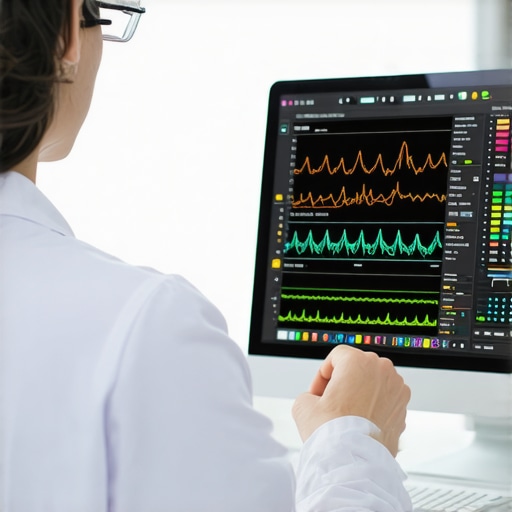
Staying consistent in health practices requires more than just motivation; it demands the right tools and systems. Personally, I rely on a combination of advanced testing methods and digital platforms that ensure accuracy, convenience, and ongoing accountability. For instance, I use at-home lab testing kits for nutrient and hormone assessments—this approach allows me to monitor critical markers like magnesium levels or thyroid function without the hassle of frequent clinic visits. These kits, which can be ordered online and processed locally, provide detailed insights and help me personalize my wellness plan effectively.
Additionally, I leverage telehealth platforms like virtual care services that connect me with specialists in real-time. These platforms are invaluable for discussing lab results, adjusting supplementation, or managing chronic conditions without the need for in-person appointments. The future of healthcare is moving toward even more integrated tools—think AI-driven health dashboards that can interpret your lab data, suggest personalized interventions, and sync seamlessly with wearable devices.
For maintaining long-term results, tracking software like MyHealthApp or custom spreadsheets help me visualize trends across various markers, enabling proactive adjustments. As research advances, I predict an increasing shift toward AI-powered health assistants that will analyze your data continuously, providing real-time alerts for potential issues based on shared thresholds. This proactive approach could revolutionize personal health management, turning reactive care into preventative mastery.
How do I maintain my wellness routines over time?
The key lies in consistency and ongoing evaluation. Regularly scheduled labs—guided by wellness checks—combined with telehealth consultations create a feedback loop that keeps health metrics aligned with your goals. Setting reminders for periodic testing and utilizing digital health assessments ensures you catch subtle shifts before they manifest into bigger issues. Overcoming complacency is easier when you see clear progress and understand the precise impact of each intervention. To further optimize your efforts, consider incorporating advanced tools like continuous glucose monitors or hormone level trackers, which offer near real-time insights into your body’s responses.
Moreover, educating yourself about the latest in health technology is vital. For example, recent studies in telehealth innovations, such as those discussed here, reveal how remote diagnostics and virtual coaching can supplement traditional care. These developments not only make maintenance more approachable but also improve long-term adherence by delivering personalized feedback directly to your device.
By integrating these targeted tools with a proactive mindset, you can transform wellness maintenance from a reactive chore into an empowering routine. Start by ordering a comprehensive lab assessment—like the ones promoted here—and schedule a telehealth consult to interpret your results. This initial step opens the door to a sustainability plan tailored exactly to your body’s needs, setting the stage for lasting health improvements.
The Hardest Lessons I Learned About Telehealth and Wellness
- Sometimes, the most vital insights come from states of discomfort or uncertainty. I realized that dismissing subtle lab markers delayed my progress, teaching me to pay attention to even minor anomalies. This experience underscored the importance of personalized data rather than generic advice, especially when it comes to sleep and chronic fatigue.
- Trusting technology over assumptions can be transformative. Virtual consultations and home testing kits often reveal hidden deficiencies or imbalances that physical visits might miss. Embracing digital health tools has allowed me to be proactive rather than reactive, fostering a deeper understanding of my body’s needs.
- Patience, paired with consistent data tracking, yields real results. Short-term changes are great, but ongoing labs and adjustments create sustainable improvements. This approach has helped me avoid the common pitfall of temporary fixes and has cultivated true wellness over time.
- The insights I gained about nutrient deficiencies and hormonal imbalances changed how I view health. Achieving better sleep wasn’t just about lifestyle tweaks—it involved understanding and addressing the root causes unveiled through targeted lab work and expert guidance.
- Finally, I learned that education and curiosity are your best allies. Exploring credible sources and asking informed questions during telehealth sessions empower you to make decisions aligned with your unique health profile. This mindset transformed my wellness journey from guesswork to confident action.
My Essential Toolkit for Optimal Health
- Comprehensive Lab Testing Kits: Trusted for their accuracy and convenience, these kits allow me to monitor key markers like magnesium, vitamin D, and thyroid function from home, helping to catch issues early. I recommend exploring options that focus on personalized panels for nuanced insights.
- Virtual Consultation Platforms: Reliable telehealth services that connect me with specialist clinicians, ensuring I get tailored advice without the hassle of clinic visits. They make ongoing management of nutrients and hormones straightforward and accessible.
- Health Tracking Apps: Digital tools that help visualize trends over time. Seeing changes in lab markers and correlating them with lifestyle adjustments keeps me motivated and aligned with my wellness goals.
- Educational Resources: Well-curated guides and webinars that deepen my understanding of lab results and their impact on sleep and overall health. Knowledge is power, especially when interpreting complex data.
Step Into Your Power and Transform Your Sleep with Smart Moves
Health isn’t a passive journey—it’s an active pursuit rooted in knowledge, curiosity, and consistent action. By leveraging lab tests, telehealth, and tailored lifestyle tweaks, you hold the keys to unlocking better sleep, higher energy, and lasting wellness. Remember, your body’s signals are whispers until you learn to interpret them. Now is the time to take that first step—empowered, informed, and ready for change. Have you ever wondered what hidden health markers might be silently sabotaging your sleep? Share your experiences or questions below and start your journey toward deeper understanding and better health today.