
The Simple Fix for Getting Blood Work Done When You Have Small Veins
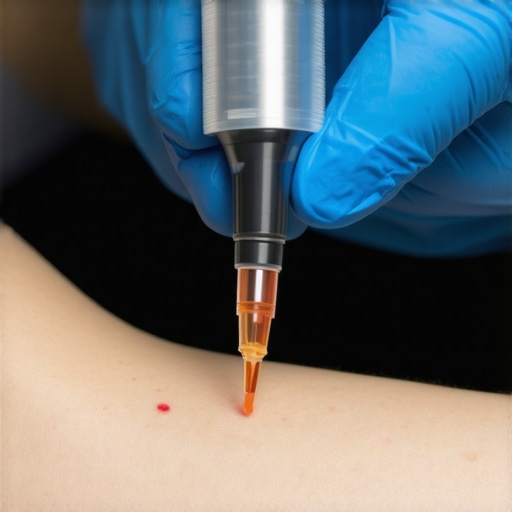
Have you ever sat in the blood drawing chair, feeling that infamous rush of panic as the nurse tries yet again to find a vein? Or maybe you’ve had to reschedule appointments because the tiny veins in your arms seem to disappear whenever they need to draw blood. I know that frustration all too well—it’s like trying to find a needle in a haystack with trembling hands. That moment of vulnerability can make something as routine as a blood test feel like an insurmountable challenge. But here’s the truth: you’re not alone, and more importantly, there’s a simple fix that many overlook.
When Small Veins Make Blood Draws a Nightmare
For those of us with small or elusive veins, especially in older adults or individuals with certain health conditions, routine blood work can turn into a stressful ordeal. I’ve been there myself—wasting time, feeling anxious, and sometimes even resorting to less-than-ideal methods just to get the sample needed. The anxiety isn’t just about discomfort; it can also delay vital diagnoses or wellness checks. The good news? Once I learned about a straightforward approach tailored for small veins, everything changed. No more multiple sticks, no more unnecessary discomfort—and I want that for you, too.
Understanding this common problem is important because accurate blood tests are foundational to good health. They help detect hidden risks, monitor existing conditions, and guide treatment plans. However, if your veins are uncooperative, your results might not be as reliable as they could be, potentially leading to delayed diagnoses or misinterpretations. That’s why mastering the art of finding and accessing small veins is such a game-changer.
Is Your Small Vein Problem Actually a Big Deal?
Early in my journey, I made a rookie mistake: I assumed that all veins are created equal and that a skilled phlebotomist could find my vein regardless of size. Wrong. It seemed simple, but I underestimated how the anatomy of small veins differs and how it impacts blood draws. Once I started to learn about techniques and tools that cater specifically to small veins, my worries eased significantly. I also discovered that telehealth offers excellent ways to consult with specialists who can guide you in finding the best approach—more about that later.
Did you know that about 20% of people have veins that challenge even experienced professionals? It’s more common than you think and doesn’t reflect on your health or hydration status. Understanding this is the first step to taking control of your wellness and making blood tests less stressful. Ready to explore the simple, effective strategies that can help you confidently get your blood work done without the frustration? Let’s dive into the essential steps that can turn this challenge into a quick, painless routine.
Prepare Before Your Blood Draw
Start by staying well-hydrated; drinking plenty of water 15-30 minutes before your appointment helps veins become more prominent and easier to access. Avoid caffeine or alcohol, as they can constrict veins, making blood collection more challenging.
Wear loose, comfortable clothing with sleeves that can be easily rolled up. This simple step allows the phlebotomist quick access to your arm without unnecessary discomfort.
Choose the Right Position and Relax
Lie down if you’re anxious or tired—this can improve blood flow and reduce fainting risk. Try to stay calm; tension causes veins to constrict, complicating the process. Deep breathing exercises or distraction techniques may help ease nerves.
Locate and Mark Favorable Veins
Look for superficial veins—not too close to the surface, but visible and palpable. For small or elusive veins, gently tapping the area or warming it with a warm cloth can cause veins to swell slightly, improving visibility. If you’re unsure, consider consulting a specialist beforehand or asking about techniques used for small veins.
Utilize Proper Tech and Tools
Phlebotomists often use smaller gauge needles and butterfly sets tailored for small veins. If you’re aware of this, request these specific tools, or inform the staff of your small veins. For individuals with recurring difficulties, some clinics utilize ultrasound guidance, which can be a game-changer—more on that soon.
The Role of Telehealth in Finding Solutions
Did you know that telehealth consultations can connect you with vascular specialists who advise on vein access techniques? They might suggest specific exercises or even recommend vein visualization apps. This kind of virtual guidance, described in telehealth insights, empowers you to take control of your blood testing process.
Communicate Clearly with Your Phlebotomist
Share your concerns upfront. Effective communication ensures they can adapt their approach—perhaps by trying different sites or employing mini-tourniquets to enlarge veins temporarily. Remember, skilled staff often know visual tricks to locate small veins more easily, such as assessing the warmth and firmness of the area.
After the Procedure, Take Care
Apply gentle pressure with a clean cotton ball or gauze to prevent bruising. Keep your arm elevated for a few minutes and hydrate afterward to support healing and vein recovery.
By implementing these steps, you take active control over the blood draw experience, making it quicker and less stressful—especially if small veins have been an obstacle in the past. For further insights into how lab tests contribute to your wellness, visit understanding lab tests.
While the surface of wellness and telehealth often appears straightforward—simple checklists, quick tests, and convenient vaccines—there’s a deeper layer filled with misconceptions and traps that can sabotage your health journey. Many believe that booking a telehealth consultation guarantees comprehensive care, but the truth is, not all virtual interactions provide the personalized insights you need. Relying solely on digital platforms without understanding their limitations can lead to missed diagnoses or inappropriate treatments. For example, some patients assume that lab tests ordered remotely are as thorough as in-person evaluations, but not all tests are created equal. Knowing which tests uncover hidden risks requires expertise, and overlooking this nuance can leave you vulnerable.
Keeping your health regimen effective requires more than just initial effort; it involves the right tools, continuous maintenance, and adapting to new challenges as they arise. One of the most powerful strategies I’ve incorporated is leveraging technology designed specifically for wellness management. For instance, I use a portable vein finder device like the Veinlite LEDlite, which illuminates small veins beneath the skin, making blood draws less stressful and more reliable, especially for those with tricky veins. This device has become an indispensable part of my toolkit, particularly when performing at-home testing or working with clients remotely.
Beyond physical tools, software solutions play a vital role. I personally rely on digital health journals such as MyBloodTest or EverlyWell’s app, which sync with lab testing platforms to track your results over time. These apps help identify patterns and trigger early interventions—crucial for maintaining long-term health. For example, regularly monitoring vitamin D levels using apps that integrate with labs ensures you stay within optimal ranges without over-reliance on guesswork.
Implementing scheduled telehealth consultations ensures you stay on top of your wellness. Telehealth not only simplifies accessing specialists but also allows dynamic adjustments to your routine without the need for frequent in-person visits. As highlighted in telehealth innovations, future tools will offer even more integration—think AI-powered symptom trackers and real-time biometric analysis.
Long-term results hinge on consistency and adaptability. Using smart devices like continuous glucose monitors (CGMs), even if you’re not diabetic, can help you understand how different foods, stress, and sleep patterns influence your health on a granular level. Over time, this data enables tailored adjustments that optimize your wellness strategy, preventing small issues from becoming significant problems.
Scaling your health efforts involves adopting scalable tools. Cloud-based health platforms such as Cliniko or PracticeBetter make it easier for wellness practitioners to manage multiple clients, coordinate lab testing schedules, and remotely adjust plans. These systems foster continuity and a personalized experience that evolves with your needs.
How do I keep my wellness tools effective over time?
Regularly update your devices and software—what worked a year ago might now be outdated or less effective. Maintaining a dialogue with healthcare professionals through telehealth can also ensure your tools are correctly calibrated and your routines stay aligned with current scientific insights. For example, checking whether your lab testing methods adhere to the latest standards, like those described in lab testing standards, helps prevent misinterpretation of results.
Investing in high-quality, trackable tools pays dividends in your health journey—especially as trends evolve. Expect innovations like non-invasive biometric sensors and AI-driven health analytics to become standard. Beginning with a reliable vein finder or a biometric tracker can set a strong foundation for staying proactive about your wellness.
Start by integrating one advanced monitoring tip today. For example, consider trialing a continuous pulse oximeter to better understand your oxygen levels during daily activities—imagine how subtle insights could help refine your wellness plan. Remember, maintaining health isn’t a one-time effort but a long-term commitment supported by the right tools and regular adjustments.
The Hidden Lessons That Transform Your Blood Draw Experience
One of the most valuable insights I discovered is that patience and preparation outweigh sheer skill. Rushing or rushing through the process can turn a simple blood test into a painful ordeal. Instead, taking a moment to hydrate, relax, and communicate with your phlebotomist can make all the difference. Another lesson was understanding that small veins require a different approach—the right tools, gentle techniques, and sometimes a bit of warming can unlock the door to a smooth blood draw.
I’ve also learned that advocating for yourself by sharing your history and concerns upfront empowers the staff to adapt their approach. Don’t hesitate to request smaller gauge needles or ultrasound guidance if needed—these are game-changers for small vein access. Lastly, regular practice of these strategies not only reduces stress during blood collection but also builds confidence, turning a dreaded task into a quick routine. Remember, mastering small veins is less about luck and more about informed preparation and communication.