
The specific vitamin deficiency that makes your joints feel stiff
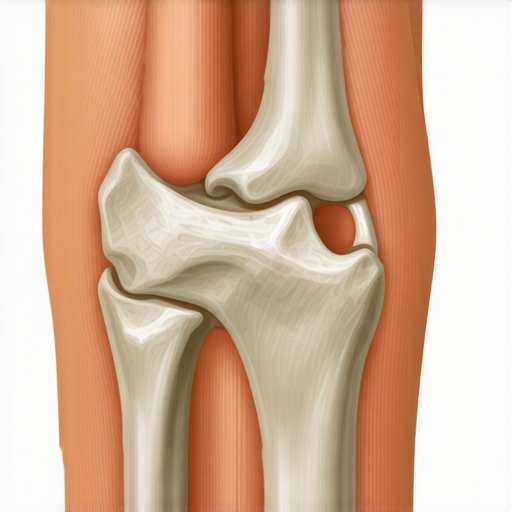
It was after a long day of gardening that I finally slowed down, only to be met with an unmistakable ache in my joints. Not just the usual soreness from bending and digging, but a persistent stiffness that seemed to creep into my mornings and linger through my evenings. That lightbulb moment made me realize I wasn’t just overdoing it—something deeper was at play. And as I started digging into my health, I discovered that a deficiency in vitamin D could be quietly sabotaging my joints, making me feel older than I am.
How a Missing Vitamin Could Be Making Your Joints Feel Like Tin
Imagine waking up stiff and achy, with a heaviness in your bones that just won’t go away. It’s a feeling many of us might brush off as aging or stress, but what if it’s something more insidious? Turns out, many people unknowingly suffer from vitamin deficiencies that subtly sabotage their joint health. One of the key players here is vitamin D, which is vital for calcium absorption and bone strength. Low levels of this vitamin have been linked to increased joint pain and stiffness, often mimicking early signs of arthritis.
Being a wellness enthusiast, I made a common mistake early on—assuming I was getting enough sun and eating the right foods. I didn’t realize that my blood tests would reveal a deficiency, nudging me to seek targeted supplementation. After starting a simple regimen based on my lab results, I felt a noticeable improvement in my joint comfort, and I wish I had known sooner how simple this fix could be.
However, not everyone’s journey is straightforward. Some read about vitamin D and think it’s all hype or that supplementation is unnecessary. That skepticism is understandable, but research from Harvard Medical School emphasizes the importance of checking your levels through proper lab tests, since vitamin D deficiency is surprisingly common—affecting over a billion people worldwide—yet often goes unnoticed (Harvard Medical School, 2024). Ignoring this could mean missing out on an easy fix for your stiffness.
Are you struggling with joint stiffness that seems to pop up without warning? Do you wonder if your diet or lifestyle might be missing an essential piece? If so, you’re not alone, and I’m here to tell you that understanding your vitamin levels could unlock the relief you’ve been searching for. In the sections that follow, I’ll guide you through the simple steps—like lab testing and targeted supplementation—that can help you reclaim your mobility. Let’s start with the critical first move: discovering what your bloodwork reveals about your vitamin D status.
Schedule a Reliable Blood Test
Start by booking a comprehensive blood panel that accurately measures your vitamin D levels. Think of it as diagnosing a car engine before fixing it—without the right data, you’re only guessing. Use a telehealth platform or visit a local lab that specializes in wellness testing; many offer same-day appointments. When I did this, I chose a local lab, but I found that ordering tests through a trusted telehealth service provided clearer instructions and faster results. For transparency and to ensure your privacy, always review the privacy policy of your chosen provider.
Understand Your Results
Once you receive your lab report, interpret the numbers carefully. A vitamin D level below 20 ng/mL indicates deficiency, similar to a low fuel warning in a vehicle. Reading lab results can seem daunting, but many platforms use visual cues. For instance, a color-coded chart can make it obvious if correction is needed. If your levels are low, it’s wise to explore supplementation options. Check out resources like Understanding Lab Tests to become more confident in your health journey.
Plan Vitamin D Supplementation
Decide between over-the-counter supplements or prescribed dosages based on your test results. Think of supplementation as filling the gas tank—get the right amount, not too much or too little. Always consult with a healthcare professional before starting higher doses. If you’re unsure about proper dosing, telehealth platforms such as ours can provide personalized guidance without the need for an in-person visit, streamlining your path to better joint health. Remember, self-diagnosing and supplementing blindly can sometimes do more harm than good.
Incorporate Sun Exposure Strategically
Supplementation isn’t the only way to boost vitamin D; safe sun exposure plays a vital role. Aim for about 15 minutes of sunlight on bare skin daily—think of it as nature’s free vitamin factory. The timing matters; midday sun offers the best UVB rays for vitamin D synthesis. If your schedule makes sun exposure challenging, focus on dietary sources like fatty fish, fortified foods, or supplements. Combining diet, sunlight, and supplements creates a synergy that can truly improve your joint flexibility and reduce stiffness.
Track Your Progress and Make Adjustments
Follow up with repeat testing every 3 to 6 months to ensure levels climb into the optimal range—around 30-50 ng/mL. Think of this as tuning a musical instrument; adjustments are necessary for perfect harmony. Many telehealth services allow for convenient reordering of labs and consultations to keep your plan on track without disrupting your daily routine. If you notice continued stiffness or pain, revisit your provider to consider other contributing factors or additional tests. Remember, maintaining optimal vitamin D levels is a continuous process, not a one-time fix.
Many people assume that lab tests, vaccinations, and telehealth are straightforward tools—simple solutions in the quest for better health. However, beneath the surface lies a labyrinth of misconceptions and potential pitfalls that can undermine even the most well-intentioned wellness strategies. Let’s explore some common myths and advanced mistakes that often go unnoticed, so you can navigate your health journey more effectively.
Are You Falling for the ‘One-Size-Fits-All’ Myth in Testing and Vaccination?
One of the biggest misconceptions is the belief that standard lab tests or vaccination schedules fit everyone perfectly. In reality, our bodies are uniquely complex, and generic recommendations can overlook significant nuances. For example, many assume that routine blood panels are sufficient for preventive care, but the truth is, specialized tests like high-sensitivity CRP or specific hormone markers can reveal hidden inflammation or metabolic stress that conventional panels miss.
In vaccination planning, relying solely on past medical records or generic schedules might leave you unprotected against evolving strains or underlying immunity gaps. According to a study published in the *Journal of Clinical Investigation*, personalized immunization strategies that consider individual immune profiles are more effective than standard protocols, especially for vulnerable populations.
Always ask yourself: Am I taking a tailored approach, or am I just ticking boxes? Tailored testing and vaccination plans can be a game-changer. For deeper insights into customizing your preventive measures, check out our guide on essential lab tests for vaccination planning.
Avoid the ‘Instant Fix’ Trap with Telehealth and Wellness
Many believe that telehealth is a quick fix—a shortcut that replaces in-person visits without real trade-offs. While virtual care offers unprecedented convenience, over-relying on it for complex issues like chronic pain or hormonal imbalances can be a mistake. Advanced health problems often require nuanced assessments and personalized interventions that go beyond symptom checklists.
For instance, virtual consultations might not capture subtle signs of deficiency or early disease markers. Moreover, some assume that telehealth providers have access to comprehensive diagnostic tools—when in fact, they often depend on lab results and patient-reported data, which can be incomplete or misinterpreted.
To avoid falling into this trap, be proactive: use telehealth as a complement, not a substitute, for thorough diagnostics and specialist input. For an example of how telehealth is transforming personalized wellness, visit this detailed article.
What Advanced Mistake Could Be Sabotaging Your Wellness Efforts?
A subtle yet critical mistake many make is neglecting the importance of context—especially regarding lab results and health data. For example, a mildly elevated cholesterol number might be dismissed as benign, yet in the right context, it could signal early metabolic issues that require intervention. Similarly, raw vaccination history without considering timing, strain coverage, or immune status can leave gaps in protection.
Research indicates that interpreting health metrics without the full clinical picture can lead to under-treatment or over-treatment. A study in *The Lancet* emphasized that data-driven decisions must incorporate individual lifestyle, genetics, and environmental factors for optimal outcomes.
So, before acting on health data, ask: Am I interpreting this in context? Are there subtle signs pointing toward a different approach? Remember, more data isn’t always better—it’s how you interpret it that counts.
Feel like you might be overlooking critical nuances? Share your experiences or questions below, and let’s ensure your wellness strategy isn’t falling into these common traps.Maintaining a consistent health routine requires more than just sporadic tests or sporadic visits; it demands reliable tools that integrate seamlessly into daily life. Over time, I’ve refined my arsenal of equipment and software to ensure I can track, analyze, and adjust my wellness strategies with confidence.
Prioritize Accurate Home Testing Devices
One game-changer for me has been using a high-precision finger-prick glucose meter like the Abbott FreeStyle Libre. Unlike traditional glucometers, it offers continuous readings without multiple handlings, syncing effortlessly with my smartphone. This real-time data allows me to recognize patterns and adjust my diet proactively. For vitamin D or other micronutrient testing, I rely on OTC kits from reputable providers like Everlywell, which send me lab kits that I can complete at home and send to certified labs. This approach eliminates the hassle of clinic visits and provides detailed insights—see how to interpret these tests effectively.Over the years, I’ve realized that true wellness comes from embracing nuance and staying open-minded. One of the most profound lessons I’ve learned is that personalized health strategies beat cookie-cutter solutions every time. Relying solely on standard lab tests or generic vaccination schedules can lead us to overlook critical signs our bodies give us. It’s crucial to question assumptions—your health is a complex puzzle, and each piece matters. Additionally, integrating telehealth thoughtfully can amplify your wellness journey when used as a complement to in-person care, not a replacement. The most surprising insight? Monitoring your health isn’t just about waiting for symptoms—it’s about proactive, data-driven decisions that respect your uniqueness. Trust me, once I shifted from a reactive to a proactive mindset, my health confidence soared, and so did my vitality.