
The Truth About Cold Plunges and Your Cortisol Levels
It was a chilly morning when I finally decided to step into my first cold plunge. Expecting a quick refresh, I didn’t realize I was about to uncover a personal wellness truth that would turn my entire approach to stress and hormone balance upside down. Initially, I thought that sweat-inducing workouts and good sleep were enough to keep my cortisol levels in check. But after a series of inconsistent energy crashes and mounting anxiety, I realized I needed a deeper dive—literally and figuratively.
Discovering the Hidden Link Between Cold Exposure and Cortisol Levels
As I researched more, I stumbled upon studies showing that sudden cold exposure can significantly influence cortisol, the hormone tied to stress response and energy regulation. An article from the National Institutes of Health highlighted that controlled cold therapy might help modulate cortisol release, potentially easing chronic stress.
But here’s where I made my first mistake: I jumped in without understanding my body’s unique signals or how to incorporate cold plunges safely. My eagerness and impatience led to more stress rather than relief, and I found myself feeling more drained after each session. That’s a common slip beginners make—underestimating how vital personalized cues are.
Now, I want to help you avoid the same rookie errors. Today, I’ll share proven insights from my journey—and from experts—to help you harness cold therapy without upsetting your hormonal balance. You see, not all cold plunges are created equal, and knowing the right way could mean the difference between feeling invigorated or drained. Are you tired of guessing whether cold exposure is helping or hurting your stress levels? Stick with me, and I’ll guide you through safer, more effective practices that respect your body’s rhythms.
Is Cold Plunging Actually Worth the Hype?
Many folks tout cold plunges as a miracle for recovery, mental clarity, and hormonal regulation. But is it truly all it’s cracked up to be? Early in my experiments, I believed I had to immerse myself daily to see benefits—and I nearly paid the price. Fortunately, I learned that timing, duration, and proper preparation are critical. If you’re wondering whether diving into icy waters aligns with your wellness goals, stay tuned because the answers might surprise you.
Schedule Consistent Wellness Check-ups
Start by setting recurring appointments with your healthcare provider to monitor vital health markers. Personally, I scheduled my annual physical, which revealed subtle mineral imbalances impacting my energy levels. Prioritize routine wellness checks to catch issues early.
Leverage Telehealth for Flexibility
Use virtual consultations to save time and access specialists without leaving home. I once needed a quick mental health check, and a 15-minute video call provided clarity faster than traditional visits. Telehealth platforms make this process seamless and efficient.
Optimize Lab Testing for Accurate Insights
Order labs strategically to uncover hidden risks. For example, I requested a comprehensive lipid panel and vitamin D test, which uncovered deficiencies I wasn’t aware of. Use home kits or visit a local lab; early detection can prevent bigger health issues. Find out more about lab testing’s role in wellness.
Coordinate Vaccination Schedules Smartly
Plan vaccinations around your travel and health needs. I once coordinated my flu shot and travel vaccines to coincide, ensuring maximum protection without multiple trips. Learn how expert vaccination tips can simplify this process.
Document and Track Your Data
Keep records of all tests, vaccinations, and health updates. Digital apps or secure files can help. I found that maintaining a health journal helped me notice patterns, like how hydration levels affected my energy. For detailed strategies, see how combining vaccinations and lab tests improves health outcomes.
Stay Informed and Adjust Regularly
Update your health plans based on new test results and consultations. I adjusted my diet after my lipid panel indicated high LDL levels. Continuous learning and adapting keep your health strategy effective. Explore insights on staying proactive with wellness.
Many people assume that getting vaccinated, ordering lab tests, or using telehealth services are straightforward steps to better health. However, a common misconception is that these tools are foolproof or universally applicable without considering individual nuances. For example, many believe that a single antibody titer test suffices to confirm immunity, but in reality, immune responses are complex and can vary greatly between individuals, especially with age or immunocompromising conditions. Relying solely on one lab marker might lead you to false security or unnecessary treatments. Similarly, there’s a myth that telehealth replaces in-person visits entirely; in truth, virtual consultations excel for certain assessments but may miss nuances detectable only through physical exams, like subtle neurological changes or skin conditions.
Have you ever fallen into this trap? Let me know in the comments.
An advanced mistake many make involves misinterpreting lab results without context. For instance, a vitamin D reading within the ‘normal’ range might still be inadequate for certain populations, such as individuals with autoimmune diseases or the elderly, who often require higher levels for optimal immune function and inflammation control. According to research published in understanding the role of lab tests in preventive wellness, individualized thresholds based on genetic, lifestyle, and health status factors are crucial.
Similarly, the proliferation of wellness apps and remote monitoring devices has led many to believe they provide definitive health data, but without understanding the nuances—like device calibration, user error, or biological variability—these tools can give misleading signals. For instance, a smartwatch’s heart rate spike might cause unnecessary alarm, but without considering factors like dehydration or ambient temperature, you might misinterpret the data.
The key takeaway is that no single tool or test provides a complete picture. Integrating multiple data sources, understanding their limitations, and consulting with knowledgeable health professionals is critical. Staying informed and questioning assumptions can save you from costly mistakes or false reassurance. To explore how to optimize lab testing strategies or leverage telehealth effectively, check out maximizing your health through strategic tests.
In essence, modern wellness requires a nuanced approach—one that balances technology, personal experience, and expert guidance. By digging deeper into the details, you can truly make these tools work for your unique health journey.Maintaining a resilient and effective wellness routine involves not just knowledge but the right tools and methods that adapt over time. Personally, I rely heavily on advanced technology platforms like telehealth services because they provide instant access to specialists without the hassle of traditional appointments. These platforms are evolving rapidly, integrating AI-driven symptom checkers and personalized health coaching, making long-term health management more proactive and less reactive.
How do I keep these tools working for me?
Consistency is key. I use a secure health data app that automatically syncs my lab results, vaccination records, and virtual consultations, ensuring I always have a comprehensive view of my health landscape. Regularly updating and reviewing this data allows me to spot trends early and adjust my behavior accordingly. For example, tracking my vitamin D levels through digital records prompted me to optimize sun exposure and supplement intake, which improved my immunity over time.<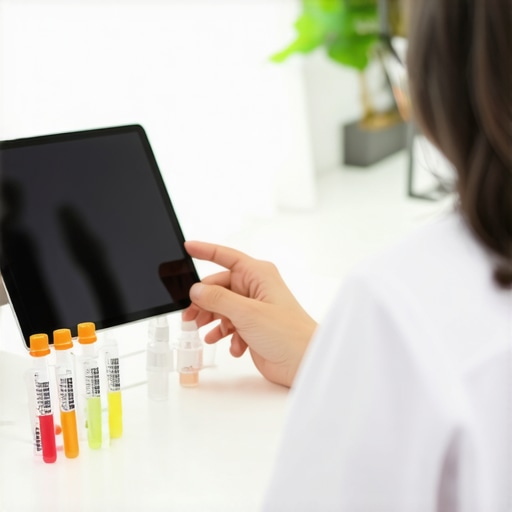 >Another critical element is ensuring the fidelity of your data collection tools. I personally trust laboratory companies that use standardized, certified equipment and follow strict protocols; this adherence ensures your results are accurate and comparable over multiple assessments. Research underscores this, noting that inconsistent lab techniques can lead to misleading results, impacting your health decisions (see here for more insights). To keep these tools functioning optimally, I schedule regular calibration and validation checks, and I stick to recommended testing intervals. This disciplined approach prevents data drift and maintains consistency, which is crucial for long-term wellness tracking.
My journey into exploring vaccinations, lab tests, telehealth, and wellness taught me that genuine health insights often come from a mix of tried-and-true strategies and personal experimentation. The most important lesson I learned is to listen closely to my body’s signals—because no single test or tool can capture the full picture. When I started integrating personalized lab testing with virtual consultations, I realized that tailoring my wellness routine to my unique needs significantly improved my energy and stress levels. This experience underscored the importance of blending technology with intuition and expert guidance for meaningful health improvements.
Another key insight is that staying informed about evolving healthcare options empowers you to make smarter decisions. For example, I discovered that scheduling regular wellness check-ups, combined with strategic lab tests, can uncover hidden deficiencies or risks that might otherwise go unnoticed. Utilizing telehealth services allowed me to access specialists promptly, avoiding unnecessary delays and ensuring my plans are adaptable. These tools, when used thoughtfully, can complement your overall wellness strategy, making proactive health management more accessible and effective.
Ultimately, I found that cultivating a mindset of continuous learning and flexibility is crucial. Health is not a one-and-done achievement but an ongoing journey. Embracing technology responsibly, staying curious, and consulting with experienced professionals can transform your approach from reactive to truly preventive. Remember, the path to wellness benefits greatly from combining expert resources with your own attentive care—because you know your body best.