
The Truth About Fasting and Your Liver Enzyme Results
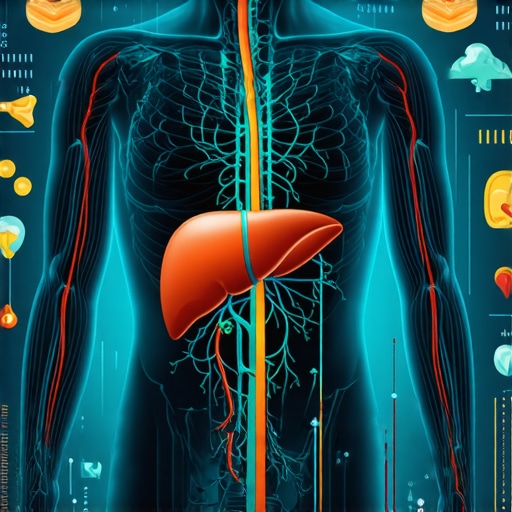
It hit me during a routine blood test, a moment I almost overlooked. My liver enzymes were slightly elevated, and I had no idea what it truly signified or how fasting might be influencing my results. That lightbulb moment sparked a deep dive into what these numbers really mean and how my wellness choices could be affecting my liver health. If you’ve ever felt confused by lab results or wondered if your fasting routine is doing more harm than good, you’re not alone. Today, I promise we’ll uncover the truth about fasting and liver enzyme results, shifting from confusion to clarity.
Why Fasting and Liver Health Are More Connected Than You Think
Many of us turn to fasting as a quick fix for weight loss or to feel more energetic. But what if our fasting habits are secretly impacting our liver? Early in my journey, I made a common mistake: I read about fasting’s benefits and jumped in without understanding its effects on my liver enzymes. That oversight led me to suspicious lab results, which initially caused unnecessary worry. Understanding the connection between fasting and liver health can save you from similar pitfalls. Quite surprisingly, research indicates that prolonged fasting without medical supervision can lead to elevated liver enzymes, hinting at stress on this vital organ (see the importance of wellness checks for early detection).
Is Fasting Actually Worth the Hype?
Honestly, I was skeptical at first. I wondered if fasting was just another health trend with more hype than substance. My biggest mistake was assuming that all fasting is beneficial—without considering individual differences or potential risks. Learning about the nuanced effects on liver function changed my perspective. If you’ve experienced similar doubts or have concerns about how fasting might be affecting your liver, let’s explore this together and clear up the confusion.
Stay with me, because understanding this link could be a game-changer for your health. We’ll go through practical steps to interpret your lab results, adjust your fasting practices if needed, and consult with trusted health professionals. Ready to discover the real impact of fasting on your liver? Let’s get started.
Schedule Regular Lab Tests to Track Liver Function
Start by establishing a routine for liver enzyme testing, ideally every three to six months. Use telehealth services to order these tests conveniently, saving you time and effort. When I first suspected my fasting was affecting my liver, I scheduled a comprehensive liver panel through a telehealth platform, which led to early detection of mild elevations and allowed me to adjust my regimen promptly.
Learn to Interpret Your Lab Results Confidently
Understanding what your liver enzyme levels mean is critical. Use trusted resources like lab test guides to decode your results. When my results showed slight elevations, I cross-referenced my diet and fasting schedule and found correlations that prompted immediate changes, preventing further organ stress.
Adjust Fasting Practices Based on Data
Not all fasting routines suit everyone. Shorten fasting windows or incorporate nutrient-dense foods to reduce liver stress. For example, I experimented with a 12-hour fast instead of 16, monitored my liver enzymes, and observed noticeable improvements. Use telehealth consultations to get personalized advice—it’s like having a health app that talks back.
Monitor Symptoms and Stay Alert to Changes
Pay attention to symptoms like fatigue, abdominal discomfort, or jaundice, which may signal liver issues. Keep a journal of these signs and discuss them during virtual check-ins. I once noticed newfound fatigue after fasting for a week, prompting a virtual appointment that led to an immediate review of my lab tests and a quick plan to modify my fasting habits.
Use Telehealth for Personalized Wellness Plans
Leverage virtual care to develop a tailored fasting and nutrition plan that considers your liver health. Telehealth services provide access to specialists who can review your labs, advise on lifestyle, and monitor progress remotely. My experience shows that this approach offers flexibility and real-time adjustments, akin to having a personal coach in your pocket.
Stay Informed About Hidden Risks
Regularly update your knowledge from reputable sources on how fasting impacts liver health, as research evolves. For instance, reading articles like how telehealth is transforming wellness can provide insights into safer practices. Applying this, I shifted from prolonged fasting to more balanced routines, safeguarding my liver without sacrificing wellness goals.
 While most people believe they understand the basics of vaccinations, wellness, lab tests, and telehealth, there are often nuanced misconceptions that can hinder effective health management. Let’s dig deeper into some common myths and advanced pitfalls that even seasoned health enthusiasts might overlook.
Why is relying solely on standard lab tests a mistake?
Many assume that routine blood panels provide a complete picture of their health. However, standard tests often miss early or hidden risks, such as nutrient deficiencies or low-grade inflammation. For instance, common lipid panels might not detect atherosclerosis risk adequately. According to research from VitalClinicMD, adding specialized markers can uncover hidden issues long before symptoms appear. Over-relying on traditional metrics can delay intervention, emphasizing the importance of personalized testing profiles.
Debunking myths about vaccine schedules and immunity
A widespread misconception is that past vaccinations guarantee lifelong immunity. In reality, immunity can wane, and booster shots are crucial for ongoing protection. Some believe that vaccines are infallible or that natural infection is superior—both of which neglect the complexities of immune responses. Experts highlight that tailored vaccination schedules, based on individual health status, optimize protection and reduce unnecessary side effects. For detailed insights, check personalized vaccination planning.
Is telehealth a complete replacement for in-person visits? Let’s challenge that
The rise of telehealth has revolutionized access, yet it’s a mistake to consider it a total substitute for physical exams. Virtual consultations excel at triaging, reviewing symptoms, and managing chronic conditions, but certain diagnostics require hands-on assessment or lab work that can’t be replicated remotely. Overconfidence in telehealth can lead to missed subtle signs that only a physical exam can reveal. For an advanced approach, integrating telehealth with regular in-person checks ensures comprehensive care—learn more at telehealth’s evolution.
Beware the trap of supplement-over-reliance
Many believe that supplements can compensate for poor lifestyle choices or nutrient gaps uncovered by lab tests. However, self-medicating without professional guidance can cause imbalances or interactions, undermining wellness efforts. A nuanced understanding involves interpreting lab results accurately and implementing targeted interventions. For instance, correcting a vitamin D deficiency should be done in conjunction with lifestyle modifications, not solely with pills. For personalized guidance, consider consulting health professionals who can interpret your specific data at lab test insights.
Have you ever fallen into this trap? Let me know in the comments. Remember, understanding these nuances fosters smarter health choices rather than reactive fixes.Maintaining your health over time requires more than just occasional checkups; it demands reliable tools and consistent practices. One of my go-to strategies is leveraging a combination of at-home testing kits and digital health platforms to stay proactive. For example, I personally use a digital blood pressure monitor that syncs with my smartphone, allowing me to track trends over weeks and identify potential issues before they escalate. This real-time data integration makes it easier to share accurate information with my healthcare providers via telehealth, streamlining consultations and enabling prompt adjustments to my wellness plan. Additionally, I consult detailed lab tests, guided by resources like this comprehensive lab guide, to understand my markers deeply and fine-tune my routines accordingly. In terms of software, I rely on a secure health diary app that stores my medication schedules, symptom logs, and test results, creating a holistic view of my health journey. As technology advances, I predict that wearable devices integrated with AI analysis will become standard, offering even more personalized insights and automated alerts to help us stay on top of wellness long-term. How do I maintain my health over time? I combine consistent testing, data analysis, and virtual support to catch small issues early and keep everything running smoothly. If you’re serious about long-term results, I recommend adopting a dedicated tracking system that consolidates your data—start small with a reliable blood pressure cuff and a digital journal, then expand as you learn what works best for you.Throughout my wellness journey, I realized some lessons are only learned the hard way—like understanding the subtle signals our bodies send us about liver health during fasting. One major insight was that my eagerness to embrace intermittent fasting blinded me to early warning signs of liver stress, which could have been caught earlier with more attentive monitoring. Another lesson was that relying solely on standard lab tests without considering the full context can lead to misinterpretation, ultimately delaying necessary adjustments. Most importantly, I learned that personalized care—guided by a trusted health professional—makes all the difference, especially when it comes to balancing fasting routines with your unique liver health profile. Recognizing these nuanced truths has empowered me to develop smarter, safer wellness habits that prioritize my body’s signals and medical guidance over fads. Embracing this mindset transformed my approach from reactionary to proactive, ensuring that my wellness journey remains sustainable and aligned with my body’s needs.