
Why routine kidney checks are non-negotiable for high blood pressure
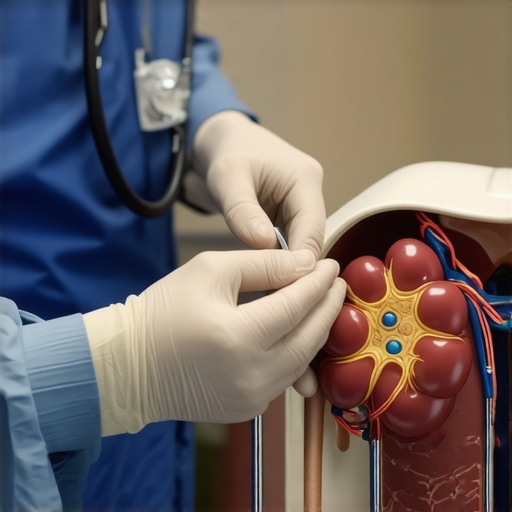
I still remember the moment it hit me—standing in my bathroom, feeling that familiar pounding in my chest, realizing I had ignored my blood pressure readings for far too long. It wasn’t a sudden scare or a dramatic emergency, but a quiet wake-up call that my unchecked hypertension was silently wreaking havoc on my kidneys. That lightbulb moment made me question, why aren’t we prioritizing routine kidney checks when managing high blood pressure?
Unlocking the Hidden Danger of High Blood Pressure
High blood pressure, or hypertension, is often called the ‘silent killer’ because it doesn’t always show obvious symptoms until significant damage has occurred. For many, it’s an ongoing battle—popping pills, monitoring numbers, trying various diets—yet neglecting a crucial piece of the puzzle: kidney health. The kidneys play a fundamental role in filtering waste and balancing fluids, but high blood pressure can gradually impair their function without obvious signs.
Early detection of kidney issues can be lifesaving. According to research, about 30% of people with hypertension develop some form of kidney damage, often before they even notice any symptoms. That’s why regular kidney check-ups aren’t just a good idea—they’re essential. They form a vital part of preventing chronic kidney disease, which can lead to dialysis or transplant if left unaddressed.
Now, I’m not here to scare you, but to share my own experience and hopefully encourage you to take proactive steps. When I finally scheduled that kidney function test after neglecting it for years, the results shocked me. My kidneys were showing early signs of stress, likely caused by unchecked blood pressure. Luckily, early intervention reversed some of the damage, but it was a stark reminder: routine kidney assessments can truly be life-changing.
If you’ve ever wondered why your doctor emphasizes lab tests and regular monitoring, this is it. The tiny, often overlooked organ—your kidneys—might be silently suffering, and ignoring that means risking much more than just high numbers on a screen.
For a deeper understanding of how lab tests can reveal hidden health risks early in your wellness journey, check out this resource on [how lab tests can detect early risks](https://vitalclinicmd.com/how-lab-tests-can-detect-hidden-health-risks-early-in-your-wellness-pathway).
So, before your next checkup, ask yourself: are you really paying enough attention to your kidney health? My hope is that by the end of this post, you’ll see the importance of regular kidney tests as a non-negotiable part of managing high blood pressure—because prevention beats cure, every time.
Schedule Regular Lab Tests to Detect Early Kidney Damage
Start by booking comprehensive kidney function panels, including serum creatinine, estimated glomerular filtration rate (eGFR), and urine albumin-to-creatinine ratio. These tests spotlight early signs of kidney stress before symptoms emerge. I once contacted my primary care via telehealth, making the process convenient and avoiding waiting rooms. That simple step revealed my kidneys were under strain, prompting immediate lifestyle adjustments.
Leverage Telehealth to Access Expert Guidance
Utilize virtual care platforms to consult nephrologists or primary care providers without leaving home. Telehealth streamlines scheduling, allows real-time discussion of test results, and keeps you proactive. I coordinated a virtual appointment after noticing slightly elevated blood pressure; my provider advised specific lifestyle tweaks and scheduled follow-up labs. Check out this article for insights on how virtual visits enhance wellness management.
Implement Dietary and Lifestyle Changes Based on Results
Use laboratory feedback to adapt your diet—reducing salt intake, limiting processed foods, and increasing hydration. Pair this with regular physical activity. I adopted a low-sodium diet recommended after my tests; within weeks, my readings improved, and kidney markers stabilized. Keeping a health journal or using telehealth symptom check-ins can track progress effectively.
Integrate Routine Blood Pressure Monitoring
Adopt home blood pressure devices to keep daily tabs. Compare readings with your lab findings to identify triggers or patterns. I set reminders on my smartphone and logged data in a digital app, which I reviewed during virtual check-ins. This constant feedback loop empowered me to make immediate adjustments, reducing the risk of further damage.
Stay Educated with Continuous Learning
Subscribe to trustworthy protocols and articles, like this resource, to understand the significance of each test. Understanding the details helps prioritize your health and communicate effectively with providers. I learned that early kidney markers can revert to normal with proper management, reinforcing the importance of consistent monitoring.
Use Technology for Reminders and Tracking
Apps and digital calendars can automate appointment scheduling, medication reminders, and lab test alerts. For me, setting email alerts before each appointment ensured I didn’t miss crucial follow-ups. This tech-enabled discipline facilitated consistent care and faster response times when adjustments were needed.
Many believe that vaccinations are a one-size-fits-all solution or that routine lab tests are unnecessary unless you’re feeling unwell. But in my experience, these assumptions can lead to missed opportunities for prevention and personalized care. The truth is, most people inherently trust quick fixes and generic advice, yet overlook the nuances that truly optimize health outcomes.
Are Standard Tests Sufficient to Detect All Hidden Risks?
It’s a common myth that routine blood panels reveal everything about your health. However, emerging research highlights that standard panels often miss subtle indicators of metabolic and inflammatory stress, which can be early predictors of chronic conditions. For example, high-sensitivity C-reactive protein (hs-CRP) levels can reveal inflammation associated with heart disease long before symptoms appear—yet many skip this test because it’s not part of a typical physical. Comprehensive lab testing tailored to individual risk factors, as detailed in this resource, can uncover these hidden dangers early.
Keeping Your Wellness Program On Track
Achieving health goals is just the beginning; maintaining them over time requires smart tools, routine adjustments, and ongoing education. I personally rely on a combination of digital health platforms, advanced monitoring devices, and regular virtual consultations to stay proactive about my wellness journey.
Data-Driven Monitoring with Wearable Tech
One of my most valuable tools is a continuous glucose monitor (CGM), traditionally used by diabetics but increasingly adopted by wellness enthusiasts. It provides real-time insights into how diet, stress, and activity impact blood sugar levels. I’ve found that syncing my CGM data with a health app enables me to identify patterns I might miss with periodic lab tests alone. For comprehensive insight, I also use a validated blood pressure cuff that connects to my smartphone, allowing daily tracking without trips to the clinic.
Leveraging Telehealth for Consistent Care
Virtual consultations with specialists—such as nephrologists or endocrinologists—have revolutionized my approach. These platforms offer quick access to expert guidance, especially when reviewing lab results or adjusting medications. I schedule follow-ups via telehealth, which, as detailed in this article, ensures I stay accountable and informed without the hassle of in-person visits. This model is the future of sustainable health management.
Routine Lab Testing for Early Signs
While wearables track daily metrics, I complement them with comprehensive lab panels every six months. Tests like eGFR, urine albumin, and inflammatory markers help me catch early kidney stress or metabolic issues. I prepare for these tests by fasting appropriately and reviewing previous results, which I store securely using a dedicated health app. Sometimes, I request specialized tests such as hs-CRP to get a clearer picture of inflammation—essential for proactive prevention.
Scaling and Future Trends
The integration of AI into health data analysis promises a future where personalized wellness plans are even more precise. Machine learning algorithms can identify subtle changes across various metrics, suggesting interventions before symptoms appear. For example, predictive models analyzing combined lab and wearable data could recommend lifestyle tweaks tailored to your unique physiology. Embracing these advancements now can give you a significant advantage in maintaining health long term.
How do I maintain wellness tools over time?
Consistent use and periodic reassessment are key. I set reminders to replace or update devices, review data weekly, and stay current with new research on health tracking innovations. Regularly updating your software and syncing devices ensures data accuracy and security—referencing this privacy policy helps me stay informed about data handling. My advice: pick tools that integrate seamlessly into your daily routine to foster sustainable habits. And don’t hesitate to try advanced tactics like continuous monitoring or AI-driven analysis; they can be game changers in your wellness journey. Want to elevate your health management? Start by integrating a wearable that offers real-time feedback, then schedule a virtual check-in to interpret your data with a healthcare professional—this proactive approach is shaping the future of personal health optimization.
What I Wish I Knew When I Started Managing My Blood Pressure
The hardest lesson I learned was that high blood pressure isn’t just about controlling a number—it’s about understanding what lurks beneath the surface. I underestimated how silently the kidneys suffer until it was almost too late. Now, I realize that regular kidney monitoring isn’t optional; it’s a crucial part of safeguarding longevity and quality of life.
Another revelation was discovering how much impact lifestyle tweaks, informed by precise lab results, can have on reversing early damage. The moment I analyzed my urine albumin and serum creatinine levels, my approach shifted from reactive to proactive. Knowledge truly becomes power when it comes to preventing chronic kidney disease.
Finally, I learned that leveraging telehealth isn’t just convenient—it’s essential. Virtual consultations made it easier to interpret my lab results and adapt my habits faster than scheduling in-person visits. The accessibility of expert guidance in real time gave me the confidence to stay committed, even during busy weeks.
My Essential Toolkit for Kidney and Blood Pressure Wellness
- Comprehensive Lab Panels: Regular testing of serum creatinine, eGFR, and urine albumin offers early warning signs. Trustworthy sources like this guide helped me understand the importance of these tests beyond routine checks.
- Telehealth Platforms: Virtual care bridges gaps, providing timely insights. Platforms such as this resource reveal how remote consultations can revolutionize your health management.
- Home Monitoring Devices: From digital blood pressure cuffs to apps that log your data, daily tracking keeps you aware and empowered. Syncing data with healthcare professionals has been a game-changer for me.
- Educational Resources: Staying informed through trusted articles and courses deepens understanding. Educated patients manage their health more effectively—like grasping the significance of early kidney markers.
- Digital Reminders and Apps: Automate your schedule for tests, medication, and follow-ups. Consistency is key, and technology makes it easier than ever to stay on top of your wellness journey.
It’s Time to Put Your Kidney Health First
Embarking on a journey to better blood pressure and kidney health isn’t about drastic changes overnight—it’s about consistent, informed actions. Integrate lab testing, leverage telehealth, and stay curious about your own body. The future of wellness is in your hands, and accessible tools are making it more achievable than ever. Remember, proactive steps today pave the way for a healthier tomorrow.
What’s one change you’re willing to make to start prioritizing your kidney health today? Share your thoughts below—your story might inspire someone else to take that crucial first step.
,