
Why Travel Vaccines for Your Toddler Shouldn’t Be Optional
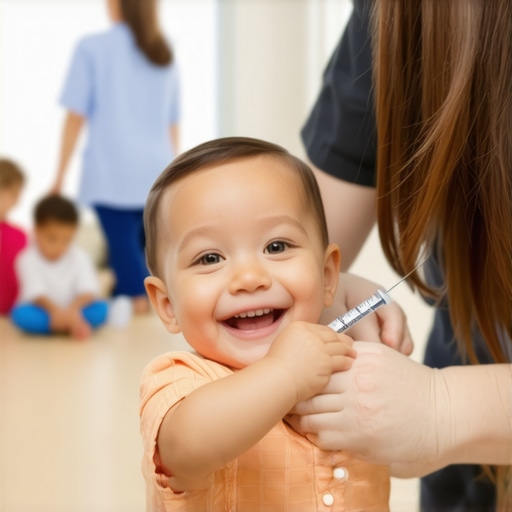
I remember the moment I realized I had seriously underestimated the importance of travel vaccines for my toddler. It was during a family trip to a tropical destination, and my little one started showing signs of a mild fever after our return. That worry quickly turned into a profound sense of guilt — what if I had overlooked something crucial? That lightbulb moment made me rethink everything about safeguarding my child’s health during travel.
First Steps to Protect Your Little Explorer
In our busy lives, it’s easy to dismiss travel vaccines as optional or an overcaution. I used to think, “My child’s immune system is strong enough; why bother with extra shots?” But personal experience and solid evidence taught me otherwise. Preparing a child’s immune defense isn’t just about avoiding mosquitoes or keeping them away from sick friends—it’s about actively preventing serious illnesses that can be contracted abroad.
Is the Fear of Vaccinations Justified?
One common concern I hear from parents is whether these vaccines are really necessary or if they come with uncomfortable side effects. I made the mistake early on of delaying or skipping vaccines, thinking my child’s health was enough protection, only to face preventable illnesses later. The truth is, neglecting travel vaccines can expose your child to diseases that are rare here but common elsewhere. For example, diseases like hepatitis A or typhoid are less common in our community but pose real risks during international trips. To get clear facts and bust common myths, I recommend checking out this insightful guide on vaccination myths. It changed my perspective entirely.
Have you ever faced the dilemma of deciding whether to vaccinate your toddler for travel? If so, you’re not alone. Many parents feel overwhelmed by conflicting information and fear of side effects. That’s why I want to share my journey and the essentials of why these vaccines are a crucial part of travel planning, not an optional add-on. Over the next sections, we’ll explore how to effectively prepare your child for travel and ensure you’re making informed choices based on credible medical advice.
Schedule Your Vaccination Review Early
Start by setting an appointment with a healthcare provider at least four to six weeks before your trip. During this visit, request a comprehensive review of your child’s immunization records and discuss any additional vaccines needed for the destination. Personally, I scheduled my appointment two months prior, which allowed ample time to address unexpected delays or additional shots without last-minute stress. Checking lab tests can help identify hidden risks, ensuring your child’s immunity is fully optimized.
Utilize Telehealth for Expert Guidance
Leverage telehealth services to consult with pediatric specialists without the hassle of in-person visits. Think of telehealth as your remote health advisor—like a guiding GPS for your wellness journey. I used telehealth to clarify vaccine options and schedule follow-ups, saving hours and avoiding crowded clinics. Explore telehealth’s impact on personal care to understand how virtual visits make healthcare more accessible and convenient.
Prepare a Personalized Vaccination Schedule
Create a tailored vaccination plan based on your child’s health history, destination, and current immunization status. Collaborate with your healthcare provider to develop this schedule, which ensures timely administration of vaccines like hepatitis A or typhoid that might be less common here but pose serious risks abroad. Check out personalized vaccination planning for detailed strategies on optimizing disease prevention.
Order Lab Tests to Detect Hidden Risks
Arrange for lab tests to uncover underlying health issues that may affect vaccine efficacy or overall wellness. These tests are like the health detective’s magnifying glass—spotting the unseen. For instance, testing vitamin D levels can reveal deficiencies that impact immune response. Use lab test insights to learn how early detection can lead to targeted interventions, enhancing your child’s defenses.
Keep Travel Records Up-to-Date and Accessible
Maintain an organized record of all immunizations, prescriptions, and lab results. Think of this as your child’s health passport—ready to share whenever needed. Digital records are efficient, allowing you to update and access information from anywhere. I stored mine securely online and printed copies for travel. Updating these records is straightforward; learn how to update immunization records quickly and accurately to prevent delays at travel checkpoints.
Assess and Enhance Immunity Regularly
Schedule periodic wellness checks and lab tests to monitor immunity levels and overall health status. This practice ensures you’re proactive, not reactive. Use findings from wellness checks to inform future vaccination and health strategies. Taking these steps consistently builds a resilient foundation, safeguarding your child’s health during travel and beyond.
While many health practices are straightforward on the surface, there’s a web of nuances and pitfalls that even seasoned parents often overlook. One widespread misconception is that regular wellness checks, including lab tests, are only necessary when symptoms appear. In reality, proactive testing can detect underlying issues before symptoms manifest, enabling early interventions that save time and health. Relying solely on standard lab panels can be misleading; for example, routine tests might miss inflammation markers or nutrient deficiencies crucial for immune support, especially when considering travel vaccinations. Moreover, the myth that telehealth is only suitable for minor concerns is false—virtual consultations can provide in-depth assessments and personalized guidance, making wellness more accessible and precise. An advanced mistake is believing that vaccinations are a one-and-done process; immune responses mature over time, and booster shots or additional lab assessments might be necessary to ensure optimal immunity, especially in the context of travel or exposure risks. Additionally, many parents underestimate the importance of integrating lab test data with vaccination schedules, which can reveal hidden vulnerabilities—like vitamin D deficiency affecting vaccine efficacy—that are often overlooked. To truly harness the power of these tools, it’s essential to understand their interconnectedness. For instance, as detailed in this resource, comprehensive lab assessments inform customized vaccination plans, enhancing overall wellness. Be cautious of common traps like neglecting periodic testing or misinterpreting lab results—they can lead to missed diagnoses or ineffective treatments. The key is a nuanced approach, combining telehealth, lab insights, and vaccination data for proactive health management. Did you know that some inflammation markers, like hs-CRP, are rarely included in standard panels but are vital for understanding hidden health risks? A study published in the *Journal of Clinical Medicine* emphasizes how overlooked markers can predict chronic disease risk long before symptoms appear. So, the next time you’re planning a wellness strategy, question assumptions, dig deeper into your data, and consider the bigger picture. Have you ever fallen into this trap? Let me know in the comments.Maintaining optimal health over the long term involves more than just occasional check-ups; it requires reliable tools and consistent strategies. One of my favorite investments is a quality digital wellness tracker, like the Oura Ring, which provides detailed insights into sleep quality, heart rate variability, and activity levels. I personally use it to monitor my sleep patterns daily, helping me adjust my routines proactively. Coupled with a comprehensive lab testing kit, such as Everlywell, I can track vital markers like vitamin D, inflammation levels, and metabolic health from home. These tests empower me to make informed dietary and lifestyle choices without frequent clinic visits. For instance, understanding my hs-CRP levels through at-home testing has been instrumental in tailoring anti-inflammatory diets that actually make a difference.
In addition, leveraging telehealth platforms—like the ones described in this article—allows me to consult specialists without disrupting my schedule. Virtual visits mean I can get expert advice on adjusting my supplement regimen or scheduling necessary vaccinations, all while managing daily responsibilities. This convenience fosters consistent engagement with my health.
I also rely heavily on specialized apps that integrate data from wearables and lab results, creating a personal health dashboard. This holistic view helps me identify patterns—like how stress, diet, and sleep interact—and adjust accordingly. Over time, this integrated approach not only improves my health metrics but also builds resilience, ensuring I stay at my best during stressful periods or travel.
Looking ahead, the trend in wellness tools is moving toward greater automation and personalized AI-driven recommendations. Devices will soon analyze your real-time biometrics and suggest immediate actions—such as breathing exercises during high-stress moments or nutrient adjustments based on current inflammation markers. Embracing these innovations now can future-proof your health strategy.
### How do I maintain my wellness tools over time?
Regular calibration is key. For wearable devices, this means updating firmware and syncing data consistently. For lab tests, scheduling periodic assessments—ideally every three to six months—ensures your health data remains current. Most importantly, maintaining a strong relationship with trusted healthcare providers who can interpret these data points helps translate raw information into actionable steps.
A prime example of effective integration is using lab insights to refine your vaccination schedule, especially ahead of travel. Studies, such as those summarized in this resource, demonstrate how combining data from lab tests with personalized care plans dramatically enhances disease prevention.
I encourage you to try incorporating a digital tracker and at-home lab testing into your routine this month. These tools are revolutionizing how we approach wellness by making data-driven decisions accessible and manageable. Think of it as giving yourself a health ‘dashboard’—powerful, personalized, and always within reach.
What I Wish I Knew Before Rushing to Vaccinate
The hardest lesson I learned about wellness, vaccinations, telehealth, and lab tests was realizing that hesitating often leads to missed opportunities for protection. I once delayed a booster shot because I underestimated its importance, only to face an illness abroad that could have been prevented. Trusting outdated beliefs about vaccine necessity or ignoring the value of regular lab assessments can open doors to preventable health risks. My lightbulb moment was understanding how comprehensive, proactive care—like measuring vitamin D or inflammation markers—fortifies our immune defenses against unseen threats.
Secondly, I underestimated the power of telehealth in managing wellness. It’s not just for minor concerns; virtual consultations have saved me from unnecessary trips and provided timely insights on complex vaccination schedules. Recognizing these digital tools as integral to my health journey was a game-changer, especially when coordinating travel vaccines or lab testing from home.
Lastly, balancing lab testing and vaccination planning isn’t only about detecting issues; it’s about customizing strategies to fit our unique needs. Relying solely on standard tests or generic schedules can leave gaps in protection. Integrating lab insights with expert guidance allowed me to optimize immunity, avoid common pitfalls, and feel confident when traveling with my family.
My Personal Arsenal for Wellness Clarity
- Telehealth Platforms—Services like the ones described here make expert advice accessible, saving time and providing peace of mind when planning travel vaccines or assessing health risks.
- Home Lab Testing Kits—Tools such as Everlywell help me uncover hidden deficiencies affecting immunity, like vitamin D or inflammation markers, crucial for customizing health strategies.
- Educational Resources—Guides like this myth-busting article have cleared misconceptions about vaccines, empowering me to make informed decisions.
- Digital Wellness Trackers—Devices like the Oura Ring provide ongoing data on sleep and stress, factors that impact immune function and vaccine response.
Seize Your Power to Protect and Thrive
Your journey toward optimal wellness can be both straightforward and deeply rewarding when you leverage the right tools and knowledge. Embrace the proactive approach—schedule that lab test, book a telehealth consult, and stay informed about your family’s health needs. These steps aren’t just for travel—they build resilience for everyday life. Remember, your health is an ongoing story, and every small action adds up to a stronger, safer future for you and your loved ones. Don’t wait for illness to remind you of its importance—take control today.