
Why Virtual Care is Better for Evaluating Sudden Skin Rashes
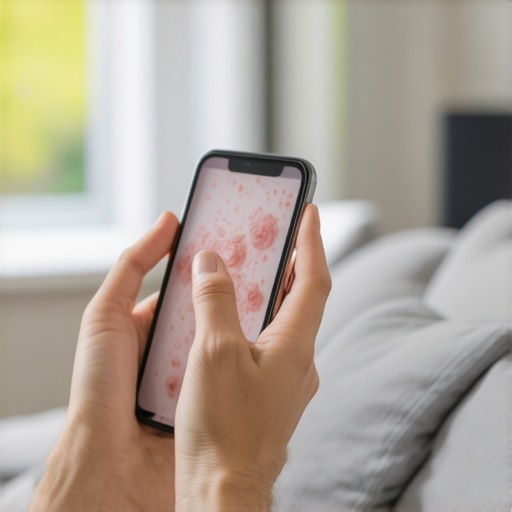
It was a hectic Tuesday morning when I noticed that unsightly rash creeping across my arm—red, itchy, and different from anything I’d experienced before. Frustrated by the typical wait in crowded clinics, I wished I’d discovered earlier that virtual care offers a smarter, faster way to evaluate sudden skin concerns. That lightbulb moment changed how I handle health hiccups like this. Do you ever get stuck in the cycle of waiting days to see a dermatologist or spend hours in the clinic just for a quick look? If so, you’re not alone. Many people face the same dilemma—desperately seeking relief without the hassle.
How Telehealth is Transforming Skin Care Management
For years, traditional in-person visits were the only option for skin issues, but times are shifting. Thanks to advancements in telehealth, evaluating skin rashes and other sudden conditions can now be done swiftly from the comfort of your home. This approach not only saves time but also reduces exposure to additional germs and allergens that can complicate skin reactions. Personally, I found that a quick virtual consultation provided immediate insights into my rash, sparing me the unnecessary anxiety of waiting for appointments. According to a study published in the Journal of Telemedicine and Telecare, virtual consultations for dermatological issues have increased by over 200% since 2020, underscoring the rapid adoption of this accessible approach. Moreover, virtual care allows for high-resolution images and live video assessments, giving healthcare providers a clear view of your skin without the need for physical presence.
Have you ever faced the concern of whether your rash needs an urgent in-person examination or if you can manage it remotely? Many early mistakes—like trying to self-diagnose or delaying care—can make things worse. I learned that trusting my instincts and embracing telehealth for certain skin issues turned out to be a game-changer. It’s not about replacing traditional visits entirely but rather about knowing WHEN and HOW to use virtual care effectively. As I share my experience, I hope to show you a more practical approach—you might find yourself resolving issues faster, safely, and with less hassle. So, what’s next? Let’s explore how you can leverage telehealth options for sudden skin rashes and other sudden health surprises, ensuring you get the care you need promptly and confidently.
Set Up Your Virtual Consultation Smoothly
Start by choosing a reputable telehealth platform, like the one highlighted in this guide. Ensure your device’s camera and microphone are working flawlessly. Use natural lighting and a plain background to get the clearest view of your skin. I once attempted a consultation on a cluttered desk, resulting in a blurry image that delayed advice, so preparation is key.
Capture Clear, High-Quality Images
Next, take multiple photos of the rash or skin concern from different angles. Use a macro setting if available to zoom in without losing detail. Good images are the backbone of accurate remote assessment. I used my smartphone’s macro mode and a neutral-colored cloth as a background—this made the dermatologist’s review more precise. Remember, the quality of your images directly impacts the accuracy of your virtual assessment; avoid shadows, and focus on clarity.
Describe Symptoms Concisely but Precisely
Provide a brief, factual description of your symptoms—when they started, their location, and any triggers you noticed. Just like labs, your detailed input helps your doctor form a better picture. I kept notes on my rash’s growth and associated sensations, which prevented me from forgetting key details during the call. This step can rapidly narrow down causes, especially when combined with visual input.
Utilize Symptom Checklists and Questionnaires
Many platforms offer targeted questionnaires to guide you through relevant questions, similar to well-designed lab tests that detect subtle issues. Filling these out ahead of your session saves time and ensures no detail is overlooked. In my experience, answering these systematically made the consultation more efficient and focused, leading to faster advice on whether a prescription or further testing is necessary.
Request Specific Follow-Ups or Tests
If your condition warrants, ask for guidance on necessary tests like lab tests or images. Virtual care isn’t just about immediate treatment but also about planning next steps. I once requested a virtual lab order, which allowed me to visit a nearby lab the same day—skipping the usual long wait. This systematic approach accelerates diagnosis and treatment, especially for skin or allergy concerns.
Schedule and Confirm Follow-Ups Effectively
Use the platform’s scheduling tools or contact your provider directly through links like this contact page. Confirming appointments and understanding subsequent steps, such as testing or specialist visits, streamline your entire health management process. I kept a checklist of next actions, which prevented delays and gave me peace of mind.
Leverage Resources for Better Outcomes
Supplement your virtual consult with reliable resources, e.g., detailed guides on telehealth’s role in wellness. This holistic approach ensures you’re informed and empowered to make timely health decisions. My experience taught me that being proactive—combining quality images, precise descriptions, and follow-up plans—makes virtual care as effective as in-person visits, especially for acute issues like skin rashes.
Many people assume that lab results and wellness strategies are straightforward indicators of health, but there’s a deeper layer that most overlook. A common myth is that normal lab values always mean you’re healthy; however, according to experts like Dr. Mark Hyman, standard panels can miss early signs of metabolic stress or hormonal imbalance, which might be behind persistent symptoms. This misconception can lead to complacency, delaying critical interventions.
Another nuance lies in telehealth, which is often praised as a convenient alternative to in-person visits. While telehealth provides rapid access, many don’t realize that virtual assessments sometimes lack the detailed nuance of physical examinations, especially when it comes to subtle physical signs that can be crucial for accurate diagnosis. As highlighted in this resource, leveraging high-resolution images and symptom checklists can bridge this gap, but they require patient awareness of what details matter.
When it comes to vaccinations, a widespread misunderstanding is that receiving the standard schedule suffices for everyone. In reality, personalized vaccination schedules considering individual health history and lifestyle can significantly improve disease prevention. The concept of one-size-fits-all is outdated; expert recommendations emphasize tailoring vaccine plans, which can be optimized through targeted lab tests to identify specific vulnerabilities, as discussed in this article.
Beware the ‘all clear’ syndrome—believing that a single or normal test result means all is well. Many miss the ‘gray zone’ markers that signal increased risk for chronic diseases like heart disease or thyroid issues. This leads to an ‘oops’ moment when symptoms become severe or diagnoses are delayed. Advanced testing can reveal these hidden risks early, allowing for proactive measures before problems escalate.
The most insidious trap is equating lab test adequacy with comprehensive health. Standard panels, for example, often exclude critical markers like high-sensitivity C-reactive protein (hs-CRP) or metabolic markers, which are vital for detecting inflammation and early metabolic stress that conventional tests overlook. As explained in this guide, integrating specialized tests into your wellness routine provides a clearer health picture.
For the advanced health enthusiast, asking: How can we refine lab testing to better predict and prevent age-related decline? The answer involves incorporating biomarkers of biological aging and stress. Emerging research suggests that tracking specific markers like telomere length or advanced lipid panels can inform personalized interventions. This approach aligns with the idea that health is not static but adaptive, requiring nuanced assessment beyond standard panels.
In sum, understanding these subtleties can transform how you approach wellness, encouraging proactive, informed decisions. Instead of relying solely on conventional wisdom or generic tests, seek targeted assessments and personalized strategies. Have you ever fallen into this trap? Let me know in the comments.
Essential Equipment for Effective Health Maintenance
Personally, I rely on a high-quality digital scale that syncs with my smartphone. This isn’t just about weight; it tracks body composition, hydration, and muscle mass, giving me comprehensive insights without the need for frequent clinic visits. I use the Withings Body smartphone-scale because it seamlessly integrates with my health app, enabling continuous monitoring over time, which motivates me to stay consistent.
Another cornerstone tool is a reliable blood pressure monitor like the Omron Platinum. Regular readings help me detect early signs of stress or hormonal fluctuations, especially when combined with periodic lab tests. Accurate, at-home monitoring allows for timely adjustments in lifestyle or medication, if needed, and can alert you to underlying issues before they escalate. Emerging devices like the Viatom Checkme are promising as they offer multi-parameter tracking—heart rate, SpO2, and blood pressure—right from your fingertips.
Leveraging Software and Data for Smarter Decisions
Personally, I use a combination of health tracking apps that centralize my data, making it easier to spot patterns. Apple Health or Google Fit integrate multiple data streams automatically, and I set up alerts for abnormal readings. For lab analysis, platforms like this resource emphasize how proactive lab testing can detect imbalances early. Scheduling regular check-ins based on these insights keeps my wellness plan on track and prevents minor issues from becoming major problems.
How do I maintain my health tools over time?
Keep calibration and firmware up to date—regularly checking for updates ensures accuracy and compatibility. Batteries should be replaced proactively; I’ve experienced inaccurate readings when my blood pressure cuff battery was low. Storage matters, too: store devices in a cool, dry place away from moisture and extreme temperatures. Lastly, maintain a routine by logging data daily or weekly, so long-term trends become clear, prompting timely adjustments.
Forecasting Future Health Tech Trends
The integration of wearable devices with telehealth platforms signifies a move toward personalized, real-time health management. As sensors become more precise and AI algorithms more sophisticated, I predict we’ll see even finer granularity—like continuous metabolic monitoring—that can predict issues before symptoms appear. For example, advancements in non-invasive glucose sensors are on the horizon, promising seamless management for diabetics and pre-diabetics, further empowering patient-led care.
Make Your Routine Smarter Today
Start by upgrading one key device—perhaps your blood pressure monitor—and sync it with an app that analyzes data over time. This simple step enhances your ability to catch early warning signs and adjust proactively. Remember, consistency is key for tools to truly benefit your long-term wellness journey.
Unspoken Truths That Changed My Approach
One of the biggest lessons I learned is that relying solely on standard lab results can be misleading. I once received normal cholesterol levels, but still felt sluggish and unwell. That prompted me to ask deeper questions and explore specialized biomarkers like inflammatory markers, revealing hidden risks overlooked by routine tests.
Another insight is that telehealth isn’t just about convenience; it’s a tool that empowers you to take control of your health proactively. From capturing high-quality images to discussing detailed symptoms, I realized that active participation amplifies the effectiveness of virtual care. Truly, being prepared makes all the difference.
Lastly, I discovered the importance of personalized wellness strategies—tailoring vaccinations and lab tests to my unique needs rather than following generic schedules. This approach, supported by expert resources, has helped me prevent issues before they escalate, reinforcing that knowledge is power in health management.
Comments are closed.