
Why You Should Check Your Kid’s Vision Before the School Year Starts
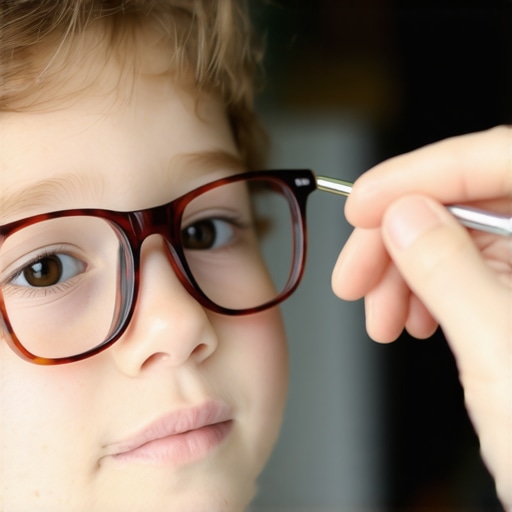
It was just last week when I watched my child stumble slightly after reading the board at school, and it hit me—how many other parents are unknowingly sending their kids into the classroom with unmet eye needs? That simple moment became my lightbulb moment that made me realize the importance of checking my kid’s vision before the school year kicks off. It’s easy to assume that if a child isn’t complaining about vision problems, everything’s fine. But the truth is, many kids have undiagnosed vision issues that can seriously impact their learning and confidence.
Seeing Clearly: The First Step to a Successful School Year
In my experience, many parents overlook the significance of a comprehensive vision check-up until there’s an obvious problem. But sneaky issues like subtle blurriness or eye strain can go unnoticed, quietly hampering academic performance and social interactions. Ensuring your child’s vision is sharp and healthy before the rush of back-to-school activities starts can make a huge difference. It’s not just about avoiding headaches or squinting—poor vision can directly affect reading, concentration, and even their self-esteem. Did you know that according to the CDC, nearly 1 in 4 children has a vision problem that impairs learning? That’s a startling statistic that underscores why this check should be a top priority.
Is getting your child’s eyes checked really worth the trouble?
I remember the early days when I thought a quick eye exam at school was enough. I made the mistake of trusting that assumption, only to find out later that my child’s vision was a little off, and it was affecting their performance in class. The irony is, many problems are easily corrected if caught early—yet they often go unnoticed. This is why I strongly recommend scheduling a thorough vision screening with a pediatric eye specialist or through your telehealth provider. Better yet, you can learn more about accessible eye care options and how virtual visits can make this process easier than ever on your schedule by visiting this insightful article on telehealth innovations.
So, have you faced the challenge of figuring out if your child’s vision is up to par? If you’re unsure, don’t wait for a problem to become a crisis. Taking action now could set your child up for a more confident, focused, and successful school year. And stay tuned—next, we’ll dive into the vital signs and simple steps to make sure your kid’s eye health is as ready as their backpack.
Schedule a Comprehensive Eye Exam
Start by booking an appointment with a pediatric ophthalmologist or an optometrist experienced in children’s eye health. Think of this as a diagnostic ‘check engine’ light for their eyes; it reveals hidden issues before they become bigger problems. During my own experience, I booked a virtual consultation through telehealth services, which allowed us to get expert advice without a trip to the clinic, saving time and reducing stress.
Prepare Your Child for the Exam
Explain that the eye test is quick and painless—like a mini game—so they feel at ease. Encourage honesty about what they see or don’t see, so the results are accurate. In my case, I took my child to a local provider that partnered with a virtual platform to facilitate the exam remotely, which turned out to be a smooth process that identified mild astigmatism needing correction.
Understand Key Vision Tests and What They Reveal
Familiarize yourself with tests like the Snellen chart for clarity or eye tracking assessments for focus. These are akin to routine checkups for a car; they catch issues early. Such screenings can identify problems like convergence insufficiency or lazy eye that often go unnoticed but affect learning.
Leverage Telehealth for Follow-Ups and Specialist Input
After the initial exam, consider telehealth consultations for ongoing monitoring or specialist referrals. The convenience and rapid access are comparable to having a healthcare ‘remote control,’ allowing adjustments without lengthy waits. For example, I used [virtual consultations](https://vitalclinicmd.com/telehealth-innovations-how-virtual-care-is-changing-wellness-in-639-am) to discuss the necessity of glasses and next steps.
Implement Vision-Boosting Habits and Environment Adjustments
Encourage your child to take regular breaks using the 20-20-20 rule: every 20 minutes, look at something 20 feet away for at least 20 seconds. Think of it as rebooting their eyes—similar to how you restart a computer to fix glitches. Additionally, optimize lighting and reduce screen glare by adjusting monitors and seating positions. These simple steps can prevent eye strain and preserve good vision.
Schedule Routine Follow-Ups
Set reminders for annual eye exams, just like dental checkups. Ongoing monitoring helps catch any late-developing issues early, ensuring your child’s vision stays sharp throughout the school year. Remember, proactive steps now create a foundation for confidence and academic success later. For detailed planning, explore [comprehensive vision health strategies](https://vitalclinicmd.com/why-wellness-checks-are-your-first-step-to-better-health-at-945-am) that combine checkups, habits, and environment tweaks.
Many people assume that labs, telehealth, and vaccinations are straightforward tools for maintaining health, but beneath the surface lie nuanced pitfalls that many overlook. One common myth is that standard lab tests are sufficient to provide a complete health picture. In reality, many routine panels miss critical markers of early metabolic or inflammatory issues, which can silently progress into serious conditions. For example, relying solely on cholesterol levels without checking for markers like high-sensitivity C-reactive protein might lead to underestimating heart risk. To deepen your understanding, explore [how lab tests can detect hidden health risks early](https://vitalclinicmd.com/how-lab-tests-can-detect-hidden-health-risks-early-in-your-wellness-pathway). Additionally, many believe that telehealth is just a convenience. While it offers unprecedented access, its true power lies in proactive, personalized care—like tailoring vaccination schedules based on individual immune markers rather than a one-size-fits-all approach. Misusing telehealth as a shortcut for comprehensive evaluations can cause missed diagnoses. For advanced insights, read [how telehealth is revolutionizing accessible health care](https://vitalclinicmd.com/revolutionizing-wellness-how-telehealth-transforms-personal-care). When it comes to vaccinations, there’s a dangerous misconception that boosters are unnecessary if you’ve had the series before. Yet, experts emphasize that immunity can wane—especially with new variants—and personalized schedules based on immune response are far more effective. To see how personalized vaccination plans can prevent disease better, visit [this guide on customized vaccination strategies](https://vitalclinicmd.com/personalized-vaccination-schedules-for-better-disease-prevention). The hidden nuance is that *more* isn’t always *better*; understanding when tests or vaccines are truly necessary requires a nuanced approach grounded in current research and individualized data. For instance, studies show that unnecessary testing can lead to overdiagnosis and anxiety without improving outcomes, as discussed [here](https://vitalclinicmd.com/why-wellness-checks-are-your-first-step-to-better-health-at-945-am). The trap most fall into is equating ease with efficacy—trusting solutions that appear quick or simple without considering their depth. Be vigilant: interpret your health data with critical eyes and seek personalized advice, rather than believing one-size-fits-all solutions are enough. Have you ever fallen into this trap? Let me know in the comments.Maintaining your health appliances and digital tools is essential for reliable wellness management. Personally, I rely on a combination of professional-grade blood pressure monitors like the Omron Platinum, which I calibrate monthly using a certified reference device, and digital apps such as MyHealthVault for tracking lab results and vaccination dates. These tools help me stay on top of health metrics without constant clinic visits. Additionally, I frequently update my telehealth apps, like the VitalClinicMD platform, ensuring I have access to the latest features and security patches. Regular software updates, paired with device calibration, ensure accuracy and security. Predicted advances suggest smarter, AI-integrated health devices that self-calibrate and sync seamlessly with your health records, reducing manual input and error—in the near future, this integration will make wellness tracking more intuitive and dependable.
How do I maintain my health technology tools over time?
To keep your wellness tools in peak condition, schedule routine checks and calibrations, just like they do in clinics. For device calibration, consult the manufacturer’s instructions or certified calibration services—many high-end devices allow for self-calibration routines accessible through app settings. Keep your apps updated to benefit from security patches and new features, and verify your data syncs correctly with cloud storage solutions. Using encrypted platforms like VitalClinicMD ensures your personal health data remains private, as detailed in their privacy policy. Predictive analytics suggest that in the coming years, these tools will be integrated with broader health ecosystems, providing real-time alerts for anomalies before they become issues. This evolution emphasizes the importance of rigorous maintenance today to leverage future capabilities. I recommend trying out the latest calibration feature in your blood pressure monitor or health app to ensure readings remain accurate. Accurate measurements are the backbone of effective health management and can prevent misdiagnosis or unnecessary stress. Regular maintenance with these precise practices will keep your wellness toolkit trustworthy over the long haul, enabling better decision-making and peace of mind. For expert insights on annual checkups and ensuring your lab tests remain reliable, explore this guide to lab test reliability. Staying proactive in maintaining your health tools today ensures dependable results tomorrow and beyond. Remember, thoughtful, regular upkeep transforms your digital and physical wellness resources into powerful allies in your health journey.
What I Wish I Knew About Preventive Care That Changed Everything
One of the most valuable lessons I’ve learned is that early detection through smart tests and habits can prevent lifelong issues. Waiting for symptoms often means missing the window for simple corrections that could dramatically improve a child’s learning experience and confidence.
I realized that personalized approaches—whether through telehealth or targeted lab tests—offer insights that standard checkups simply can’t provide. The moment I shifted from reactive to proactive health management for my child, I saw a transformation in their well-being and academic performance.
Another insight is the importance of integrating wellness routines into daily life, like eye breaks and environment adjustments, which pay off far beyond the classroom. These small, intentional habits can safeguard long-term eye health and overall vitality.
My Essential Toolkit for Child Eye and Wellness Care
Reliable virtual consultations through platforms like telehealth services have been game-changers in maintaining my child’s health. I trust these tools because they offer quick, personalized guidance without the hassle of clinic visits.
Advanced lab panels, such as comprehensive tests for vaccination accuracy, have helped ensure my child’s immunity is on point. I also rely on trusted apps for tracking wellness milestones, providing peace of mind and evidence-based insights.
Books like “Healthy Vision Habits” have deepened my understanding of eye development, empowering me with practical tips to incorporate into daily routines. Certification and guidance from vetted professionals ensure I’m making informed decisions for my family’s health.
Every Parent’s Role in Building Confidence and Well-Being
Taking charge of preventive eye health and overall wellness isn’t just about avoiding problems—it’s about cultivating a foundation for a confident, thriving child. Every checkup, every healthy habit, and every bit of knowledge is an investment in their future.
If you’ve hesitated or felt unsure, remember that proactive steps—like scheduled eye exams and leveraging telehealth—are accessible and impactful. Your actions today shape the resilience and happiness your child carries into tomorrow.
So, are you ready to embrace these insights and prioritize your child’s health? The key is beginning with a simple step—like booking that virtual vision screening—and building from there. Your child’s bright future depends on your willingness to uncover the hidden secrets of health now.