
Why You Should Request an ANA Test if Your Joints Are Always Stiff

It was a slow Sunday afternoon when I realized my joints had become painfully stiff, and I couldn’t shake off the feeling that something was off. No amount of stretching or heat packs seemed to help. I felt a surge of frustration and worry creeping in—was this just part of aging, or was there something more serious lurking beneath?
That moment became my lightbulb moment: I needed to understand what was happening inside my body. Instead of brushing it off or relying solely on my intuition, I decided to request a simple yet powerful lab test—an ANA test. Little did I know, that decision would open the door to crucial insights about my health that I had previously overlooked.
How a Single Test Can Unveil Hidden Causes of Persistent Joint Stiffness
If you’ve ever experienced constant stiffness in your joints, you’re not alone. It can be bewildering—one day you’re fine, and the next, mobility feels compromised. While aging or minor injuries might seem obvious suspects, sometimes these symptoms are signals of an underlying autoimmune issue, like lupus or rheumatoid arthritis, that requires more than just over-the-counter remedies.
The ANA test, or antinuclear antibody test, is a simple blood test that screens for antibodies often associated with autoimmune conditions. Think of it as a litmus test that helps doctors identify if your immune system is misfiring and attacking your own tissues. Early detection through this test can make a significant difference in managing symptoms and preventing long-term damage.
Now, I’ll admit, I made a mistake early on—assuming joint stiffness was just another age-related annoyance, I didn’t prioritize getting tested. Missing that step delayed my diagnosis and treatment. That experience taught me a valuable lesson: don’t postpone a straightforward test that can unravel complex health issues. For more about the importance of early testing, check out how regular lab tests support your wellness.
Is the ANA Test Really Worth the Hype?
This is probably the biggest question you’re asking right now. Honestly, I was skeptical too—it’s just a simple blood test, right? But in my experience, understanding what’s behind stubborn joint symptoms is worth every penny. It’s about getting clarity, peace of mind, and the right next steps. Plus, modern telehealth options make it easier than ever to discuss symptoms and arrange testing from the comfort of your home. Want to learn more about how telehealth can transform your wellness journey? Visit how virtual care is changing personal health management.
So, if you’ve faced persistent joint stiffness and wondered about its cause, keep reading. I’ll guide you through how requesting an ANA test could be the game-changer in diagnosing and managing your health. Because sometimes, understanding what’s really going on inside your body starts with a simple blood draw—one that could save you from years of unnecessary discomfort or missed diagnoses.
.
Schedule Your Blood Work Efficiently
My first move was to find a reliable local lab that offers the ANA test. I used a telehealth platform to consult with a nurse about my symptoms, which simplified the process—no waiting rooms, just a quick virtual chat. During the chat, I explained my joint stiffness and emphasized my interest in autoimmune screenings. The nurse advised me on preparing for the blood draw, ensuring I fasted properly and was well-hydrated.
To make this smooth, I scheduled an appointment through the telehealth platform, which coordinated with the lab to get my test ordered. If you’re doing this for the first time, visit contact us to find support in arranging your testing.
Pick the Right Test and Prepare
Choosing the correct lab test is crucial. The ANA test is a good starting point, but sometimes, your provider might recommend additional screens like CRP or ESR to assess inflammation. In my case, I requested the ANA and optional inflammatory markers during my virtual consultation. Preparation is simple: fast for at least 8 hours, stay hydrated, and avoid strenuous activity. This prep increases the accuracy of your results and prevents delays.
During the lab visit, I explained my concerns clearly to the phlebotomist, ensuring they understood the purpose of the tests. Effective communication here mirrors how you might clarify your health goals during a telehealth session for holistic assessment.
Understand Your Results with Expert Guidance
After a few days, I received my results through the telehealth portal. Instead of trying to interpret the numbers alone, I scheduled a follow-up video consultation. This allowed a healthcare professional to explain what the antibodies meant, which was like a road map unveiling hidden signs inside my body. For example, elevated antinuclear antibodies suggested an autoimmune process, prompting me to consider further testing or specialist referrals.
To facilitate understanding, I asked specific questions about symptoms and next steps, ensuring I didn’t miss critical information. If you want dedicated support, many telehealth services offer these follow-up discussions—check how telehealth is transforming wellness.
Leverage Telehealth for Broader Wellness Management
Beyond lab tests, virtual care opens doors to holistic health management. For instance, scheduling a virtual consult to discuss ongoing symptoms or preventive measures is quick and convenient, especially if you have a busy schedule. I used telehealth not only for diagnostics but also to inquire about vaccination schedules, supplements, and lifestyle adjustments. This approach saves time and provides instant access to expert advice.
To maximize benefits, create a list of questions beforehand and ensure your virtual platform supports secure, private communication, as highlighted in how virtual care is changing personal health management.
Stay Proactive, Not Reactive
Implementing this structured approach transforms passive health monitoring into active engagement. Regular lab testing under professional guidance can catch issues early, much like how I detected inflammation indicators before symptoms worsened. Use telehealth as a reliable partner—it’s like having a health coach in your pocket, guiding each step without the hassle of traditional visits. For ongoing wellness strategies, check why wellness checks are essential. Every small step, from choosing the right test to understanding results and leveraging virtual care, contributes significantly to your health journey.
Many people believe that lab tests, telehealth services, and vaccinations are straightforward tools for health management, but in reality, there’s a web of misconceptions that can lead to misguided decisions. One common myth is that all lab tests are equally necessary for everyone. The truth is, without personalized guidance, you might end up ordering unnecessary tests or missing crucial ones. For instance, investing in comprehensive panels without understanding your specific risks can waste resources and cause confusion.
Similarly, there’s a misconception that telehealth replaces the need for any in-person visits. While virtual care offers incredible convenience, it’s not a one-size-fits-all solution. Advanced health issues often require physical examinations or specialized diagnostics, so knowing when to supplement telehealth with in-person assessments is key. Familiarize yourself with how telehealth complements traditional care.
When it comes to wellness and vaccinations, many assume that once vaccinated or screened, their health is fully protected. This is a dangerous oversimplification. Vaccination schedules are complex, and timing matters significantly; for example, some vaccines require boosters or specific intervals to maximize immunity, as detailed in the importance of proper vaccine timing. Misunderstanding these nuances may leave gaps in your protection, especially for travelers or at-risk populations.
Another common trap is over-reliance on a single lab marker, such as cholesterol levels, to gauge overall heart health. Studies show that focusing only on cholesterol can be misleading, as it doesn’t account for other risk factors like inflammation or blood sugar. For a more comprehensive view, consider additional markers like hs-CRP or fasting insulin. Learn more about these hidden markers of cardiovascular health.
Are Your Lab Tests and Vaccines Covering All Bases
Many individuals overlook the importance of context in interpreting results. A normal thyroid panel, for example, doesn’t always mean your thyroid is functioning optimally—subtle issues can escape standard tests. Similarly, vaccinations should be viewed as part of a dynamic health strategy, tailored to your evolving lifestyle and risks. Not understanding these advanced nuances can result in missed opportunities for prevention.
Let’s dig deeper into this topic, because embracing the complexities of modern healthcare helps you make smarter decisions. For instance, proactive lab screening and virtual consultations can detect early signs of conditions like insulin resistance or nutrient deficiencies—offering a chance to intervene before symptoms appear. To get started with a personalized approach, consider reaching out to a healthcare expert today.
Have you ever fallen into this trap of oversimplification? Let me know in the comments!
**
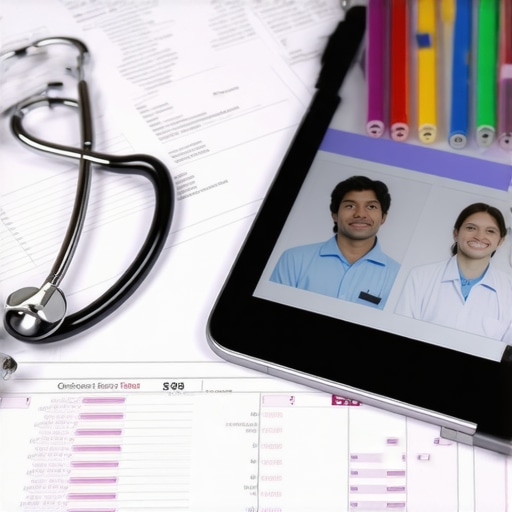
Keeping your health routines effective over time demands more than just visiting your doctor periodically; it requires reliable tools and systems that adapt to your changing needs. One of my core strategies is leveraging personal health monitoring devices that provide continuous insights into vital markers like blood pressure, blood sugar, and activity levels. For example, I use a Freestyle Libre continuous glucose monitor not only to track my glucose trends but to identify patterns that might escape traditional testing frequencies. This real-time data offers a granular view of my health, allowing me to make immediate adjustments and consult my provider virtually, which saves me time and stress.
Complementing devices, software and applications are pivotal in consolidating and analyzing the influx of data. I rely heavily on MyFitnessPal for logging nutrition and activity, and sync it with my wearable and lab results for a holistic picture. Moreover, platforms like telehealth services enable regular check-ins without the need for physical visits, ensuring prompt adjustments to my health plans.
Stretching the Limits with Advanced At-Home Testing
One game-changer I adopted recently is home-based testing kits for nutrients like vitamin D and ferritin, which are often overlooked but critical for sustained wellness. Brands like Everlywell make it feasible to order tests online, perform them at home, and receive professional interpretation within days. This approach dispels the bottleneck of waiting for lab appointments and allows ongoing monitoring aligned with my lifestyle. According to a study in the NCBI, consistent tracking of micronutrients supports better immune function and energy levels, especially during seasonal changes.
Predicting where this trend is headed, I believe integrated health platforms will become the norm, merging wearables, AI-driven analytics, and telehealth consultations into seamless ecosystems. These will proactively alert you to anomalies, suggest interventions, and even schedule next steps automatically.
How do I maintain these tools over time?
Regular updates and calibration are essential to keep devices accurate. I set a quarterly review for my health data in my digital dashboard and consult with my healthcare team for adjustments, especially when I notice unusual trends. Keeping connected with an expert ensures I replace outdated devices or upgrade software to leverage the latest features. To start, I recommend trying out advanced home testing kits and syncing them into your health management platform. This proactive approach can significantly enhance your ability to maintain wellness long-term and respond swiftly to emerging risks. For comprehensive guidance on staying current with your health tools, visit how telehealth improves ongoing wellness management.
Remember, the secret to effective health maintenance relies on integrating the right tools, consistent monitoring, and expert guidance. Don’t hesitate to experiment with new technology—your future self will thank you for it!
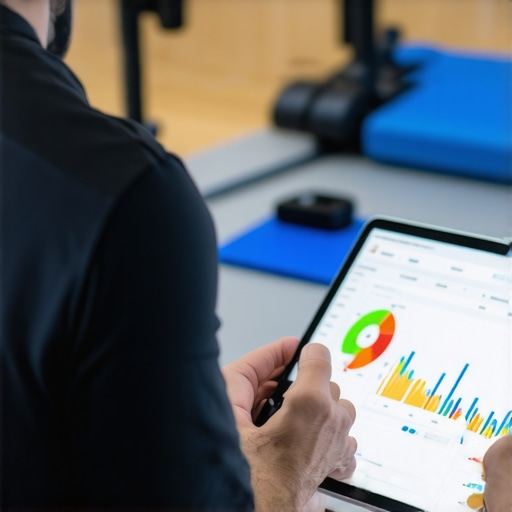
The Hardest Lesson I Learned About lab tests, telehealth, wellness, vaccinations
Initially, I believed that health was mainly about regular check-ups and ignoring the little signs. But my journey taught me that proactive engagement—like requesting the right lab tests—can uncover hidden risks before symptoms appear. Don’t wait for discomfort to force action; early insights are priceless.
3 Myths About lab tests, telehealth, wellness, vaccinations That Held Me Back
- Many assume that all lab tests are unnecessary until you’re visibly unwell. The truth? Targeted testing can catch issues early, saving time and stress.
- I used to think telehealth couldn’t replace in-person visits. Now I see its power for quick check-ins and ongoing management—it’s a game-changer.
- Believing vaccinations are a one-and-done deal prevented me from understanding booster needs. Staying informed ensures continuous protection for me and my loved ones.
What Experts Won’t Tell You About lab tests, telehealth, wellness, vaccinations
Most people lack awareness of how personalized health plans can revolutionize wellness—combining lab testing and virtual care tailored to your unique profile is the future. Missing this knowledge can lead to unnecessary pitfalls and missed opportunities for prevention.
My Essential Toolkit for Optimal Wellness
- Targeted lab panels: I trust understanding lab tests to guide my health decisions.
- Telehealth platforms: Easy access to experts without leaving home—see how telehealth transforms care.
- Home testing kits: Continuous monitoring of nutrients like vitamin D keeps me ahead of deficiencies. Brands like Everlywell simplify this process.
- Health tracking devices: Devices that sync with apps enable real-time insights, making health management seamless and proactive.
Your Turn to Try
Embracing proactive health tools—like lab tests, telehealth, and regular vaccinations—can truly transform your wellness journey. It’s about taking charge before issues escalate and staying informed every step of the way. Remember, your body has secrets waiting to be uncovered; the key is knowing how to listen.
What’s your next step in making your health proactive? Share your thoughts and experiences below!