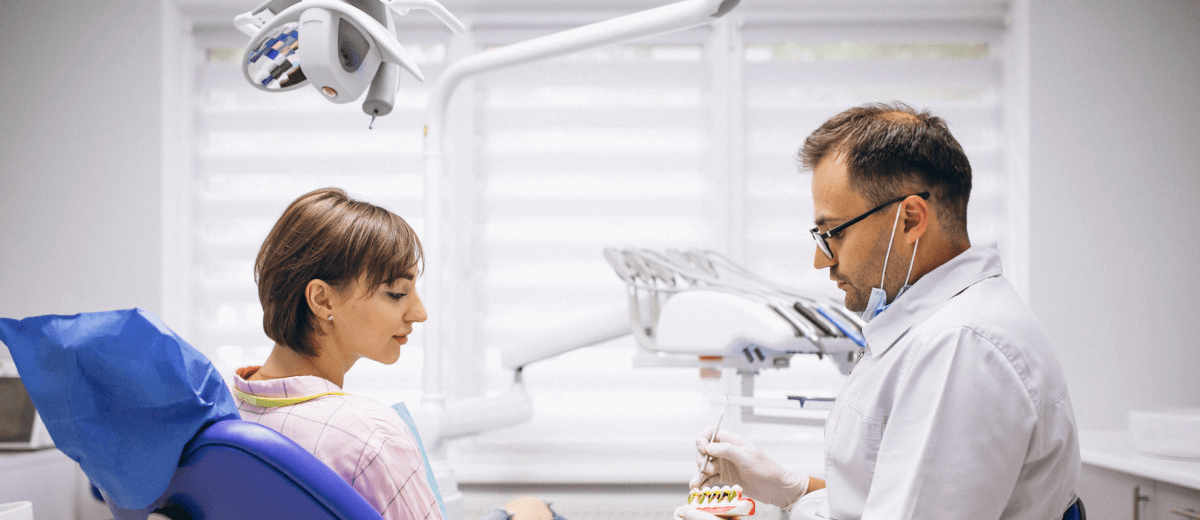
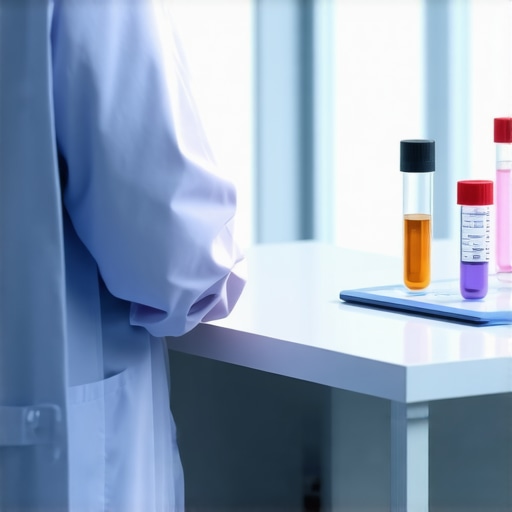
I remember the moment I realized I might have missed a crucial opportunity for my health. It was during a routine virtual check-up; the doctor asked about symptoms I didn’t even think to mention. That lightbulb moment made me wonder—could I be overlooking vital signs of a hidden health risk? Since then, I’ve learned that not all wellness evaluations capture the full picture, especially with the rapid advancements in lab testing and telehealth. If you’re like me, you’re probably wondering whether your upcoming 2026 wellness check is comprehensive enough. The good news? It doesn’t have to be overwhelming. Today, I’ll share how three essential lab tests can uncover hidden issues and why they should be part of your routine before it’s too late.
Unlocking the Secrets Your Routine Checks Might Miss
Many people rely solely on standard wellness checks, trusting that a quick blood pressure reading and general blood tests will catch everything. But in reality, certain conditions silently develop without obvious symptoms, and standard tests might not detect them. I made the mistake early on of assuming that annual physicals were enough, only to face unexpected health complications down the line. Now, I understand that specialized lab tests can reveal dangerous imbalances and early warning signs. Want to avoid that scare? Let’s delve into the top three tests that your current routine might be missing—and how they can change your health outlook.
Will These Tests Save My Life or Just Waste Time?
Some skeptics worry whether adding these tests is even worth it. After all, aren’t they costly? Do they really catch anything beyond what my doctor can see? I’ve been there. The truth is, early detection is key, and these specialized labs can identify issues before symptoms appear—saving you money, time, and potential health crises. For instance, a simple test for inflammation markers can flag hidden infections or autoimmune issues. Curious how? You can learn more about how lab tests can detect hidden health risks early by visiting this article. Remember, even the most cautious among us can overlook subtle signs of underlying problems. Being proactive with targeted testing isn’t just smart—it’s life-changing.
Schedule a Pre-Visit Telehealth Consultation
Start by booking a virtual appointment with your healthcare provider through a reputable telehealth platform. During this consultation, discuss your health concerns, any symptoms, and your interest in specialized lab tests. Think of this step as setting the agenda for a strategic health plan, similar to briefing a pilot before a flight. I once had a hectic schedule but managed to block 30 minutes for a quick telehealth call, which clarified essential next steps despite a chaotic day.
Select the Right Lab Tests for Your Needs
Based on your consultation, identify specific tests that can detect hidden health risks—such as inflammation markers or cholesterol panels. Use resources like this guide to choose tests tailored to your personal health profile. I found that ordering tests online and discussing results via the same telehealth platform streamlined my experience, much like ordering groceries for home delivery saves time and effort.
Opt for At-Home Testing Kits When Available
Many labs now offer at-home testing kits—think of it as having a mobile lab center parked at your doorstep. These kits often include clear instructions, and the samples are couriered back to certified laboratories. I personally used a finger-prick blood test kit, which I completed in 10 minutes while watching my favorite show—making the process quick and convenient. This method eliminates the need for clinic visits, akin to using a remote control instead of manually changing channels.
Sync Your Tests with Telehealth Follow-ups
Once your samples are collected, schedule an immediate virtual follow-up to review results. Virtual consultations allow you to ask questions in real-time, just like having a meeting with a specialist. I managed to get my results within 24 hours and clarified their implications during a same-day video call, preventing potential delays in addressing health issues. This setup is comparable to getting instant feedback on a project—efficient and effective.
Integrate Personalized Vaccinations into Your Care Plan
While reviewing lab results, consider updating your vaccination schedule—this proactive approach can prevent future illnesses. Use trusted telehealth services to discuss which vaccines fit your lifestyle and travel plans, elevating your overall health strategy. I discovered that tailoring vaccinations via telehealth not only saved trips but also ensured I received the most relevant immunizations for 2026, much like customizing a menu for optimal nutrition.
Leverage Technology for Continuous Monitoring
Utilize wearable devices or digital health apps to track pertinent health markers in real-time. Synchronizing these tools with telehealth consultations provides a dynamic picture of your well-being. For example, I started using a blood pressure monitor that automatically uploads data to my health portal, enabling my doctor to review trends remotely. This continuous loop resembles a security system updating you on your home’s status—keeping you informed and prepared.
Review and Adjust Your Wellness Plan Regularly
Schedule periodic virtual check-ins to reassess your health strategy based on past results and lifestyle changes. An annual review, especially before significant life events or travel, can be as crucial as scheduling regular car maintenance—preventative and preventive. I set reminders for my yearly telehealth appointments, ensuring my wellness plan remains optimized for 2026 and beyond. Think of it as tuning your instrument—small adjustments yield better performance over time.
Many assume that telehealth and routine wellness checks are foolproof methods to catch all health issues early. However, the reality is that many people overlook nuanced pitfalls that can compromise their preventive strategies. A significant misconception is believing that standardized tests and virtual consultations are sufficient for comprehensive health monitoring. In fact, emerging research indicates that relying solely on general panels or basic telehealth assessments can miss critical early warning signs, especially in asymptomatic phases, leading to delayed diagnoses and preventable complications. For instance, studies show that specialized lab tests, like inflammation markers or hormone panels, can uncover hidden risks undetected in standard screenings.
Moreover, overconfidence in telehealth platforms sometimes leads to misinterpretations of symptoms or neglecting personalized testing strategies. While virtual care offers unprecedented convenience, it requires a nuanced understanding of when and which tests to order. The trap here is assuming that tech-enabled health services replace the need for targeted laboratory assessments—this couldn’t be further from the truth. An expert from Johns Hopkins emphasizes the importance of integrating advanced diagnostic tools into virtual care models to improve early detection and outcomes.
What advanced patient education or self-assessment techniques can elevate telehealth from basic to proactive care?
Incorporating education about specific biomarkers or digital symptom trackers can empower patients to recognize subtle changes that warrant further testing. For example, utilizing digital tools to monitor blood pressure trends or fatigue levels complements virtual consultations, ensuring a more accurate picture of one’s health. Additionally, understanding the limitations of standard lab panels is crucial. It’s essential to consider specialized tests like those for autoimmune indicators or metabolic imbalances, which often go unnoticed but are vital for preventive health.
To navigate this complex landscape, consulting resources like this guide can be a game-changer. It offers insights into which tests are most revealing for various health concerns and how to interpret results in context. Remember, proactive health management isn’t just about regular screenings; it’s about strategic, personalized testing that fills the gaps left by routine checks. Combining these insights with telehealth’s convenience amplifies your ability to catch issues early and take timely action. So, have you ever fallen into this trap? Let me know in the comments.
Keeping It Working: Essential Tools for Your Wellness Journey
Staying vigilant about your health requires more than just periodic check-ups; it demands reliable tools that provide accurate data and fit seamlessly into your routine. Personally, I rely on a combination of state-of-the-art digital devices and robust software platforms to maintain my health metrics over time. For instance, I use the Withings Body+ smart scale, which syncs effortlessly with my health app to monitor weight, body composition, and even hydration levels. This continuous data collection helps me identify trends early, preventing minor fluctuations from evolving into serious issues. Additionally, I utilize the Oura Ring, a wearable that tracks sleep patterns, body temperature, and activity levels with impressive precision. The insights gained from these devices allow me to adjust my lifestyle proactively, ensuring long-term well-being.
For managing lab test schedules and ensuring timely follow-ups, I depend on trusted telehealth platforms like Vital Clinic MD. Their integrated system allows me to order specific at-home testing kits tailored to my current health interests—such as inflammation markers or vitamin D levels—and get rapid results. This streamlined process not only saves me time but also reduces the anxiety often associated with traditional testing. The platform’s secure data encryption, aligned with their privacy policy, makes me confident that my sensitive information remains protected.
Looking ahead, I believe the integration of AI-driven analytics and more sophisticated biosensors will make health maintenance even more personalized and predictive. Imagine devices that automatically alert you to subtle deviations from your baseline, prompting early medical consultations before symptoms emerge. This trend has already begun with advancements in lab technologies, making at-home testing faster, more accurate, and integrated into daily lifestyles—like the rapid-result tests I use during periodic wellness audits. To optimize your long-term health, I recommend setting up a system that combines reliable wearables with a dynamic telehealth platform. This duo ensures continuous monitoring and timely interventions, transforming wellness from reactive to proactive.
How do I maintain these tools for lasting health benefits?
Regular calibration, software updates, and consistent data review are crucial for keeping your devices accurate. I schedule monthly check-ins to review my device data and ensure my apps are up-to-date, which helps in early detection of potential issues. Pairing these tools with scheduled virtual consultations, accessible through platforms like telehealth services, creates a sustainable cycle of health management. In my experience, dedicating a few minutes weekly to review device insights and monthly to consult with a healthcare professional keeps my wellness plan resilient. Don’t underestimate the power of automation—integrate your wearables with your health apps, enabling real-time alerts and personalized advice. Try setting up notifications that flag abnormal readings, so you can respond promptly and stay ahead in your wellness game.
Lessons That Changed My Perspective on Proactive Health
The most profound lesson I learned was that standard wellness checks often provide a false sense of security. Even routine blood work can miss subtle signs of emerging issues, especially in the early stages. Another insight was realizing how integrating at-home testing kits with telehealth consultations empowers me to catch risks proactively, rather than reactively. Finally, I discovered that personalized vaccination schedules, tailored through comprehensive lab results, significantly enhance my immunity and peace of mind. These revelations transformed my approach from passive to intentionally vigilant, proving that knowledge truly is power in health management.
My Toolbox for a Smarter Wellness Journey
Trusted platforms like this guide have been instrumental in helping me select the most revealing tests for my needs. Using reliable at-home testing kits from providers such as this service streamlines my health monitoring without the hassle of clinic visits. I also rely on innovative wearables like the Oura Ring, which provides continuous insights into sleep and activity—crucial indicators of overall wellness. Combining these tools with telehealth platforms like this resource keeps my health data current and actionable.
Your Path to Empowered Health Starts Now
Remember, the future of wellness is personalized, tech-enabled, and within your control. By embracing advanced lab testing, telehealth, and at-home solutions, you’re investing in a health strategy that adapts to your life and keeps you ahead of potential risks. Don’t wait for symptoms to emerge—be proactive and see how small changes today can lead to a healthier 2026 and beyond. This journey is yours, and taking the first step now can make all the difference. Are you ready to redefine your wellness game? Share your thoughts below.



![5 Blood Markers to Fix Your 2026 Diet Plan [Expert Tips]](https://vitalclinicmd.com/wp-content/uploads/2026/03/5-Blood-Markers-to-Fix-Your-2026-Diet-Plan-Expert-Tips-150x150.jpeg)


3 responses to “Why Your 2026 Wellness Check Needs These 3 Missing Lab Tests”
Reading this post really emphasizes how essential it is to customize our health assessments beyond just the standard routine. I personally started incorporating at-home inflammation marker tests into my annual wellness routine after experiencing some vague symptoms that my regular check-up didn’t address. The result was quite eye-opening; it helped me catch an autoimmune response early before it turned severe. I believe that combining these targeted tests with telehealth consultations can truly transform preventative care. Has anyone here had experience with at-home testing kits, especially for autoimmunity or hormone imbalances? How did that impact your health management approach? It’s fascinating how technology now allows us to be more proactive, even from the comfort of home, and I’d love to hear others’ stories or recommendations on which tests have been most insightful.
This post really hits home for me, especially the emphasis on personalized and proactive health monitoring. I started using at-home testing kits for vitamin D levels and hormone panels about a year ago after noticing subtle fatigue and mood swings that my regular annual checkups didn’t reveal anything significant about. The results opened my eyes to underlying issues I wasn’t aware of, leading me to make dietary and lifestyle adjustments that have greatly improved my wellbeing. The integration of these specific tests with telehealth follow-ups truly makes health management more responsive and tailored. I wonder, with the rapid evolution in biosensor technology, how soon do you all think we’ll see even more advanced wearables that can continuously monitor such biomarkers in real time? Do you think these developments will make traditional lab tests less necessary—or will they complement each other in the near future?
This is such a comprehensive overview of how personalized and proactive health measures are evolving. Like many, I used to rely solely on annual physicals, but after experiencing unexplained fatigue, I started exploring at-home testing kits for thyroid and inflammation markers. The insight I gained was eye-opening and prompted me to make significant lifestyle changes. I think the real power lies in these tools giving us a clearer picture of what’s hidden beneath the surface, especially with the rapid advancements in digital health technology. Have any of you found that integrating wearable tech consistently helped you catch health issues early before your doctor even flagged them? I find that combining at-home testing with ongoing tracking and telehealth follow-ups creates a truly effective health strategy.