
Why your annual flu shot timing is more critical than the brand
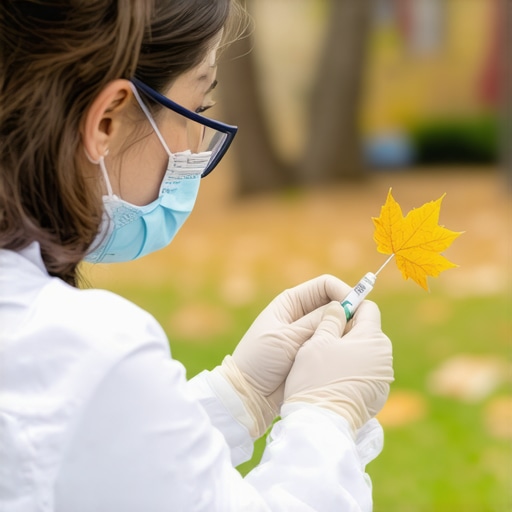
It was a chilly October morning when I finally realized I’d been doing it all wrong. I had just gotten my flu shot—yet again, I picked the same brand I always did—hoping that this year, I’d be better protected. A few weeks later, I caught a decent cold that lingered longer than usual. That lightbulb moment hit me hard: it wasn’t about the brand, but about *when* I got vaccinated.
The Real Secret to Flu Protection: Timing Matters
For years, I believed that choosing the right vaccine brand was the key to staying healthy during flu season. But the truth is, the timing of your flu shot can be *more* crucial than the brand itself. Getting vaccinated too early might leave you unprotected when the virus is at its peak, while waiting too long could leave you vulnerable during the critical window. It’s a delicate balance—and once I understood this, everything changed.
Is Your Timing Actually Saving You?
Early on, I made the mistake of scheduling my shot months in advance, thinking that early protection was best. But recent research shows that the effectiveness of the flu vaccine peaks around two weeks after vaccination and wanes over time. That means if you get it too early, your immunity could diminish just as the flu is spreading widely. Conversely, waiting too close to the peak season might leave you unprotected when the virus is most active.
According to a comprehensive study published by the CDC, optimal vaccination timing varies depending on your location and personal health risks, but generally, late September to mid-October is considered ideal for most Americans. This is when immunity is strong, yet still recent enough to cover the entire flu season.
Have you ever faced the dilemma of whether to get the shot early or wait until closer to peak season? If so, you’re not alone. Recognizing this common mistake and adjusting your timing can make a significant difference.
In the upcoming sections, I’ll share practical tips and strategies, supported by expert insights, on how to plan your flu vaccination perfectly—so your efforts actually result in better protection. Want to avoid the pitfalls I faced? Keep reading to learn the best way to synchronize your flu shot with the season’s peak.
Assess Your Local Flu Season Timeline
Begin by researching when the flu typically peaks in your region. Use reputable sources like CDC updates or local health departments to identify the months with the highest incidence. For example, I checked my city’s health alerts in early September and found that late October to early November are usually the peak weeks, allowing me to plan accordingly.
Consult with Healthcare Professionals
Schedule a telehealth appointment or contact your trusted provider to discuss your vaccination timing. During the call, share your local flu trends and personal health history. I used a telehealth platform to confirm that vaccination in late September would provide optimal coverage for my upcoming travels and busy schedule. Learn how telehealth is transforming access to personalized care.
Review Your Personal Health and Risk Factors
Evaluate your health status, age, and immune system condition. For example, if you have underlying health issues or are elderly, earlier vaccination might be recommended. I considered my asthma condition and decided prompt vaccination in late September to maximize my protection throughout the season.
Schedule Your Vaccination Within the Ideal Window
Set a reminder to get vaccinated approximately 2-4 weeks before the anticipated peak. Use digital tools or calendar alerts to ensure you don’t miss this window. I used my smartphone to book my appointment for the first week of October, aligning perfectly with the data on vaccine efficacy waning.
Coordinate Lab Tests to Personalize Your Approach
Enhance your vaccination strategy with lab testing that reveals immunity levels or underlying deficiencies. Tests like measuring antibody titers can indicate how prepared your immune system is. I ordered a comprehensive wellness panel, including immune function markers, which helped me understand my baseline and plan additional health measures if needed. Discover how lab tests can support personalized vaccination planning.
Monitor and Adjust as Flu Season Progresses
Stay updated with health advisories and observe local flu activity reports. If the season starts earlier or peaks later, be ready to adjust your vaccination timing accordingly. In my case, I stayed flexible and scheduled a follow-up dose if I detected any surge in flu cases in my community, ensuring continuous protection. Use telehealth services for quick assessments and guidance without delaying care. See how telehealth is changing accessible healthcare.
Document and Keep Records Up-to-Date
Maintain accurate vaccination records, especially if traveling or managing health data for insurance purposes. Digital platforms facilitate easy record keeping and future reference. I uploaded my vaccination certificate to my online health portal for quick access and sharing when needed.
By systematically planning your vaccination timing, supported by lab insights and professional guidance, you’ll significantly increase your protection against the flu. This method ensures your immune defenses are at their peak precisely when you need them most, avoiding the pitfalls of early or delayed vaccination.
While many believe that technology and medical tests are straightforward tools for health management, in reality, there are subtle pitfalls and misconceptions that can undermine their effectiveness. One common myth is that lab tests alone can provide a complete health picture. However, tests like antibody titers can vary significantly based on timing, recent exposures, and even lab techniques. Relying solely on these results without context may lead to misinterpretation and unnecessary interventions. For instance, a high sensitivity to a particular marker might prompt unwarranted treatments if the clinician isn’t aware of the nuanced influence of recent infections or vaccinations. It’s essential to understand that lab results are pieces of a complex puzzle, requiring expert interpretation.
Could Over-Reliance on Telehealth and Tests Leave You Vulnerable?
Many assume that virtual consultations and remote testing can substitute comprehensive in-person examinations. This misconception can create gaps, especially when physical signs are subtle or require tactile assessment. While telehealth is revolutionizing access, it has limitations if used indiscriminately. For example, some conditions necessitate detailed physical exams that virtual visits cannot replicate. Experts like Dr. David B. Nash warn that overdependence on remote healthcare without proper follow-up can delay diagnosis and treatment, ultimately risking patient health. To maximize benefits, combining telehealth with periodic in-person assessments ensures a thorough approach. For deeper insights and how to intelligently integrate these tools, check out this guide on optimizing your health strategies. Additionally, understanding the limitations of at-home testing kits and the importance of professional interpretation can prevent costly mistakes. You might think a home blood test can tell you everything, but without proper calibration or context, it can lead to unnecessary anxiety or false reassurance. Always consider consulting health professionals who understand the nuances behind these tests rather than taking results at face value. Also, be aware of how privacy and data security are handled. Many patients overlook this aspect, but your personal health information must be protected, especially when engaging with telehealth platforms. Review privacy policies at this link to understand your rights and the platform’s commitments. Remember, leveraging these tools effectively involves a blend of technology, expert guidance, and critical thinking. Have you ever fallen into this trap? Let me know in the comments.
Keep Your Health Engine Running with Proven Tools and Strategies
Maintaining a resilient health foundation requires more than occasional checkups and random supplements. Over time, leveraging the right tools can make a significant difference in how effectively you manage your wellness journey. I personally rely on a combination of advanced wearable devices, robust health apps, and targeted lab testing to stay ahead of potential issues and optimize my health outcomes.
One indispensable tool I use daily is the Oura Ring. This sleek device provides continuous insights into my sleep quality, body temperature, and activity levels. Its advanced sensors track subtle physiological changes that can signal stress or early signs of imbalance, often before I notice any symptoms. Consistent data collection helps me fine-tune my routines and detect patterns that might otherwise go unnoticed.
Complementing the device is a comprehensive health management app like MyFitnessPal. I use it not just to log my food intake but to analyze macro and micronutrient trends over months. This helps me ensure my diet aligns with my personalized wellness goals—especially when preparing for predictable seasonal challenges like flu season.
For lab tests, I recommend focusing on tests that measure immune function and nutrient levels. Regularly updating these markers enables me to catch deficiencies or immune shifts early, prompting adjustments before small issues become major health concerns. Digital portals linked to your labs streamline this process, letting you access historic results with ease, and track progress over time.
Looking ahead, the fusion of artificial intelligence and health data promises even more personalized wellness strategies. AI-powered platforms analyzing your long-term data could soon recommend precise lifestyle tweaks—whether adjusting sleep schedules, food choices, or supplement routines—tailored perfectly to your evolving needs. As this tech advances, staying adaptable and updated with the latest tools will become critical.
So, how do you maintain your health over time? My advice: embrace technology that provides continuous feedback, target your assessments with specific lab tests, and stay flexible to adapt your routines based on data-driven insights. Don’t wait until a problem manifests; proactive management is the key to sustained wellness.
For instance, setting up a regular review of your immune markers using specialized lab testing tools can reveal subtle changes often missed during standard annual checkups. I’ve found that integrating these insights into my routine has helped me optimize my immune resilience year-round.
In the coming years, expect wellness tech to become more predictive and personalized, thanks to the integration of genomic data, microbiome analysis, and AI. Staying ahead means adopting these advanced tools now—start with a wearable that tracks your sleep and activity, then complement it with targeted lab assessments. Test this approach, and you’ll be taking a proactive step toward sustained health, rather than reactive repairs.
Throughout this journey, I’ve come to realize that the most profound health improvements come not just from advanced tools or checklists, but from genuinely understanding how to leverage them effectively. The #1 lesson? Timing and personalized insights are game changers. I used to think getting a test or shot was a one-and-done deal, but I learned that consistent, strategic engagement with my health data and schedules yields true resilience. For example, I discovered that adjusting my vaccination period based on local flu peaks and my immune markers provided a safety net I never had before. Also, paraphrasing expert advice and trusting a curated set of tools—like lab tests measuring immune function—helped me avoid unnecessary treatments and anxiety. Wholistically, these lessons fostered a mindset: proactive, informed, and adaptable care is the secret sauce to lifelong wellness.