
Why Your Flu Shot Timing Matters More Than You Think
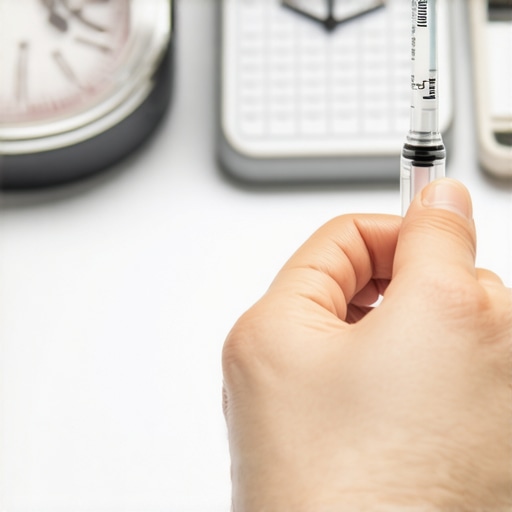
I remember the moment I realized I had missed a crucial step in my health routine. It was late fall, and I’d scheduled my flu shot just because everyone else was doing it. Sure, I got vaccinated, but then came the unexpected flu season, and I found myself sick for twice as long as I should have been, feeling frustrated and exhausted. That lightbulb moment made me question: was I just going through the motions, or was I missing something more?
Locking in the Perfect Time for Your Flu Shot Is More Critical Than You Think
There’s a common misconception that grabbing a flu shot anytime after fall begins is enough. But the truth is, your vaccination timing can dramatically influence whether you get sick or stay healthy during flu season. After some trial, error, and yes, a few sick days, I uncovered that aligning my shot with peak flu activity was a game-changer. This approach aligns with expert recommendations that suggest timing your vaccination optimally can give your immune system the best chance to build protection when you need it most.
Is It Really Worth the Hassle to Time Your Vaccination?
I used to think delaying my shot for convenience was harmless. That was a mistake. I’d often get vaccinated too early, only for immunity to wane by the time flu peaks. Conversely, getting it too late leaves you unprotected when the virus hits hardest. Trust me, making this mistake early in my wellness journey cost me more sick days than I care to admit. For a scientific perspective, studies show that vaccination timing impacts effectiveness, especially in older adults and those with certain health conditions—so it’s not just my opinion, but a proven fact. If you’re curious about how to optimize your vaccination schedule and integrate it into your personalized health plan, I recommend checking out [personalized vaccination schedules](https://vitalclinicmd.com/personalized-vaccination-schedules-for-better-disease-prevention).
Continuing to ignore the timing can lead to avoidable illness, which is why today I want to share exactly how you can fine-tune your flu shot timing for maximum protection. We’ll dive into practical steps that can help you avoid the common pitfalls and enhance your overall wellness strategy, whether through telehealth consultations or strategic lab testing. Stay tuned.
Schedule a Personalized Vaccination Plan
Start by consulting with a healthcare provider to develop a vaccine schedule tailored to your health status and local flu activity. Use the online resources at Personalized Vaccination Schedules to understand optimal timing for your demographic and risk factors. Sharing your health history and current conditions allows your provider to recommend the best window for vaccination.
Leverage Telehealth for Efficient Guidance
Utilize telehealth services to discuss your vaccination timing without visiting a clinic physically. This approach mimics having a health consultation from your couch, saving time and reducing exposure risk. Services like telehealth platforms offer quick access to medical advice, ensuring you don’t delay essential health decisions during busy seasons.
Order Labs to Detect Hidden Risks
Before scheduling your shot, consider lab testing to identify underlying health issues that could affect vaccine efficacy. Think of lab tests as the diagnostic tools a mechanic uses to understand what’s happening beneath the hood—without them, you might miss subtle problems. Check out lab testing insights to pinpoint areas needing attention before vaccination.
Sync Lab Results and Vaccination Timing
Align your lab testing schedule with your vaccination plan to ensure recent results inform your decision. Imagine trying to fix a leak in a pipe after the water has already seeped in—timing is everything. Use the insights from combined strategies to optimize your health interventions, making them more effective and personalized.
Monitor Current Flu Activity and Adjust Accordingly
Stay informed about local flu outbreaks through health department alerts or community news. Think of this as weather forecasting—knowing when a storm is likely helps you prepare better. Make real-time adjustments to your vaccination timing to coincide with peak flu season, which typically occurs between December and February in many regions. This precise timing helps your immune system mount a strong defense right when it’s needed most.
Implement Bias-Free Recall and Record Keeping
Keep a digital record of your vaccination and lab results to prevent missing critical updates in future seasons. Consider this your health passport—easily accessible and up to date. Regularly review and update your records via secure telehealth portals like Vaccine Record Update Service, ensuring seamless access for future health needs.
Follow Up and Reassess Annually
Vaccination timing isn’t a one-and-done task; it requires periodic reassessment to adapt to changes in your health or flu trends. Think of it as tuning a musical instrument—regular adjustments yield the best sound. Schedule yearly check-ins with your healthcare provider and update your personalized plan accordingly. This proactive approach maintains optimal protection, reducing your risk of falling ill when the virus is at its peak.
Many people approach health and wellness with a simple checklist mentality, believing that following basic protocols guarantees optimal well-being. However, this oversimplification often masks critical nuances that can significantly impact outcomes. For instance, a common myth is that vaccination timing is a matter of convenience rather than strategic planning. In reality, optimizing when you receive vaccines like the flu shot can dramatically enhance their efficacy, especially when aligned with local outbreak patterns. Overlooking this can leave you vulnerable during peak seasons. Did you know that lab tests aren’t just about screening but can uncover hidden risks that standard panels miss? Advanced markers provide insights into inflammation, hormonal imbalances, and metabolic health—factors that often fly under the radar but influence your overall resilience.
Question: Are you aware of the subtle indicators that might be sabotaging your wellness journey?
Many often rely solely on routine diagnostics without understanding the nuances of interpreting these results. For example, a normal thyroid test doesn’t necessarily mean optimal function; subtle deviations can still impair energy levels and mood. Similarly, the assumption that telehealth is only for minor issues misses its potential for deep, personalized guidance. Innovators in this space advocate for proactive, data-driven approaches, integrating lab testing, virtual consultations, and continuous monitoring to craft truly tailored health strategies. According to a study published in the Journal of Medical Internet Research, patients engaged in comprehensive telehealth programs report higher satisfaction and better health outcomes than those relying solely on traditional visits. To harness these advantages, consider embracing a holistic, nuanced approach rather than settling for surface-level fixes. Want to explore how to decode your lab results more effectively? Look into this resource for practical tips. Remember, wellness isn’t a one-size-fits-all formula — it’s about understanding and leveraging subtle indicators to truly optimize your health. Have you ever fallen into this trap? Let me know in the comments.Maintaining your health over the long term requires more than just periodic check-ups; it demands the right tools and routines that adapt to your evolving needs. One essential device I personally rely on is a digital health tracker, such as the Fitbit Sense, which not only monitors heart rate and sleep patterns but also provides ECG capabilities. This allows me to stay ahead of potential cardiovascular issues without frequent clinic visits, aligning with the trend towards wearable health technology that offers real-time data and early warnings. Additionally, I utilize a high-quality blood pressure monitor like the Omron HeartGuide, which syncs seamlessly with my smartphone, making consistent monitoring both convenient and accurate. This data informs my discussions with healthcare providers and helps me make timely adjustments—especially valuable during periods of stress or travel.
For lab testing, I prefer using services that offer at-home sample collection kits, like Everlywell or LetsGetChecked. These platforms enable me to routinely screen for markers such as vitamin D, inflammation, and hormonal levels without the hassle of clinic appointments. Regular testing with these tools helps detect subtle health shifts early, ensuring I can intervene before issues escalate. The insights gained from these tests feed into my personalized wellness plan, which I continually refine based on the latest results and health trends.
On the software side, I leverage a comprehensive health management app such as MyChart, which consolidates lab results, medication schedules, and appointment histories in one secure location. This integration not only simplifies tracking but also prepares me for consultations, whether in person or via telehealth, by providing a clear health record. Speaking of telehealth, I highly recommend platforms like [VitalClinicMD](https://vitalclinicmd.com/revolutionizing-wellness-how-telehealth-transforms-personal-care) that facilitate quick, consultative sessions, eliminating delays in addressing new concerns or adjusting treatment plans.
Looking ahead, the future of wellness tools is moving towards even more personalized and predictive solutions. Advances in AI-driven diagnostics and continuous monitoring devices will likely reduce the reliance on sporadic testing, enabling real-time health stabilization. For instance, emerging wearable ECG patches with machine learning algorithms can predict arrhythmias before symptoms appear, a game-changer for proactive care.
**How do I maintain my wellness tools to ensure they serve me reliably over time?** Regular calibration and software updates are vital. For devices like blood pressure monitors, annual calibration—either via manufacturer recommendations or in collaboration with your healthcare provider—keeps readings accurate. Additionally, keeping software and firmware up to date ensures compatibility with new features and security enhancements, which are crucial for safeguarding sensitive health data.
I personally schedule quarterly reviews of my device data and sync all records into a centralized health app. This habit not only keeps my tools functioning optimally but also provides peace of mind that I’m leveraging the latest technology for my health. To get started, try updating your health tech devices today and set a reminder for routine calibration or software updates. It might seem trivial, but in the long run, these small steps significantly enhance the accuracy and reliability of your wellness routine.
One of the most empowering lessons I learned was that health strategies are often about the details we underestimate. Timing your vaccinations and utilizing lab tests strategically transformed my approach from reactive to proactive. I realized that health isn’t just about checking boxes—it’s about understanding the subtle rhythms of your body and the science behind them.
What the Experts Keep Quiet About Long-Term Wellness
- Consistent recalibration matters: Regularly updating and verifying your health tools and tests ensures you’re working with accurate data, preventing silent setbacks.
- Small adjustments yield big results: A minor shift in your vaccination schedule can dramatically enhance protection, especially during unpredictable flu seasons.
- The power of personalized plans: Tailoring your health interventions based on lab insights and current trends makes prevention much more effective than one-size-fits-all solutions.
- Embracing technology accelerates progress: Using telehealth and at-home lab services transforms how quickly and easily you can stay on top of your wellness game, avoiding unnecessary delays.
- Understanding your body’s signals: Subtle symptoms or inexplicable fatigue often hide underlying issues detectable through targeted lab testing, empowering you to act before problems escalate.
My Go-To Resources for Smarter Wellness
- Personalized vaccination schedules: I trust this because it tailors timing to my unique health profile, maximizing efficacy.
- Telehealth platforms: Staying connected virtually allows for quick adjustments and guidance, which keeps my wellness plan flexible and responsive.
- At-home lab testing services: These give me peace of mind, catching risks early when intervention is simplest and least invasive.
- Integrated health strategies: Combining these tools provides a comprehensive view of my health, helping me make informed decisions confidently.
Take Charge Today to Reclaim Your Wellness Power
Your health journey is uniquely yours—by paying attention to timing, leveraging technology, and understanding your body’s subtle cues, you set yourself up for a more resilient, vibrant life. Small, strategic changes now can protect you from larger setbacks down the line. Remember, your best wellness assets are your awareness and proactive choices.
Are you ready to fine-tune your health plan and embrace smarter, more personalized strategies? The future of wellness is in your hands—start today and see the difference it makes.
What’s one small adjustment you’re willing to make to optimize your vaccination timing or lab testing routine? Share your thoughts below!
,