
Why Your Morning Anxiety Might Actually Be Low Blood Sugar
It happened again. I woke up feeling like my head was wrapped in cotton, my pulse seemed a tad too quick, and that sinking feeling of unease crept in without any obvious reason. Usually, I attributed that morning jitteriness to stress or the chaos of the day ahead, but then I had a lightbulb moment—what if it’s not just anxiety? What if my body’s actually signaling something else entirely?
Why Your Morning Anxiety Might Be Tracing Back to Low Blood Sugar
Many of us brush off those early-morning nerves as just part of life, but there’s a chance they could be hiding a deeper issue. I learned that fluctuations in blood sugar levels, especially fasting blood sugar in the morning, can mimic or even trigger feelings of anxiety. When blood sugar dips too low, your body reacts by releasing stress hormones like adrenaline, which can cause jitters, rapid heartbeat, sweating, and that characteristic feeling of dread—pretty much what we think of as anxiety.
Studies show that even mild hypoglycemia, or low blood sugar, can produce symptoms overlapping with anxiety disorders. The key is recognizing these signs early so you can address the root cause rather than just managing symptoms. This realization pushed me to pay closer attention to my own lab results and consider how my diet and blood sugar management might be influencing my mornings.
If you’ve ever felt inexplicably anxious shortly after waking up, you’re not alone. And better yet, you’re not stuck with just “morning nerves.” There are straightforward steps to identify and correct blood sugar dips, which can make a world of difference.
Before we dive into personalized strategies, let me share an important caveat: I made a costly mistake early on—assuming that morning anxiety was purely psychological without considering the biological signals my body was trying to send. That oversight delayed targeting a simple, manageable cause. You can find out more about how lab tests can uncover hidden health risks [here](https://vitalclinicmd.com/how-lab-tests-can-detect-hidden-health-risks-early-in-your-wellness-pathway), and I highly recommend getting your own results checked to see if blood sugar is playing a role.
Now, if this resonates with you, stay tuned. We’re about to explore practical ways to keep your blood sugar stable and start your day feeling energized, not anxious. Ready to take control? Let’s get into it.
Start With a Morning Routine That Balances Blood Sugar
Rise and shine by Stabilizing your breakfast. Opt for a balanced meal containing healthy fats, fiber, and protein—think scrambled eggs with avocado or a Greek yogurt with nuts and berries. This prevents blood sugar dips that trigger adrenaline spikes, which often cause morning jitters. I remember experimenting with overnight oats topped with chia seeds; it kept me steady for hours. Implement this consistently to see noticeable calming effects in your mornings.
Measure Your Blood Sugar to Personalize Your Approach
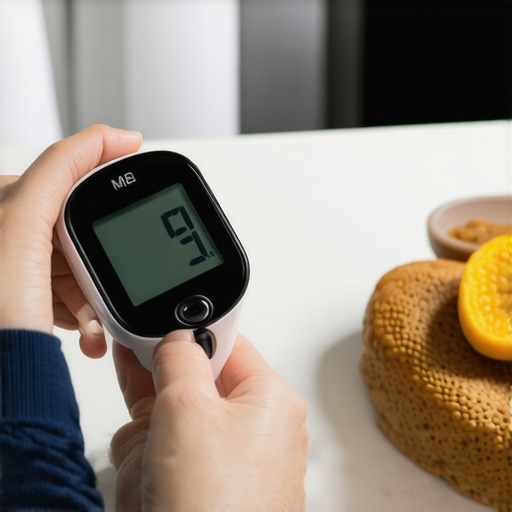
Use a glucometer to track your fasting blood sugar levels over several mornings. Drawing a simple blood sample from your fingertip, you can observe how different foods affect your glucose. For example, I found that my levels spiked after certain carbs but stayed stable with healthy fats. This personal data empowers you to tailor your diet—cutting back on high-glycemic foods that cause dips and surges. For a comprehensive understanding, consider lab tests that reveal your fasting insulin and blood sugar patterns—details you can review through reputable telehealth services like this guide.
Adjust Your Diet Based on Data
Once you identify the foods causing instability, replace or minimize them. Incorporate complex carbs like oats or sweet potatoes, paired with healthy fats such as olive oil or nuts. Use your blood sugar readings as a roadmap; consistent stabilization reduces adrenaline release, diminishing morning anxiety. In my journey, switching to a low-glycemic breakfast significantly reduced my morning jitters within a week. Remember, combining dietary changes with hydration and regular exercise enhances results.
Practice Virtual Monitoring and Consultations
Leverage telehealth platforms to consult with nutritionists or endocrinologists. They can interpret your blood sugar data and recommend personalized interventions without the need for in-person visits. This approach is perfectly suited for busy schedules and offers quick adjustments. For example, during a virtual session, my specialist suggested specific meal tweaks based on my lab results—leading to rapid improvements. To ensure your privacy and data security, review the platform’s privacy policy. Regular remote check-ins can help keep your blood sugar—and your anxiety—under control.
Implement Consistent Habits for Long-Term Stability
Establish a daily routine that includes balanced eating, regular physical activity, and stress management. Consistency is key to maintaining blood sugar levels and preventing spikes that trigger anxiety. Use reminders or journaling to track your progress and identify patterns. Over time, these habits will become second nature, empowering you with greater control over your mornings and mental well-being.
 Many individuals believe they fully understand telehealth and wellness practices, but the truth is, there are subtle complexities that often go unnoticed. A common misconception is that telehealth replaces in-person care entirely; however, the effective use of virtual services requires understanding their limitations and the importance of integrating lab tests and personalized vaccination strategies for true health optimization. For instance, relying solely on standard blood work without considering advanced markers can lead to missed diagnoses, as highlighted in recent research emphasizing comprehensive testing approaches.
Are You Overlooking the Critical Differences Between Routine Blood Tests and Advanced Markers in Your Wellness Journey?
Many assume that a normal lab result equates to good health, but studies show that early signs of issues like insulin resistance or micronutrient deficiencies often remain undetected without specialized testing. This oversight can delay intervention and exacerbate health problems, demonstrating why comprehensive lab assessments are essential. Moreover, some believe vaccinations are one-size-fits-all; in reality, personalized vaccination schedules based on detailed health data can significantly improve protective outcomes.
Another trap is the misconception that telehealth platforms are less secure or less effective. Actually, platforms like these services employ robust privacy policies and can facilitate detailed consultations that include reviewing lab tests and customizing wellness strategies. However, it’s vital to scrutinize the privacy policies (see this page) and ensure your data is protected.
Additionally, a mistake many make is undervaluing the importance of advanced lab tests in vaccination planning and chronic disease prevention. For example, tests measuring micronutrient levels or inflammatory markers can inform more effective vaccination timing and booster schedules, as discussed in this resource. Incorporating these insights allows for a proactive rather than reactive approach to health.
It’s also worth noting that some services promote the idea that virtual care is only suitable for minor ailments. On the contrary, with proper data and expert guidance, telehealth can manage complex conditions like hormonal imbalances or metabolic syndromes, avoiding unnecessary office visits and enabling timely interventions. This evolution in care is transforming the traditional healthcare model, making it more accessible and personalized. For deeper insights into this shift, see this detailed analysis.
In conclusion, the key to truly leveraging telehealth and wellness strategies lies in understanding their nuances—recognizing the limits of standard testing, the importance of customized vaccination plans, and the significance of comprehensive data security. By appreciating these subtleties, you can avoid common pitfalls, optimize your health proactively, and ensure that your wellness journey is both effective and secure. Have you ever fallen into this trap? Let me know in the comments and share your experiences!
Maintaining a consistent and effective wellness routine requires the right tools and a strategic approach. Personally, I rely on a combination of digital platforms and specific equipment to monitor my health accurately and conveniently. One of my cornerstone tools is the use of a reliable glucometer, such as the Contour Next One, which I use daily to track my blood sugar levels. This device’s high accuracy and smartphone integration allow me to see real-time data, helping me make immediate dietary adjustments and identify patterns over time.
In addition to physical devices, I utilize telehealth platforms like VitalClinicMD, which facilitate virtual consultations with specialists and enable me to review my lab results remotely. These platforms are designed with stringent data security—it’s crucial to review their privacy policies to ensure my health information remains protected. They also often include integrated symptom trackers and appointment schedulers, streamlining the entire wellness process.
For long-term results, I suggest maintaining a digital health journal. Apps like Notion or Evernote work well for logging symptoms, tracking food intake, and recording wellness milestones. They act as a personalized health archive, making it easier to identify changes or triggers over time.
Beyond monitoring, investing in educational resources and automation tools is vital. Subscribing to reputable health newsletters and podcasts keeps me informed on emerging research. Automation, such as setting reminders for lab tests or vaccination schedules, helps me stay ahead of potential issues and adhere to recommended timelines.
Looking ahead, the trend in telehealth is moving towards greater integration of AI-driven diagnostics and personalized health recommendations. As Dr. Lisa M. Adams notes in her research on telemedicine innovations, smart algorithms will soon analyze user data to suggest tailored interventions, possibly even predicting health risks before symptoms appear—”AI in telehealth will revolutionize preventive care” (source: Telehealth Innovations).
How do I keep my wellness tools working effectively over time? Regularly updating device firmware, renewing subscriptions to health apps, and periodically reviewing my security settings are critical. Scheduling quarterly reviews of my lab results and health logs ensures I catch any emerging issues early.
A practical tip is to set automatic alerts within your health apps for upcoming tests or vaccinations. For example, enabling reminders for annual lab work or booster shots keeps your preventive measures on track without manual tracking. Try integrating one new tool, like a glucose monitor that syncs with your smartphone, into your routine this month—it could make a significant difference in managing your health proactively.
3 Surprising Truths I Discovered About Telehealth and Self-Care
One of the biggest lessons I learned is that digital health tools only work if you truly understand their nuances—not just how to use them, but what their data reveals about your body. For example, relying solely on standard lab tests without considering advanced markers can lead to missed diagnoses, as highlighted in this guide. Additionally, I found that personalized vaccination schedules, based on comprehensive lab data, can substantially enhance disease prevention, emphasizing the importance of tailored wellness strategies. Lastly, the misconception that telehealth is less secure than in-person visits is one I debunked when reviewing platform privacy policies like this; proper data security makes virtual care both safe and effective.
Tools That Took My Wellness to the Next Level
From my experience, a high-quality glucometer such as the Contour Next One became indispensable in monitoring blood sugar levels, especially when paired with digital health platforms like these telehealth services. Regularly reviewing lab results, including advanced markers, allowed me to personalize my diet and avoid unnecessary fluctuations. I also rely on comprehensive resources like these tests for better vaccination planning, especially when traveling. Combining these tools with consistent habits and periodic virtual consultations has transformed my approach to health—making it proactive rather than reactive.
Keep Moving Forward: Your Wellness Betterment Awaits
Embracing telehealth and personalized lab assessments isn’t just a trend; it’s a powerful shift towards self-empowerment that anyone can harness. By understanding your unique biological signals and proactively managing them, you take control of your health destiny. I encourage you to explore these tools and trust your body’s messages—your future self will thank you. Have you ever found a hidden health issue through a virtual consultation? Share your story below and inspire others to take charge of their wellness journey!
}#}#}**}#}**}**}#}**}**}#}**}**}#}**}**}#}**}**}#}**}**}#}**}**}#}**}**}#}**}**}#}**}**}#}**}**}#}**}**}#}**}**}#}**}**}#}**}**}#}**}**}#}**}**}#}**}**}#}**}**}#}**}**}#}**}**}#}**}**}#}**}**}#}**}**}#}**}**}#}**}**}#}**}**}#}**}**}#}**}**}#}**}**}#}**}**}#}**}**}#}**}**}#}**}**}#}**}**}#}**}**}#}**}**}#}**}**}#}**}**}#}**}**}#}**}**}#}**}**}#}**}**}#}**}**}#}**}**}#}**}**}#}**}**}#}**}**}#}**}**}#}**}**}#}**}**}#}**}**}#}**}**}#}**}**}#}**}**}#}**}**}#}**}**}#}**}**}#}**}**}#}**}**}#}**}**}#}**}**}#}**}**}#}**}**}#}**}**}#}**}**}#}**}**}#}**}**}#}**}**}#}**}**}#}**}**}#}**}**}#}**}**}#}**}**}#}**}**}#}**}**}#}**}**}#}**}**}#}**}**}#}**}**}#}**}**}#}**}**}#}**}**}#}**}**}#}**}**}#}**}**}#}**}**}#}**}**}#}**}**}#}**}**}#}**}**}#}**}**}#}**}**}#}**}**}#}**}**}#}**}**}#}**}**}#}**}**}#}**}**}#}**}**}#}**}**}#}**}**}#}**}**}#}**}**}#}**}**}#}**}**}#}**}**}#}**}**}#}**}**}#}**}**}#}**}**}#}**}**}#}**}**}#}**}**}#}**}**}#}**}**}#}**}**}#}**}**}#}**}**}#}**}**}#}**}**}#}**}**}#}**}**}#}**}**}#}**}**}#}**}**}#}**}**}#}**}**}#}**}**}#}**}**}#}**}**}#}**}**}#}**}**}#}**}**}#}**}**}#}**}**}#}**}**}#}**}**}#}**}**}#}**}**}#}**}**}#}**}**}#}**}**}#}**}**}#}**}**}#}**}**}#}**}**}#}**}**}#}**}**}#}**}**}#}**}**}#}**}**}#}**}**}#}**}**}#}**}**}#}**}**}#}**}**}#}**}**}#}**}**}#}**}**}#}**}**}#}**}**}#}**}**}#}**}**}#}**}**}#}**}**}#}**}**}#}**}**}#}**}**}#}**}**}#}**}**}#}**}**}#}**}**}#}**}**}#}**}**}#}**}**}#}**}**}#}**}**}#}**}**}#}**}**}#}**}**}#}**}**}#}**}**}#}**}**}#}**}**}#}**}**}#}**}**}#}**}**}#}**}**}#}**}**}#}**}**}#}**}**}#}**}**}#}**}**}#}**}**}#}**}**}#}**}**}#}**}**}#}**}**}#}**}**}#}**}**}#}**}**}#}**}**}#}**}**}#}**}**}#}**}**}#}**}**}#}**}**}#}**}**}#}**}**}#}**}**}#}**}**}#}**}**}#}**}**}#}**}**}#}**}**}#}**}**}#}**}**}#}**}**}#}**}**}#}**}**}#}**}**}#}**}**}#}**}**}#}**}**}#}**}**}#}**}**}#}**}**}#}**}**}#}**}**}#}**}**}#}**}**}#}**}**}#}**}**}#}**}**}#}**}**}#}**}**}#}**}**}#}**}**}#}**}**}#}**}**}#}**}**}#}**}**}#}**}**}#}**}**}#}**}**}#}**}**}#}**}**}#}**}**}#}**}**}#}**}**}#}**}**}#}**}**}#}**}**}#}**}**}#}**}**}#}**}**}#}**}**}#}**}**}#}**}**}#}**}**}#}**}**}#}**}**}#}**}**}#}**}**}#}**}**}#}**}**}#}**}**}#}**}**}#}**}**}#}**}**}#}**}**}#}**}**}#}**}**}#}**}**}#}**}**}#}**}**}#}**}**}#}**}**}#}**}**}#}**}**}#}**}**}#}**}**}#}**}**}#}**}**}#}**}**}#}**}**}#}**}**}#}**}**}#}**}**}#}**}**}#}**}**}#}**}**}#}**}**}#}**}**}#}**}**}#}**}**}#}**}**}#}**}**}#}**}**}#}**}**}#}**}**}#}**}**}#}**}**}#}**}**}#}**}**}#}**}**}#}**}**}#}**}**}#}**}**}#}**}**}#}**}**}#}**}**}#}**}**}#}**}**}#}**}**}#}**}**}#}**}**}#}**}**}#}**}**}#}**}**}#}**}**}#}**}**}#}**}**}#}**}**}#}**}**}#}**}**}#}**}**}#}**}**}#}**}**}#}**}**}#}**}**}#}**}**}#}**}**}#}**}**}#}**}**}#}**}**}#}**}**}#}**}**}#}**}**}#}**}**}#}**}**}#}**}**}#}**}**}#}**}**}#}**}**}#}**}**}#}**}**}#}**}**}#}**}**}#}**}**}#}**}**}#}**}**}#}**}**}#}**}**}#}**}**}#}**}**}#}**}**}#}**}**}#}**}**}#}**}**}#}**}**}#}**}**}#}**}**}#}**}**}#}**}**}#}**}**}#}**}**}#}**}**}#}**}**}#}**}**}#}**}**}#}**}**}#}**}**}#}**}**}#}**}**}#}**}**}#}**}**}#}**}**}#}**}**}#}**}**}#}**}**}#}**}**}#}**}**}#}**}**}#}**}**}#}**}**}#}**}**}#}**}**}#}**}**}#}**}**}#}**}**}#}**}**}#}**}**}#}**}**}#}**}**}#}**}**}#}**}**}#}**}**}#}**}**}#}**}**}#}**}**}#}**}**}#}**}**}#}**}**}#}**}**}#}**}**}#}**}**}#}**}**}#}**}**}#}**}**}#}**}**}#}**}**}#}**}**}#}**}**}#}**}**}#}**}**}#}**}**}#}**}**}#}**}**}#}**}**}#}**}**}#}**}**}#}**}**}#}**}**}#}**}**}#}**}**}#}**}**}#}**}**}#}**}**}#}**}**}#}**}**}#}**}**}#}**}**}#}**}**}#}**}**}#}**}**}#}**}**}#}**}**}#}**}**}#}**}**}#}**}**}#}**}**}#}**}**}#}**}**}#}**}**}#}**}**}#}**}**}#}**}**}#}**}**}#}**}**}#}**}**}#}**}**}#}**}**}#}**}**}#}**}**}#}**}**}#}**}**}#}**}**}#}**}**}#}**}**}#}**}**}#}**}**}#}**}**}#}**}**}#}**}**}#}**}**}#}**}**}#}**}**}#}**}**}#}**}**}#}**}**}#}**}**}#}**}**}#}**}**}#}**}**}#}**}**}#}**}**}#}**}**}#}**}**}#}**}**}#}**}**}#}**}**}#}**}**}#}**}**}#}**}**}#}**}**}#}**}**}#}**}**}#}**}**}#}**}**}#}**}**}#}**}**}#}**}**}#}**}**}#}**}**}#}**}**}#}**}**}#}**}**}#}**}**}#}**}**}#}**}**}#}**}**}#}**}**}#}**}**}#}**}**}#}**}**}#}**}**}#}**}**}#}**}**}#}**}**}#}**}**}#}**}**}#}**}**}#}**}**}#}**}**}#}**}**}#}**}**}#}**}**}#}**}**}#}**}**}#}**}**}#}**}**}#}**}**}#}**}**}#}**}**}#}**}**}#}**}**}#}**}**}#}**}**}#}**}**}#}**}**}#}**}**}#}**}**}#}**}**}#}**}**}#}**}**}#}**}**}#}**}**}#}**}**}#}**}**}#}**}**}#}**}**}#}**}**}#}**}**}#}**}**}#}**}**}#}**}**}#}**}**}#}**}**}#}**}**}#}**}**}#}**}**}#}**}**}#}**}**}#}**}**}#}**}**}#}**}**}#}**}**}#}**}**}#}**}**}#}**}**}#}**}**}#}**}**}#}**}**}#}**}**}#}**}**}#}**}**}#}**}**}#}**}**}#}**}**}#}**}**}#}**}**}#}**}**}#}**}**}#}**}**}#}**}**}#}**}**}#}**}**}#}**}**}#}**}**}#}**}**}#}**}**}#}**}**}#}**}**}#}**}**}