
Why Your Morning Coffee is Sabotaging Your Anxiety Labs

I remember the moment I realized my morning routine was secretly undermining my health goals. It was a typical Monday, and I was about to take my lab tests, confident that my caffeine boost would help me start the day right. But as I sat in the clinic, waiting for my results, a strange thought hit me—could that seemingly innocent cup of coffee be hiding some deeper issues? That realization was a lightbulb moment. I started digging, and what I found changed everything.
The Hidden Impact of Coffee on Anxiety and Labs
Many of us rely on coffee to kickstart our mornings, especially when anxiety feels like a constant companion. But what if that daily dose is actually throwing off your test results? Caffeine is a stimulant that can raise your cortisol levels, mess with blood sugar readings, and skew other vital measurements doctors rely on to assess your mental and physical health. In my case, I discovered that my caffeine habit was subtly elevating my stress hormones, causing my lab results to paint a misleading picture. This knowledge prompted me to rethink my morning routine, something that could be crucial if you’re trying to manage anxiety or get accurate health assessments.
Have You Faced Confusing Lab Results That Didn’t Make Sense?
Early on, I made the mistake of dismissing my coffee as harmless, assuming everyone could handle a few cups without consequences. I didn’t realize that even small amounts of caffeine could influence lab markers, especially those related to stress and metabolic health. As I learned more, I found that many people overlook how their daily habits—like coffee intake—can invalidate their tests, leading to misdiagnoses or missed opportunities for effective treatment. To get the most accurate picture of your health, it’s essential to understand how your lifestyle habits might be interfering—something I’ll help you explore in the next sections.
If you’re curious about improving your lab results and managing anxiety more effectively, stay tuned. We’ll dive into practical strategies to optimize your mornings and ensure your tests reflect your true health state. For deeper insights into how nutrition and lab tests intertwine, check out Understanding the Role of Lab Tests in Preventive Wellness.
Plan Your Testing Days Carefully
Choose mornings for your tests when your body is in its natural state, avoiding caffeine, alcohol, or heavy meals at least 12 hours prior. I once scheduled a fasting glucose test after a big pizza night—my results were higher than expected, leading to unnecessary worry. By setting a clear plan and sticking to it, you ensure more accurate readings that reflect your true health status.
Prepare Your Body Before Tests
Avoid Stimulants and Depressants
Steer clear of coffee, nicotine, or sedatives on testing days. These can alter your hormone levels or blood sugar, skew your results. Remember, your body functions like a delicate chemistry set. A caffeine binge the day before can ramp up cortisol levels, making your labs appear more stressed than you really are. I started substituting herbal teas in the mornings, which kept me alert without interference.
Hydrate Adequately
Drink plenty of water the day before and the morning of your tests. Dehydration can cause blood viscosity to increase, affecting lab markers like hematocrit or liver enzymes. I made a habit of drinking a glass of water immediately upon waking, preventing dehydration and helping my blood draw go smoothly.
Use Telehealth Services to Streamline Appointments
Instead of waiting weeks for a specialist appointment, leverage telehealth options for consultations. Virtual platforms like telehealth services allow you to discuss lab results promptly, adjust treatment plans, or even order tests online. My experience with virtual care was eye-opening—saving time and reducing stress compared to traditional office visits.
Request the Right Tests for Your Goals
Not all lab work is created equal. For instance, if you’re concerned about prolonged fatigue or skin issues, specific tests can reveal hidden deficiencies or imbalances. Look into essential tests for vaccination planning and wellness. I once requested comprehensive thyroid panels and metabolic markers, uncovering subtle issues that standard tests missed. Be proactive by asking your provider for targeted tests based on your symptoms.
Control Your Lifestyle Habits for Reliable Results
Chronic stress, poor sleep, and inconsistent routines can all distort lab markers. Strive for regular sleep patterns, balanced nutrition, and stress management techniques. I adopted a nightly wind-down routine, which improved my cortisol levels over time and led to more stable lab outcomes. Remember, your daily habits directly influence lab accuracy and your overall health picture.
Keep Track of Your Trends and Changes
Maintain a health journal or use digital tracking tools to log test dates, results, and lifestyle factors. Observing patterns helps you and your healthcare provider identify improvements or red flags early. After several months of routine testing and lifestyle adjustments, I noticed my inflammation markers decreased significantly, empowering me to continue making informed choices.
Many people assume that conventional wisdom about health is rock solid, but in reality, much of what we accept is based on oversimplified narratives or outdated data. For instance, there’s a widespread belief that regular annual checkups are sufficient for catching health issues early. However, this approach can be misleading because some conditions, like insulin resistance or hidden inflammation, develop silently and aren’t reliably detected in a single yearly test. Advanced practitioners understand that timing and the selection of specific markers are crucial, and that more frequent or targeted testing can reveal issues before they manifest as overt symptoms.
Another common myth revolves around vaccinations. A prevailing misconception is that vaccines provide lifetime immunity, which isn’t always the case. Immunity can wane over time, and new strains or variants emerge, necessitating booster shots. Relying solely on old assumptions can leave you vulnerable. An often-overlooked nuance is the importance of personalized vaccination schedules, especially based on individual health status, environment, and lifestyle. Expert insights suggest routinely reviewing your vaccination needs with a healthcare provider, rather than assuming once-in-a-lifetime coverage. Explore more about personalized vaccination plans to optimize your protection.
In the realm of telehealth, many think it’s merely a convenient option, but its true power lies in enabling proactive, personalized care. The misconception is that virtual visits are inferior to in-person consultations. While traditional settings have their place, telehealth allows for more frequent check-ins, immediate symptom management, and continuous monitoring—especially useful for chronic conditions. A common pitfall is delaying virtual appointments until issues become severe, missing the window for early intervention. The nuance lies in harnessing telehealth proactively, integrating it into your wellness routine rather than a reactive last resort. For more on regular lab testing via telehealth to stay ahead of health concerns, check this out.
When it comes to wellness, many focus exclusively on diet and exercise, neglecting the subtle but vital role of lifestyle timing and environmental factors. For example, skipping sleep or inconsistently doing physical activity can distort lab results like cortisol or inflammatory markers. A common mistake is assuming that maintaining a routine isn’t essential if you’re generally healthy. The truth is, precision in your habits—such as optimal sleep schedules and stress management—not only supports overall wellness but also ensures your diagnostic tests accurately reflect your baseline health. Learn more about wellness checks that help tailor your health journey accurately.
Particularly tricky is interpreting lab results without appreciating the context. For instance, a slightly elevated liver enzyme level might seem minor but could indicate early inflammation or exposure to toxins. Many assume that such mild elevations are benign, delaying further investigation. The advanced nuance is understanding that lab values are part of a bigger puzzle—factors like recent medication use, dietary habits, or environmental exposures influence these numbers. Expert labs interpretation emphasizes correlating results with personal history and lifestyle, instead of relying solely on reference ranges. To deepen your understanding, revisit how lab tests reveal hidden risks with precision.
In summary, peeling back the layers of conventional health advice reveals a landscape filled with myths, traps, and overlooked nuances. Let’s challenge assumptions and embrace a more informed, proactive approach to wellness—leveraging personalized testing, smart vaccination strategies, and effective virtual care. Have you ever fallen into this trap? Let me know in the comments.
Investing in Reliable Equipment and Software for Wellness Maintenance
Maintaining health over the long term requires more than just motivation; it demands the right tools that seamlessly integrate into your routine. I personally rely on a combination of precise lab-testing kits, digital health platforms, and smart wearables. These tools not only provide accurate data but also foster accountability and consistency. For example, I use a high-quality glucometer like the Contour Next to monitor my fasting blood sugar daily, helping me catch subtle shifts before they become problematic.
Pairing this with an app such as MyChart ensures that my data is accessible and sharable with my healthcare team in real-time. It’s critical to choose platforms that prioritize privacy and security, which is why I always review the privacy policies before signing up.
Moreover, wearable devices like the Whoop strap or Oura Ring help me track sleep quality, heart rate variability, and activity levels. These insights are invaluable for adjusting routines proactively. In the future, I predict that AI-driven data analytics will become even more integral, providing personalized health recommendations based on your continuous data streams.
How do I keep my wellness tools effective over time?
Regular calibration and updates are key. For example, replacing sensor strips monthly for glucometers and syncing devices daily ensures accuracy. Staying informed through expert sources, such as the latest research from trusted labs and medical blogs, keeps me ahead of the curve. I also schedule periodic reviews with my virtual care provider to interpret complex data patterns—this way, I prevent small health changes from slipping through the cracks.
To maximize your own wellness maintenance, I recommend integrating a smart health platform that consolidates your lab results, wearables, and digital check-ins. Not only does this save time, but it also enhances your ability to spot trends early, making your long-term health more predictable and manageable.
Why proactive tools matter in scaling wellness
As we grow more accustomed to remote healthcare, the importance of reliable, user-friendly technology will only rise. For anyone committed to lasting health, adopting these advanced tools isn’t optional—it’s essential. If you haven’t started using a comprehensive digital health ecosystem yet, now is a great time to try one, especially with the increasing availability of integrated platforms that sync seamlessly across devices.
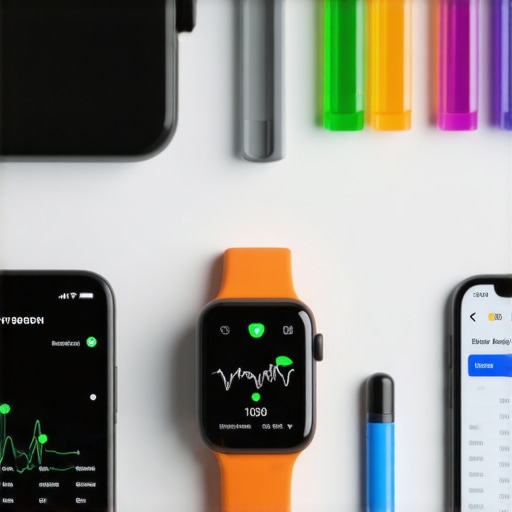
Image description: A modern digital health monitoring setup featuring a wearable device, a smartphone with health app, and a laboratory testing kit on a clean desk. This visual emphasizes the integration of technology and wellness.
Three Insights That Changed How I Approach Lab Tests and Virtual Care
One of the hardest lessons I learned was realizing that my daily habits, like caffeine intake, could subtly sabotage my health assessments. It wasn’t just about avoiding coffee before tests but understanding how lifestyle nuances influence long-term wellness. Another deep truth came from discovering that many myths about vaccinations and lab timing are just myths—personalized plans and smarter testing can make all the difference. Lastly, I recognized that embracing telehealth isn’t a sign of weakness but a strategic advantage—bringing expert guidance closer whenever I need it, not just during crisis moments.
My Go-To Resources for Smarter Wellness Decisions
For precise lab testing tailored to my goals, I trust the essential tests guide, which breaks down specific markers I should prioritize. When I want reliable telehealth insights, I rely on the future of virtual care, helping me stay connected and proactive. The latest on vaccination strategies comes from vaccination myths busting, ensuring I make informed choices. These trusted sources empower my health journey by providing clarity and confidence.
Your Next Step: Take Charge of Your Wellness Today
Remember, the path to better health isn’t about quick fixes but understanding the subtle influences that shape your body’s signals. By integrating smarter testing, trusted advice, and proactive care, you’re building a resilient foundation for your future self. Don’t wait for symptoms to become crises—take intentional steps now to harness the power of personalized wellness. Have you ever hesitated to challenge a health myth or try a new virtual tool? Share your experience below and let’s learn together.