
Why Your Morning Coffee Is Sabotaging Your Fasting Blood Work
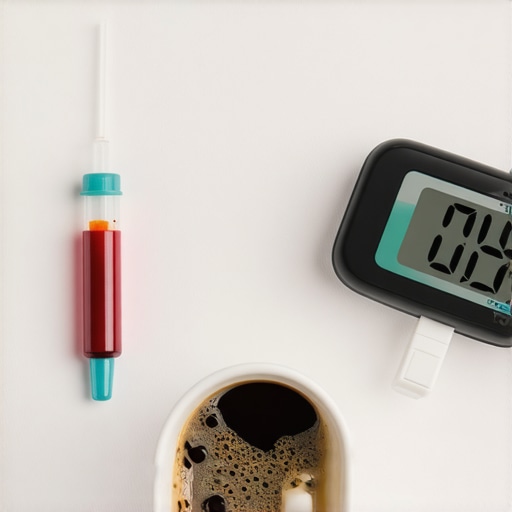
It was a morning like any other. I reached for my usual brew, took a big sip, and then paused. As I glanced at the clock, it hit me—my last coffee might have undermined all those careful fasting guidelines I’d been following for my lab tests. That moment of realization was a lightbulb: that steaming cup wasn’t just a harmless habit; it was potentially skewing my blood work and masking issues I desperately wanted to uncover. Have you ever experienced that sinking feeling after realizing your morning routine might have compromised your health checkup? Well, I’ve been there, and I want to share what I’ve learned about how that seemingly innocent cup of coffee can sabotage your fasting results—and, crucially, what you can do about it.
Keep Your Blood Work Honest—Stop Your Coffee from Sabotaging Your Results
Why Your Coffee Can Be a Hidden Enemy for Accurate Blood Tests
Many people don’t realize that even a small amount of caffeine from coffee can interfere with fasting blood tests. The reason? Coffee stimulates your adrenal glands, increasing cortisol and blood sugar levels temporarily. This means your fasting blood glucose and lipid panels might not truly reflect your baseline health. When I first started paying attention, I made the mistake of still having my morning coffee, thinking it was a minor indulgence. But early on, I learned that such habits can lead to misdiagnosis or missed warning signs. For example, a study published in the Journal of Clinical Endocrinology & Metabolism highlights that caffeine can influence blood glucose levels, leading to skewed results in fasting tests. This was a turning point for me—once I cut out coffee before testing, the numbers started telling a more accurate story. If you’re serious about understanding your health, it’s time to consider how your morning routine might be unintentionally sabotaging your results.
Are you aware if your breakfast habits could be affecting the accuracy of your blood work? Have you found it hard to skip your morning coffee during testing days? It’s a common challenge, but the good news is that with some simple adjustments, you can get more reliable insights into your health. Ready to explore how to optimize your fasting protocols and ensure your test results truly reflect your health status? Let’s look into practical steps you can take to avoid coffee’s sneaky interference.
Pre-Test Preparation Simplified
First, select a specific day for your blood test when you can strictly avoid coffee and other stimulants. Set an alarm or reminder the night before to reinforce this habit. During my recent experience, I scheduled my test for a Monday morning, ensuring I had no coffee that weekend—this clarity helped me avoid accidental consumption. To make this easier, leave your coffee supplies out of reach or switch to herbal teas that won’t interfere with your results.
Clear Communication Is Key
Contact your healthcare provider or testing center beforehand to confirm they understand you will be fasting and avoiding caffeine. This proactive step prevents any confusion and helps you adhere precisely to instructions. Additionally, ask if they have specific guidelines or updated protocols, especially if they perform the test in a telehealth setting. For instance, I used virtual healthcare services from VitalClinicMD to receive my lab orders remotely, simplifying the process.
Adopt a Supportive Routine
Create a morning routine that overrides your habitual coffee intake. Replace the ritual with hydration—drink a glass of water immediately upon waking to stimulate your metabolism naturally. When I implemented this, I realized how much my body appreciated the hydration boost without caffeine. This practice helps you stay focused and prevents cravings, making it easier to skip coffee. Keep your water bottle handy and set a visual cue to remind yourself.
Utilize Technology for Reminders and Tracking
Use smartphone apps or calendar reminders to stick to your fasting schedule. Log your last coffee intake, and set alerts to stop drinking caffeine hours before the test. This approach helps prevent accidental slips. During my last test, I set an alarm for 8 hours prior to my appointment, which was crucial when I was busy preparing for work and might have forgotten.
Visualize the Benefits of Accurate Results
Remind yourself of why accuracy matters—your health insights depend on it. Think of your blood tests as a clear window into your body; coffee is like fog that clouds the view. This mindset motivated me to be diligent. When I finally observed clearer, more reliable lab results, I appreciated the effort. For more insights on interpreting your results, visit this article.
Stay Consistent for Long-Term Success
Consistency reinforces your health routines. Commit to a well-planned fasting protocol, and avoid shortcuts like late-night caffeine or snacking. When I kept a routine for several weeks, my blood markers improved, reinforcing good habits. Remember, this isn’t a one-time effort—think of it as building a foundation for ongoing wellness. To explore more about maintaining healthy lab practices, see this resource.
While the surface of health advancements like vaccinations, wellness routines, telehealth, and lab testing seems straightforward, a deeper look reveals common misconceptions and hidden pitfalls that can undermine their effectiveness. Many assume that vaccination schedules are one-size-fits-all, but in reality, a personalized approach based on comprehensive lab testing ensures optimal protection. For example, standard vaccine recommendations may overlook individual immune responses, which can be assessed through advanced lab markers. Skipping this step may leave gaps in immunity, especially for those with underlying health conditions.
A frequent myth is that wellness practices like supplements or detoxes automatically lead to better health. However, without precise lab data, such interventions can be misaligned with your body’s actual needs. Testing for specific deficiencies or inflammation markers helps tailor wellness strategies, avoiding wasted effort and cost.
Telehealth’s rise offers convenience, but many overlook its potential for nuanced, data-driven care. By leveraging telemedicine for remote lab orders and consultations, patients can access personalized care plans without the lag of traditional appointments. This is especially critical when managing chronic conditions or preventive health measures.
**What advanced insights can truly differentiate personalized healthcare from generic solutions?** An essential step is embracing deeper lab analysis. For instance, high-sensitivity markers for inflammation or hormonal imbalances can reveal risks not captured by standard tests, guiding targeted interventions.
One trap to avoid is relying solely on routine check-ups that miss these nuanced markers. According to research published in the Journal of Preventive Medicine, comprehensive lab assessments significantly improve early detection of health issues. Missing out on such insights can delay diagnosis and treatment, costing more long-term.
When considering vaccinations, understanding your immune system’s specific status is vital. A one-size-fits-all approach might not serve everyone equally; personalized vaccination schedules based on individual lab data can optimize disease prevention. For example, assessing antibody titers or immune cell activity ensures you aren’t over-vaccinated or under-protected.
In essence, bridging the gap between superficial health practices and data-driven, personalized strategies requires moving beyond myths and misconceptions. As you navigate your wellness journey, ask yourself: Am I leveraging the full depth of available technology and testing for my unique health profile?
**Have you ever fallen into this trap? Let me know in the comments.** For more on optimizing your health through precise testing and telehealth services, visit this resource to learn how lab testing can elevate your wellness efforts.Maintaining your health over time requires more than just periodic visits or quick fixes; it involves integrating reliable tools and methods into your routine for continuous monitoring and adjustments. Personally, I rely on a combination of advanced lab testing platforms and telehealth services to stay ahead of potential issues and optimize my wellness strategies. These tools allow me to interpret complex biological data accurately and make informed decisions without the hassle of traditional healthcare settings. For instance, utilizing at-home testing kits for markers like cortisol and inflammatory compounds provides real-time insights into my body’s stress levels and inflammation status, which are critical for managing long-term health.
One essential platform I trust is a comprehensive telehealth service that seamlessly connects me with healthcare professionals for personalized guidance. This service not only facilitates easy scheduling but also ensures my privacy and data security, as outlined in their privacy policy. It’s especially beneficial for conducting periodic check-ins and updating my vaccination schedules tailored to my lab results and lifestyle.
For tracking and managing my lab tests effectively, I use software that consolidates historical data and provides trend analysis. This approach helps me recognize patterns and adjust my wellness routines proactively. Prediction suggests that this integration of digital health tools will become even more sophisticated, potentially incorporating AI-driven analytics to personalize health plans dynamically.
To maintain these systems, I schedule regular reviews—quarterly if possible—which keeps my health data current and actionable. Incorporating routine lab assessments, like those detailed in this article, helps catch early warning signs before symptoms manifest. Additionally, I leverage telehealth not only for check-ups but also for quick prescriptions, ongoing management of chronic conditions, and quick access to specialists, making my health maintenance more efficient.
**How do I keep these tools effective over time?** The key lies in consistent use, staying updated with the latest testing options, and regularly engaging with healthcare providers who interpret your data within the context of your lifestyle. For example, scheduling a biomarker review every six months ensures I remain aligned with my health goals.
Investing in reliable equipment and software is only part of the equation; staying informed and adaptable is equally crucial. As technology advances, I predict it will become commonplace for individuals to have personalized health dashboards, integrating lab results, telehealth consultations, and wearable device data in one accessible interface. This holistic view will empower us to make proactive health decisions—potentially preventing issues before they arise.
Start integrating these tools today by exploring platforms that offer comprehensive lab testing and telehealth services. For example, trying out a routine cortisol and inflammatory marker test paired with a virtual consultation can set the foundation for sustained wellness. Don’t wait—your long-term health depends on the proactive steps you take now to keep everything working smoothly.
What I Wish I Had Known Before Skipping That First Coffee
One of the most profound lessons I learned was how small habits, like your morning coffee, can have outsized effects on your health insights. If I had realized earlier that caffeine could mask crucial lab markers, I would have started my fasting protocols with more awareness and fewer guesswork. That lightbulb moment made me question every routine, prompting me to ask, “What else might I be unknowingly compromising?”
Another realization was the importance of clear communication with healthcare providers. Explaining my goals and understanding their protocols helped me customize my approach. This personalized dialogue uncovered gaps in standard advice that often overlook individual variations, especially when it comes to vaccinations or chronic disease monitoring.
Then there was the power of technology. Using reminders and tracking tools transformed my ability to stick to fasting and abstain from caffeine. These small digital nudges created a ripple effect, fostering consistency and confidence in my health journey.
My Must-Have Tools for Accurate Wellness Tracking
- At-home blood testing kits: Platforms like VitalClinicMD offer comprehensive options to monitor key markers such as inflammation and metabolic health, giving me insights that standard panels often miss.
- Telehealth services: Reliable and fast, these services allow me to consult specialists without leaving home, especially when scheduling urgent tests or vaccinations. Check out this article to see how telehealth is transforming preventive care.
- Health tracking apps: Digital tools help me log symptoms, medication reminders, and upcoming tests, ensuring I stay proactive and organized in managing my health.
- Educational resources: Books and reputable websites, like VitalClinicMD’s guides, deepen my understanding of complex biological data, empowering me to make informed decisions.
Your Next Step Toward Better Health Starts Today
Taking control of your health through mindful habits and modern tools isn’t just smart—it’s essential. Whether it’s skipping coffee before a blood test or leveraging telehealth for personalized vaccination plans, each small action compounds into lasting wellness benefits. Remember, your health journey is uniquely yours—embrace the tools and knowledge that bring clarity and confidence to your decisions. Now is the perfect moment to make those changes, so your body can truly tell its story.
What’s one lifestyle habit you’re ready to re-evaluate to improve your health results? Drop your thoughts below, and let’s learn together!
Comments are closed.