
Why Your Routine Blood Work Should Include a B12 Check
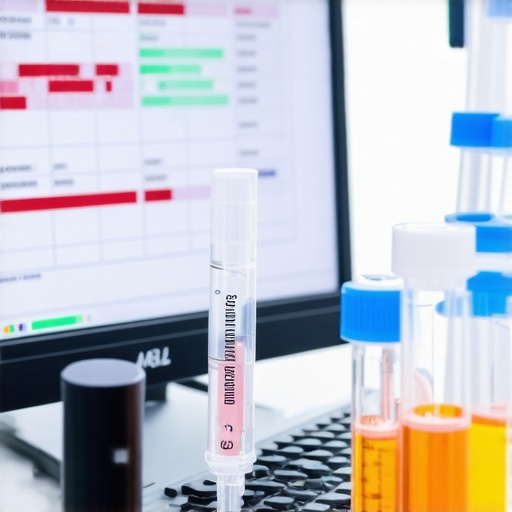
I remember a morning not too long ago when I felt inexplicably exhausted, brain fog clouding my thoughts, and my usual energy nowhere to be found. I had been diligent with my health routines, going for regular check-ups and lab tests, yet something felt off. It was only after digging into my recent blood work that I realized I was missing a crucial piece of the puzzle—my vitamin B12 levels. That moment was an eye-opener, revealing how often we overlook a simple test that could make a huge difference in our well-being.
The Hidden Power of a B12 Check in Preventive Care
Here’s the thing—many of us focus on the usual suspects like cholesterol, blood sugar, and blood pressure, leaving other vital markers in the shadows. But B12 deficiency can quietly sabotage your health, causing symptoms that many dismiss or attribute to stress or aging. When I first learned about B12’s role in nerve function and DNA synthesis, I was surprised. Even more so when I discovered how common deficiency is—particularly among people with certain dietary habits or absorption issues. Regularly testing for B12 isn’t just a precaution; it’s a proactive step in maintaining mental clarity, energy, and overall vitality.
Could You Be Missing Out on Critical Insights?
Early on, I made the mistake of thinking that if I ate enough red meat and took multivitamins, I was covered. But without a targeted B12 test, I was missing signs that my levels were dipping dangerously low. It’s a mistake I see others make all the time—assuming diet alone guarantees adequate B12. In fact, according to a recent study, nearly 20% of the population might be deficient without even realizing it (source). Awareness is the first step toward better health.
In this post, I’ll guide you through why B12 matters, how to recognize symptoms of deficiency, and most importantly, how to ensure your routine blood work includes this vital check to keep your energy high and your mind sharp. If you’ve ever felt like your body is whispering for help but no one’s listening, stick around—we’re about to change that.
Are you confident that your current blood tests are comprehensive enough? If not, you’re not alone. Let’s explore exactly why adding a B12 check now can save you from more serious health issues down the road.
Schedule Your Routine Blood Work with Precision
Start by contacting your healthcare provider or local lab to specify that you want a comprehensive panel including vitamin B12 levels. Politely emphasize that this check is essential for your overall wellness. When booking, mention any symptoms like fatigue or brain fog to ensure your provider understands your concern. If you’re unsure how to navigate this process, consult resources like Understanding Lab Tests to learn what questions to ask.
Educate Yourself on What to Ask
Before your appointment, arm yourself with knowledge about B12 deficiency symptoms—such as numbness, tingling, or memory issues—and how they relate to your health. Utilizing online guides or checking reputable articles can prepare you for a focused discussion with your healthcare provider. Remember, being informed helps you advocate for the tests you need. This proactive approach is akin to boosting your immunity through informed decisions.
Choose the Right Laboratory and Prepare Accordingly
Select a reputable lab that offers comprehensive testing services. Some clinics allow same-day appointments; others may require scheduling in advance. To avoid unnecessary delays, plan your blood draw early in the day, especially if you’re fasting, to ensure accurate B12 measurements. Think of this as preparing your vehicle before a long trip—you want all systems checked and ready. You might find details in Why Regular Lab Tests Are Critical.
Communicate Clearly About Your Testing Needs
On the day of your test, clearly inform the technician or nurse that you specifically want your vitamin B12 levels checked. If your provider has not provided a specific order, consider using online telehealth platforms like telehealth services to get a direct order from a licensed clinician. This ensures no detail is overlooked and that your health data is comprehensive.
Review Results and Take Action
Once you receive your lab results, don’t just file them away. Use online tools or consult your healthcare provider to interpret what the numbers mean, especially your B12 level. If deficient, plan dietary adjustments or supplementation under professional guidance. Think of this as tuning your engine after a diagnostic—optimized for peak performance. For comprehensive understanding, explore how lab tests can detect hidden risks to stay ahead of potential issues.
By following these concrete steps, you’re turning a routine blood test into a powerful tool for preventing fatigue and cognitive decline. It’s a disciplined process—akin to maintaining your vehicle regularly—to keep your health running smoothly and reliably.
Common Myths Obscure the Truth Behind Modern Healthcare
Many believe that a standard vaccine schedule, routine wellness checks, and lab testing are foolproof steps to optimal health. But in my experience, these assumptions often neglect crucial nuances that can significantly impact outcomes. For example, the myth that more vaccines are always better neglects the importance of personalized schedules—customized plans tailored to individual health status, exposure risks, and immune responses. By exploring advanced research on vaccine efficacy, it becomes clear that a one-size-fits-all approach may leave gaps in protection, especially for vulnerable populations (source).
Similarly, many assume that wellness routines like annual physicals suffice for health maintenance. However, without targeted labs—such as specific markers for inflammation, nutrient deficiencies, or hormonal imbalances—you might be missing early signs of issues that could snowball into serious conditions. Routine tests are essential, but only if they include the right markers for your unique health situation. This specificity can be the difference between reactive treatment and proactive prevention (source).
Why Telehealth Isn’t Just a Convenience—It’s a Game Changer
Another misconception is that telehealth is merely a convenience, not a critical component of healthcare strategy. In reality, virtual visits allow us to access specialized expertise and conduct thorough assessments without geographic or time barriers. For instance, telehealth platforms now enable us to review lab results in real time, adjust treatments promptly, and even get prescriptions without the delays associated with traditional clinics. This immediacy is especially vital for managing chronic conditions or vaccination schedules, where timing and precision matter. Beware of relying solely on in-person visits, which can inadvertently delay intervention if you’re not leveraging the full capabilities of virtual care (source).
Are You Overlooking Critical Lab Markers in Your Testing?
Many assume that lab tests provide a comprehensive view of health, but the truth is that most standard panels miss subtle yet impactful indicators. For example, vitamin D, ferritin, or specific hormone levels might be overlooked yet are essential for understanding underlying issues like fatigue or immune dysfunction. Advanced lab testing can uncover hidden risks—like methylation deficiencies or low-grade inflammation—that are invisible to routine screens. Only through targeted, smart testing can you fine-tune your health interventions (source).
In summary, to really optimize your health journey, you need to scrutinize the assumptions behind common practices. Personalized, technology-enabled, and comprehensive approaches outperform generic solutions, and awareness of these nuances can be transformative. Have you ever fallen into this trap? Let me know in the comments. Remember, asking deeper questions unlocks better health strategies and long-term wellness.
Keep It Working: Critical Tools for Long-Term Health Success
To sustain your health journey, leveraging the right tools is essential. From digital apps to lab testing kits, I personally rely on resources that provide precision, convenience, and actionable insights. For instance, I use Evernote to track my wellness goals and symptom diaries, ensuring I can identify patterns over weeks and months. Its robust search and tagging features make reviewing my notes effortless, which is invaluable when discussing patterns with my healthcare provider. Additionally, I swear by Labcorp’s at-home testing kits for periodic assessments like vitamin D levels or hormone panels. These kits allow me to order tests online, do the sample collection at home, and review results through a secure portal—saving time and trips to the lab.
Another cornerstone in my routine has been MyFitnessPal. While common, its detailed nutrient tracking helps me understand what my diet lacks or overemphasizes—especially essential given my focus on nutrient balance for immune resilience. For example, I closely monitor my vitamin B12 and zinc intake, integrating this data with lab results to fine-tune my supplementation. This dynamic approach aligns with the future of wellness, where personalized data creates tailored health plans.
When it comes to telehealth, I rely heavily on Vital Clinic’s virtual consultations, particularly for periodic medication reviews or to interpret lab results. The convenience allows me to address issues promptly, avoiding delays that could compromise long-term health, especially for chronic concerns like thyroid or hormonal health. Virtual care’s role in proactive health management is poised to grow exponentially, as noted by telehealth insights.

For ongoing wellness, I also incorporate continuous monitoring devices like the Oura Ring. It tracks sleep, activity, and body temperature, providing real-time data that I review weekly. This continuous feedback loop helps me adjust sleep routines or stress management techniques proactively. As wearable tech advances, expect even more integrated health solutions that can predict issues before symptoms arise, making preventive care more precise and personalized.
How do I maintain these tools over time?
Regularly updating your software, syncing devices, and reviewing historical data is key. For instance, setting monthly check-ins on my apps ensures I stay aligned with my health goals. Furthermore, I schedule quarterly lab tests—using at-home kits or at my provider—to keep tabs on critical markers such as vitamin D, B12, and inflammatory indicators. These proactive measures are vital in preventing small issues from escalating. To stay motivated, I review my long-term trends and celebrate milestones, much like maintaining a vehicle—consistent maintenance ensures longevity and peak performance.
Looking ahead, the trend points toward even smarter integration between wearable devices, telehealth platforms, and AI-driven analytics—creating a seamless, personalized health ecosystem. I suggest you start by trying out a comprehensive tracking app combined with periodic lab assessments; this hybrid approach could be a game-changer for your wellness journey. For detailed guidance, explore how to combine testing and vaccinations.
What I Wish Someone Told Me About Standard Tests
I used to believe that routine check-ups and generic blood panels were enough to safeguard my health. The hard lesson I learned was that these standard tests often miss vital clues, like vitamin B12 deficiencies, which can silently sabotage your energy and brain function. Discovering this was a game-changer, teaching me that personalized testing unlocks deeper insights that routine screenings ignore.
Gearing Up with Tailored Tools for Better Health
Over time, I’ve curated a set of reliable resources that truly support my wellness. From at-home vitamin D kits on understanding lab tests to the latest telehealth platforms for quick consultations, these tools empower me to act proactively. They have become integral to maintaining precision in my health journey.
Embracing the Future of Personal Wellness
The most inspiring realization is that personalized, technology-driven healthcare isn’t just a trend—it’s a movement that puts you in the driver’s seat. By leveraging targeted lab tests and virtual care, I’ve transformed reactive medicine into a proactive lifestyle. The future beckons us to optimize health before symptoms even surface, making it accessible and manageable for everyone.