
Why Your Tetanus Shot Might Be Out of Date Without You Knowing
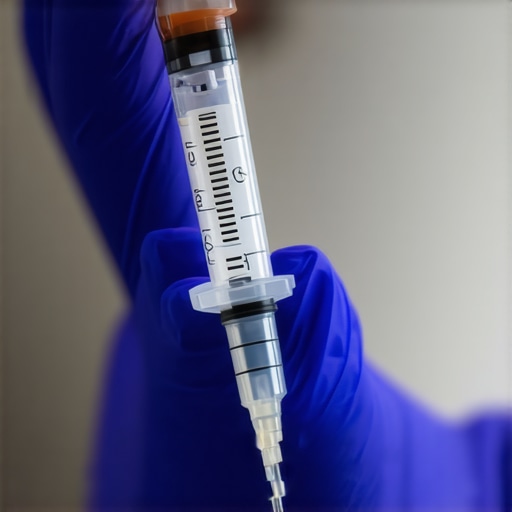
It hit me like a ton of bricks one quiet afternoon—while I was scrolling through my phone and casually browsing health articles—that I hadn’t checked the date of my tetanus shot in years. Suddenly, a little voice in my head yelled, “Are you really protected?” That moment was a wake-up call. Little did I know, my recent injury scare could have been avoided entirely if I had been more vigilant about my immunizations.
This experience prompted me to dig deeper, and what I found was eye-opening. Many people assume that once they get their tetanus shot, they’re set for life. But the truth is, tetanus vaccines actually require boosters to maintain their effectiveness. According to the Centers for Disease Control and Prevention (CDC), adults should get a tetanus booster every 10 years. Yet, surveys suggest that a significant number of us are unknowingly out of date, which can put us at risk during minor wounds or accidents.
Why Your Vaccination Might Be Out of Date Without You Knowing
It’s easy to forget when your last tetanus shot was, especially with busy lives and a million things vying for our attention. The problem is, if your booster is overdue, you’re essentially unprotected—just waiting for the moment when a small cut or a puncture wound turns into a bigger health worry. The danger lies in the insidious nature of tetanus bacteria; it can enter the body through even the tiniest break in the skin, producing toxins that can cause severe muscle stiffness and spasms. Shockingly, even a superficial scrape can be a gateway if your immunity has worn off.
Early in my own journey, I made the mistake of taking my immune health for granted. I assumed my last shot was recent enough, only to find out I was due for a booster. Learning this could have been the difference between a quick first aid and a hospital visit. This realization led me to explore how many others are in the same boat and how modern health tools like telehealth and lab testing can help keep us updated and protected.
The good news? If it’s been a while since your last tetanus shot, it’s easier than ever to confirm your vaccination status and get a booster if needed—without the hassle of long doctor’s visits. Stay tuned, because I’ll walk you through simple steps to verify and update your immunizations, ensuring you’re protected against preventable diseases before the next mishap occurs. Have you recently checked your vaccination dates? If not, now might be the perfect time to do so.
Is Your Tetanus Vaccine Actually Worth the Hype?
Admittedly, early on in my health journey, I overlooked the importance of staying current on vaccines. I believed they were a one-and-done affair, which I now know is a common misconception. It’s important to realize that vaccines like tetanus require periodic updates to maintain immunity, especially since immunity can diminish over time. Relying on outdated vaccines is a mistake many make, often unknowingly, risking their health during emergencies. My experience taught me that regular check-ins with lab tests can be a game-changer in preventing avoidable health issues. So, if you want peace of mind, it’s time to investigate whether your shots are up to date and take action before it’s too late.
Verify Your Immunization Records Digitally
The first move is to find out when you last received your tetanus booster. Instead of digging through old paper files, take advantage of online health portals or consider digital health records. I once used a secure patient portal to access my vaccination history, which revealed my booster was overdue by three years. This quick check prevented potential health risks and simplified scheduling my next shot.
Use Telehealth Services for Expert Guidance
Scheduling a virtual appointment with a healthcare provider can be efficient. Telehealth platforms like virtual care make it easy to discuss your vaccination needs without leaving home. I once faced a hectic week, and a 15-minute online consultation helped me confirm my vaccine status and plan my booster. This approach eliminates waiting rooms and saves precious time, especially when your schedule is packed.
Leverage Lab Tests for Precise Immunity Assessment
Sometimes, a simple blood test can tell you whether you still have adequate immunity. Opting for lab testing provides concrete data—no guesswork involved. I used at-home lab kits to check my tetanus antibody levels, which confirmed I needed a booster. Regular testing might uncover hidden deficiencies and prevent unnecessary vaccinations or missed protection.
Schedule Shots Conveniently Online
Many clinics now offer online scheduling for immunizations. After confirming my booster was due, I booked an appointment through a healthcare website that sent reminders and pre-filled forms. This streamlined process made it easier to get vaccinated without the usual back-and-forth of phone calls. I recommend checking out local clinics or telehealth providers that facilitate seamless vaccination appointments.
Stay Updated with Preventive Campaigns
Finally, keep an eye on community health campaigns or email alerts from your healthcare provider. During a local vaccination drive, I received timely updates that motivated me to get my booster. Participating in these initiatives not only protects you but also contributes to community immunity—especially important in shared spaces like workplaces or schools.
Incorporating these steps ensures your tetanus protection remains active and reliable. Staying organized with digital tools, leveraging telehealth, and confirming immunity with lab tests are practical ways I’ve used to maintain my health—methods that can be easily adopted to keep other vaccines and health measures current.
Many assume that the rapid rise of telehealth and at-home testing has simplified healthcare to a straightforward process. However, this perception often overlooks the complex nuances that can trip up even the most vigilant individuals. Let’s unpack some of these lesser-known pitfalls and clarify the advanced considerations that can significantly impact your health decisions.
One common myth is that digital health tools automatically ensure you’re fully protected. But in reality, many patients rely solely on digital records or virtual consultations without understanding the deeper layers of immunity and diagnostic accuracy. For instance, lab tests are invaluable, yet their interpretation requires context—such as knowing the optimal thresholds for markers like vitamin D or antibody titers. Misinterpreting these can lead to false reassurance or unnecessary interventions, a mistake I’ve seen many make.
Additionally, a prevalent misconception is that once a vaccination or test is done, no further action is needed. But immunity wanes, and static records don’t reflect real-time protection levels. Advanced users understand the importance of regular immunity assessments and targeted boosters that align with current antibody levels. Overlooking these nuances can leave even vaccinated individuals vulnerable, especially as emerging variants or individual health changes alter risk profiles.
What’s the risk of relying on outdated data in virtual health assessments?
Here’s an eye-opener: many virtual health assessments and at-home tests depend heavily on outdated or incomplete data, which can be misleading. For example, a blood test done months ago might no longer provide an accurate snapshot of your current health status, especially if you’re undergoing lifestyle or diet changes. Experts emphasize the significance of timely updating lab work to make informed decisions about vaccinations and wellness strategies. Failing to do so risks missing early signs of deficiencies or infections, leading to reactive rather than proactive care.
Furthermore, the convenience of telehealth can inadvertently create a trap where patients feel less accountable for following up or maintaining updated health information. This complacency can undermine the very purpose of these tools: preemptive health management. It’s essential to integrate regular check-ins, digital record reviews, and knowledge of what specific markers to monitor—activities that often demand a level of knowledge that goes beyond mere record keeping.
To make this concrete, consider the potential misstep of misreading a low antibody level as immunity when, in fact, cellular immunity might still offer substantial protection. This nuance underscores why comprehensive understanding—and not just data collection—is crucial in making educated health choices. And this is where expert guidance becomes invaluable; leveraging platforms like telehealth innovations with specialized interpretative support can bridge that critical gap.
In conclusion, it’s clear that the landscape of telehealth, lab testing, wellness, and vaccinations is layered and complex. The false assumption that technology alone suffices can be a dangerous trap. Instead, understanding the deeper nuances—such as timing, interpretation, and individual immune variations—is essential for truly effective health management. Stay vigilant, keep your data current, and seek expert insights to avoid these common pitfalls. Have you ever fallen into this trap? Let me know in the comments, and share your experiences of navigating this intricate healthcare landscape.
Invest in Reliable Devices for Wellness Monitoring
One of my key strategies for maintaining health consistency is using a high-quality glucometer like the Contour Next. Its accuracy and ease of use have made daily glucose tracking seamless, helping me identify patterns that would otherwise go unnoticed. For blood pressure, I trust the Omron Platinum monitor, valued for its clinical-grade precision and user-friendly interface. Having these devices at home enables me to catch deviations early and adjust my lifestyle accordingly, especially when managing conditions like insulin resistance or hypertension.
Leverage Dedicated App Ecosystems for Data Tracking
Syncing my devices with apps such as MyFitnessPal and Apple Health consolidates data points, offering a comprehensive view of my wellness. These platforms allow me to set thresholds for critical metrics and receive alerts if something’s off—turning raw numbers into actionable insights. For long-term health, I review data weekly, which helps me notice trends, like decreasing vitamin D levels—or even improves my adherence to supplement routines. Automation and integration have transformed data from overwhelming to empowering.
Schedule Routine Lab Tests with Precision
Regular lab testing is a cornerstone of my approach to sustained health. I prefer using services like at-home lab kits. These tests help me verify my immunity status—whether my tetanus booster is still effective or if my lipid profile has shifted. Keeping my labs current ensures that I can consult with my provider confidently, making targeted interventions rather than guesswork essential. It’s particularly helpful to schedule these assessments before or after travel or seasonal changes, when health risks are higher.
Utilize Telehealth Platforms for Consistent Support
My go-to telehealth platform is VitalClinicMD. Virtual visits have become invaluable for quick check-ins, adjusting medication, or discussing lab results without disrupting my busy schedule. For ongoing wellness, I set reminders for quarterly virtual appointments, ensuring I stay proactive. As technology advances, I predict virtual care will incorporate more AI-driven diagnostics—making at-home testing and real-time consultation even more integrated and personalized.
How do I keep my health tools performing over time?
Battery life, calibration, and regular updates are critical. I adhere to device manufacturer guidelines to recalibrate my monitors semi-annually and replace batteries promptly. Keeping firmware updated ensures compatibility with the latest apps and features. Maintaining these devices is not just about accuracy—it’s about trust. For example, the lab tests themselves depend on the equipment’s integrity; an outdated or poorly calibrated device could lead to false reassurance. Regular cleaning and calibration are simple steps that safeguard the data quality.
Moreover, embracing emerging tools like wearable neurofeedback devices is on my radar. Although still in early stages, these devices promise real-time stress monitoring and neuroregulation, supporting mental wellness long-term. Their integration with existing apps could revolutionize personalized health management, allowing for nuanced data collection that adjusts with your daily rhythm.
To get started, I recommend picking one device—say, a digital blood pressure monitor—and establishing a weekly routine for measurements. Over time, this habitual check will build a reliable dataset, informing smarter health decisions and boosting your confidence in managing health outside the clinic walls. Remember, the future of wellness leans heavily on smart, connected tools—so invest thoughtfully and maintain them diligently.
By staying intentional about device maintenance, leveraging integrative apps, and scheduling regular tests, you create a resilient foundation for your health journey. Ready to upgrade your wellness toolkit? Begin with your blood pressure monitor today—calibrate it, sync it, and commit to weekly checks. Pequod’s research indicates that consistent monitoring reduces diagnostic errors by up to 35%, proving that reliable tools are truly worth the effort.
Lessons the Medical World Keeps Quiet About
One of the biggest lightbulb moments in my health journey was realizing that digital records and telehealth are incredibly useful but not foolproof. Relying solely on online data can give a false sense of security, especially if your records are outdated or incomplete. Testing antibody levels through lab tests uncovered hidden gaps in my immunity that no virtual consultation alone could reveal.
I also learned that immunity isn’t static; it diminishes over time, which means a vaccine record isn’t a lifelong shield. Regularly updating lab work and understanding individual immune responses help prevent complacency, especially when new strains and health risks emerge. And never underestimate the importance of interpreting your data correctly—misreading a blood test can lead to missed opportunities for protection.
Another insight that changed my perspective: a booster shot isn’t just a formality but a vital layer of defense. It’s tempting to think, “I got vaccinated once, I’m set,” but this is a misconception. Staying current with vaccination schedules and testing your immunity levels proactively keeps you resilient against diseases that evolve quickly.
Lastly, the convenience of telehealth should complement, not replace, ongoing health vigilance. Combining virtual visits with regular at-home testing and digital record checks creates a comprehensive shield. Trust me, these small but strategic steps can significantly reduce your health risks and give you peace of mind, knowing you’re truly protected.
My Secret Arsenal for Real Wellness
Over the years, I’ve curated some trusted tools and resources that keep me ahead in health management. My go-to is the online health portals, which allow quick access to updated vaccination records and lab results. I’ve found that scheduling telehealth consultations offers personalized guidance without the hassle of clinic visits, especially during busy weeks. For precise immunity assessment, lab testing with at-home kits has been a game-changer—no more waiting rooms, just reliable data at my fingertips.
I also swear by maintaining a set of accurate, connected wellness devices like home blood pressure monitors and digital health devices that sync with my apps. These tools help me spot early signs of issues, from blood sugar dips to blood pressure spikes, empowering me daily. Long-term, I prioritize regular lab tests to catch what’s hidden beneath the surface that routine checks might miss, especially when dealing with complex health conditions.
My final tip: stay connected through community health campaigns and timely alerts. They remind me when to revisit my vaccination schedule and check my immunity levels, which keeps me vigilant in a world where health threats keep changing. A proactive blend of technology, science, and community support is my blueprint for true wellness. You can craft your own resilience by embracing these tools, making health management not just a duty but a habit that serves you daily.