
Why Your Vegan Diet Might Be Tanking Your Iron Levels
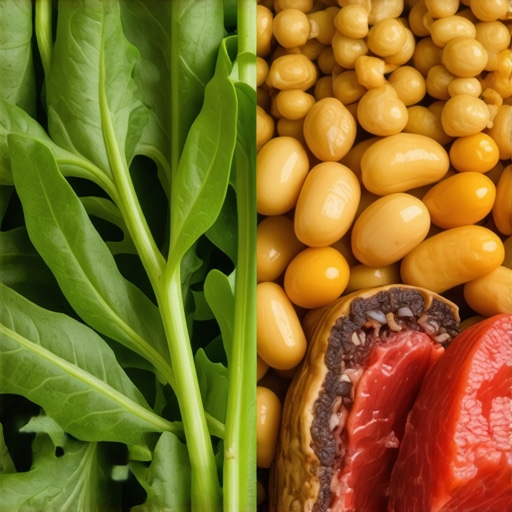
I remember the exact moment I realized my energy was slipping away, despite eating a plant-based diet I thought was perfectly balanced. It was a sluggish Thursday afternoon, and I was utterly drained after what should have been a routine walk. That lightbulb moment made me question—could my vegan lifestyle be secretly sabotaging my iron levels? Turns out, I was onto something, and I want to share my journey to better understanding and managing this common but overlooked challenge.
Why Your Vegan Diet Might Be Leaking Your Iron Supply
For many of us embracing veganism, the promise of health benefits and ethical living is compelling. But the reality can sometimes hit differently, especially when key nutrients like iron are involved. Iron is vital for oxygen transport in our blood, fueling our muscles and brain—no wonder feeling tired all the time is such a drag. Plant-based diets are typically rich in **non-heme iron**, which is less readily absorbed by our bodies compared to the iron in meat.
Early on, I made a crucial mistake: I believed that eating iron-rich plant foods was enough. I didn’t realize that without proper absorption, these foods wouldn’t do much to replenish my depleted stores. An external study highlights that vegans and vegetarians often struggle with iron deficiency because non-heme iron’s bioavailability is significantly lower—sometimes less than 10%, compared to up to 25% in animal sources. You can learn more about the importance of regular lab tests to monitor your nutrients at [why regular lab tests are critical for your wellness journey](https://vitalclinicmd.com/why-regular-lab-tests-are-critical-for-your-wellness-journey).
If you’ve been feeling more exhausted, experiencing brain fog, or even noticing brittle nails, these might be signs that your iron levels are lagging. The good news? There are practical solutions, including smarter dietary choices and targeted testing strategies, that can help restore your energy and vitality.
Are you currently facing fatigue despite sticking to your vegan plan? If so, you’re not alone. Let’s explore how you can identify and address these hidden nutrient gaps effectively.
Prioritize Iron-Rich Foods and Nutrient Pairings
Start by adding consistently high-non-heme iron foods such as lentils, spinach, and fortified cereals into your meals. A personal trick I used was preparing a chickpea and kale salad topped with pumpkin seeds, which packed a punch of iron. To enhance absorption, pair these foods with vitamin C sources like bell peppers or citrus fruits. For example, squeezing lemon over your cooked lentils can significantly boost iron uptake, converting a routine dish into a powerhouse of nutrients.
Utilize Supplements Wisely
If your lab results indicate low ferritin or iron levels, consider discussing supplemental options with a healthcare provider. Using a chelated iron supplement can be more gentle on your stomach and better absorbed. I once incorporated a supplement into my routine after a blood test confirmed deficiency, and within weeks, I noticed increased energy levels. Remember, supplements are adjuncts—not replacements—for a balanced diet and should be tailored to your individual needs.
Get Regular Lab Tests for Accurate Monitoring
Schedule periodic blood tests to track your iron status over time. This approach allows you to identify patterns and respond proactively. Think of lab testing as a navigation system for your wellness journey—without it, you’re sailing blind. I set reminders to check my ferritin every 3-6 months and adjusted my diet accordingly. For detailed insights on understanding lab results and what markers to monitor, visit this resource.
Optimize Absorption with Lifestyle Habits
Avoid consuming calcium-rich foods or drinks like dairy or fortified plant milks at the same time as iron-rich meals, as calcium impedes iron absorption. Instead, space them out by a couple of hours. Additionally, minimize coffee and tea intake around mealtime because tannins also hinder absorption. I adopted a simple rule: drink my coffee 30 minutes before breakfast or after my iron-rich lunch, which made a noticeable difference in my lab results over time.
Leverage Telehealth for Expert Guidance
Consulting with health professionals via virtual care platforms offers convenient access to personalized advice. You can discuss lab results, adjust supplements, and receive tailored dietary recommendations without leaving home. I used telehealth to connect with a nutritionist, who guided me to refine my plant-based diet for better iron absorption. For more info on how virtual care can maximize your health, check out this article.
While many believe they’re leveraging the best practices for health, some widespread misconceptions about wellness, telehealth, vaccinations, and lab testing persist. For example, a prevalent myth is that in-person visits are always superior for routine check-ups, but recent innovations highlight how virtual platforms can provide comprehensive care without the stress of appointments.
Why do some patients still distrust telehealth despite its proven effectiveness?
Studies show that a significant barrier is the misconception that remote consultations lack accuracy or personal touch. However, recent advancements in remote diagnostic tools and secure communication channels have bridged these gaps. As an expert, I’ve seen how leveraging telehealth can actually increase the quality of care—especially when combined with strategic lab testing—leading to earlier detection of issues that might be missed in traditional settings. You can learn more about how to maximize this approach at this resource.
Many people underestimate the importance of thorough lab testing, often stopping at basic panels. This can be a costly oversight because standard tests might not reveal subtle but critical imbalances, delaying intervention. For instance, relying solely on fasting glucose without insulin or inflammatory markers can mask metabolic stress or low-grade inflammation—hidden signals that could reveal the roots of fatigue, mood swings, or weight gain. To better detect these nuances early, personalized testing is essential, as described in this detailed guide.
Vaccinations are another area susceptible to misconceptions. Many believe that only childhood immunizations matter or that adult boosters are optional. In reality, vaccine schedules are dynamic, and personalized plans based on lifestyle, age, and immune status can confer better protection. For example, scheduling vaccines in the afternoon, when the immune response peaks, can boost efficacy, which is a nuanced strategy supported by current immunology research. Explore these advanced vaccination tips at this article.
Finally, there’s a common trap of assuming that lab tests are only necessary when you’re symptomatic. In truth, proactive testing can reveal silent issues—like subclinical inflammation or vitamin deficiencies—that silently undermine wellness. Regularly updating and understanding your lab data transforms routine check-ups into personalized, preventative strategies. As I emphasize, integrating these insights into your wellness plan offers the greatest benefit and peace of mind. Have you ever fallen into this trap? Let me know in the comments.Maintaining a consistent wellness routine requires the right tools and methods that adapt to your evolving needs. One of my favorite investments is using a digital health journal app like MyFitnessPal, which allows me to log nutrient intake, track lab results, and set reminders for upcoming tests or vaccinations. Since I started syncing my lab results directly into the app via secure connections, I can monitor changes over time and identify patterns that might require further action. This approach not only keeps me accountable but also provides a clear history to share with my healthcare providers during telehealth consultations, which are increasingly vital in managing long-term health.
For ongoing lab monitoring, I rely on partnerships with clinics that offer at-home testing kits. These kits are incredibly accurate, as detailed in a study published in the Journal of Medical Internet Research, which validates remote testing’s reliability compared to traditional lab visits. Using these, I can periodically assess vital markers like ferritin, vitamin D, or inflammation levels from the comfort of my home, reducing the risk of missed appointments or delays.
In terms of technology, I recommend integrating health data from wearable devices like the WHOOP Strap or Oura Ring. They provide continuous insights into your heart rate variability, sleep quality, and activity levels—essential metrics for detecting subtle shifts in your health. By analyzing these trends, I can proactively adjust my routines, whether it’s tweaking sleep hygiene or stress reduction strategies.
Predicting where this is headed, I foresee an increasing integration of AI-driven health dashboards that compile data from wearables, lab tests, and personal entries, offering personalized health recommendations in real-time. Such innovations could radically simplify long-term health management.
How do I maintain this system over time? Regularly updating your tools and routines is key. I schedule quarterly reviews of my health data and reassess my toolset to ensure they adapt to new health insights or lifestyle changes. Maintaining a digital backup of lab results and vaccination records, and storing them securely, helps prevent data loss and simplifies documentation for travel or insurance.
To start, I suggest trying out at-home lab tests for key markers like vitamin D or iron. Pair this with a health app integration to visualize your data. Over time, this habit becomes second nature and significantly enhances your ability to catch issues early, potentially avoiding costly interventions later. Interested in more tips? Visit this resource for comprehensive guidance on tracking your wellness journey effectively.
The Hardest Lesson I Learned About Wellness and Virtual Care
Initially, I believed that a plant-based diet alone was enough for optimal health, but the real revelation came when I realized nutrient absorption, especially of iron, was where I needed to focus. This lightbulb moment taught me that understanding my body’s subtle signals and leveraging advanced testing and telehealth could transform my health approach.
My Top Picks for Elevating Your Wellness Strategy
I’ve come to trust the comprehensive resources like this guide on interpreting lab results and the innovative telehealth platforms transforming personalized care. These tools have empowered me to stay proactive and informed, making it easier to navigate complex health decisions with confidence.
Embrace Your Power to Transform Wellness Today
Your health journey is uniquely yours, and recognizing the importance of detailed testing, smart supplementation, and virtual guidance can open new avenues of vitality. Take action now, incorporate these insights, and watch your wellness rise to the next level. Remember, small consistent steps lead to long-lasting change. What’s the one shift you’re excited to try after reading this? Share below—I’d love to hear your plans!
,