
7 Proven Moves to Lower A1C Without Adding More Meds

It was a morning just like any other, yet I felt that unsettling squeeze in my chest and an unusual fog in my mind. When I finally received my latest lab results, the numbers hit me hard—my A1C was creeping higher, despite sticking to my meds and avoiding sweets religiously. I remember thinking, “Is this really all I can do?” That lightbulb moment pushed me to ask a different question: could I lower my A1C naturally, without piling on new medications? If you’ve ever felt similarly—frustrated by stubborn blood sugar levels or Skeptical about the endless round of pills—I want you to know you’re not alone. And more importantly, there’s hope.
Why Many of Us Struggle to Keep A1C in Check
Many folks assume that medication is the only way to manage blood sugar, especially after a certain age or diagnosis. But what if I told you that lifestyle changes—simple, deliberate moves—can make a significant impact? Early in my journey, I made a common mistake: relying solely on medications without addressing the root causes like diet, activity, and stress. This oversight delayed genuine progress and left me feeling like I was fighting a losing battle. According to recent studies, nearly 70% of adults with type 2 diabetes or prediabetes could reduce their A1C levels with targeted lifestyle adjustments alone. That’s a game-changer! If you’re tired of feeling like your health status is out of your hands, it’s worth exploring proven strategies that go beyond pills.
Are you tired of the constant cycle of medication adjustments without seeing your numbers improve? Have you wondered if there’s a more natural way to get your blood sugar—and your life—back on track? Let’s delve into seven powerful moves that can help you lower your A1C safely and sustainably, with or without extra meds. But first, I want to address a common skepticism about this approach.
Is the hype around natural A1C reduction really worth it?
It’s fair to ask, especially with so many quick-fix promises. I’ve been there, thinking, “Will this really work for me?” and I made the mistake early on of dismissing lifestyle changes as too slow or ineffective. But over time, I learned that consistent, small habits can lead to profound changes. To learn more about how regular lab tests can uncover hidden risks and guide your personalized plan, check out [why regular lab tests are critical for your wellness journey](https://vitalclinicmd.com/why-wellness-checks-are-your-first-step-to-better-health-at-945-am). Improving health is about patience, persistence, and knowing the right steps. Now, let’s explore what those steps are and how I started making real progress.
Schedule Comprehensive Lab Tests to Identify Hidden Risks
The first actionable step is to get a detailed panel of blood tests that go beyond standard glucose readings. Think of it as using a detailed map instead of just a compass—it reveals the terrain of your health. I recommend requesting tests like fasting insulin, HbA1c, lipid profile, liver function, and kidney markers. During my own journey, ordering these tests through a telehealth service was seamless; I simply booked online, described my symptoms, and received the lab order without leaving home. Once you have your results, review them with a professional to spot hidden issues like insulin resistance or inflammation that sabotage blood sugar control. To understand how these tests fit into your wellness plan, check out this detailed explanation.
Leverage Telehealth for Personalized Guidance
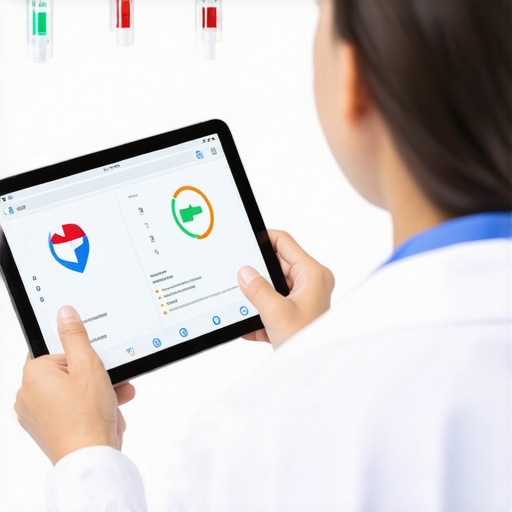
Virtual consultations are your shortcut to expert advice without the hassle of clinic waiting rooms. Imagine having a specialist review your lab results with a few clicks—fast, convenient, and private. I used telehealth to discuss my glucose trends, and it transformed my approach: I received tailored dietary suggestions, medication adjustments, and stress management strategies—all remotely. According to this resource, telehealth is revolutionizing chronic disease management by making expert care accessible and immediate. Regular virtual check-ins keep you aligned with your goals and allow for timely adjustments, vital when aiming to lower your A1C naturally.
Implement Dietary Changes with Precision
Now, let’s get concrete about what to eat. Reduce processed carbs, focus on fiber-rich foods, and include healthy fats—these act like buffers, slowing glucose spikes after meals. I started by tracking my blood sugar responses after different foods, which surprisingly revealed that my favorite snacks caused bigger spikes than I realized. Using a simple glucometer, I tested before and after meals, noting patterns. This approach, akin to tuning a guitar, helps you craft a personalized diet that stabilizes blood sugars. For detailed guidance on tailoring your diet, explore this article.
Enhance Physical Activity Effectively
Exercise is a potent tool, but it must be strategic. I found that short, high-intensity workouts triggered better blood sugar regulation than long, steady sessions. For example, I incorporated 15-minute intervals of brisk walking and bodyweight exercises, which I did thrice weekly. This method, often called High-Intensity Interval Training (HIIT), improves insulin sensitivity more efficiently. Think of your muscles as sponges—more active they are, the better they soak up excess glucose. To make this process even smarter, monitor your blood sugar response post-exercise to identify your optimal workout type and duration. For more insights, review this guide on creating exercise routines that suit your lifestyle.
Manage Stress and Sleep for Lasting Results
Stress hormones like cortisol can sabotage your blood sugar control, creating a tricky cycle. I noticed that on stressful days, my fasting glucose was higher, and I felt more sluggish. To break this cycle, I adopted mindfulness practices—short meditations, deep breathing, and even journaling—which I integrated into my daily routine. Additionally, prioritizing quality sleep helped normalize my cortisol, further stabilizing my blood sugars. Think of stress management as maintaining the engine of your health; neglect it, and other efforts fall flat. For tailored strategies, see this resource. Ensuring restful sleep and managing daily stressors are foundational for lowering A1C naturally.
Stay Consistent and Reassess Regularly
Finally, consistency is key. I set reminders to stick with my dietary plan, exercise, and stress-reduction practices. Regular check-ins, whether through lab tests or telehealth visits, keep you aware of progress and allow for data-driven adjustments. Think of it as calibrating an instrument—small tweaks make a big difference over time. Remember, this isn’t a quick fix; it’s a sustained effort that builds a healthier baseline over weeks and months. For ongoing support, consult this article on why routine wellness checks matter. By systematically applying these steps, you can take back control and see real improvements in your blood sugar levels.Many people believe that simply getting regular lab tests, relying on telehealth, or following a vaccination schedule guarantees optimal health. However, this oversimplification overlooks critical nuances that can undermine your wellness journey. For instance, a common misconception is that standard lab panels are comprehensive enough, but in reality, they often miss early signs of metabolic or inflammatory issues that silently sabotage your progress. According to recent research published in the Journal of Preventive Medicine, targeted testing for markers like insulin resistance or high-sensitivity CRP can reveal hidden risks that standard panels typically overlook, emphasizing the importance of personalized diagnostics.
Are you prioritizing the right tests, or just going through the motions?
Many assume that routine checkups or basic panels suffice, yet these might not capture the full picture of underlying health conditions. Focusing solely on fasting glucose and total cholesterol can lead you to believe you’re healthier than you are, neglecting insidious issues like oxidative stress or micronutrient deficiencies. Advanced testing, including functional labs and inflammation markers, provides a deeper insight, enabling proactive interventions instead of reactive remedies. Keep in mind, early detection through nuanced testing is vital for effective prevention. To explore this topic further, see this detailed article.
Another trap many fall into is overestimating the reach of telehealth as a catch-all solution. While virtual consultations dramatically increase access and convenience, they can’t replace the nuanced interpretation of complex lab data or the need for physical assessments in certain cases. A common myth is that telehealth can fully substitute in-person visits, but in truth, integrating both ensures a comprehensive approach. Misinterpreting results without professional guidance can lead to misguided decisions—like unnecessary supplements or overlooked conditions. The key lies in leveraging telehealth as a strategic tool, complemented by in-depth diagnostics. For a deeper dive, check out this resource.
Vaccinations often receive a blanket approach, with many thinking ‘more is better.’ However, this can lead to overvaccination or mismatched schedules, especially if personalized considerations aren’t taken into account. Experts like Dr. Paul Offit highlight that tailored vaccination plans based on individual health status, age, and lifestyle improve efficacy and reduce risks. A nuanced understanding requires evaluating antibody levels and specific exposure risks rather than blindly adhering to universal schedules. This personalized approach minimizes unnecessary interventions and maximizes protection. To learn more about optimizing vaccination strategies, see this article.
Finally, many individuals overlook the importance of integrating multiple facets of wellness—lab testing, vaccinations, lifestyle adjustments, and mental health—rather than relying on isolated actions. This fragmented approach reduces the effectiveness of preventive measures. Instead, a holistic strategy, incorporating advanced diagnostics and personalized plans, empowers you to target root causes rather than just symptoms. Regularly reassessing your health profile can help you stay ahead of potential issues, turning preventive care into a proactive shield.
Have you ever fallen into this trap? Let me know in the comments. Remember, understanding these nuances ensures your wellness efforts are not just routine, but truly effective.
Keeping It Working: Essential Tools for Long-Term Wellness
Maintaining your health journey over time demands more than just initial effort; it requires reliable tools and systems that support your ongoing progress. One of my most trusted methods is using a digital health journal app like Apple Health or Fitbit, which seamlessly syncs data from various devices, giving me a comprehensive view of my activity, sleep, and vital signs. This centralized tracking allows me to identify patterns—such as how stress or diet influences my blood sugar levels—and adjust proactively. Understanding the role of lab tests helps me interpret this data effectively and stay ahead of potential issues.
Another indispensable tool is a continuous glucose monitor (CGM). Personally, I use the Abbott FreeStyle Libre system, which provides real-time glucose readings without finger sticks. This technology empowers me to see immediate responses to foods and activities, enabling smarter decisions. As research shows, real-time data can drastically improve blood sugar management, especially when combined with professional guidance through telehealth services like virtual consultations.
Embracing dietary apps, such as Carb Manager or MyFitnessPal, also helps me stay committed by setting macro targets and meal plans aligned with my wellness goals. When I log my meals consistently, I gain actionable insights—like identifying which snack triggers the biggest glucose spike—making adjustments easier. These tools not only foster accountability but also facilitate long-term behavior change.
What’s the plan for lasting success?
In the future, I predict that wearable tech and AI-driven analytics will become even more sophisticated, offering personalized health insights tailored precisely to your genetics and lifestyle. Imagine AI algorithms predicting blood sugar fluctuations before they happen, prompting preemptive actions. Staying on top of such advancements means I can optimize my routines continuously, making health maintenance more intuitive and less burdensome.
To keep your wellness system resilient, I recommend scheduling regular lab tests—at least biannually—to catch hidden risks early. Leveraging telehealth for these updates offers the convenience and immediacy needed to adapt your plan dynamically. Remember, routine checks are the backbone of proactive health management.
How do I maintain wellness tools over time?
Consistency is crucial, so integrating your devices into a daily routine helps ensure sustained use. Set reminders to sync devices every morning, review your data weekly, and schedule virtual check-ins with your healthcare provider. I also keep an emergency kit with supplies like test strips and backup devices, so I’m prepared for unexpected technical issues. Regularly updating your apps and firmware guarantees compatibility with new features, enabling you to benefit from ongoing improvements.
Remember, the key to lasting wellness isn’t only having the latest gadgets but creating a system that fits seamlessly into your life. I’ve found that simplifying data interpretation—by focusing on trends rather than isolated numbers—reduces overwhelm and keeps motivation high. For those eager to level up, I suggest trying advanced features like setting personalized alerts for glucose spikes, which prompt immediate adjustments in your diet or activity. Such proactive strategies can prevent minor fluctuations from becoming major issues.
If you’re ready to enhance your health management, start by integrating a continuous glucose monitor into your routine and schedule a telehealth review to interpret your data in context. It’s an investment in self-awareness that pays off by making your wellness efforts more effective and sustainable.
What I Wish I Knew Before Relying Solely on Medications
The biggest lesson I learned was that medications can only do so much if underlying lifestyle habits aren’t addressed. I thought controlling my blood sugar was about pills alone, but it turned out that my daily choices had a profound impact. Real progress came when I started aligning my diet, activity, and stress management with the insights gained from targeted lab tests, proving that understanding your unique body signals is invaluable.
Why Standard Tests Might Leave You in the Dark
Most everyday panels miss critical early signs of metabolic issues. For example, I discovered that my fasting insulin was high, indicating insulin resistance long before my A1C rose. This insight prompted me to take action early—something comprehensive lab testing can facilitate. Relying solely on traditional markers can give a false sense of security, which is why exploring functional or advanced tests is a game-changer in personalized wellness.
Telehealth: Your Shortcut to Expert, Tailored Advice
I found that virtual consultations made expert guidance more accessible than ever. Personalized advice based on my latest lab results helped me tweak my routines instantly. Telehealth bridges the gap between understanding your data and taking confident steps—it’s like having a personal wellness coach in your pocket, guiding you through every step of your health journey.
Small Changes, Big Impact: The Power of Data-Driven Adjustments
Tracking how specific foods and activities influence my blood sugar responded with immediate feedback. I started to see patterns—certain snacks caused big spikes, others kept my levels stable. Adjusting my habits based on real data transformed my blood sugar management from guesswork to science, showing that consistent, informed tweaks lead to sustainable health improvements.
Mind-Body Connection: Stress and Sleep as Wellness Foundations
Neglecting stress and sleep sabotaged my efforts, even with perfect diet and exercise. I learned that calming my mind and prioritizing restful sleep normalized my cortisol levels, making blood sugar control easier. This holistic approach underscored that true wellness integrates mental and physical health, turning mere habits into vital pillars of long-term success.
Inspiring Final Note: Your Personalized Path Awaits
Every step you take towards understanding your body—through personalized testing, virtual guidance, and lifestyle tweaks—brings you closer to the best version of health possible. Remember, wellness isn’t a destination but a dynamic journey shaped by deliberate choices and tailored insights. Embrace the process, celebrate small wins, and trust in your ability to turn knowledge into lasting change.