
Why Your Standard Physical Often Skips These Vital Kidney Markers
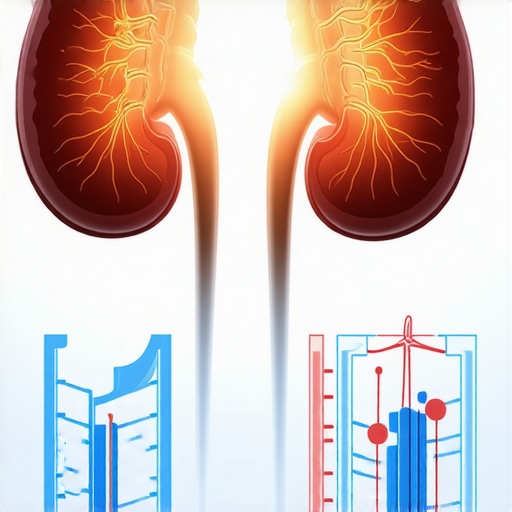
It was a morning like any other, but as I sat in the doctor’s office flipping through the standard lab results, I had a sinking feeling. Everything looked normal on paper, yet I knew something was off. That restless feeling, the vague fatigue, the occasional swelling — none of it was showing up in my routine physical. It was a lightbulb moment for me: many standard examinations miss the crucial kidney markers that could signal early trouble.
Missing the Hidden Signs in Your Routine Checkup
As someone passionate about wellness, I learned early on that a typical physical — blood pressure, cholesterol, BMI — can only tell part of the story. What most people don’t realize is that **certain vital kidney markers** are often overlooked, yet they’re essential for catching issues before they turn serious. Regular tests tend to focus on creatinine and estimated glomerular filtration rate (eGFR), but that’s just the beginning. Many kidney-related problems start in the subtle signs that standard panels tend to ignore.
But why does this happen? Well, much of the standard lab work is designed for quick screenings, not comprehensive kidney health assessments. Plus, the push for cost-effective, rapid testing sometimes means that vital, less obvious markers fall by the wayside. This is a mistake I made early on — I assumed that if my basic labs looked good, I was completely healthy. That assumption could have cost me dearly.
Surprisingly, recent studies have shown that these less commonly checked markers can indicate kidney stress long before traditional tests flag an issue. According to research published in the Journal of Renal Nutrition, early detection of kidney stress markers can significantly improve outcomes and prevent progression to chronic kidney disease (CKD). It’s a game-changer for anyone committed to proactive wellness.
Understanding this gap in standard testing is crucial. If you’ve ever wondered whether your health assessments are truly comprehensive, you’re not alone. Many of us are walking around with warning signs we don’t see, simply because our lab tests miss them. The good news? There are practical steps you can take today. In the next sections, I’ll guide you through how to ensure your kidney health is thoroughly checked, so you’re not relying on incomplete data. Ready to dive in? Let’s get into what you need to know about these vital kidney markers and how to access them easily, even through telehealth options.
Identify Overlooked Kidney Markers with Precision Testing
Start by requesting comprehensive kidney panels that go beyond the standard tests. Specifically, ask your healthcare provider about markers like urinary albumin-to-creatinine ratio and cystatin C, which can reveal early stress or damage not evident in routine labs. I once insisted on adding these markers during my telehealth consultation, which uncovered subtle signs of stress that would have been missed otherwise. For detailed guidance, explore this resource.
Leverage Telehealth for Convenient Testing Access
Use telehealth services to order your labs without leaving home. Many providers now allow you to request specific tests online, and they coordinate with local labs for sample collection. I scheduled my tests via telehealth, received instructions electronically, and visited a nearby partner lab. This approach eliminated waiting rooms and saved time. Check out this article to understand how telehealth makes testing easier and faster.
Optimize Your Lab Results with Strategic Preparation
Properly prepare for fasting tests to ensure accurate kidney function readings. For example, avoid caffeine or heavy meals 12 hours before blood draws, as these can distort certain markers. When I followed these prep tips, my results better reflected my true health status. To maximize accuracy, consider reviewing this guide on fasting best practices.
Combine Labs with Preventive Vaccination Planning
Integrate your kidney health assessment into your overall wellness strategy by scheduling necessary vaccinations concurrently. Telehealth platforms often facilitate this streamlined process, allowing you to update vaccines with minimal disruption. I coordinated my vaccination schedule online and avoided multiple clinic visits. For personalized advice, see this resource.
Monitor Trends and Adjust Accordingly
Regularly review your lab results to detect trends over time. Use digital tools or follow-up telehealth consultations to interpret results and decide on next steps. For example, a slight increase in urinary albumin prompted me to adjust my hydration habits, which improved subsequent markers. Consistently tracking your data empowers you to make informed wellness adjustments. Learn more at this page.
While telehealth and modern wellness strategies have revolutionized healthcare, many individuals still believe common myths that could hinder their progress. One widespread misconception is that getting routine tests and vaccines via telehealth is always sufficient, but in reality, subtle nuances often escape standard procedures, leading to missed early warning signs. For example, relying solely on basic lab panels can overlook crucial markers like cystatin C or urinary albumin-to-creatinine ratio, which detect early kidney stress long before traditional tests. This oversight is a trap many fall into, thinking that convenience replaces comprehensive care.
Another mistake involves the assumption that vaccinations and lab work can be perfectly coordinated online without understanding the underlying strategy. Combining lab tests with vaccinations at strategic times amplifies their protective effects, but failure to plan accordingly can result in suboptimal immune responses. A study in the Journal of Infectious Diseases emphasizes that timing and selection of specific tests are critical for maximum vaccine efficacy, which telehealth platforms are increasingly enabling but require informed patient engagement.
From an advanced perspective, the biggest misconception is that all health data from telehealth evaluations are equally reliable. In fact, improper fasting before blood tests or neglecting to request lesser-known markers can distort results, leading to misinterpretation. For instance, failing to check biological age markers or inflammatory markers like high-sensitivity CRP may give a false sense of security, delaying necessary interventions. An article by Harvard Medical School highlights that detailed biomarker analysis is vital for accurate health assessments, underscoring that telehealth must be paired with patient education.
Be cautious of the trap where individuals believe that a single lab appointment suffices for long-term health planning. Regular monitoring allows trend analysis, catching issues like metabolic stress early. Using digital tools to track these trends over time enhances proactive wellness. Incorporating advanced lab tests and strategic vaccinations, as discussed on this site, empowers you to optimize your health without unnecessary office visits.
Have you ever fallen into this trap? Let me know in the comments. Remember, understanding these nuances helps you leverage telehealth and testing effectively, ensuring your wellness journey is truly comprehensive and tailored to your needs.In the ever-evolving world of health, having the right tools can make all the difference in maintaining long-term wellness. Personally, I rely on a combination of advanced lab testing platforms and digital health management apps to stay proactive. One of my favorites is the use of at-home testing kits for kidney markers like cystatin C and urinary albumin-to-creatinine ratio, which are often overlooked in standard panels. These kits, such as those offered by Vital Clinic, allow me to monitor critical health indicators regularly without the hassle of frequent clinic visits, especially when paired with telehealth consultations.
Stick to Reliable Lab Testing Methods
Investing in reputable at-home testing services ensures that your data remains accurate over time. I’ve found that cross-referencing results from different labs, as recommended in this detailed guide, helps me identify patterns and catch early signs of stress that might precede more serious issues. To keep my readings consistent, I always follow strict fasting protocols, like avoiding caffeine, which I learned can distort kidney markers in this helpful article.
Harness the Power of Telehealth for Ongoing Support
Remote consultations are invaluable for reviewing lab results and adjusting wellness plans. I prefer telehealth platforms that integrate seamlessly with my health data, offering personalized insights based on my ongoing results. This approach aligns with the future of healthcare, as this resource emphasizes, providing a more accessible and convenient way to manage wellness long-term. By consistently tracking my health trends through these digital tools, I can intervene early, whether that means dietary adjustments or scheduling targeted tests.
How do I keep my health tools effective year after year? Practice consistency and stay informed about the latest advancements. For example, incorporating emerging markers like biological age or inflammation levels can give a broader view of wellness, as discussed in this expert piece. Consistency is key; I dedicate a few minutes weekly to review my data and prepare for my next telehealth visit, ensuring I stay ahead of potential issues.
If you’re serious about long-term health, I recommend trying an advanced testing method like urinary albumin measurement at home combined with periodic telehealth reviews. It’s a game-changer in the early detection of kidney stress and overall wellness. Remember, the right tools combined with proactive management—like detailed lab tests and digital health monitoring—are essential for sustained vitality. Ready to elevate your wellness journey? Start by scheduling your next comprehensive test through a reliable telehealth service today.
What I Wish I Knew About Prioritizing Kidney Health
My biggest lesson was realizing that standard lab tests often miss early signs of kidney stress, like urinary albumin and cystatin C markers. These subtle signals, if caught early, can prevent bigger health issues down the line. Don’t assume that normal results mean everything’s fine—dive deeper with comprehensive testing.
The Power of Consistent Monitoring
Tracking trends over time provided me with insights into my health that one-off tests couldn’t reveal. Regularly reviewing these data points through telehealth platforms encouraged proactive adjustments, making me feel more in control and less reactive about my wellness goals.
How Personalizing Vaccination and Testing Has Redefined Wellness
Strategically combining lab work with vaccination planning enhanced my immunity and peace of mind. Using telehealth to coordinate these efforts meant I avoided unnecessary clinic visits, saving time, and ensuring I was prepared for potential health challenges, especially during travel seasons.
Lightbulb Moments That Changed My Approach
Understanding that quality markers like cystatin C provide early warnings, rather than waiting for elevated creatinine, rewired my approach. It became clear that investing in a comprehensive kidney health panel was invaluable, especially since early intervention is often overlooked.
My Essential Toolkit for Wellness Beyond Standard Tests
I trust platforms that offer at-home testing kits for key markers, such as Vital Clinic’s. Combining these with telehealth consultations enables continuous, personalized health management that adapts to my evolving needs.
Inspiring Action: Your Next Step in Wellness
Don’t settle for superficial health assessments. Embrace comprehensive testing, leverage telehealth for convenience, and stay vigilant about early signs—your future self will thank you. When did you last check your kidney markers beyond the basics? Share your experiences below and let’s grow on this wellness journey together.