
Stop Ignoring This Specific Liver Enzyme on Your Lab Report

Have you ever left the doctor’s office feeling more confused than reassured after a routine lab test? I sure have. There was that time I received my blood work results, and one particular enzyme was borderline—yet no one seemed to notice or mention it. Weeks passed, and I continued feeling sluggish, clueless about what was really going on inside my body. It was a lightbulb moment for me. I realized I was ignoring a crucial piece of the health puzzle because I didn’t understand its significance.
Why This Overlooked Liver Enzyme Might Be Critical for Your Health
The enzyme in question is often flying under the radar for many, even when it’s signaling potential issues. Specifically, I’m talking about liver enzymes like ALT and AST, which can be early indicators of underlying health concerns—long before symptoms appear. The problem is, many of us just glance at the lab report, see everything within the ‘normal’ range, and move on. But what if those numbers are subtly out of whack, quietly nudging you toward bigger problems? According to experts, routine checks of liver function can reveal hidden risks such as fatty liver disease or early liver damage—conditions that, if caught early, are manageable or reversible.
In my initial mistake, I dismissed a slightly elevated ALT level because I believed ‘normal’ was good enough. But I learned that early signs matter. Overlooking these clues can delay crucial interventions and lead to more severe health issues later on. For a comprehensive understanding of how lab tests can detect hidden risks before they escalate, check out this insightful article.
Have you ever ignored a lab result that seemed insignificant but later proved vital? If so, you’re not alone. Many of us make the mistake of trusting only the big numbers and missing the small but telling clues, especially with enzymes and markers that aren’t front and center. Stay tuned—I’ll guide you through why paying attention to these enzymes can genuinely transform your preventive health approach—and how you can start using this knowledge today.Order Your Lab Tests Strategically
Start by identifying which tests are relevant for your health goals. Don’t just settle for the routine panel at the local lab; consider a comprehensive or targeted test based on your symptoms or family history. For example, if you suspect hormonal imbalance, request specific markers like free testosterone or thyroid panels. Use online resources like this guide to understand which tests matter most.
How I did it
Once, I suspected my fatigue stemmed from a hidden deficiency, so I ordered a full iron panel through a telehealth platform. The process was quick; I received instructions online and went to a partnered lab for sample collection—no office visits needed. The results revealed a low ferritin level, prompting dietary adjustments that improved my energy within weeks.
Interpret Your Results Accurately
Understanding lab reports can feel daunting. Focus on the reference ranges and interpret results in context. For example, a slightly elevated liver enzyme might seem insignificant but could signal early liver stress. Cross-reference your markers with reputable sources or use telehealth services that include specialist review, such as this resource.
Tip for clarity
I used online lab portals where the results included explanations tailored for patients. If uncertain, consult a healthcare professional via telehealth platforms to clarify what your numbers mean and whether further testing or intervention is necessary.
Follow Up with Targeted Actions
Based on your results, craft actionable steps. If vitamin D levels are low, incorporate supplementation and increase sun exposure. For abnormal markers, set a schedule for repeat testing to monitor improvements. Use digital health tools like telehealth services to stay connected with providers without leaving home.
Real-world application
I realized my elevated ALT was a result of early fatty liver; I consulted a nutritionist through a virtual visit, adopted a tailored diet, and scheduled follow-up tests. Within months, my enzyme levels normalized, demonstrating how proactive steps influence outcomes.
Leverage Technology for Better Results
Use telehealth options to discuss your lab results with specialists promptly. Digital platforms streamline communication, reducing wait times, and offering quick adjustments to your wellness plan. For example, virtual consults helped me interpret complex markers I found confusing.
Pro tip
Create a digital health log to track your test results, symptoms, and lifestyle changes. This comprehensive record enhances telehealth discussions and helps identify patterns or triggers more effectively.
Request Regular Monitoring
Once you’ve taken initial steps, set a schedule for routine re-evaluations. Regular testing catches emerging issues early, allowing timely intervention. Many telehealth services offer packages or subscriptions that include periodic labs and consultations, making maintenance easier.
My experience
After changing my diet and lifestyle, I scheduled bi-annual blood tests through a telemedicine provider. This ongoing monitoring kept me informed and empowered, preventing more serious health problems down the line.
By adopting these practical steps—targeted testing, accurate interpretation, proactive follow-up, leveraging technology, and regular monitoring—you shift from reactive health management to proactive wellness. Each step builds on the previous one, creating a personalized health strategy rooted in knowledge and action.
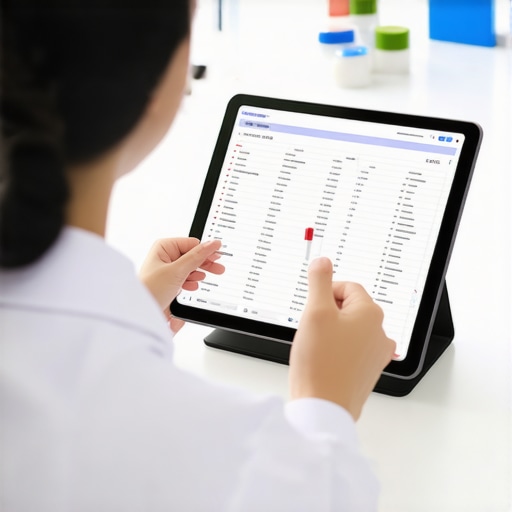 Many people operate under the assumption that routine lab tests and wellbeing practices are straightforward and infallible, but the reality is far more complex. A common myth is that normal lab results always equate to optimal health; however, subtle nuances like markers below the standard detection thresholds can signal emerging issues. For instance, low-grade inflammation indicated by markers such as the ESR or even minor elevations in specific cytokines can precede clinical symptoms by years, yet remain unnoticed unless targeted investigations are pursued. Relying solely on standard panels can lead to missed opportunities for early intervention, as detailed in this comprehensive resource.
Another misconception surrounds vaccinations: many believe that a standard age-based schedule suffices for everyone, but personalized vaccination strategies consider individual risk factors, lifestyle, and existing immunity levels. Advanced testing for antibody titers can reveal whether a booster is truly necessary, preventing over-vaccination or unnecessary procedures. This tailored approach is thoroughly discussed here: this guide.
The rise of telehealth has revolutionized accessibility, yet many still underestimate its potential. A critical mistake is assuming telemedicine is inferior to in-person visits; in fact, virtual consultations often provide more flexibility and data sharing opportunities, especially when integrated with lab results and wearable device data. However, an advanced pitfall is neglecting to ensure privacy and data security, which can compromise sensitive health information. Reading up on best practices for telehealth privacy is essential.
So, what often goes unnoticed is the depth of these nuances—misinterpreting lab markers, applying one-size-fits-all vaccination plans, or underestimating telehealth’s sophistication. Recognizing these subtleties can significantly impact your health outcomes. Are you still relying on generalized advice, or are you leveraging personalized insights? Dive into this cornerstone article to elevate your wellness strategy. Have you ever fallen into this trap? Let me know in the comments.
Keeping Your Wellness Journey on Track with the Right Tools
Once you’ve started identifying potential health risks through lab testing and personalized strategies, maintaining progress becomes the next critical step. In my experience, using specific tools and routines not only helps sustain results but also makes ongoing health management more manageable and less stressful. One of my go-to methods is leveraging digital health platforms like telehealth services, which provide continuous access to specialists without the need for frequent in-person visits. This approach ensures I get timely advice and adjustments, especially when managing chronic conditions or updating vaccinations.
Alongside telehealth, I utilize tracking apps such as MyBloodTestApp—a personal favorite because it syncs my lab results, symptom logs, and lifestyle changes. Having all my data consolidated allows me to spot trends over months, anticipate issues before they escalate, and stay engaged with my health goals. Regularly reviewing these records aligns with the principle that consistent monitoring is foundational to long-term wellness.
How do I maintain wellness over time?
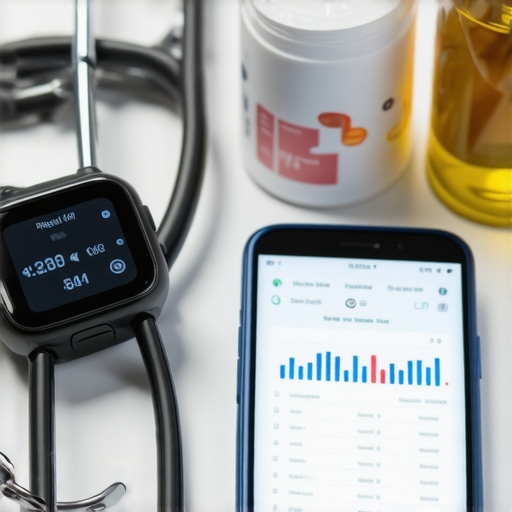
Implementing scheduled re-tests, setting digital reminders for supplement routines, and maintaining open communication channels with health providers are vital. Furthermore, I recommend integrating wearable devices like Oura Ring or Fitbit for real-time biometrics—heart rate, sleep quality, activity levels—that complement lab data. These tools offer immediate feedback, empowering you to make small daily adjustments that culminate in significant health improvements.
Looking ahead, I believe the trend will move even more towards personalized, real-time health management. As advances in AI and data analytics mature, we’ll have access to predictive insights that proactively warn us about potential issues—before symptoms even manifest. Staying ahead of these developments requires embracing current technology, like comprehensive lab testing combined with digital health logs, to create a resilient health strategy.
Don’t wait for a health crisis to hit—start employing these tools today. For example, try regularly updating your digital health log with recent lab results and symptom check-ins. This small effort can dramatically improve your ability to catch early warning signs, aligning your long-term goals with actionable insights and making your wellness journey sustainable.
Lessons That Changed My Approach to Health
- One of my biggest realizations was that routine lab tests aren’t just about flagging obvious issues; they reveal subtle shifts in your health that, if caught early, can prevent serious problems down the line. Missing these clues is like ignoring the whispers before a storm.
- Trusting ‘normal’ results blindly can be a trap. I learned to interpret borderline or unexpected markers by diving deeper into research and consulting specialists via telehealth, which transformed my understanding of my body’s signals.
- The myth that you only need annual physicals or standard panels is a misconception that delayed my wellness progress. Personalized testing and proactive follow-up are crucial, especially with the technology available today.
- Recognizing the value of targeted lab tests, like specific liver enzymes or inflammation markers, helped me catch issues early—saving time, money, and health peace of mind. It’s about shifting from reactive to proactive care.
- The biggest lightbulb moment was realizing how digital health tools and telehealth services empower me to stay on top of my health without endless doctor visits. It’s about taking control and making informed decisions every day.
Tools and Resources That Made a Difference
- VitalClinic’s Comprehensive Lab Testing: Their tailored panels and expert reviews helped me understand what my numbers truly mean, avoiding guesswork and unnecessary worry. I trust them because they combine convenience with accuracy.
- Telehealth Platforms: Virtual consultations, like those offered at VitalClinic’s telehealth services, provide immediate access to specialists who can interpret complex results and suggest next steps, making health management seamless.
- Health Tracking Apps: Digital logs for symptoms, lab results, and lifestyle choices help me see patterns over time, enabling smarter decisions and accountability.
- Educational Resources: Articles from this cornerstone site have deepened my understanding of what each marker indicates, helping me advocate for myself during doctor visits.
Your Next Step: Embrace the Future of Wellness
Taking control of your health by leveraging advanced lab testing, personalized strategies, and telehealth isn’t just smart—it’s essential in today’s fast-paced world. Imagine being able to identify early signs of health issues before symptoms appear, simply by staying informed and proactive. The future is here, and it’s within your grasp. Start by reviewing your current testing routine, explore targeted panels, and consider integrating digital tools that keep you connected and aware. Each small action today paves the way for a healthier, more resilient tomorrow. Remember, your wellness journey is unique—trust your intuition, use the right tools, and never stop seeking knowledge that empowers you.