
The hidden salt in ‘healthy’ foods that spikes your blood pressure
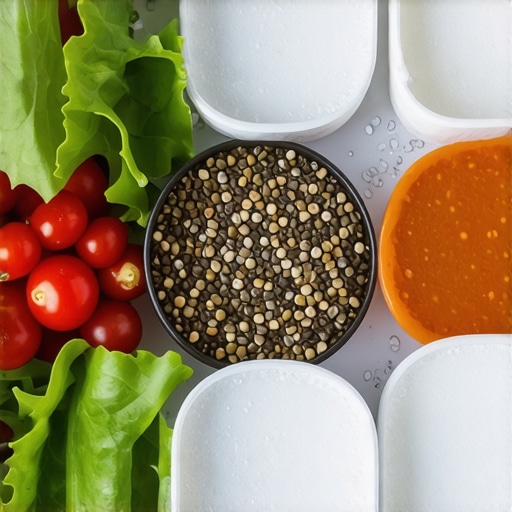
It was a typical Tuesday afternoon when I noticed my recent blood pressure reading was higher than usual. Despite eating what I thought was a heart-healthy diet—little salt, plenty of greens—I was puzzled. The real shock? I was unknowingly consuming massive amounts of hidden salt from foods I trusted to be good for me.
The Sneaky Salt in Your Favorite Foods
This lightbulb moment changed everything. I realized that many so-called ‘healthy’ foods—low-fat snacks, granola bars, even some plant-based alternatives—are loaded with hidden sodium. This sneaky salt can cause blood vessels to constrict, making your blood pressure climb without any obvious symptoms. You might be doing everything right, yet still be sabotaging your health without realizing it.
Could Your Diet Be Sabotaging Your Blood Pressure?
Here’s the thing: I made the mistake early on of relying solely on labels that said ‘low-sodium’ or ‘healthy.’ But those labels can be misleading, because manufacturers often replace salt with other flavor enhancers or preserve their products with hidden sodium derivatives. As a result, you could be consuming upwards of half your recommended daily sodium intake without suspecting a thing. Studies show that excess salt intake is a primary factor in hypertension, affecting nearly 1.13 billion adults worldwide (World Health Organization, 2023).
Have you ever watched your diet closely yet still felt that little nudge in your blood pressure? You’re not alone. Many find it challenging to spot the silent salt lurking in everyday foods. Luckily, once I recognized the problem, I discovered straightforward ways to identify and reduce hidden sodium—steps I’m eager to share with you.
Understanding the Hidden Salt Problem
Knowing the truth about salt in our foods is the first step toward better health. Let’s dive into how to recognize these hidden sources and shield your blood vessels from unnecessary strain. If this sounds familiar, stay with me—you’re about to regain control over your health and wellness.
Identify Hidden Sodium Sources
Start by scrutinizing food labels, focusing on sodium content per serving. Seek out products labeled “low-sodium” or “no added salt,” but remember, these can still contain hidden sources of salt. A resource I personally used involved visiting [Understanding Lab Tests](https://vitalclinicmd.com/understanding-lab-tests-your-roadmap-to-clearer-diagnosis-at-322-pm) to better interpret nutritional labels and understand sodium levels. Shift your shopping habit by reading ingredient lists for preservatives and additives that may contain hidden sodium, such as monosodium glutamate or sodium benzoate.
Cook More Meals at Home
Reducing processed food intake is crucial. Preparing meals from scratch allows full control over salt levels. I once experimented by cooking dinner without salt, relying on herbs, spices, and acidifiers like lemon and vinegar, which provided flavor without raising blood pressure. This approach not only cut my sodium intake but also improved my palate for naturally flavorful foods. It’s an actionable change that yields immediate benefits and supports long-term health.
Use Flavor Enhancers Wisely
Switch from salt to herbs and citrus to enhance taste. Fresh garlic, ginger, basil, and cilantro add robust flavor without the sodium. I adopted a routine of mixing different herbs each week; within a month, I noticed my craving for salt diminished significantly. For a structured guide, visiting [Maximize Your Health](https://vitalclinicmd.com/maximize-your-health-combining-vaccinations-and-lab-testing-strategies) can provide insights into how nutrition adjustments influence overall wellness. These small culinary shifts are practical steps that anyone can implement immediately.
Monitor Your Blood Pressure Regularly
Keeping a baseline reading helps you evaluate dietary impacts. I purchased a reliable home blood pressure monitor—my first step was to record my pressure before and after reducing salt. Tracking these trends over days revealed how sensitive my body was to changes. For more detailed analysis, you can explore [How Lab Tests Detect Hidden Risks](https://vitalclinicmd.com/how-lab-tests-can-detect-hidden-health-risks-early-in-your-wellness-pathway). Regular monitoring provides the immediate feedback necessary to reinforce healthy habits.
Consult Virtual Healthcare Services
Remote consultations facilitate ongoing management. I booked a telehealth appointment with a specialist who reviewed my logs and customized my plan, which included tailored dietary advice and possible medication adjustments. Virtual visits like those described in [Exploring Telehealth Benefits](https://vitalclinicmd.com/exploring-the-benefits-of-telehealth-in-managing-chronic-wellness) are accessible and often more convenient than in-person visits. Leveraging telehealth allows you to stay accountable and make data-driven decisions, ensuring your efforts are effective and adjusting strategies as needed.
Adjust Lifestyle Habits for Lasting Change
Incorporate these steps into daily routines—morning prep, grocery shopping, meal prep, and regular blood pressure checks. I found that setting reminders and establishing simple habits transformed my approach from temporary diet changes to sustainable lifestyle. Additionally, engage with resources like [Why Regular Lab Tests Matter](https://vitalclinicmd.com/why-wellness-checks-are-your-first-step-to-better-health-at-945-am) to understand how ongoing testing guides lifestyle adjustments for better health outcomes.
Stay Informed and Proactive
Education is key. Subscribe to updates from reputable health sources or consult with healthcare providers who specialize in preventive care. The more informed you are about hidden dietary risks, the better you can stay ahead. My own journey involved learning about the nuances of food labels and lab results, which empowered me to make smarter choices. Regular engagement with credible information supports sustained blood pressure control and overall wellness.Many people believe they understand the essentials of wellness, lab tests, telehealth, and vaccinations, but beneath the surface lie nuanced misconceptions that can hinder true health progress.
What Do Most Fail to Recognize About Personal Health Data?
A common myth is that all lab tests are created equal; however, many traditional panels miss critical markers like inflammatory cytokines or nutrient deficiencies that actual personalized assessments can reveal. Relying solely on standard tests can lead to missed early warnings. For instance, some clinicians focus primarily on cholesterol levels but overlook markers like lipoprotein(a) or small dense LDL particles, which are better predictors of cardiovascular risk, as highlighted in recent research published in the Journal of Cardiology.
Is Telehealth as Effective as In-Person Consultations?
Contrary to popular belief, telehealth isn’t just a convenient alternative—it’s often more effective for ongoing management. Virtual visits facilitate frequent check-ins, continuous monitoring, and personalized adjustments that traditional appointments can’t match. Moreover, telehealth reduces barriers like travel time and scheduling conflicts, making access to care less daunting. According to a study in Telemedicine and e-Health, remote monitoring significantly improves management of chronic conditions like hypertension and diabetes. However, many still worry about the quality and depth of virtual care, which is a misconception. The key is leveraging technologies designed for comprehensive assessments, including at-home lab testing and wearable devices.
Why Are Vaccinations Personalized Instead of One-Size-Fits-All?
Many assume vaccinations are universal, but the truth lies in their personalization. A one-size-fits-all approach ignores individual health statuses, genetics, and lifestyle factors that impact vaccine efficacy. Personalized vaccination schedules, considering these nuances, improve immune response and reduce adverse events. For example, recent advances in immunogenetics allow tailored recommendations that enhance protection, especially in vulnerable populations. This approach is supported by insights from the CDC and recent immunology studies, emphasizing that personalized strategies better serve public health goals.
By understanding these nuances, you can avoid common pitfalls and make informed decisions about your wellness. Stay proactive by questioning assumptions and seeking assessments tailored precisely to your unique health profile. To deepen your understanding, consider exploring comprehensive lab tests that uncover hidden risks—your roadmap to healthier living is closer than you think. Have you ever fallen into this trap? Let me know in the comments or reach out through [contact us](https://vitalclinicmd.com/contact-us-2) for personalized guidance.
Maintaining your health journey over the long haul requires more than just good intentions; it demands reliable tools and consistent methods that adapt to your evolving needs. One of my favorite investments is a high-quality home blood pressure monitor, such as the Omron Platinum. I personally rely on it because of its accuracy and user-friendly interface, which enables me to track my blood pressure daily without the need for frequent clinic visits. Regular tracking with such devices provides immediate feedback, helping me identify patterns and adjust my lifestyle proactively.
In addition, I utilize a digital health management app like MyFitnessPal integrated with a comprehensive wearable device—specifically, the Fitbit Charge 5. This combination offers real-time data on activity levels, sleep quality, and heart rate variability. By synchronizing these tools, I gain a holistic view of my wellness, which is vital for making informed decisions and sustaining healthy habits. I’ve found that these platforms also facilitate goal-setting and habit tracking, making it easier to stay accountable even on busy days.
For managing lab tests, I prefer using services like Everlywell or LetsGetChecked, which send testing kits directly to my home. This approach minimizes the hassle of scheduling appointments and allows me to periodically assess markers like vitamin D, inflammation, and lipid profiles. Regular testing, guided by insights from Understanding Lab Tests, helps me detect emerging issues early and tailor my health strategies accordingly.
Looking ahead, I predict that wearable tech and at-home testing kits will become even more integrated, powered by AI to interpret complex data sets instantly. This evolution will democratize health management, making personalized care accessible to many beyond clinical settings. Staying ahead involves adopting these innovations now—so I encourage you to try your hand at using a home lab testing kit, paired with a reliable tracking device, to gain deeper insights into your health.
How do I maintain these tools over time?
To ensure your wellness tools remain effective, schedule regular calibrations and updates. For instance, replace your blood pressure cuff batteries annually and sync your app data weekly. Establish routines like weekly data reviews and periodic device checks to prevent technical glitches from disrupting your health monitoring. Additionally, stay informed on device updates and new features—many apps and devices release software enhancements that improve accuracy and usability. Making a habit of reviewing your data regularly and adjusting your lifestyle accordingly is key to leveraging these tools for sustained health benefits.
Remember, combining precise tools with consistent habits creates a resilient foundation for your wellness journey. I personally integrate these practices into my weekly routine, and I encourage you to do the same. For a deeper dive into optimizing your health data, explore Understanding Lab Tests to sharpen your interpretation skills.
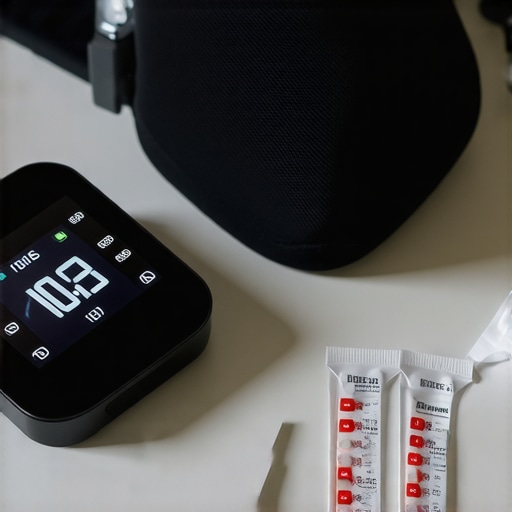
Throughout my journey toward better health, I’ve uncovered insights that challenge many common assumptions. Embracing transparency about what truly influences our wellness has been transformative, revealing some lessons I wish I’d known earlier. These revelations have not only deepened my understanding but also empowered me to make smarter choices every day.
What I Learned About the Illusions Surrounding Health Data
- Most standard lab panels miss critical markers that can predict future health risks. Relying solely on these can give a false sense of security.
- Interpreting lab results isn’t straightforward; understanding the nuances can reveal hidden issues before symptoms appear.
- Virtual care isn’t just a convenience—it’s often the most effective way to get personalized, timely insights about your health.
- Personalized vaccination schedules can drastically improve protection, especially when tailored to your unique health profile.
My Go-To Resources for Staying Ahead of Wellness Trends
- Understanding Lab Tests offers a comprehensive approach to decoding your health data, which is invaluable in making informed decisions.
- Exploring telehealth innovations has opened doors to accessible, expert guidance without the hurdles of in-person visits.
- The importance of regular wellness checks cannot be overstated—they serve as early warning systems, catching problems before they escalate.
- Staying informed through credible insights like those from vaccination tips helps optimize protection against preventable diseases.
Cultivating a Proactive Approach to Wellbeing
It’s inspiring to realize that a proactive mindset—leveraging modern tools, continuous learning, and personalized strategies—can lead to genuine health breakthroughs. I encourage you to question assumptions, seek out tailored assessments, and embrace technology that puts your well-being in your hands. Whether it’s interpreting your lab results accurately or scheduling vaccinations suited to your lifestyle, taking control makes all the difference. As you embark on this path, remember that lasting health is a journey, not a destination—every small step counts.
Are you ready to uncover the hidden truths about your wellness and take charge of your health? Share your experiences or questions below—I’d love to hear how you’re making strides toward a healthier you.