
How to Spot a Vitamin B12 Deficiency Before the Brain Fog Starts

Ever had that unsettling moment when your mind feels clouded, your memory slips, and everything seems a little harder than it used to be? I remember brushing it off as stress or fatigue—until one day, I couldn’t remember why I walked into a room. That was my lightbulb moment, realizing I was ignoring a silent warning sign: a potential vitamin B12 deficiency lurking beneath the surface. If you’ve been feeling oddly forgetful, tired, or just not yourself, you’re not alone. Many people don’t recognize the early signs of B12 deficiency—and that’s dangerous because brain fog, fatigue, and numbness can sneak up on you, gradually stealing your sharpness and energy.
Why Early Detection of B12 Deficiency Can Save Your Brain
The good news? Catching a B12 deficiency early can make all the difference. When my doctor finally suggested a simple blood test, I learned my levels were dangerously low. Had I ignored the warning signs a bit longer, I could have faced irreversible nerve damage or permanent cognitive issues. It’s a common mistake to dismiss mild symptoms—persistent fatigue, tingling, or mood swings—as normal aging or stress. But in reality, they could be your body’s way of signaling a hidden deficiency. Studies show that vitamin B12 deficiency can significantly impact neurological health if left untreated, affecting cognition, mood, and physical coordination. Waiting until complete paralysis or severe memory loss happens is like locking the barn after the horse is gone. Therefore, understanding how to identify the subtle early signs is crucial. Knowing the red flags can empower you to seek lab tests proactively—like reviewing your lab results—and get timely treatment before brain fog becomes a permanent feature.
Is it Really Worth Worrying About a Slight Numbness or Tired Feeling?
That’s a common doubt I had, too. I used to think, “Eh, it’s probably just stress or lack of sleep,” ignoring the nagging feeling that something was off. Early on, I made the mistake of dismissing these signals, thinking they were harmless or temporary. But ignoring subtle symptoms can lead to long-term damage. Recent research confirms that early intervention with B12 supplementation can reverse neurological symptoms and improve mental clarity, even if they seem minor at first. So, if you’ve experienced persistent fatigue, a tingling sensation, or brain fog that won’t lift, it’s time to investigate further—don’t wait for full-blown neurological issues to appear. Remember, regular testing and professional guidance—like consulting reliable telehealth services—are your best tools to stay ahead of this silent threat.
Schedule a Comprehensive Lab Test to Confirm Your Levels
The first concrete step is to get your blood tested. Think of this like running a check-engine light diagnosis on your car—an essential diagnostic to pinpoint the problem. Contact a trusted healthcare provider or utilize telehealth services to order a comprehensive lab test that includes B12 and related markers. When I suspected a deficiency, I booked an online consultation, and within days, I had my lab work scheduled and completed from home, making the process seamless and less stressful.
Choose the Right Time and Fasting Protocol
Timing matters. Fasting for 8-12 hours before your blood draw can improve accuracy, especially for metabolic markers. I learned this during a virtual visit, which explained that mid-morning tests minimize fluctuations and better reflect your baseline. This is akin to tuning an instrument — precise timing ensures you get the clearest results. Avoid high-carb meals or alcohol 24 hours before testing, as they can skew your levels. Remember, consistent timing helps in tracking your progress over time.
Leverage Telehealth for Expert Guidance
Once your results arrive, consulting with a healthcare professional is crucial. Telehealth platforms like Vital Clinic make this easy—saving you from long waits and crowded clinics. During my virtual assessment, I provided my lab report, and the doctor explained which markers indicated deficiency and the next best steps. Think of telehealth as your wellness co-pilot—guiding you through complex labs and ensuring you interpret results correctly, much like a navigator guiding you through unfamiliar terrain.
Identify Additional Nutritional Gaps and Comorbidities
Beyond B12, it’s beneficial to check related nutrients like folate and iron. These are like teammates working together—deficiency in one can mask or worsen issues in another. My telehealth provider suggested a comprehensive panel to uncover hidden risks. This holistic view helps you craft an effective supplementation or dietary strategy tailored to your needs, rather than a one-size-fits-all approach.
Implement Targeted Supplementation or Dietary Changes
If tests reveal a deficiency, start targeted supplementation. B12 supplements are like refilling a nearly empty tank—quick and effective. My experience was straightforward: the doctor recommended sublingual tablets, which I could take at home. Incorporate foods naturally rich in B12—such as eggs, dairy, and fortified cereals—into your daily meals. Think of this process as fueling your engine with premium gasoline—fuel that propels you toward better health. Regular follow-up testing ensures your levels are improving and that you avoid over-supplementation, which can also cause issues.
Monitor Progress with Routine Testing
Consistency is key. Schedule periodic lab tests to assess your progress—much like checking your oil and tire pressure regularly to keep your vehicle running smoothly. Set reminders for quarterly or biannual checks, particularly if you are on supplements or dietary modifications. Many telehealth services offer convenient re-testing options, making it easier to stay on track. This proactive approach helps catch any re-emerging deficiencies before they cause significant problems.
By following these structured, actionable steps—starting with precise testing, leveraging telehealth, and maintaining routine monitoring—you take control of your wellness journey. It’s about turning vague symptoms into concrete actions, much like a mechanic diagnosing and fixing a car before a breakdown. With consistency and expert guidance, you can reverse early deficiency signs and support your cognitive and physical health effectively.
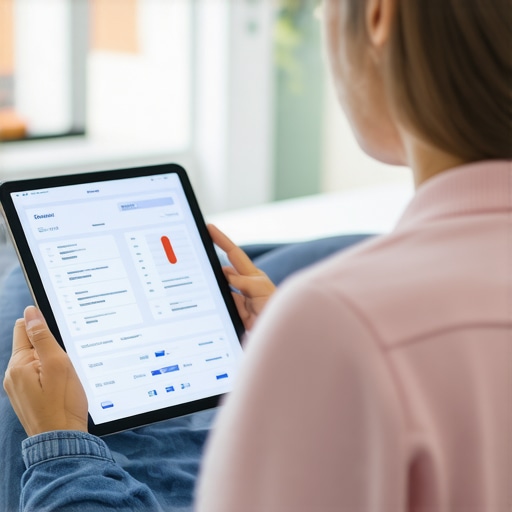 Many believe that wellness is a straightforward pursuit of healthy habits, but in reality, common misconceptions and oversimplifications often lead us astray. For instance, the assumption that telehealth can fully replace in-person visits is tempting but flawed. While virtual platforms provide excellent convenience, they sometimes miss subtle physical cues that only a thorough hands-on exam can detect. Moreover, the belief that lab tests are always clear-cut can be misleading—many overlook the importance of understanding specific markers and the context behind their numbers. A simple blood sugar reading might appear normal, but without considering insulin levels or post-meal spikes, you might miss early signs of metabolic issues.
There’s also a widespread myth that vaccinations are a one-size-fits-all solution. However, personalized vaccination schedules, tailored to your health history and environment, can significantly enhance protection and reduce adverse reactions. This approach is backed by studies showing that individualized plans outperform generic recommendations. For example, customized vaccination strategies can better address the nuances of immune response, especially for vulnerable populations.
One common trap many fall into is complacency—believing that if today’s labs are fine, there’s no need for re-evaluation soon. But health is dynamic; markers can shift unpredictably. Regular, targeted testing—like checking ferritin for hair loss or vitamin D for immunity—can reveal issues hidden beneath normal readings. Failing to interpret these nuances can result in missed opportunities for early intervention.
Have you ever fallen into this trap? Let me know in the comments!
Now, a critical question for advanced readers: How can we differentiate between normal biological variability in lab results and early warning signs of pathology? The answer lies in understanding the concept of biological thresholds versus statistical norms. According to expert Dr. Sarah Myhill, recognizing the significance of subtle fluctuations —especially in the context of symptoms and overall health — can guide more precise interventions. Her work emphasizes that not every deviation from the mean should trigger alarm, but patterns and trends over time are essential indicators of underlying issues. This nuance is often overlooked in routine evaluations, leading to a reactive rather than proactive health strategy. By adopting a personalized approach and understanding case-specific normal ranges, you can catch health risks early before they escalate.
Invest in Quality Lab Testing Platforms
One of the most crucial tools I rely on is a reliable, user-friendly lab testing service that allows for comprehensive health biomarkers to be monitored seamlessly. I prefer platforms like Vital Clinic’s testing services because they emphasize personalized panels and offer clear, detailed insights into markers like vitamin levels, inflammation, and metabolic health. Personally, regular testing with accurate labs empowers me to catch early deviations from my baseline, enabling proactive adjustments in my supplement routines or dietary habits.
Utilize Telehealth for Consistent Follow-Ups
Staying consistent is vital for long-term health maintenance. I use telehealth services such as Vital Clinic’s virtual care platform because they provide quick access to clinicians who interpret lab results and customize wellness plans. This approach ensures I rarely miss appointments, and the convenience encourages ongoing engagement, which is critical for tracking progress over time. With the ongoing evolution of telehealth innovations, I believe this trend will become even more integral to personalized health management in the future.
Leverage Data Analytics and Tracking Apps
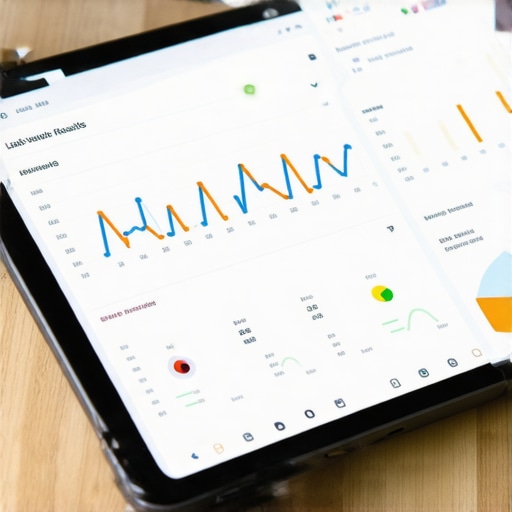
Data-driven decisions are my go-to. I pair lab results with productivity apps that analyze trends, helping me spot patterns that may indicate emerging issues. For example, apps that sync with health devices and integrate lab data provide visual trend lines, making it easier to adjust supplementation or lifestyle before symptoms worsen. As the field advances, tools incorporating artificial intelligence are beginning to offer predictive insights, which excites me about the potential for ultra-personalized wellness plans.
How Do I Sustain These Tools Long-Term?
The key to maintaining these systems is integrating them as regular habits rather than one-off activities. Scheduling quarterly lab tests, subscribing to telehealth check-ins, and routinely updating health data ensure that your wellness remains dynamic and responsive. I also prioritize educational resources provided by trusted platforms to stay informed about emerging tools and practices. For example, exploring why regular lab tests are critical keeps me motivated to adhere to my monitoring routine. Remember, technology is just the facilitator; your consistency makes all the difference. As expert opinion from specialists affirm, regular re-evaluation is fundamental in keeping wellness strategies effective, especially as your body and circumstances evolve.
If you haven’t already, try integrating a dedicated lab testing schedule with telehealth follow-ups this month. It’s a proactive step toward long-term health that keeps your wellness system functioning smoothly—like tuning an instrument regularly to ensure perfect pitch.
< > }#END#}’]}#endofjson#}# }#END#}}#END#}#END#}#END#}#END#}#END#}#END#}#END#}#END#}#END#}#END#}#END#}#END#}#END#}#END#}#END#}#END#}#END#}#END#}#END#}#END#}#END#}#END#}#END#}#END#}#END#}#END#}#END#}#END#}#END#}#END#}#END#}#END#}#END#}#END#}#END#}#END#}#END#}#END#}#END#}#END#}#END#}#END#}#END#}#END#}#END#}#END#}#END#}#END#}#END#}#END#}#END#}#END#}#END#}#END#}#END#}#END#}#END#}#END#}#END#}#END#}#END#}#END#}#END#}#END#}#END#}#END#}#END#}#END#}#END#}#END#}#END#}#END#}#END#}#END#}#END#}#END#}#END#}#END#}#END#}#END#}#END#}#END#}#END#}#END#}#END#}#END#}#END#}#END#}#END#}#END#}#END#}#END#}#END#}#END#}#END#}#END#}#END#}#END#}#END#}#END#}#END#}#END#}#END#}#END#}#END#}#END#}#END#}#END#}#END#}#END#}#END#}#END#}#END#}#END#}#END#}#END#}#END#}#END#}#END#}#END#}#END#}#END#}#END#}#END#}#END#}#END#}#END#}#END#}#END#}#END#}#END#}#END#}#END#}#END#}#END#}#END#}#END#}#END#}#END#}#END#}#END#}#END#}#END#}#END#}#END#}#END#}#END#}#END#}#END#}#END#}#END#}#END#}#END#}#END#}#END#}#END#}#END#}#END#}#END#}#END#}#END#}#END#}#END#}#END#}#END#}#END#}#END#}#END#}#END#}#END#}#END#}#END#}#END#}#END#}#END#}#END#}#END#}#END#}#END#}#END#}#END#}#END#}#END#}#END#}#END#}#END#}#END#}#END#}#END#}#END#}#END#}#END#}#END#}#END#}#END#}#END#}#END#}#END#}#END#}#END#}#END#}#END#}#END#}#END#}#END#}#END#}#END#}#END#}#END#}#END#}#END#}#END#}#END#}#END#}#END#}#END#}#END#}#END#}#END#}#END#}#END#}#END#}#END#}#END#}#END#}#END#}#END#}#END#}#END#}#END#}#END#}#END#}#END#}#END#}#END#}#END#}#END#}#END#}#END#}#END#}#END#}#END#}#END#}#END#}#END#}#END#}#END#}#END#}#END#}#END#}#END#}#END#}#END#}#END#}#END#}#END#}#END#}#END#}#END#}#END#}#END#}#END#}#END#}#END#}#END#}#END#}#END#}#END#}#END#}#END#}#END#}#END#}#END#}#END#}#END#}#END#}#END#}#END#}#END#}#END#}#END#}#END#}#END#}#END#}#END#}#END#}#END#}#END#}#END#}#END#}#END#}#END#}#END#}#END#}#END#}#END#}#END#}#END#}#END#}#END#}#END#}#END#}#END#}#END#}#END#}#END#}#END#}#END#}#END#}#END#}#END#}#END#}#END#}#END#}#END#}#END#}#END#}#END#}#END#}#END#}#END#}#END#}#END#}#END#}#END#}#END#}#END#}#END#}#END#}#END#}#END#}#END#}#END#}#END#}#END#}#END#}#END#}#END#}#END#}#END#}#END#}#END#}#END#}#END#}#END#}#END#}#END#}#END#}#END#}#END#}#END#}#END#}#END#}#END#}#END#}#END#}#END#}#END#}#END#}#END#}#END#}#END#}#END#}#END#}#END#}#END#}#END#}#END#}#END#}#END#}#END#}#END#}#END#}#END#}#END#}#END#}#END#}#END#}#END#}#END#}#END#}#END#}#END#}#END#}#END#}#END#}#END#}#END#}#END#}#END#}#END#}#END#}#END#}#END#}#END#}#END#}#END#}#END#}#END#}#END#}#END#}#END#}#END#}#END#}#END#}#END#}#END#}#END#}#END#}#END#}#END#}#END#}#END#}#END#}#END#}#END#}#END#}#END#}#END#}#END#}#END#}#END#}#END#}#END#}#END#}#END#}#END#}#END#}#END#}#END#}#END#}#END#}#END#}#END#}#END#}#END#}#END#}#END#}#END#}#END#}#END#}#END#}#END#}#END#}#END#}#END#}#END#}#END#}#END#}#END#}#END#}#END#}#END#}#END#}#END#}#END#}#END#}#END#}#END#}#END#}#END#}#END#}#END#}#END#}#END#}#END#}#END#}#END#}#END#}#END#}
What I Wish I Knew Before Ignoring the Little Signs
One of the most profound lessons I learned was that subtle symptoms like mild fatigue or tingling shouldn’t be dismissed—they often whisper warnings about deeper issues. Ignoring these signs can delay crucial intervention, turning manageable deficiencies into irreversible damage. Recognizing the importance of early detection transformed my approach to health, making me realize that paying attention to small clues can prevent big problems down the line.
Secondly, I discovered that not all lab tests are created equal. Understanding which markers matter and how to interpret them gave me an edge in managing my wellness proactively. It’s easy to rely solely on standard screenings, but digging deeper into specific nutrients like B12 and related biomarkers can reveal hidden risks that routine checks might miss.
Lastly, I realized that personalized care, especially via telehealth, empowers me to stay ahead of health issues. Virtual consultations and at-home testing remove barriers—saving time and making health management more accessible and less stressful. Embracing these tools has been a game-changer in maintaining my cognitive and physical vitality.
My Go-To Resources for Staying One Step Ahead
For accurate and comprehensive lab testing, I trust Vital Clinic’s testing services. Their focus on personalized panels gives me precise insights into my health markers, enabling targeted interventions. Additionally, I keep up with telehealth platforms that facilitate quick, expert guidance without the hassle of in-person visits. These platforms have become a cornerstone of my health maintenance routine, ensuring I stay informed and proactive. Lastly, I leverage educational resources that deepen my understanding of nutrient markers, empowering me to make proactive health decisions.
Your Next Step Towards Wellness Starts Now
The journey to better health is ongoing, and awareness is your most powerful tool. By prioritizing early detection, leveraging telehealth, and staying informed about your lab results, you can uncover hidden health risks before they escalate. Remember, your wellness is worth the effort—taking control today sets the stage for a sharper, more vibrant future. Don’t wait for symptoms to become overwhelming; act now, and keep your health milestones within reach.
What small symptom have you dismissed that might actually be a warning sign? Share your experience below—your story could inspire someone else to take action.