
The Truth About Heart Health Tests You Can Do at Home
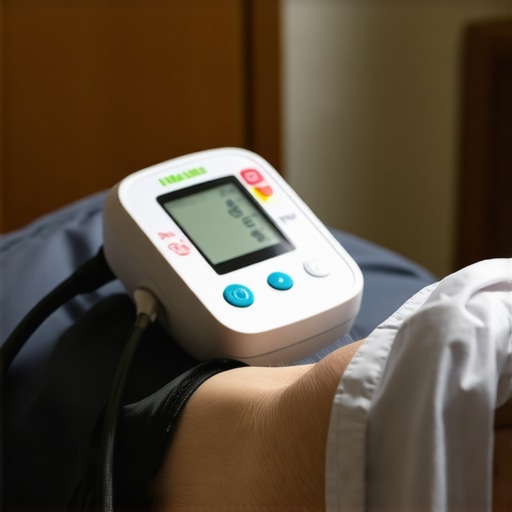
I remember the exact moment I realized I had been ignoring subtle signs of my heart health. It was a busy morning, and I felt an odd tightness in my chest that I brushed off as stress or indigestion. Weeks later, after a routine virtual check-in with my healthcare provider, I discovered I was at an increased risk of heart disease—despite feeling perfectly fine most days. That lightbulb moment made me question how many other simple, at-home tests could have flagged this earlier.
Why Heart Health Tests Matter More Than Ever
In today’s fast-paced world, we’re all looking for quick, reliable ways to monitor our health. The good news is, thanks to advances in telehealth and home testing options, that may be possible—without endless clinic visits. But many people, myself included early on, underestimate how critical it is to know your own heart numbers and what they really mean. Neglecting this knowledge can lead to missed opportunities for early intervention and better outcomes.
Could You Be Missing Key Clues About Your Heart?
When I first started exploring at-home tests, I made a costly mistake: assuming my regular blood pressure cuff and a few online lessons about cholesterol were enough. It wasn’t until I learned about specific blood markers—like inflammatory indicators or lipid particle size—that I understood how complex heart risk truly is. This mistake is common, and it underscores why educating ourselves about accurate testing is essential. For a comprehensive guide, I recommend checking out this detailed article on understanding lab results and their role in heart health.
Are you aware of the simple assessments you can do at home or virtually to keep tabs on your heart? If not, you’re not alone. Many rely solely on annual check-ups, missing the opportunity for ongoing, real-time insights. Staying proactive might just save your life tomorrow. Let’s explore how you can empower yourself with reliable, easy-to-access tests and tools.
Take Control with Accurate Blood Pressure Monitoring
Start your at-home heart health journey by investing in a reliable blood pressure cuff. When I first tried this, I struggled to find the right cuff and application technique. After consulting resources like this guide, I learned to sit quietly for five minutes, avoid caffeine beforehand, and ensure the cuff was snug but not too tight. Repeating the measurement twice and tracking averages over days provided a clearer picture of my actual blood pressure, helping me notice trends I would have ignored otherwise.
Use Telehealth for Virtual Check-Ins
Utilize telehealth platforms to review your readings without leaving home. For example, scheduling a virtual consult allowed me to discuss inconsistent readings with a healthcare professional without the long wait at clinics. Platforms like this service connect you with clinicians who interpret your data and suggest personalized adjustments. Regular virtual check-ins empower you to stay proactive and make swift modifications to your lifestyle or medication.
Incorporate Home Lab Testing for Better Insights
Beyond blood pressure, understanding your cholesterol and inflammatory markers is crucial. I ordered an at-home lab kit after reading this comprehensive article. The process involved a finger prick and mailing the sample back to the lab, which I did during a lunch break—no clinic visit needed. The results revealed small, dense LDL particles that traditional tests often miss, reinforcing the importance of detailed testing in assessing heart risk.
Choose the Right Tests for Your Lifestyle
Not all tests are created equal. For instance, inflammatory markers like CRP can indicate hidden inflammation that elevates your cardiovascular risk. Consulting with a professional can help identify which tests suit your needs. For example, I prioritized a lipid particle analysis and inflammatory markers combined with traditional cholesterol panels. Learning about these tests demystified my numbers and guided my diet and exercise tweaks.
Track and Analyze Your Data Consistently
Data becomes powerful when reviewed over time. I used a simple app to log my blood pressure readings, lab results, and lifestyle factors like diet and activity levels. Over weeks, this visualization revealed patterns correlating certain foods or stress levels with spikes in my numbers. Regular review helped me stay motivated and informed, making adjustments before issues escalated. Remember, consistent tracking transforms reactive care into proactive wellness.
Don’t Underestimate Lifestyle Adjustments
Alongside testing, small lifestyle changes can make a significant impact. For example, reducing sodium intake and increasing physical activity complemented my data-driven approach. If you find your numbers are trending upward, try incorporating these proven strategies. For detailed guidance, explore immunity-boosting tips that also support heart health. These steps are easy to implement and can create a tangible difference in your heart risk profile.
Many assume that embracing telehealth and routine lab tests automatically guarantees better health, but the reality is more complex. A common myth is that all at-home tests and virtual visits are equally reliable; however, understanding the nuances—like the specific markers that truly predict disease risk—is crucial. For instance, relying solely on standard cholesterol panels can be misleading, as advanced lipid testing reveals hidden risk factors such as small, dense LDL particles that traditional tests often overlook. This oversight can lead to false reassurance and delayed interventions.
Another misconception is that vaccinations alone suffice for immune protection. In truth, the timing and type of vaccines, coupled with comprehensive lab assessments, significantly influence their effectiveness. Expert insights suggest that personalized vaccination schedules, based on detailed lab data, optimize immune response and prevent misunderstandings about immunity gaps. Exploring the role of detailed lab testing can uncover hidden vulnerabilities often missed in routine checkups.
Are Virtual Health Services as Reliable as In-Person Exams?
Many believe telehealth is just a convenient alternative with no added value over in-person visits. Yet, advanced telemedicine innovations now allow for comprehensive assessments, including real-time monitoring of blood pressure, symptom tracking, and even remote diagnostics using portable devices. The challenge lies in understanding which virtual tools and tests provide clinically meaningful insights. For example, continuous blood pressure monitoring at home can detect fluctuations that a single clinic measurement might miss, preventing the trap of normal readings during a stressful visit. To maximize telehealth benefits, be sure to explore this overview of telehealth innovations.
What pitfalls should I avoid when interpreting my lab results at home?
One oops many make is misinterpreting complex lab data without professional guidance. Readings like CRP or lipid subfractions require context—knowing their significance helps prevent unnecessary concern or complacency. Detailed lab analysis, available through trusted virtual clinics, equips patients with actionable insights. For example, identifying elevated inflammatory markers early allows for targeted lifestyle changes before issues escalate. Remember, self-diagnosis can be risky; always consult experts who interpret these sophisticated results, as outlined here. Don’t fall into the trap of assuming that numbers speak for themselves—context is king.Maintaining your health journey beyond initial tests and consultations requires the right arsenal of tools and practices. I personally rely on a combination of reliable devices, strategic software, and disciplined routines to stay ahead of potential issues and ensure sustained wellness. Investing in quality equipment not only saves time and money but also provides peace of mind as you navigate your health path.
Smart Blood Pressure Monitors That Deliver Accuracy
One of my must-have tools is the Omron Platinum blood pressure cuff. Unlike cheaper models, it offers clinically validated readings, Bluetooth connectivity, and multiple user profiles. I use it daily to track fluctuations, especially during periods of stress or medication adjustments. Regular monitoring helps identify trends early, allowing me to consult my healthcare provider proactively before minor deviations escalate into serious concerns.
Apps That Turn Data into Action
Data collection is only half the battle; interpretation is crucial. I recommend using apps like HeartGraph, which visually map your blood pressure, lab results, and lifestyle inputs over time. This synergy transforms raw data into actionable insights, making it easier to see correlations—like how dietary choices influence blood pressure or inflammatory markers. These insights empower you to tweak habits intentionally rather than reactively.
Leveraging Telehealth for Ongoing Support
Telehealth platforms such as VitalClinicMD facilitate routine check-ins, medication reviews, and even real-time diagnostics with portable devices. I schedule virtual visits quarterly to review my data, discuss any anomalies, and adjust my care plan. This approach minimizes clinic visits without compromising quality, ensuring consistent oversight of my health metrics.
Advanced Lab Testing Kits for Deeper Insights
At-home lab kits, like the ones I use from VitalClinicMD, provide detailed analysis beyond standard panels. From inflammatory markers to lipid particle subtypes, these tests reveal hidden risks. I typically order new panels biannually, which, combined with the data tracking apps, help me identify early signs of imbalance and tailor interventions accordingly.
Setup for Long-Term Success: Custom Routine and Maintenance
Consistency is key. I integrate device syncing with daily routines—morning blood pressure checks, evening reflection entries, and weekly lab reviews. Setting reminders and establishing habits around these tools make wellness a seamless part of daily life. As technology continues to evolve, I foresee even smarter wearables and AI-driven platforms becoming integral in personalized health maintenance.
How Do I Stay Insured for the Future?
While tools are vital, regular professional evaluations remain essential. Advanced lab testing, especially when guided by insights from comprehensive lab assessments, forms the backbone of effective long-term management. Be sure to schedule periodic wellness check-ups and discuss your continuous data collection to refine your approach.
If you’re ready to elevate your wellness game, I recommend starting with a reliable blood pressure monitor like the Omron Platinum. Combine it with a tracking app and schedule your first virtual consultation this month. Small, consistent steps today build the foundation for sustained health tomorrow.
The Hidden Lessons That Changed My Approach to Wellness
One of the most profound realizations I had was that early signs of heart issues often hide in plain sight, disguised as stress or minor discomfort. Recognizing these subtle cues taught me to listen closely to my body and to prioritize proactive testing over reactive treatments.
Another lesson was understanding that standard tests might not tell the full story. For example, traditional cholesterol panels can overlook small, dense LDL particles that significantly elevate risk. Educating myself on advanced lipid testing transformed my approach to heart health, emphasizing the importance of detailed lab assessments.
I also learned that consistency trumps intensity. Regular at-home measurements, combined with virtual check-ins, create a clearer, more actionable picture of health than sporadic visits. Building routines around monitoring and analyzing my data has empowered me to make informed lifestyle adjustments, preventing issues before they escalate.
Finally, I’ve realized that integrating different tools and tests—like blood pressure cuffs, lab kits, and telehealth platforms—requires intentionality. The key is creating a seamless system that fits into daily life, turning wellness maintenance into a sustainable habit rather than a burdensome task.
Curated Playbook for Taking Charge of Heart Wellness
My essential toolkit begins with a reliable blood pressure monitor like the Omron Platinum, which offers validated accuracy and connectivity features. Pairing this with apps like HeartGraph transforms raw data into visual trends, making it easier to identify patterns that need attention.
For deeper insights, I trust at-home lab testing kits from VitalClinicMD. They provide comprehensive tests beyond standard cholesterol panels, revealing hidden risk factors such as inflammatory markers and lipid particle subtypes. These nuanced insights guide tailored lifestyle changes that truly make a difference.
Leveraging telehealth platforms like this service has been transformative. Virtual check-ins simplify routine follow-ups, enabling me to discuss fluctuations in my readings and adjust my care plan promptly—without the hassle of in-person visits.
Lastly, ongoing education through trusted sources ensures I stay informed. Courses, articles, and expert consultations provide the context needed to interpret my data accurately and avoid common pitfalls, such as misjudging lab results or overlooking early warning signs.
Your Next Chapter in Wellness Starts Now
Remember, taking charge of your heart health is an empowering journey—one built on curiosity, consistency, and informed choices. Embrace the tools and insights available today to foster a resilient, vibrant future. Every small step you take now adds up to a lifetime of wellness. If you’re ready to start your personalized heart health journey, I recommend exploring those resources I mentioned—they can be game changers in your path to better health.
What is one simple change you can make today to become more attuned to your own heart health? Let me know below, and let’s support each other on this vital journey.