
How to Handle a Migraine Consultation from Your Couch
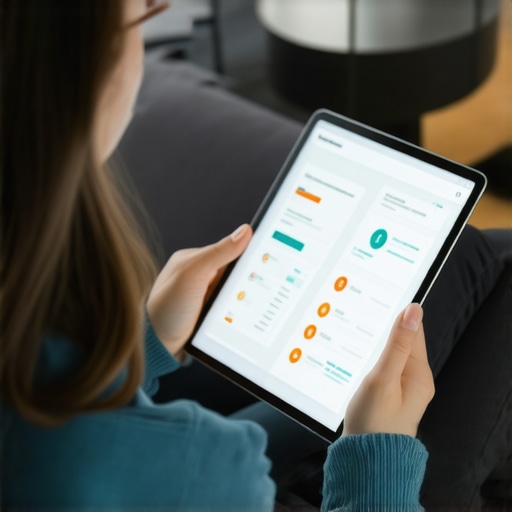
I remember the first time I tried to have a migraine consultation without leaving my living room. I was curled up on my couch, clutching a pillow, feeling utterly helpless. The thought of sitting in a sterile doctor’s office while throbbing pain took over my head seemed impossible, almost cruel. But I needed answers — fast. That “aha” moment hit me hard: virtual healthcare might just be my new best friend.
Why Handling Migraine Consultations at Home Is a Game-Changer
If you’ve ever suffered through a migraine, you know how debilitating it can be. The idea of traveling, waiting in crowded clinics, and trying to explain your symptoms through a fog of pain? Not fun. That’s precisely why more people are turning to telehealth solutions. They offer a way to connect with healthcare providers without the added stress, especially during a migraine episode.
Is Virtual Care Actually Effective for Migraines?
This was my biggest skepticism early on. I worried: Can a doctor really understand my pain over a screen? Can I get a proper diagnosis without a hands-on exam? Trust me, I made this mistake myself and learned the hard way that not all virtual visits are created equal. When I initially skipped in-person visits for convenience, I missed critical cues, leading to delayed or inaccurate treatment.
But here’s the thing — with the right approach, telehealth has become a powerful tool. It allows for detailed history-taking, visual assessments, and even remote monitoring. Plus, some clinics now incorporate phoned or video follow-ups to optimize migraine management. The key is knowing how to prepare and communicate your symptoms effectively during these virtual appointments.
According to recent research, telemedicine can reduce migraine-related disability and improve quality of life when utilized properly. As I set out to learn more, I found that understanding what to discuss and having your history ready makes all the difference.
Are you tired of missing workdays or canceling plans due to migraines? Have you faced the challenge of explaining your pain to a doctor who’s never seen your symptoms firsthand? If so, keep reading. The next steps will guide you on how to handle your migraine consultation from the comfort of your couch, maximizing every minute of your virtual appointment.
Preparing Effectively for Your Virtual Migraine Consultation
Think of your virtual appointment as a well-organized presentation. Before the call, jot down your symptoms, including onset, duration, and intensity. Use a symptom diary app or a simple note on your phone. For instance, I once kept a migraine journal for two weeks, noting triggers like certain foods or stress levels. When I presented this to my doctor via telehealth, it provided invaluable insight, leading to a more tailored treatment plan.
Optimizing Your Environment to Communicate Clearly
Imagine trying to have a conversation in a noisy café; it’s frustrating. Similarly, ensure your space is quiet, well-lit, and free from distractions during your virtual visit. Use a good-quality webcam and microphone. I found that positioning my camera at eye level reduced misunderstandings and made the interaction feel more personal, much like an in-person visit. This setup aids the provider in picking up visual cues, such as facial expressions or physical movements, that are vital for accurate assessment.
Effective Symptom Sharing and Visual Demonstrations
Be precise when describing your symptoms. For example, instead of saying,
Many people believe they understand the basics of telehealth and preventive care, but there are nuanced pitfalls that can undermine their effectiveness. One common myth is that virtual consultations are only suitable for minor issues. In reality, with proper preparation, telehealth can be a powerful tool for managing complex health conditions. However, a frequent mistake is relying solely on online platforms without understanding their limitations or how to optimize these interactions for better outcomes.
Why Do Oversimplified Views Harm Your Health Strategy?
Believing that telehealth replaces all in-person visits can lead you to miss critical diagnostics. For instance, some patients assume that lab tests can be completely substituted with home kits without understanding the nuances of test accuracy or timing. An expert approach involves knowing when to combine virtual care with traditional diagnostics, such as lab tests, for a comprehensive health picture. For example, consulting a provider about personalized vaccination schedules can be more effective when supported by targeted lab tests, which help identify specific deficiencies or risks. You can learn more about this at this link.
Another misconception is that wellness is purely about quick fixes or supplements. True wellness involves nuanced understanding, including recognizing the impact of routine lab tests, which can uncover hidden health risks. Many overlook the importance of understanding lab markers, such as vitamin D or inflammatory indicators, which can inform tailored interventions. For example, a simple blood test like this one can reveal underlying deficiencies that are often mistaken for typical fatigue or stress.
Advanced Mistake: Underestimating the Power of Personalized Preventive Care
One trap many fall into is neglecting the tailored aspect of preventive health. Instead of generic advice, personalized vaccination and lab testing strategies consider individual genetics, lifestyle, and environment. These approaches significantly boost effectiveness and reduce unnecessary procedures. A relevant example is the use of customized vaccination schedules, which can be optimized through detailed health assessments and lab insights, as explained here.
Research indicates that such personalized strategies lead to better disease prevention and health outcomes, underscoring the importance of moving beyond one-size-fits-all models. Moreover, consciously understanding the limitations and potential biases in virtual assessments—such as the inability to perform physical exams—can prevent misdiagnoses. Combining virtual visits with strategic lab tests and data analysis creates a comprehensive health picture, empowering more precise interventions.
Have you ever fallen into this trap? Let me know in the comments. Staying informed about these hidden nuances ensures you harness the full potential of modern healthcare strategies, making your wellness journey both smarter and safer.Maintaining your health through telehealth and at-home testing requires the right tools to ensure accuracy, consistency, and longevity in your wellness journey. One of my favorite devices is the Omron Platinum Blood Pressure Monitor, which I personally use daily to keep tabs on my cardiovascular health. Its Bluetooth connectivity allows me to sync readings directly to my smartphone, enabling easy tracking over time and sharing with my healthcare provider through secure platforms like telehealth innovation portals. Regular monitoring helps catch subtle changes early and customize interventions, especially if you’re managing conditions like hypertension or post-vaccination responses.
For lab testing, I rely on at-home testing kits that provide lab-quality results without the hassle of clinic visits. The Everlywell Hormone Test is a prime example; it offers comprehensive insights into hormone levels, which I find invaluable for personalized wellness adjustments. The kit includes detailed instructions, and the results are reviewed remotely by licensed clinicians, aligning with the trend of integrated virtual diagnostics. This approach ensures I stay proactive about issues that often go unnoticed until they cause significant fatigue or mood swings.
To streamline appointments and follow-ups, I strongly recommend using scheduling apps like Calendly combined with secure messaging platforms such as MyChart or patient portals linked to your telehealth provider. These tools help coordinate appointments, send reminders, and facilitate quick communication without the back-and-forth of email chains. They also save valuable time, freeing you to focus on implementing health recommendations.
Looking ahead, I predict that wearable health technology will become even more integrated with AI-driven analytics, providing real-time alerts for irregularities potentially associated with long-term vaccine effects or chronic wellness conditions. Manufacturers are developing sensors capable of monitoring blood markers, hydration levels, and even cuffless blood pressure readings, making continuous care achievable outside clinical settings.
So, how do I maintain the efficacy of these tools over time? Regular calibration of devices like blood pressure monitors is crucial—most manufacturers recommend calibration every 1-2 years or after a significant trauma or repair. Also, keeping software updated ensures compatibility with emerging telehealth platforms and security protocols, a vital aspect considering privacy concerns highlighted in privacy policy guidelines.
And here’s a call to action—try integrating an at-home blood testing kit with your routine monitoring to get a more complete picture of your health status. This small step can unlock powerful insights, guiding your personalized vaccination schedules and preventive strategies for better, sustained wellness. You can learn more about crafting your tailored health plan at this resource.
The Hardest Lesson I Learned About Telehealth and Wellness
Early in my telehealth experience, I believed that a good virtual consultation could fully replace in-person visits. That misconception almost led me to overlook critical health signs that only physical exams reveal. The lightbulb moment was realizing that virtual care is a powerful tool—but not a one-size-fits-all solution. Knowing when to supplement telehealth with traditional diagnostics saves time, money, and health risks.
3 Myths About Telehealth and Vaccinations That Held Me Back
I once thought that online platforms couldn’t handle complex health interventions like personalized vaccination schedules. I was surprised to find that with the right data and professional insights, telehealth can deliver tailored immunization plans—improving safety and efficacy. The key is understanding that myths about virtual care limit your ability to harness its full potential.
What No One Tells You About At-Home Lab Tests and Preventive Care
One eye-opening lesson was discovering the significant role that home lab testing plays in personalized health. These tools allow me to detect deficiencies—like vitamin D or inflammatory markers—that influence vaccination responses and overall wellness. Relying solely on symptoms without lab data can be misleading; comprehensive testing empowers smarter health decisions.
My Essential Toolkit for Telehealth Success
Personally, I trust devices like the Omron Platinum Blood Pressure Monitor for consistent readings that inform my virtual visits. I also use reputable at-home testing kits such as Everlywell for hormone levels. Coupled with scheduling apps and secure messaging platforms, these tools create a seamless, proactive wellness routine. They keep me engaged and in control between doctor visits.
Your Turn to Embrace Smarter Wellness Practices
Adapting to virtual health requires curiosity and willingness to leverage new tools and knowledge. I encourage you to see telehealth as a strategic advantage—your portal to personalized, accessible care that grows with you. Take the first step today by exploring how home lab testing and remote monitoring can transform your health journey.
What’s one aspect of telehealth or at-home testing you’ve been hesitant to try? Share your thoughts below and let’s grow together in this revolution of wellness.