
The Specific Blood Marker That Explains Why You Are Still Waking Up Tired
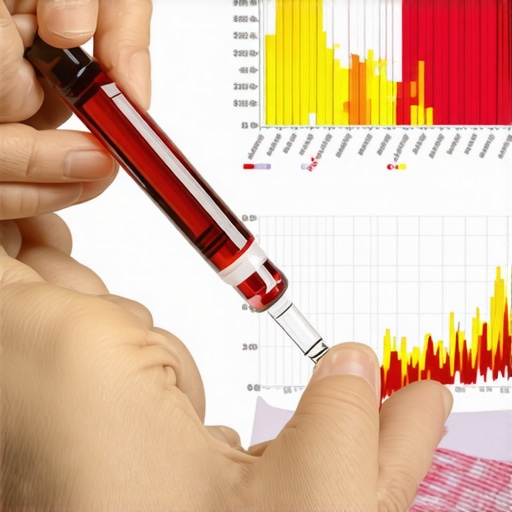
I remember staring at the ceiling at 3 a.m., wide awake, feeling utterly exhausted despite having gone to bed early. It was one of those nights where I wondered if I was somehow doing everything wrong—failing at sleep, diet, everything. But then I stumbled upon a simple blood marker that explained it all—the reason I was waking up tired day after day, even with what seemed like adequate sleep. That discovery changed everything.
The Hidden Signal: A Clue in Your Blood That Reveals Fatigue’s Root Cause
Sometimes, the sleep you’re getting isn’t the problem. Instead, an imbalance in your body’s chemistry shows up in a tiny, yet powerful blood component. This marker can tell you if your body isn’t processing energy properly, or if there’s an underlying issue sabotaging your rest and recovery.
For years, I struggled with mornings where I felt like I hadn’t slept at all, despite sleeping eight hours. I tried everything—changing pillows, reducing screen time, cutting caffeine. Nothing worked. It wasn’t until I checked this specific blood marker that I finally understood what was going wrong. It’s a bit like being blindfolded and suddenly seeing the whole puzzle.
And here’s something surprising: research shows that imbalances in certain blood markers can be a cause of persistent fatigue, even if your sleep habits are perfect. In fact, a study published in the Journal of Clinical Sleep Medicine highlights how metabolic markers shed light on unexplained sleep issues. So, skipping routine lab tests could be the reason you’re still feeling drained.
But before diving into solutions, I want to address a question many of you might have—”Is testing for this marker really worth the effort?” The answer, from personal experience and scientific backing, is a resounding yes. Knowing what’s happening inside your body unlocks the door to targeted strategies that work.
If this sounds familiar—waking up exhausted, feeling like you’re fighting a losing battle with fatigue—it’s worth exploring further. Because once you get to the source, clearing up your energy issues becomes much more manageable.
In the next sections, I’ll walk you through exactly how this blood marker was a game-changer for me and how you can request the right tests to start reclaiming your mornings. Sometimes, the key to feeling vibrant again is just a simple blood test away. Ready to find out more? Let’s get into it.
Schedule Your Blood Work Smartly
Choosing the right time to get your blood tested can impact accuracy. I once scheduled my test early in the morning and found the results more reliable for fasting markers. To avoid mornings rushed and stressed, plan your appointment the day before, and consider using local labs with flexible hours. When booking, specify fasting requirements, and confirm the process with your provider to prevent last-minute surprises. For seamless testing, explore labs that accept online appointments or walk-ins—saving you time and hassle. Learn more about optimizing your lab visits here.
While many believe that getting routine lab tests, vaccinations, and embracing telehealth automatically guarantees optimal health, the reality is far more nuanced. A common myth is that standard blood panels provide a complete picture of your wellness; in truth, they often miss subtle yet critical markers that can predict underlying issues years in advance. For example, relying solely on total cholesterol without checking particle size or inflammation markers can lead to misguided conclusions about heart risk. Moreover, most people overlook that vaccinations are not one-size-fits-all; personalized schedules based on detailed health assessments significantly enhance effectiveness and safety.
Why do so many wellness strategies fail to deliver expected results, despite following popular advice?
The answer lies in overlooking the complexity of individual biochemistry. A study published by the American Journal of Clinical Nutrition emphasizes that nutrient and immune responses vary widely among individuals, influenced by genetics, lifestyle, and existing health conditions. This means that generic protocols may do more harm than good if not tailored to the person. For instance, someone might receive a flu shot based on age alone, neglecting their specific risk factors or vitamin deficiencies that compromise vaccine efficacy. Another trap to avoid is assuming that telehealth offers a perfect substitute for in-person assessments. While virtual care is revolutionary, it cannot replace comprehensive physical examinations or advanced testing when nuanced diagnostics are required. Relying solely on telehealth for complex or ambiguous symptoms may delay accurate diagnosis. Make sure your virtual provider guides you toward appropriate in-person testing when necessary.
Are there advanced mistakes in wellness that even seasoned health enthusiasts often make?
Yes. Many overlook that a limited set of tests—like fasting glucose and blood pressure—are insufficient to uncover hidden metabolic or hormonal imbalances. Regularly tracking markers such as fasting insulin, vitamin D, magnesium levels, and inflammatory cytokines can reveal early warning signs of chronic conditions. For instance, research in the journal Nature Reviews Endocrinology indicates that many metabolic disorders are rooted in subclinical deficiencies or resistance that traditional screening misses entirely. Failing to recognize these nuances can result in reactive rather than proactive health management. To deepen your understanding of hidden risks, consider supplementary lab tests tailored to your individual profile, which can be identified through comprehensive review, such as understanding lab tests. Keep questioning standardized advice and stay proactive in customizing your wellness journey.
Have you ever fallen into this trap? Let me know in the comments and share your experience with personalized health strategies.Maintaining your health over the long term demands more than just sporadic efforts; it requires reliable tools and thoughtful routines that adapt as you grow. Personally, I swear by a combination of specific equipment and software to monitor, optimize, and scale my wellness strategies. For instance, I rely heavily on continuous glucose monitors (CGMs) like the Freestyle Libre. Unlike traditional finger-prick testing, CGMs provide real-time data on blood sugar fluctuations, enabling me to tweak my diet proactively to prevent energy crashes. This approach aligns with emerging research in metabolic health, which emphasizes continuous tracking for nuanced insights. Consider integrating a CGM into your routine if you want to stay ahead of subtle metabolic shifts that often go unnoticed until they manifest as fatigue or mood swings.
How do I keep my wellness tools effective over time?
One key is using cloud-based apps such as Apple Health or Samsung Health synced with devices like fitness trackers and sleep monitors. These platforms aggregate data, identify patterns, and help you make data-driven decisions. For example, utilizing a sleep tracker such as WHOOP or Oura Ring has transformed my understanding of sleep quality. Over years, I’ve learned that consistent tracking allows me to fine-tune my bedtime routines, optimize hydration, and prevent burnout before symptoms become obvious. As wearable technology advances, future trends point toward more integrated biosensors that can monitor biomarkers like hydration status or cortisol levels continuously—potentially revolutionizing how we approach long-term health management.
Invest in a quality digital blood pressure cuff; devices such as the Omron series provide reliable, at-home monitoring. Regularly logging your measurements helps catch early signs of hypertension, especially if you have a family history. Maintaining this habit over time isn’t just about occasional checks; it’s about cultivating a routine that becomes second nature. To simplify, set reminders and sync your data to your health app for a cohesive overview.
**What tools do I recommend for managing vaccinations and lab tests?** In my experience, scheduling and tracking are streamlined with online portals offered by reputable labs like LabCorp or Quest Diagnostics. They enable appointment booking, result retrieval, and follow-up planning—all from your smartphone. Moreover, engaging in telehealth platforms such as VitalClinicMD’s telehealth services makes it easier to review your data with healthcare providers without the hassle of in-office visits. As telemedicine continues to evolve, expect more AI-driven platforms that analyze your lab results and suggest personalized interventions, making health maintenance increasingly predictive and scalable.
Looking ahead, the integration of AI and machine learning will likely transform how we monitor and maintain wellness. Predictive analytics could flag potential issues months before symptoms emerge, allowing preventative actions instead of reactive treatments. Plus, with the rise of at-home diagnostic kits—such as hair mineral analysis or gut health testing—long-term health optimization will become more accessible and less invasive.
Start by trying a continuous glucose monitor or upgrading to a smart sleep tracker. These tools can reveal hidden patterns that your traditional tests might overlook, offering you a new level of control. As you incorporate these technologies, you’ll build a scalable foundation that grows with your needs, making wellness an ongoing journey rather than a checklist.
Over time, I realized that some of the most profound health lessons come from unexpected sources—like a simple blood test. These insights can uncover silent imbalances that standard routines often overlook, guiding targeted actions that truly make a difference in longevity and vitality.
Lessons Life Taught Me About Personalized Wellness
- The Power of Nuance: One seemingly minor blood marker revealed a hormonal imbalance I would never have suspected, illustrating how personalized data strips away assumptions and points directly to what needs attention.
- Trust Your Internal Diagnostics: Routine tests can miss subtle signals; paying attention to these tiny clues empowers you to catch issues early, often before symptoms emerge.
- Beyond One-Size-Fits-All: What works for the masses may not suit individual biochemistry. Embracing tailored testing and interventions allowed me to optimize my health in ways standardized guidelines couldn’t offer.
Tools I Use to Keep My Wellness on Track
- Continuous Glucose Monitors (CGMs): Devices like the glucose monitors provide real-time insights that help fine-tune my diet and prevent energy crashes—an invaluable tool for metabolic awareness.
- Sleep Tracking Devices: Wearables such as the Oura Ring help me understand sleep quality trends, guiding adjustments that support recovery and daily performance.
- Lab Test Planning: Pre-scheduling lab tests with trusted labs, informed by my health goals, ensures I gather the most relevant data—consult more on lab testing importance for detailed strategies.
If You’re Ready to Take Control
Remember, your health isn’t static—it evolves, and so should your approach. Incorporate advanced tools, seek personalized insights, and stay curious about what your body is telling you. The future of wellness depends on proactive choices that leverage the power of precise data. Start small: schedule that blood test, explore a wearable, or chat with a specialist who understands personalized health. Every step brings you closer to vibrant living.
What’s one small change you’re willing to make today to better understand your body’s hidden signals? Share your thoughts below and embark on a journey to a healthier, more energized you.